作者姓名:李昱坤

English Writing

How Should We Remember Walter Benjamin Today?

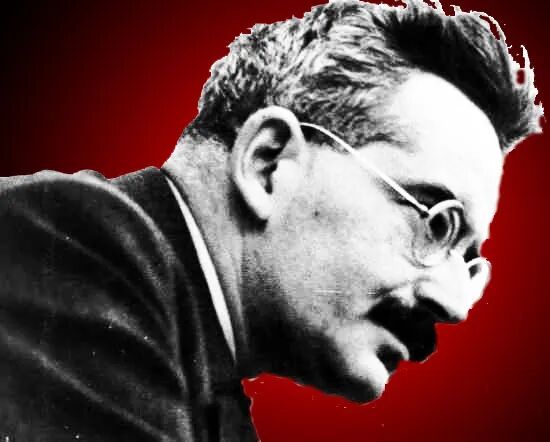
Opening with Benjamin’s death on the Spanish border in 1940 and the storm of progress described in his theses on history, Li argues that progress continues to pile up ruins. Faithful inheritance means not repeating jargon but choosing, within an art economy ruled by traffic and capital, to be a flâneur, a ragpicker and a destructive character who keeps critical reflection alive.
李昱坤专栏, 艺术批评方法

我们今天怎样纪念本雅明?

真理不会自己显现,它需要被暴力夺取。1940年9月26日晚十点,本雅明在西班牙边境旅馆自杀。他在他生命的最后时刻,于《历史哲学论纲》中写下了一句犹如警世恒言的断语:“被我们称为进步的这场风暴,它在何处推着我们面向未来,在我们眼前堆积起一片片废墟,直达天际,而它在何处却一成不变地停留。

English Writing

Meiro Koizumi: Forcing Japan’s Historical Reckoning Through Individual Pain

Treating Japan’s defeat as the decisive condition of Meiro Koizumi’s practice, Li traces how the spiritual vacuum left by the emperor’s declaration of humanity, the national memory of collective victimhood and a crushed salaryman masculinity enter the work. He analyses directed performance, extreme facial close-ups and the collapse of speech as techniques converting the viewer’s discomfort into critique rather than spectacle.

English Writing

Why Beuys’s ‘Everyone Is an Artist’ Is the Greatest Tragedy of Contemporary Art

Taking Jason Allen’s Midjourney-generated Théâtre d’Opéra Spatial, winner of the digital art prize at the 2022 Colorado State Fair, as its case, Li argues that Beuys’s promise of creative equality has curdled: once algorithms can produce professional images, everyone creates and few are free. He reads the slogan as betrayed rather than fulfilled, and calls for recovering social sculpture under present technical conditions.

English Writing

The Realm of the ‘Greater Self’: Mao Zedong Thought and the Spiritual Formation of Chinese Artists

Beginning from Mao’s question of for whom art is made and from his epistemology of practice, Li argues that many Chinese artists have retreated into petty sentiment, trivial everydayness and hollow conceptual games, losing contact with the social process around them. He proposes translating Mao’s spiritual core — self-transformation, enquiry and empathy — rather than his period slogans, into a renewed greater self.

当代美学, 李昱坤专栏

“大我”之境:毛泽东思想对中国当代艺术家精神建构的启示

毛泽东思想中蕴含着一条艺术家精神建构的升华路径。9月9日是共和国缔造者毛泽东逝世纪念日。当我们回望历史,作为领袖的毛泽东思维、思想和精神宝库总是能够穿越时空,在当下的诸多领域依然散发着熠熠光辉,其具备哲学深度的思想壁立千仞,犹如强韧的精神钙质,为当下社会诸多萎靡不振、外强中干的行业提供一种重建精神主体性的磅礴

English Writing

Chiharu Shiota: How Memory Keeps Speaking After Matter Disappears

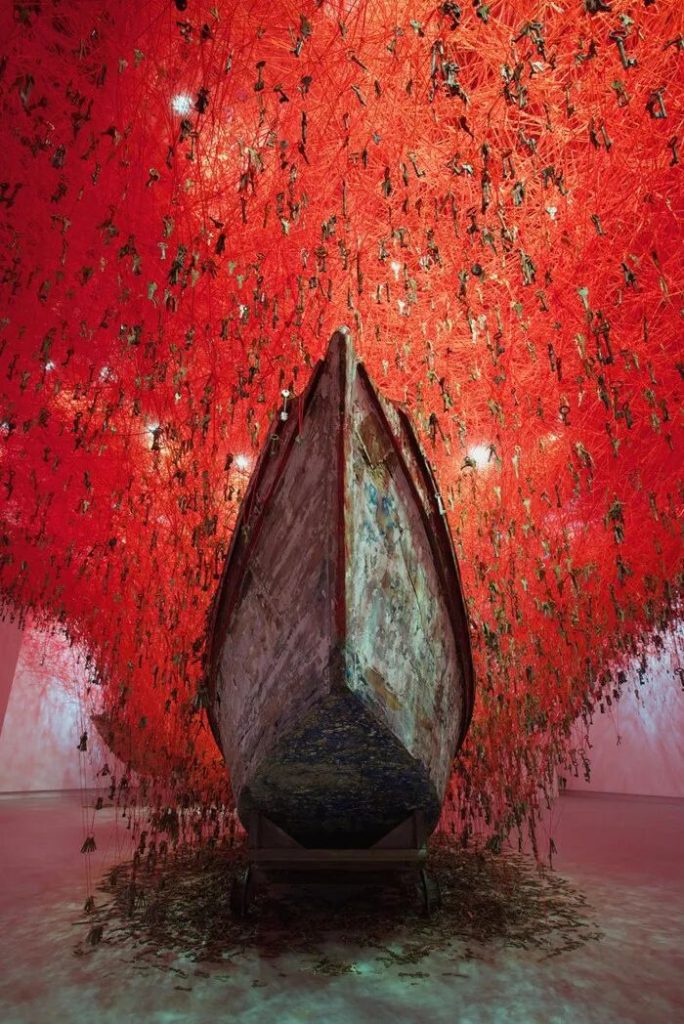
Focusing on Chiharu Shiota’s room-encompassing installations of red, black and white thread, Li reads the semiotics of keys, shoes, beds and windows, and argues that a practice rooted in childhood trauma, expatriate identity and a fight with cancer exceeds autobiography to address collective memory, historical trauma and social reality. Memory, in this reading, survives the disappearance of the objects that carried it.

李昱坤专栏, 艺术家个案

盐田千春:记忆在物质消亡后如何继续”发声”?

人的主体性是在语言和社会关系的“象征之网”中形成的。盐田千春,1972年出生于日本大阪,她以其标志性的、包裹整个空间的线体装置闻名于世,这些红色、黑色或白色的丝线,如同密布的神经网络、交错的血管,抑或是命运的蛛网,缠绕、连接着那些承载了岁月痕迹的旧物,构建出一个个既宏伟壮观又引人不安的沉浸式场域。

📬 免费订阅艺术评论
滚动至顶部

订阅艺术评论

获取最新当代艺术批评与研究,直接送达您的邮箱