Within the genealogy of contemporary Japanese art, Meiro Koizumi is a name that is impossible to avoid yet extraordinarily difficult to view with any comfort. Koizumi’s work functions like a scalpel cooled to the point of cruelty, recording everything with an unflinching, sustained gaze that offers no escape. His art does not aim to provide aesthetic pleasure or moral consolation; rather, it performs a painful but necessary psychological surgery upon the collective unconscious of postwar Japan, intent on laying bare a historical wound—concealed beneath the façade of ‘peace and prosperity’—that has never truly healed.
This essay seeks to analyse in depth how the Second World War, as a profound historical rupture, and the particular social conditions of postwar Japan as a defeated nation, became the determining forces shaping Koizumi’s artistic concept and creative practice. We will examine how a series of complex historical and social issues—from the spiritual vacuum left by the Emperor’s ‘Humanity Declaration’, to a national memory constructed around the identity of ‘victim’, to the salaryman masculinity forged and then crushed amid rapid economic growth—are repeatedly excavated, deconstructed and interrogated in his work. The focus will be on how Koizumi, through his singular artistic strategies, intervenes in and stirs up the ‘unspeakable’ taboo zones of Japanese society, including his extreme manipulation of ‘affect’, his cruel experiments with ‘performativity’, and his moral interrogation of the viewing mechanism itself.
In 1961, Michel Foucault, in Madness and Civilisation, revealed how society constitutes its own order by drawing the boundary between ‘reason’ and ‘unreason’. Koizumi’s art is precisely an attempt to detonate that boundary. The hysterical cries, incoherent monologues and absurd rituals in his work are exactly those moments of ‘madness’ repressed and excluded by the rational, orderly and harmonious society of ‘tatemae’ (the Japanese ‘front’—the appearance one presents) in postwar Japan. And these moments of ‘madness’ are the secret passageway to the repressed historical truth and collective trauma. As the philosopher Gilles Deleuze observed in Anti-Oedipus, the flow of desire and emotion possesses a subversive political force. Koizumi’s art is itself a practice of a ‘politics of affect’, dismantling the hypocritical shell of the national grand narrative by provoking and exposing the most primal and mortifying emotions.
This essay situates Koizumi’s artistic practice within the history of performance and video art in Japan and globally. We will compare his work with the Viennese Actionists’ exploration of the body’s limits, Bruce Nauman’s experiments with repetition and psychological entrapment, the Polish artist Artur Żmijewski’s ethically provocative re-enactments of social trauma, and the bodily and social-space interventions of Japanese artists such as Gutai and Hi Red Center—so as to bring into relief the distinctiveness and depth of his strategies.
His art not only offers an unparalleled depth of perspective for understanding postwar Japan; in an age of resurgent global nationalism and rampant historical revisionism, it poses to us a universal question: how, after all, should a nation or a people confront its own ignoble past? Through a systematic study of Koizumi’s art, we will show how, in a manner bordering on self-torture, he has opened up for the social critical function of contemporary art a path that, though strewn with thorns, is utterly honest and brave.
I. The Ruins of Silence: The Spiritual Symptomatology of Postwar Japan
Koizumi’s art, like a hypersensitive seismograph, precisely detects and amplifies every tremor in the spiritual substrata of postwar Japanese society. His work is so unsettling precisely because it touches upon the core contradictions and traumas that form the bedrock of modern Japanese national identity. To understand the distorted faces and collapsing emotions in his videos, we must first return to that historical origin point where both the physical and the spiritual collapsed at once.
(1) The Emperor’s ‘Humanity Declaration’ and the ‘Castration’ of the National Spirit
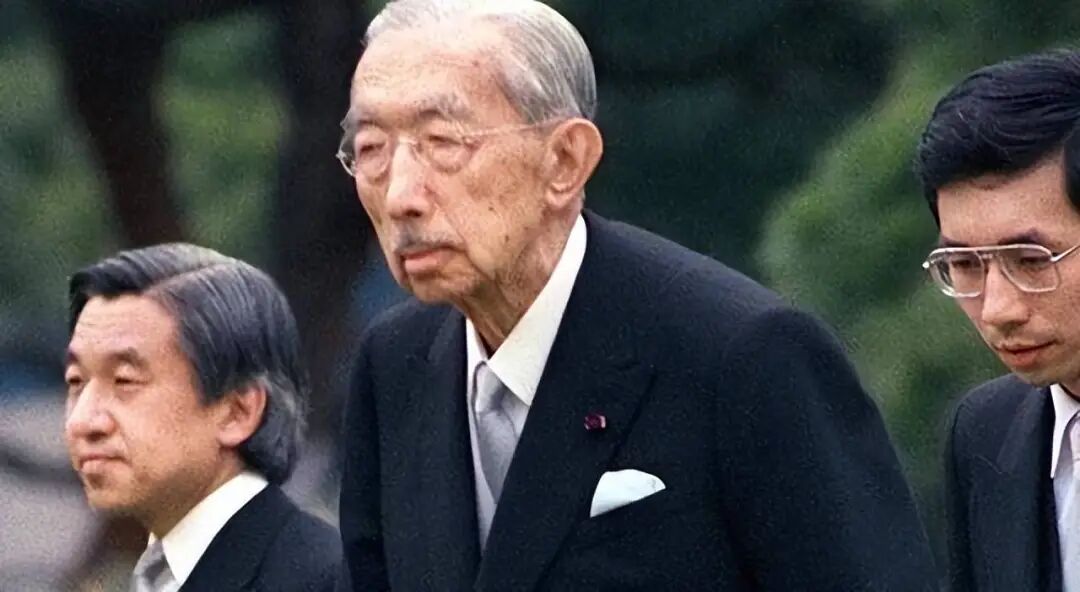
On 1 January 1946, the Shōwa Emperor of Japan (Hirohito) issued the ‘Humanity Declaration’ (also known as the Imperial Rescript on the New Year’s Day). The famous passage of the Humanity Declaration states: ‘The ties between Us and Our people have always stood upon mutual trust and affection. They do not depend upon mere legends and myths. They are not predicated on the false conception that the Emperor is divine, and that the Japanese people are superior to other races and fated to rule the world.’ This negated his own divinity as a ‘living god’ (arahitogami) and acknowledged him as an ordinary mortal.
The spiritual shock this event delivered to the Japanese people was subversive. Before the war, the ‘kokutairon’ (emperor-system ideology), with the Emperor as its sacred apex, was the cornerstone of the nation’s entire ideological and moral system. The Emperor’s ‘descent from the altar’ meant that the centre of the whole value system was hollowed out in an instant, producing an immense spiritual vacuum.
1. The Ambiguity of the ‘Symbol’ and the Spectre of Power
The postwar constitution defined the Emperor as the ‘symbol of the State of Japan’—an extremely ambiguous positioning. He is no longer sovereign, yet remains the symbol of national unity. This ambivalent state of being ‘present’ and ‘absent’ at once means that the spectre of the Emperor has continued to loom over the politics and culture of postwar Japan. The Japanese intellectual historian Masao Maruyama, in his book Thought and Behaviour in Modern Japanese Politics (first published 1956–1957, expanded edition 1964), offers a profound analysis of how this ‘system of irresponsibility’ led to the runaway militarism of the prewar period. After the war, this ambiguity surrounding an ’empty centre’ persists.
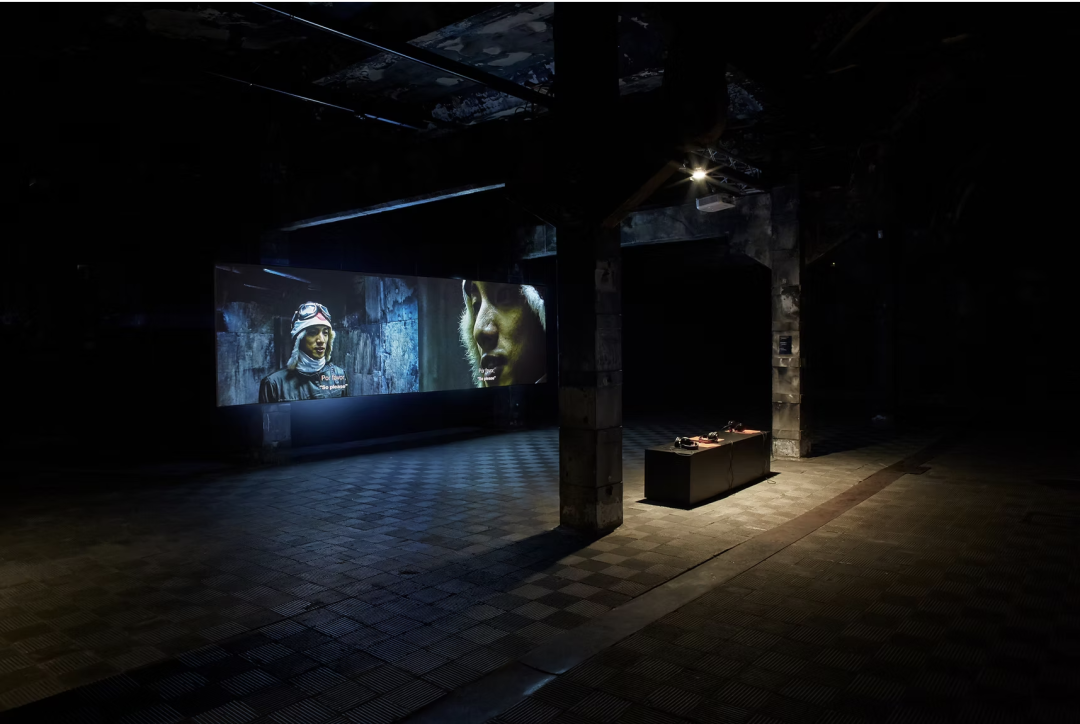
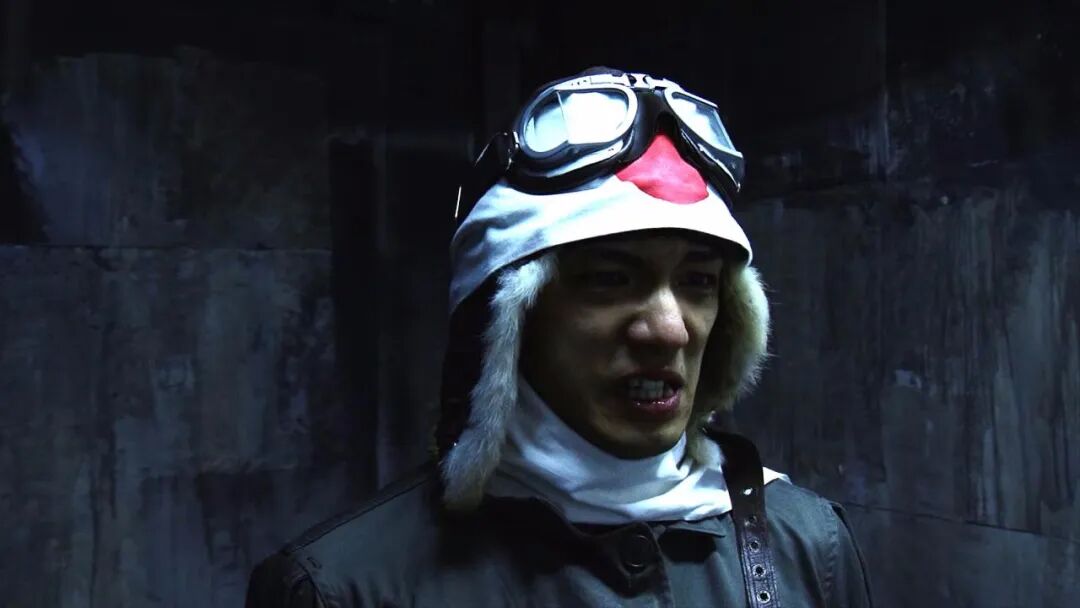
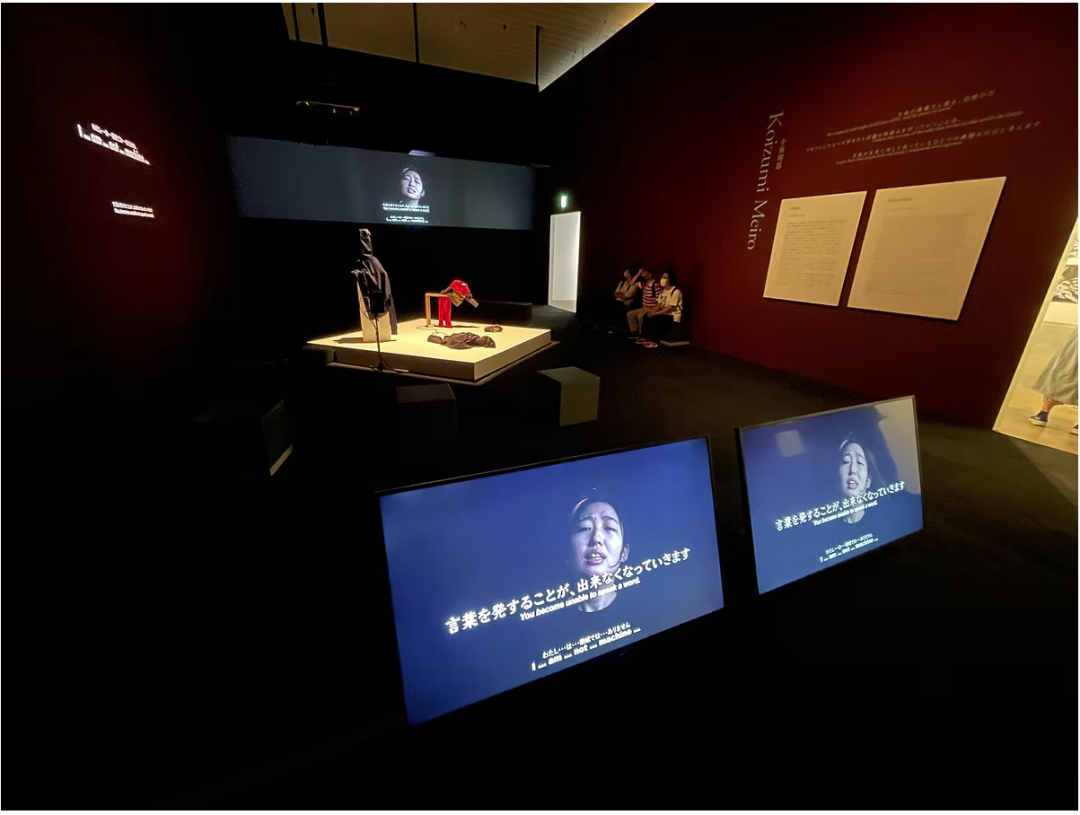
Portrait of a Young Samurai is a work concerned with the history of Japanese militarism, depicting a young Imperial Japanese Army pilot repeatedly uttering phrases of gratitude and farewell before embarking on a kamikaze mission. A third party, located off-screen, insistently pushes the young pilot to the extreme, until, exhausted in body and mind, he collapses in tears.
Many of Koizumi’s works explore, in an indirect yet profound manner, this invisible power structure and the absurd predicament of the individual within it. In his two-channel video work Portrait of a Young Samurai (2009), he has a young actor play a samurai about to commit seppuku for the Japanese Emperor. During the shoot, Koizumi continuously issues instructions to the actor from off-screen, demanding that he express loyalty and love for the Emperor—yet the actor can never enter the required state, and finally collapses amid repeated struggle and shame. The work cruelly reveals how absurd and impossible it is, now that the Japanese Emperor has been ‘dethroned from divinity’, to attempt to re-enact that absolute, supra-rational loyalty. The actor’s breakdown symbolises the bankruptcy of the entire narrative of ‘dying for the Emperor’. This forms a dialogue across the ages with the tragic act of the writer Yukio Mishima, who attempted through his own seppuku to reawaken ‘Emperor worship’. Mishima’s death was a real tragedy, whereas Koizumi’s work is a cruel parody and anatomy of the ideology behind that tragedy.
2. The Collapse of the Paternal Image and the Search for a New Identity
The collapse of the Japanese Emperor as the image of their ‘national father’ also triggered an overall patriarchal crisis in Japanese society. Koizumi, for his part, dramatises this spiritual drift under an authority vacuum in an even more violent manner. In his work, the figures of authority (politicians, military officers, even the artist himself) are often rendered ridiculous, impotent, even hysterical.
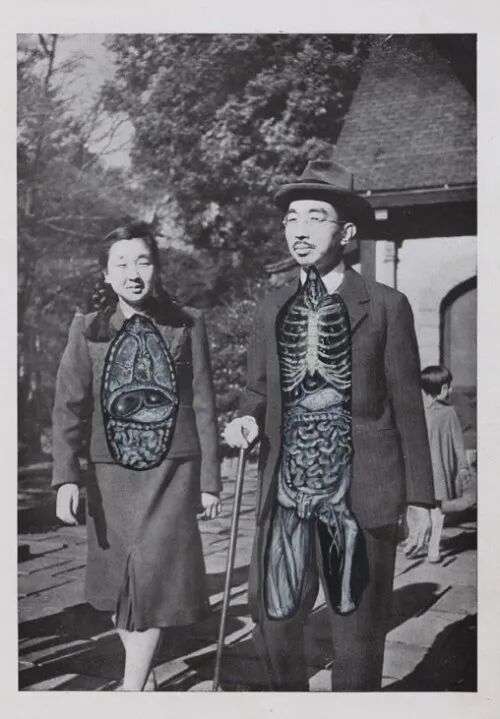
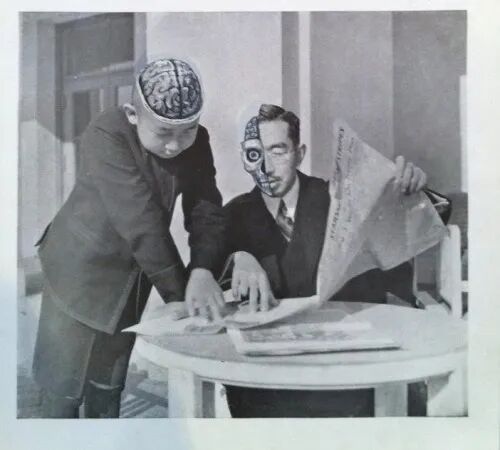
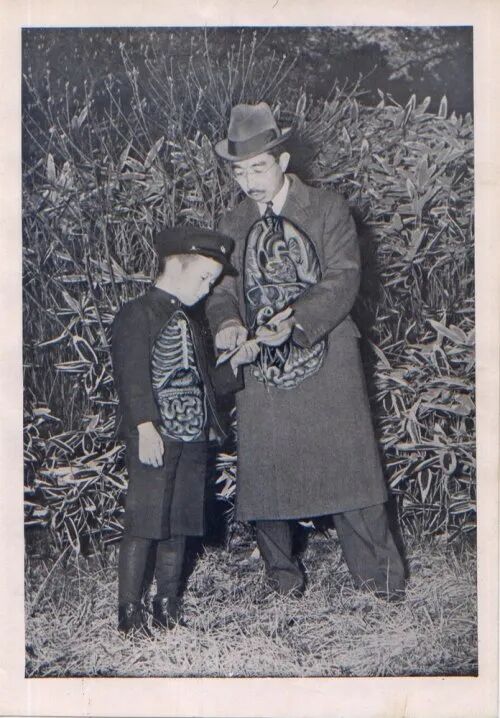
Sunday of Emperor Hirohito (2012) is a core work in Koizumi’s deconstruction of the postwar Japanese patriarchal crisis. Through montage and collage, it juxtaposes informal everyday footage of Emperor Hirohito with cold anatomical diagrams of the human body, using a medicalised ‘disenchantment’ to thoroughly dissolve the prewar Emperor’s sanctity as a ‘living god’. The work strikes directly at the spiritual crux of Japanese society after the Humanity Declaration: the patriarchal apex of the Emperor as ‘father of the nation’ collapsed with a crash, and the value system that had been anchored in him instantly lost its mooring, producing a vast authority vacuum.
This is precisely a microcosm of the collective unconscious under the authority vacuum: the old patriarchal signifiers, though negated, had already permeated the depths of individual cognition, while new coordinates of authority had yet to be established. The fractured texture of the anatomical diagrams interweaves with the secular quality of the everyday footage, resembling the bewildered state of Japanese society after the collapse of patriarchy—unable either to sever itself completely from history or to establish new values—giving concrete visual form, as a kind of tearing, to the spiritual drift of having ‘lost its apex’.
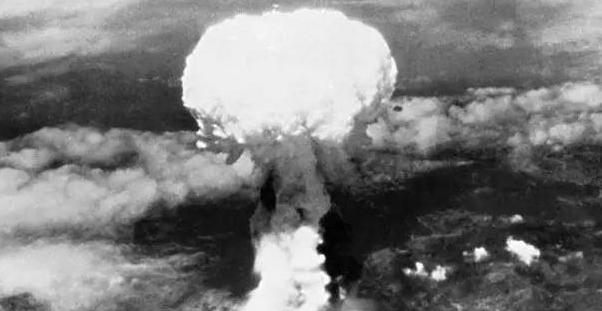
In the construction of its national memory, postwar Japan exhibited a salient characteristic: a ‘victim’ narrative long held sway, emphasising the tragedies of the atomic bombings of Hiroshima and Nagasaki and the hardships of the postwar years, while deliberately playing down its own responsibility as an aggressor. This collective historical amnesia, or selective memory, has become an abscess buried deep within the social body.
1. From ‘One Hundred Million Repenting Together’ to ‘One Hundred Million as Victims’
In the early period after defeat, there had been talk in Japan of ‘one hundred million repenting together’, but with the formation of the Cold War order and the shift in US policy toward Japan, voices calling for accountability for the war were suppressed, and a discourse emphasising that Japan too was a ‘victim of war’ came to dominate. In his book The Wages of Guilt: Memories of War in Germany and Japan, the historian Ian Buruma, by contrasting how Germany and Japan dealt with their histories after the war, points profoundly to Japan’s lack of reckoning at the national level. Through the thorough reckoning with Nazi crimes and public mourning, Germany achieved a certain reconciliation with its past, whereas Japan has remained mired in controversies such as the ‘Yasukuni Shrine issue’ and the ‘textbook issue’.
Koizumi’s art is precisely an attempt to forcibly tear away the tender veil of this ‘victim’ narrative, compelling the viewer to confront the forgotten face of the ‘perpetrator’. One of his most renowned works, Anti-Dream #1 (Room with Sculpture) (Anti-Dream #1, 2020, sound installation), is a sound installation created by Koizumi in 2020 that, through immersive sensory design, rips open the tender veil of Japan’s postwar ‘victim’ narrative. As viewers step into a smoke-filled space, their headphones are immediately flooded with looped recordings of members of Unit 731; the ‘scientific’ utterance that ‘the blood of the maruta sings in the test tubes’ interweaves with the sounds of chopping and the clatter of scalpels, constructing a suffocating acoustic tension. Strobe lights flicker randomly in the darkness, at times illuminating anatomical diagrams on the wall, at times freezing on group photographs of ordinary Japanese families from the 1930s—warm imagery and brutal traces of violence locked in sharp confrontation.
Meiro Koizumi, Anti-Dream #1 (Room with Sculpture), live recording
(Anti-Dream #1, 2020, sound installation), from the artist’s official website
What Koizumi shows us is not a symbol, but an individual crushed beneath the machinery of extreme patriotic propaganda—an individual full of fear and remorse.
2. The Echoes of Violence in the Everyday
The repression and denial of wartime violence did not make it disappear, but instead allowed it to permeate the everyday life of postwar Japan in a distorted form. The psychoanalyst Takeo Doi, in The Structure of Dependence (1971), systematically set out the psychological structure of ‘amae’ (dependency, indulgence), which describes the Japanese pursuit of vagueness, dependence and indulgence in interpersonal relations. When this structure combines with un-reckoned memories of violence, it can produce a social atmosphere that appears mild on the surface yet is inwardly saturated with repression and latent aggression.
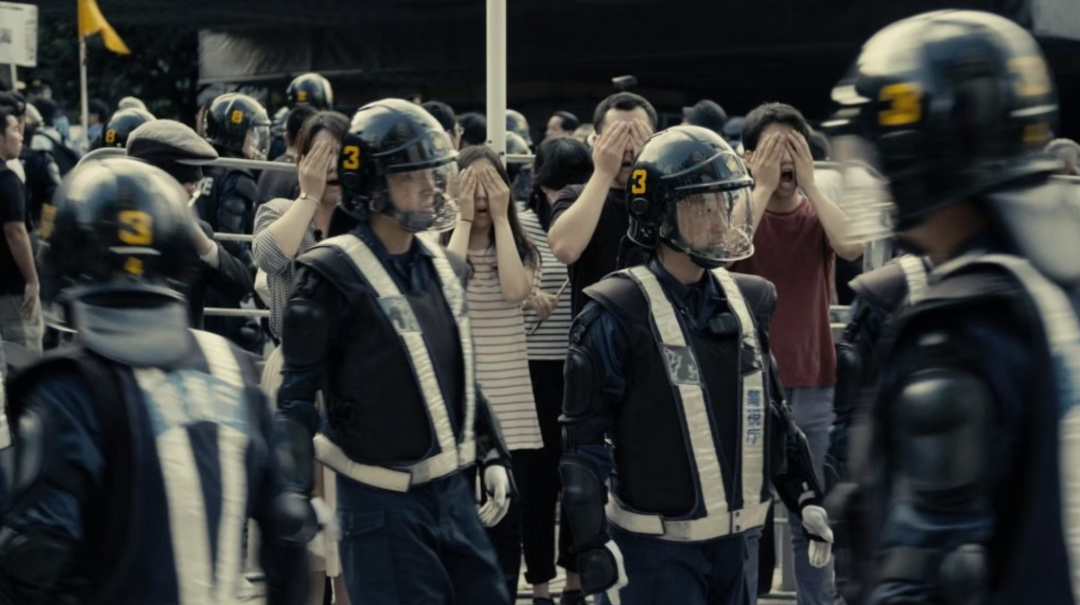
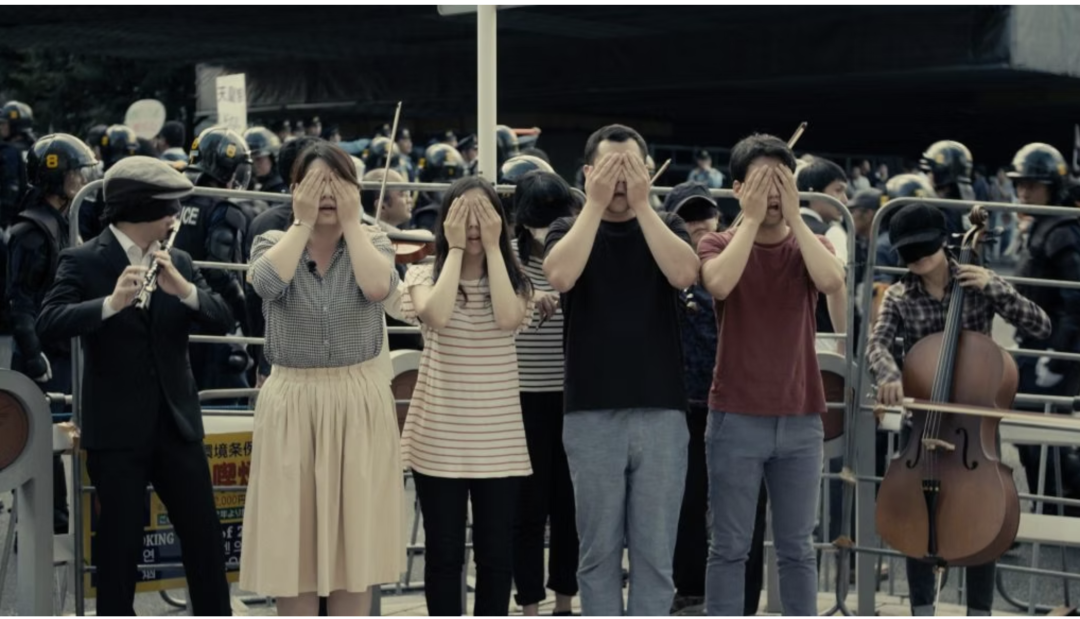
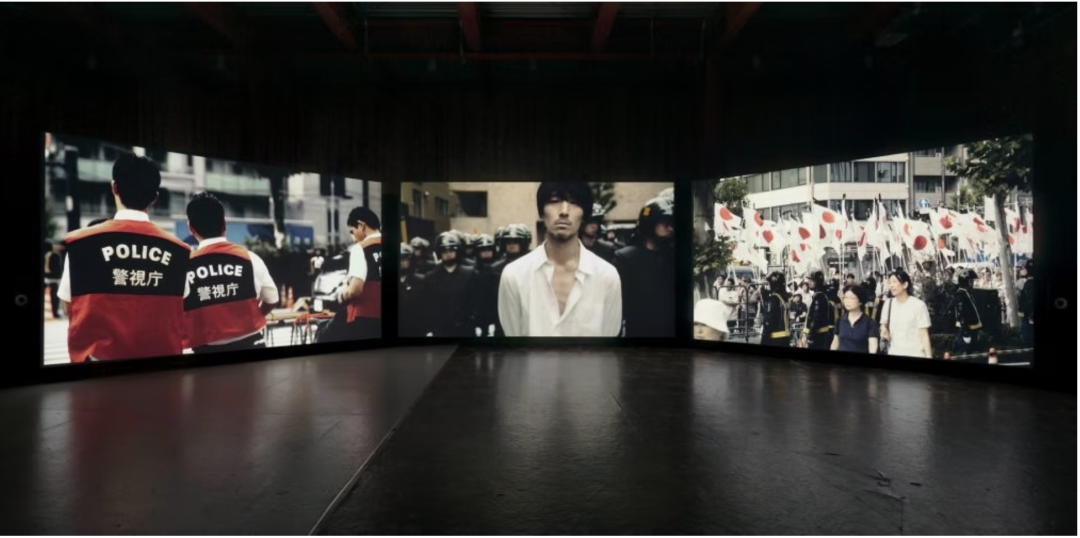
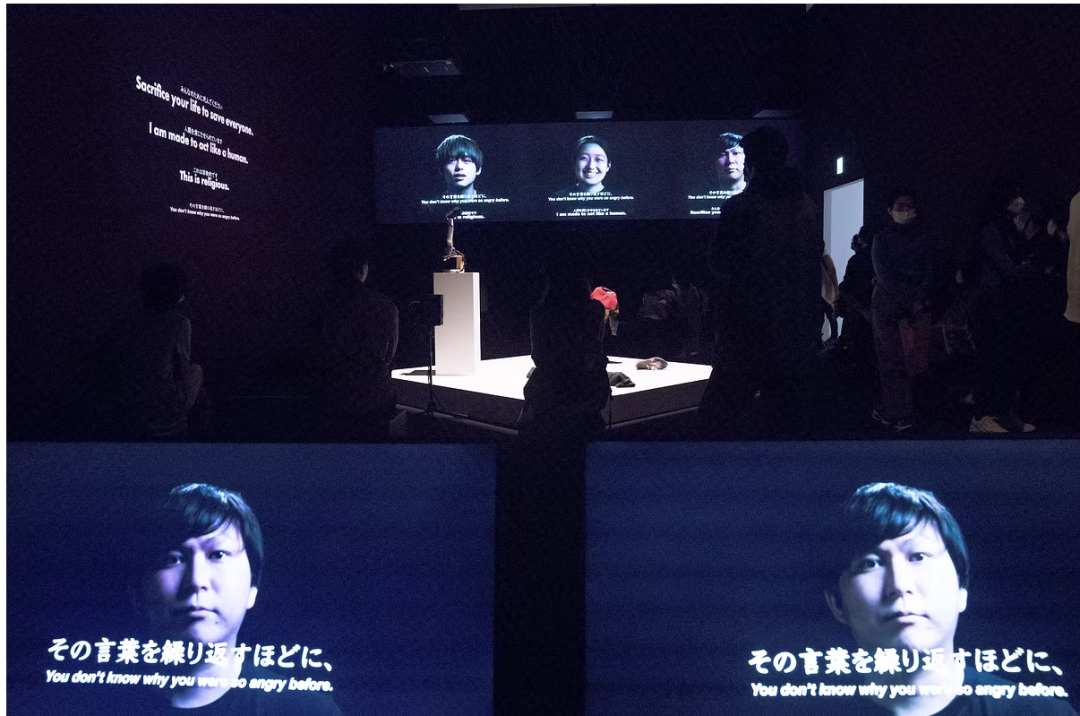
Many of Koizumi’s works are devoted to capturing these echoes of violence in the everyday. Rite for a Dream (Today My Empire Sings) is a three-screen video work Koizumi created in 2017; its creative origin lies in the artist’s childhood nightmare, in which his father is offered up as a ‘sacrifice’ on account of famine, in order to ‘preserve community stability’. This private memory is transformed into a key for dissecting the social structure: through a single actor playing two roles—’the artist recounting the nightmare’ and ‘the sacrificed father’—individual trauma is linked to grand history, directly indicting how the sanctity of the ‘father of the nation’ under the emperor system devours individual lives. The ‘aesthetics of sacrifice’ celebrated in the kamikaze corps is precisely the extreme manifestation of this logic.
The work was deliberately filmed at a Tokyo anti-imperialist demonstration on 15 August (Japan’s day commemorating the end of the war), with the clash between left and right in the background serving as an allegory: Japanese society’s psychology of ‘amae’ (dependence and indulgence) toward ‘paternal authority’ has been alienated into a violent signifier in the contest for power. The performer’s emotional shift—from rationally narrating the dream to collapsing into sobs—precisely embodies the deep repression masked by ‘amae’: outward submission to the strong (patriarchy, the state) that in truth harbours anger at a fate of ‘being sacrificed’. This is exactly as Takeo Doi put it—’the extreme of amae is the aggression of failed coquettishness’—and the ‘father’s’ roar is the eruption of this latent violence, letting the shadow of patriarchal sacrifice seep from history into the everyday.
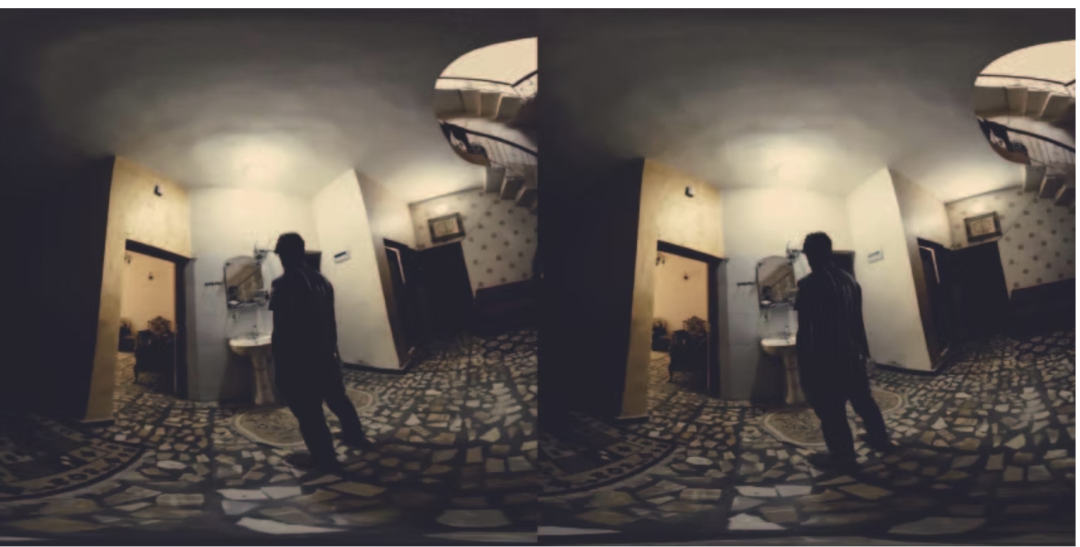
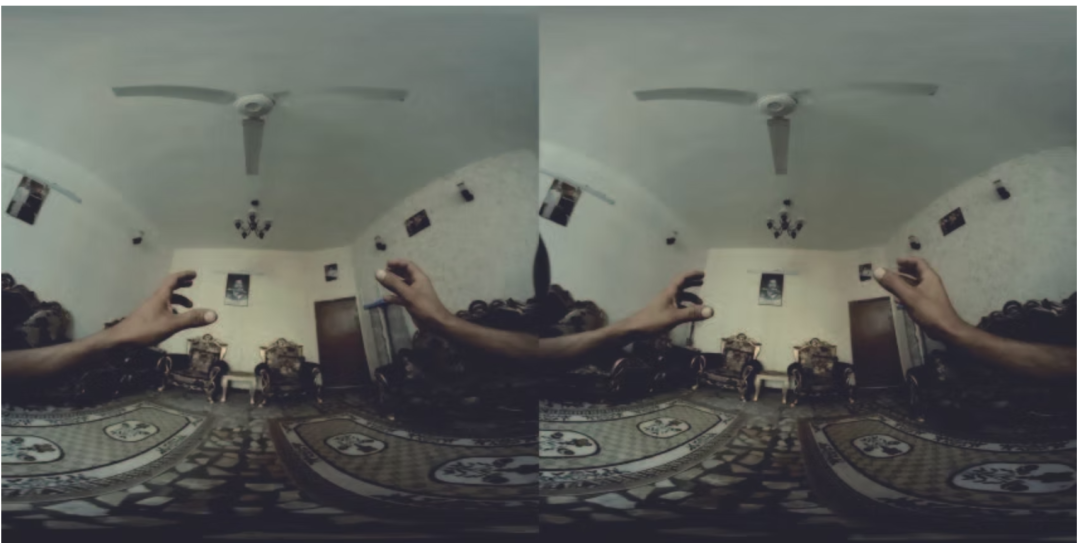
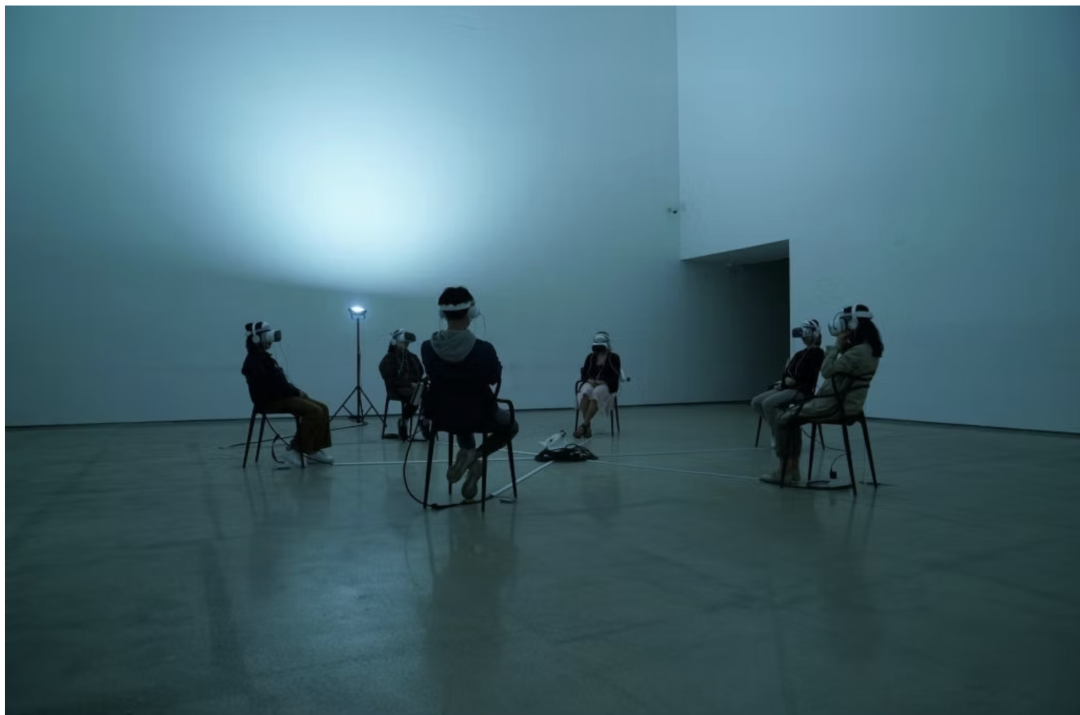
Sacrifice (2013) is an early video experiment by Koizumi focused on traumatic memory and the latency of violence; through a method charged with ethical tension, it interrogates how the un-reckoned violence of postwar Japan seeps into the everyday. At the core of the work is a carefully designed ‘trauma implantation’: through hypnotic suggestion, the artist leads an ordinary young Japanese man to believe that his parents have been brutally murdered, and the camera records throughout his emotional transformation—from incredulous sorrow and repressed anger to the eventual germination of a desire for revenge.
This mode of creation, which blurs the boundary between the real and the fictional, deliberately dissolves the assumption that ‘violence belongs only to extreme situations’. The young man’s shift from calm to loss of control is precisely a metaphor for the ‘amae’ (dependence) psychology of postwar Japanese society: beneath a superficially mild collective atmosphere lies unacknowledged trauma and aggression. In the form of an almost cruel ‘thought experiment’, the work asks: when the memory of historical violence is repressed yet not dispelled, will those seemingly ordinary individuals, under the inducement of particular situations, re-enact the violence of their fathers? Leaping beyond explicit historical indictment, it dives instead into the depths of individual psychology, exposing violence not as a distant historical signifier but as a latent factor that can be implanted and activated—becoming a pointed artistic interrogation of Japanese society’s ‘repressive memory’.
In sum, under the specific historical conditions of the ambiguous status of the Emperor, the evasion of war responsibility, and rapid economic growth, postwar Japanese society produced a series of profound spiritual symptoms. Koizumi’s art is the most acute and most merciless diagnosis of these symptoms. What he forces us to see is precisely the chaos, trauma and absurdity hidden within this seemingly orderly society.
II. The Anatomy Theatre of Affect: Koizumi’s Cruel Artistic Methodology
The core of Koizumi’s art lies not in producing ‘works’ available for aesthetic consumption, but in constructing temporary, high-pressure ‘situations’ within which to conduct cruel psychological experiments. The creative process itself constitutes the most important part of the work; the unique methodology he has developed fuses the corporeality of performance art, the speculative quality of conceptual art, and the intervention techniques of psychology, aiming to stimulate, capture and dissect the ‘affect’ that is deeply repressed in everyday life.
(1) The Artist as Catalyst: Induction, Coercion and the Play of Power
In Koizumi’s works, the artist himself rarely appears before the camera, yet his presence is everywhere. He manipulates the entire scene through a voice from off-screen—now gently inducing, now sternly interrogating, now coldly commanding. He places himself in multiple roles: director, interrogator, psychotherapist, even torturer—forming with the performer an extremely unequal power relation.
1. The Ethical Boundary of ‘Directed Performance’
Koizumi usually works with non-professional actors; what he pursues is not the skilful ‘performance’ of professionals, but the ‘authentic reaction’ of ordinary people under specific pressure that they cannot disguise. By setting up a fictional scenario (such as playing a kamikaze pilot or a samurai) and then continuously applying real psychological pressure, he blurs the boundary between fiction and reality, between performance and the actual.
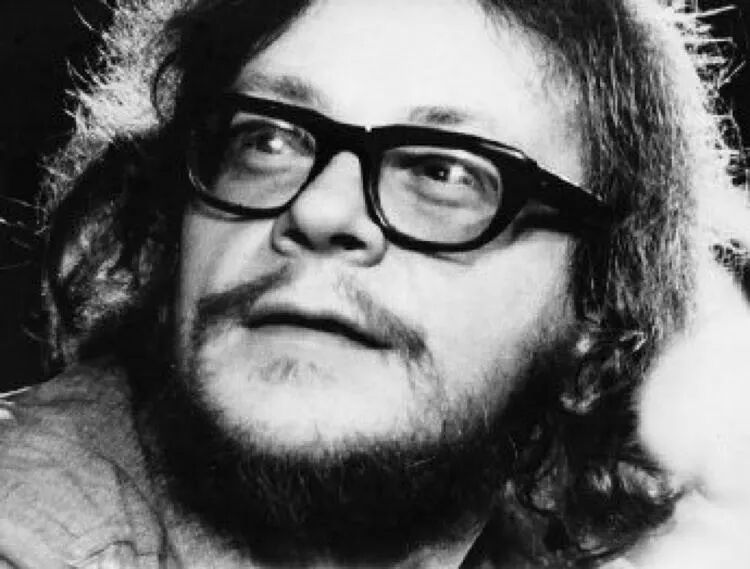
This method recalls the ‘poor theatre’ theory of the Polish theatre master Jerzy Grotowski. Grotowski advocated stripping away all non-essential elements of theatre (such as sets and lighting) to return to the most direct and primal exchange between actor and audience. He demanded that actors engage in profound self-analysis, turning performance into an act of ‘sacrifice’. Koizumi’s practice can be seen as an extreme extension of this idea within video art.
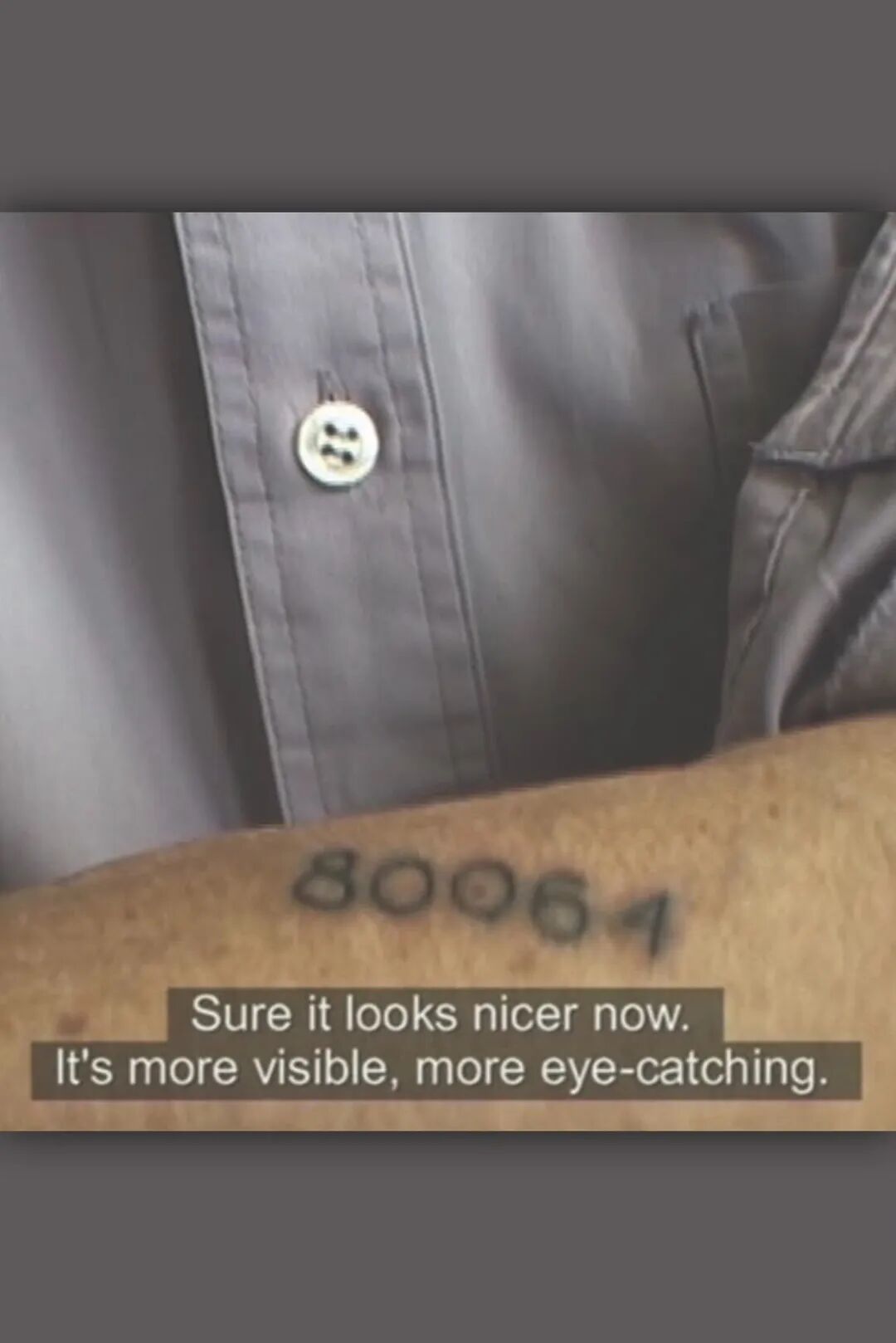
Yet unlike Grotowski, who aimed through performance at the actor’s self-transcendence, Koizumi’s purpose seems colder—he is more like an observer watching a biological sample’s stress response under pressure. This inevitably touches upon the ethical boundary of art. His approach is quite similar to the Polish artist Artur Żmijewski’s work 80064 (2004). In that work, Żmijewski persuaded a 92-year-old Auschwitz survivor to have his by-then-faded prisoner number re-tattooed. This act sparked enormous ethical controversy over whether an artist has the right, for the sake of creation, to re-open another person’s trauma.
2. The Enactment of Power Relations
This unequal relationship between Koizumi and the performer is itself a live illustration of the core issue his work explores: how power operates. The performer’s obedience to the artist’s commands, his struggle, and his eventual collapse become a microcosm of the psychological state of the individual in Japanese society when confronted with authority (the state, the company, the family).
In 1961, the famous ‘Milgram experiment’ revealed the cruel acts ordinary people will commit under the command of authority, against their own wishes. Koizumi’s creation is like an artistic version of this classic psychological experiment. He dramatically magnifies what Foucault called ‘micro-power’—the imperceptible operation of power that permeates everyday interaction—and this too explores the boundary of gaze, power and violation in public space.
(2) The Violence of the Gaze: The Camera as Interrogation Tool
In Koizumi’s videos, the use of the camera is highly distinctive. It is usually static and fixed, trained on the performer’s face from a perspective that is utterly dispassionate, almost that of a surveillance camera. Long close-ups expose, without reserve, the most minute twitch of facial muscles, the flickering evasion of the eyes, the sliding of tears—all laid bare before the viewer.
1. A Cruel Variant of ‘Cinéma Vérité’
Formally, Koizumi’s videos appear to share certain features of ‘cinéma vérité’ or ‘direct cinema’—the long take, sync sound, the capture of the ‘authentic’ moment. The pioneers of these schools, such as Jean Rouch, held that the camera could function as a ‘catalyst’, provoking the authentic state of the filmed subject. Koizumi, however, thoroughly subverts the humanist concern of ‘cinéma vérité’. His camera is not for ‘understanding’ or ’empathy’, but for ‘pressurising’ and ‘scrutinising’.
The theorist Susan Sontag pointedly observed in On Photography that the act of photography inherently contains an aggressiveness: ‘to photograph is to objectify the photographed, to turn a person into something that can be symbolically possessed’. Koizumi pushes this intrinsic violence of photography to its extreme. His lens is not a mirror reflecting reality, but a probe that pierces into the depths of the psyche, even an instrument of torture that inflicts pain. Viewers of these images often feel a strong guilt of the voyeur, as if they too had become accomplices in this cruel interrogation. This interrogation of the viewer’s ethical position is a crucial source of the work’s power.
2. The Politics of the Facial Close-up
The fascination with the ‘face’ is another core of Koizumi’s work.
The face is the most direct outlet of emotion, and the most concentrated embodiment of the social mask. Under Koizumi’s lens, this sanctity of the ‘countenance’ is stripped away. The face becomes a battlefield where inner emotion and outward repression wage fierce war. His work echoes Deleuze and Guattari’s critique of ‘faciality’ in A Thousand Plateaus. They argue that the ‘face’ is a machine of power that disciplines the fluid, multiple body into a standardised signifying subject that can be identified and controlled. By pushing the ‘face’ to the edge of collapse and loss of control, Koizumi ‘defacialises’ it, thereby briefly escaping this power and exposing the surging, pre-individual ‘affective force’ beneath it.
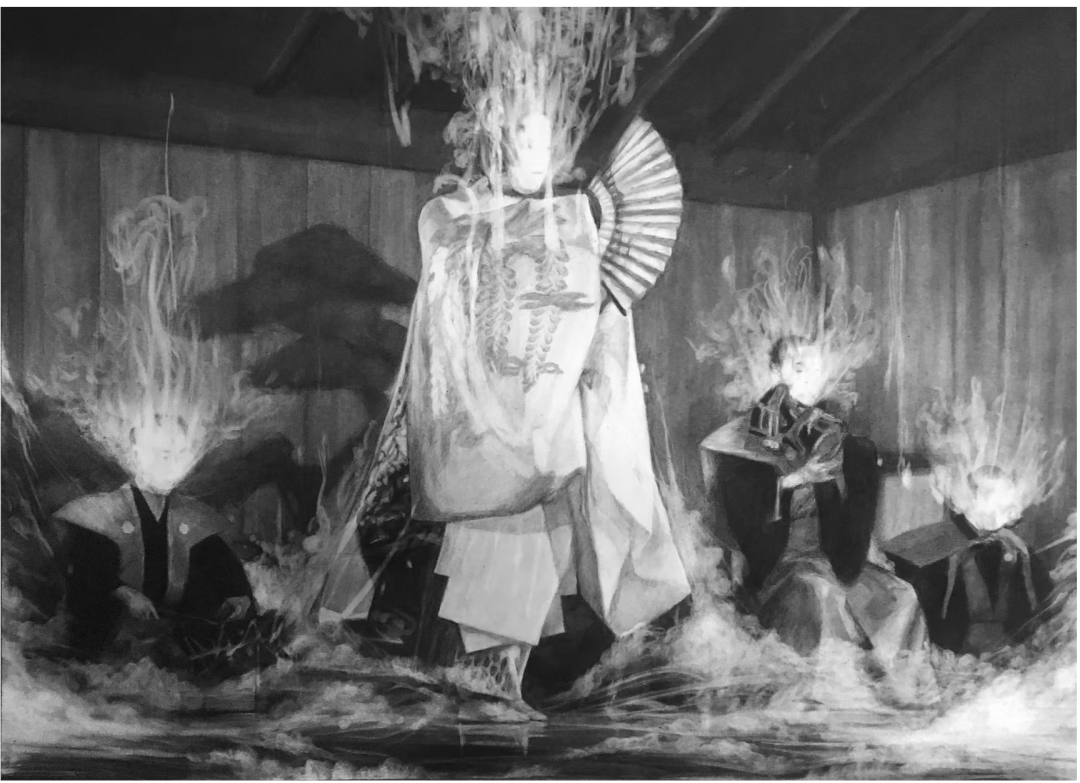
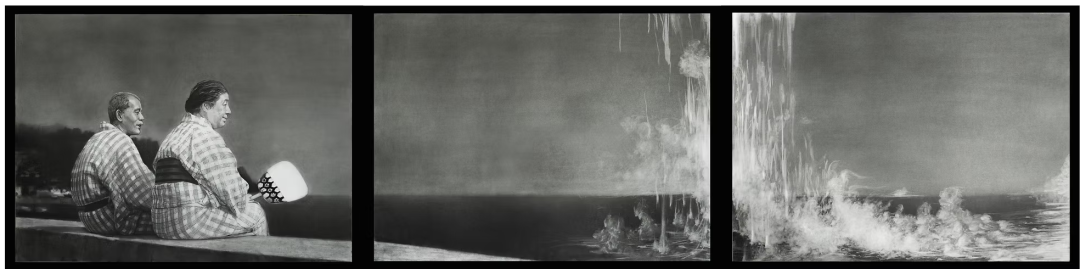
During the War of Resistance against Japan (1937–1945), the film director Yasujirō Ozu was sent to China to fight. According to his diaries, in the early stage of the war he still planned to make a war film after returning home, and his diaries were full of scene ideas depicting the everyday life of soldiers in a foreign land. But once the war reached a certain stage, he stopped recording such thoughts. As a soldier, he then served as commander of a unit that released chemical poison gas against the Chinese army, personally witnessing the cruelest truth of war.
After his return, Yasujirō Ozu never made a single war film in his entire life, nor did any war scene ever appear on his screen; all the scars of war were erased, repressed beneath the surface of the beautiful everyday life his films depicted. Koizumi, by contrast, attempts through the creative gesture of ‘erasure’ to bring this repressed dimension back before the eyes of the world.
(3) The Failure of Language and the Presence of the Body
At the climax of Koizumi’s works, language often fails completely. The performer falls into stuttering, repetition, aphasia, and can ultimately ‘express’ only through pre-linguistic bodily reactions such as weeping, howling and vomiting. This systematic destruction of linguistic reason is a key element of his artistic strategy.
1. The Collapse of the ‘Speech Act’
The ‘speech act theory’ proposed by the linguistic philosopher J. L. Austin holds that language is not merely descriptive of the world but is itself an action. Yet in the face of trauma and extreme emotion, this capacity for action is lost. The ‘abject’, as described by the psychoanalytic theorist Julia Kristeva—those defiling things (such as corpses, excrement) that the subject expels and that disrupt the symbolic order—offers us a perspective for understanding this phenomenon. The uncontrolled bodily reactions in Koizumi’s work are precisely the irruption of this ‘abject’ that language and the rational order have expelled.
His work can be seen as a collection of ‘failed speech acts’. By displaying the collapse of language, Koizumi reveals the fragility of those grand narratives (nationalism, political reason), and how utterly vulnerable they are before real, corporeal pain.
2. A Return to the ‘Pre-theatrical’ Body
When language recedes, the body is present in its most primal, most indisputable manner. This emphasis on corporeality echoes the concept of the ‘theatre of cruelty’ proposed by the French dramatist Antonin Artaud in The Theatre and Its Double. Artaud hoped to create a theatre that abandons text-centrism and directly assaults the audience’s senses and subconscious through sound, light and the convulsive body of the actor.
Koizumi’s videos are precisely a contemporary echo of this ‘theatre of cruelty’. The body in his work is not a beautiful, disciplined body, but a painful, convulsive, secretion-exuding ‘body without organs’. This body resists all attempts at signification and, through its sheer materiality and affectivity, becomes the most direct and irrefutable witness to historical trauma. This shares an aim with the Viennese Actionist Hermann Nitsch, whose ‘Orgies-Mysteries Theatre’ employs quasi-religious rites using animal carcasses, blood and entrails—namely, to achieve a spiritual catharsis and purification through shocking bodily experience.
Through this entire cruel yet precise methodology, Koizumi has turned his artistic creation into a laboratory that exposes and dissects the psychopathology of postwar Japan. In a manner that is almost immoral, he forces us to look directly at what we least wish to see, thereby setting for the critical function of art a new benchmark that is disturbing yet impossible to ignore.
IV. The Legacy of the Spectre: Koizumi’s Artistic Strategy and Its Implications for the Future
With its resolute posture and profound social insight, Koizumi’s artistic practice not only occupies a pivotal position in contemporary Japanese art, but also offers strategically valuable—if also controversial—inspiration to creators worldwide who are thinking about how to use art to address historical trauma, national identity and political taboos. His legacy lies not in providing any solution, but in opening up a new, more direct and more painful mode of interrogation.
(1) A New Paradigm of Political Art under the ‘Affective Turn’
In the fields of contemporary art and theory, the ‘affective turn’ is a significant trend, emphasising that cultural analysis should pay greater attention to the force of those pre-linguistic, irrational, bodily affects and sensations. Koizumi’s art can be regarded as one of the most thorough and most radical practitioners of this turn in the domain of political art.
1. A Politics Beyond ‘Representation’
Traditional political art often devotes itself to ‘representing’ social problems—exposing poverty through documentary photography, or depicting historical events through painting. Yet the efficacy of this ‘representational’ model is frequently called into question today, in an era of information explosion and image saturation. The viewer’s perception of images grows ever more numb, and critical messages are easily drowned out.
Koizumi’s strategy, by contrast, bypasses ‘representation’ to conduct an immediate ‘affective intervention’. His work does not aim to ‘tell you’ about the suffering of the Japanese fascist army, but to make you ‘feel’ an intensity akin to psychological collapse by manufacturing a high-pressure situation. It does not ‘discuss’ the oppressiveness of power, but lets the viewer, in the process of watching, personally experience a violence of the gaze and an embarrassment of complicity. This strategy transforms the political issue from a purely rational, external object of discussion into an internal, bodily, inescapable experience—opening a new path for how to reactivate the political potential of art within a ‘society of the spectacle’.
2. ‘Discomfort’ as a Critical Tool
Koizumi’s art elevates ‘discomfort’ to the level of a core aesthetic and political strategy. In ordinary artistic experience, discomfort is something to be avoided as far as possible. Yet for Koizumi it is the only entrance to deeper reflection. This discomfort arises from empathy with the performer, doubt about the artist’s power, shame at one’s own voyeuristic desire, and fear of the historical taboos the work touches.
By systematically manufacturing discomfort, Koizumi breaks the safe, aesthetic distance between viewer and artwork. This echoes the French thinker Jacques Rancière’s emphasis on ‘dissensus’ within his theory of the ‘distribution of the sensible’. Rancière holds that genuinely political art does not convey some particular political message, but disrupts the existing, self-evident order of the sensible, making the invisible visible and the inaudible audible. The intense discomfort provoked by Koizumi’s work is precisely such an experience of ‘dissensus’: it forcibly tears open the smooth surface of everyday perception, exposing the political conflicts and historical traumas hidden beneath.
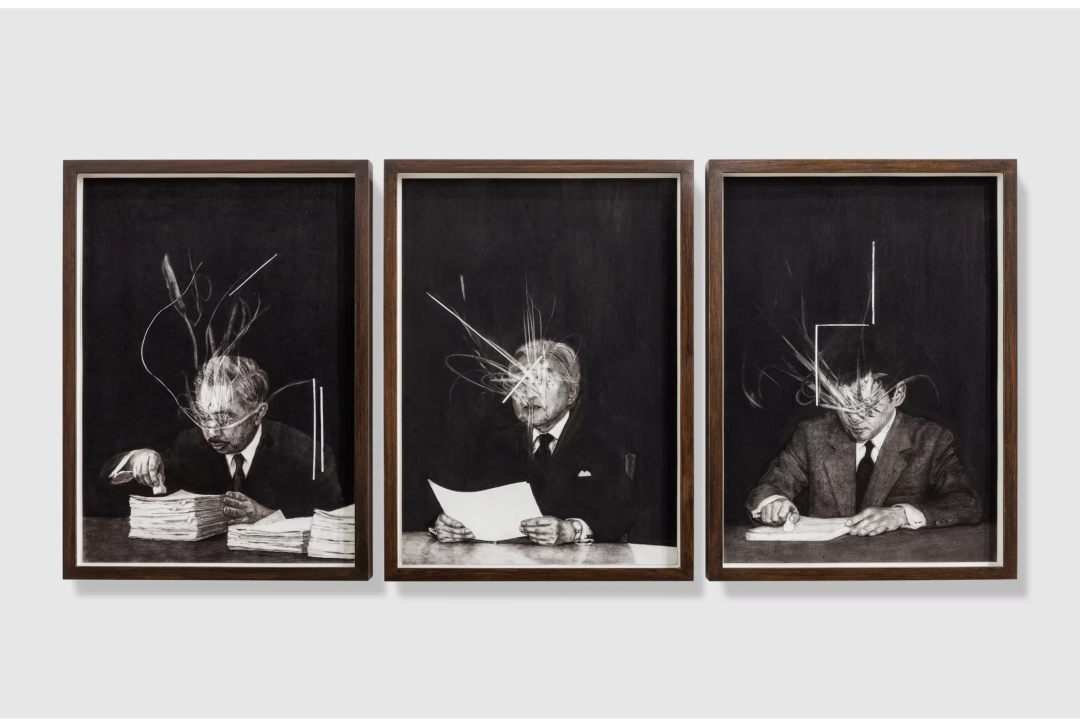
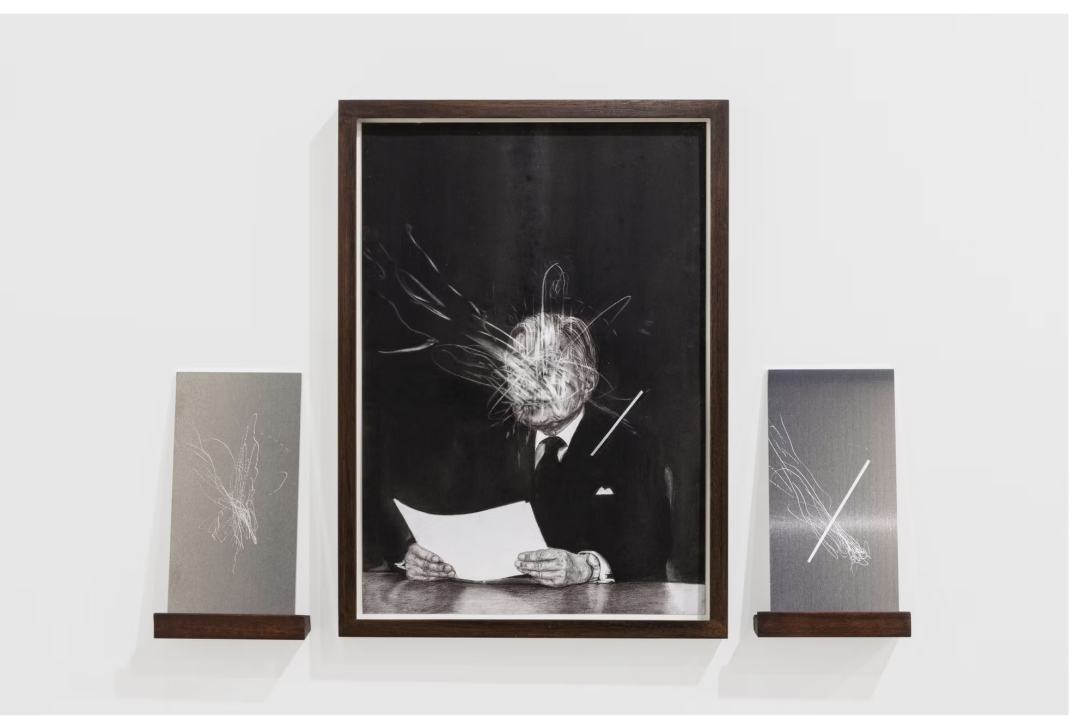
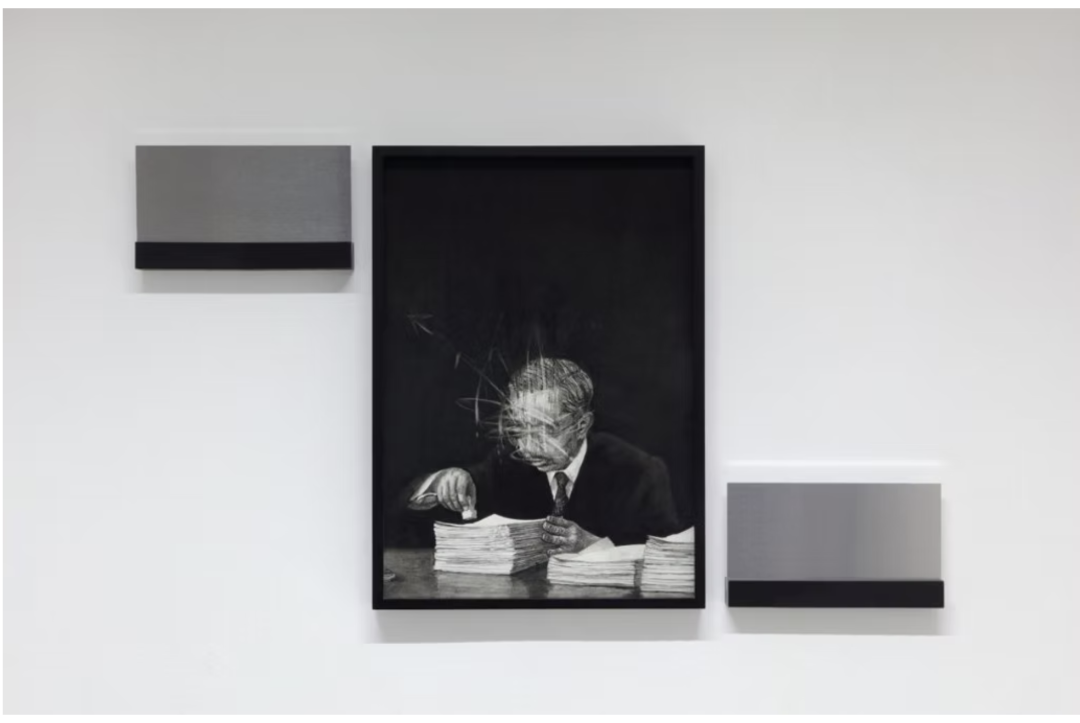
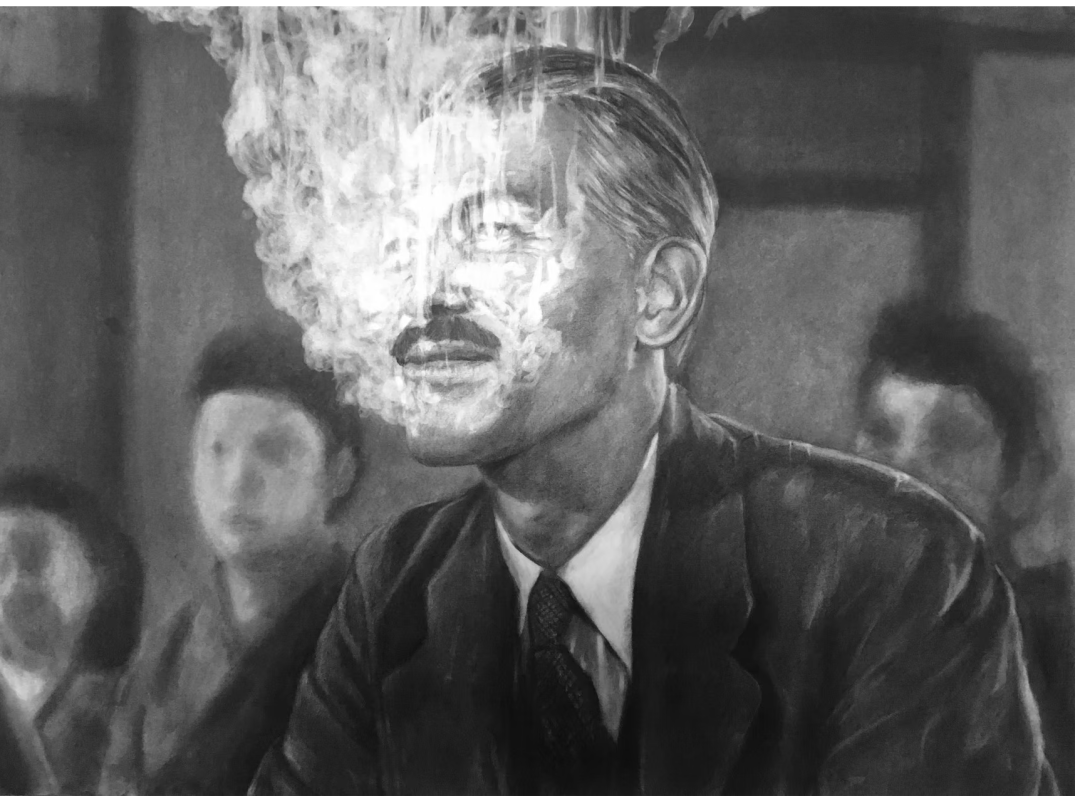
Koizumi used an eraser to deform a charcoal portrait of the Emperor. He deliberately destroyed the signifying system of the Emperor’s face, dissolving all recognisable emotion, and finally presenting a sign that no one can identify.
Under the Japanese constitution, the Emperor is the symbol of the state. Physiologically, he is of course an ordinary human being; yet within the social field, his body is subject to many constraints in order to fit this important role. Our brains perceive, recognise and interpret the faces of others as a system of signs—encompassing expressions such as smiling, anger, sadness and gravity, as well as the facial features of nose, eyes and mouth. It is precisely by interpreting the combinatorial manner in which these signs appear on the face that we achieve communication, understanding and emotional expression.
(2) A Cruel Supplement to ‘Relational Aesthetics’
Since the 1990s, ‘relational aesthetics’, proposed by the French curator Nicolas Bourriaud, has exerted a tremendous influence on contemporary art. It emphasises that the meaning of art arises from the interaction, cooperation and social situations between people. Yet relational aesthetics has also been criticised for often constructing a harmonious, pleasurable ‘micro-utopia’ that may sidestep real social contradictions.
1. From ‘Coexistence’ to ‘Confrontation’
Koizumi’s art can be seen as a cruel, confrontational supplement or correction to ‘relational aesthetics’. If the artists championed by Bourriaud, such as Rirkrit Tiravanija, create a sociality of ‘coexistence’ by cooking for the audience inside the museum, then Koizumi, by constructing a field saturated with power asymmetry and psychological pressure, reveals the more truthful relation of ‘confrontation’ between people.
His work reveals that any ‘relation’ is embedded with power, and any ‘interaction’ may be accompanied by violence. He transforms ‘relations’ from a warm social living room into a tense interrogation chamber. This direct gaze at the dark side of interpersonal relations provides another, sterner and more honest dimension for thinking about the social function of art. This resembles the practice of the Spanish artist Santiago Sierra, who frequently hires people from the social margins (such as undocumented migrants, the unemployed) to perform meaningless or even degrading labour, thereby exposing the naked relations of exploitation within the capitalist system. Both refuse to use art to whitewash the status quo, and instead insist on using art to reveal conflict.
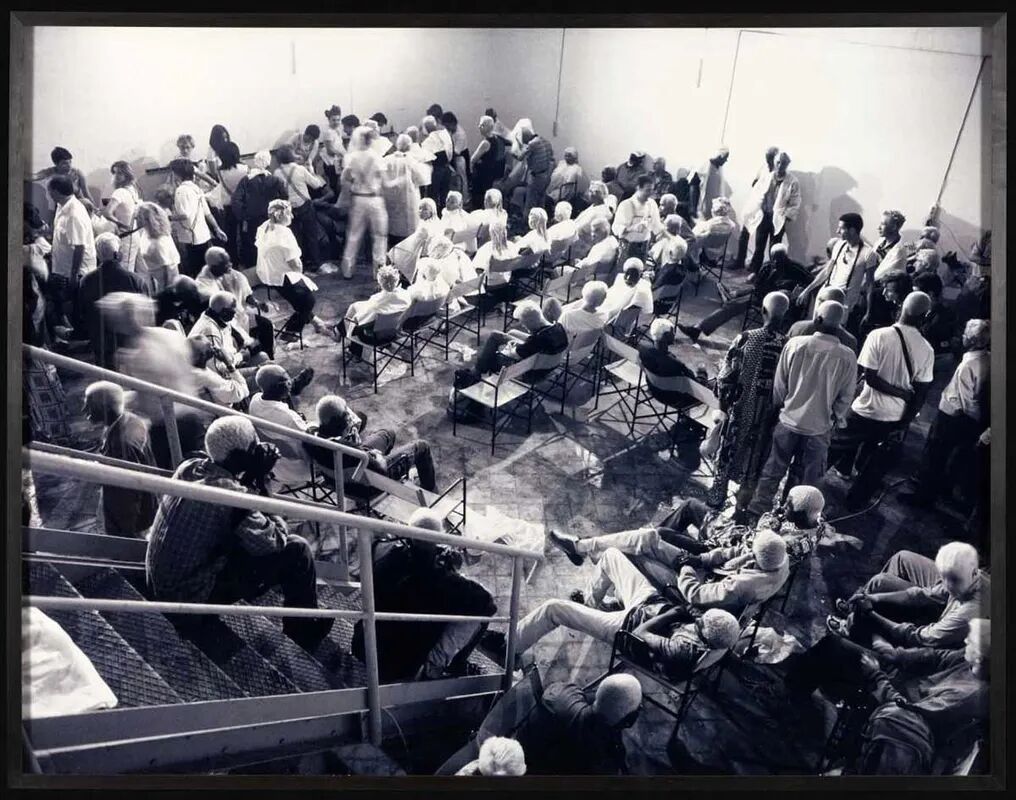
During the 2001 Venice Biennale, the artist Santiago Sierra asked local undocumented street vendors to dye their hair blond for 120,000 lire (approximately $60). The only condition was that participants had naturally dark hair. Many of the street vendors were immigrants from countries such as Senegal, Bangladesh or southern Italy.
2. The Limit of Ethics and the Viewer’s Responsibility
Koizumi’s creations continually push questions of artistic ethics to the forefront. Does he have the right to ‘exploit’ his performers in this way? Has this cruel psychological experiment already transgressed the boundary of art? These questions have no simple answers. Yet it is precisely this ethical ambiguity and provocation that constitutes part of the work’s power.
It forces us to think: where is the boundary of art? How far may an artist go in order to reveal a deeper social truth? More importantly, it transfers this ethical burden onto the viewer. As spectators, what role do we play in this ‘theatre of cruelty’? Does our gaze too participate in this violence? This emphasis on the viewer’s responsibility is one of the deepest legacies of his art. It refuses to let the viewer remain a passive, safe bystander, but instead draws us in, making us part of this moral dilemma.
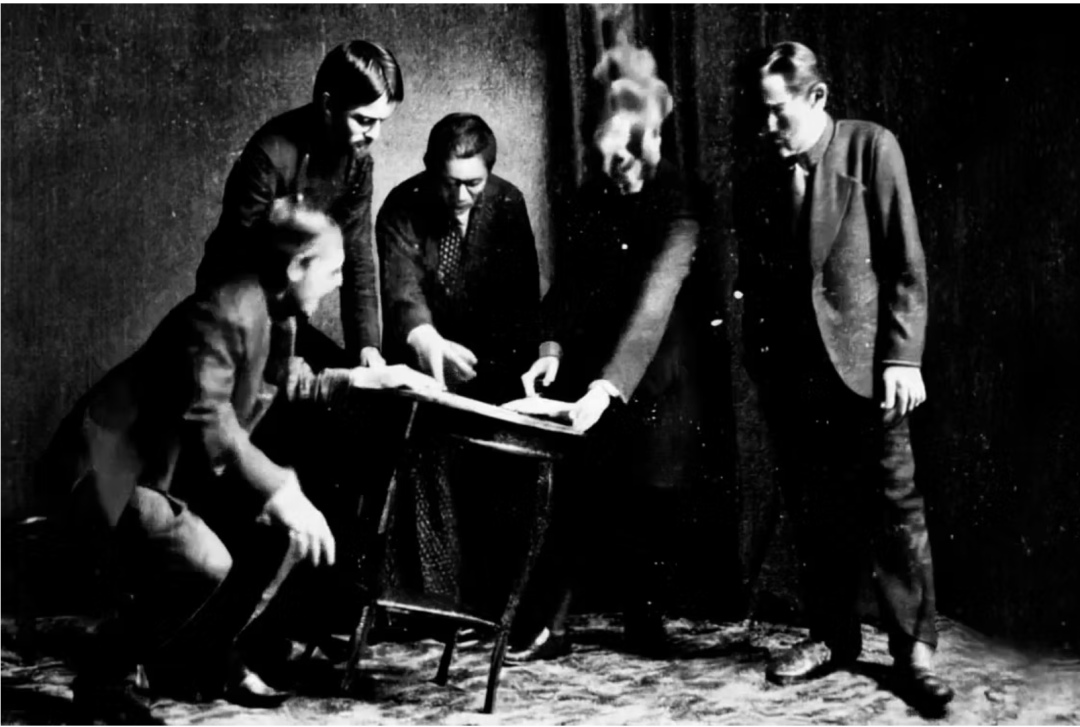
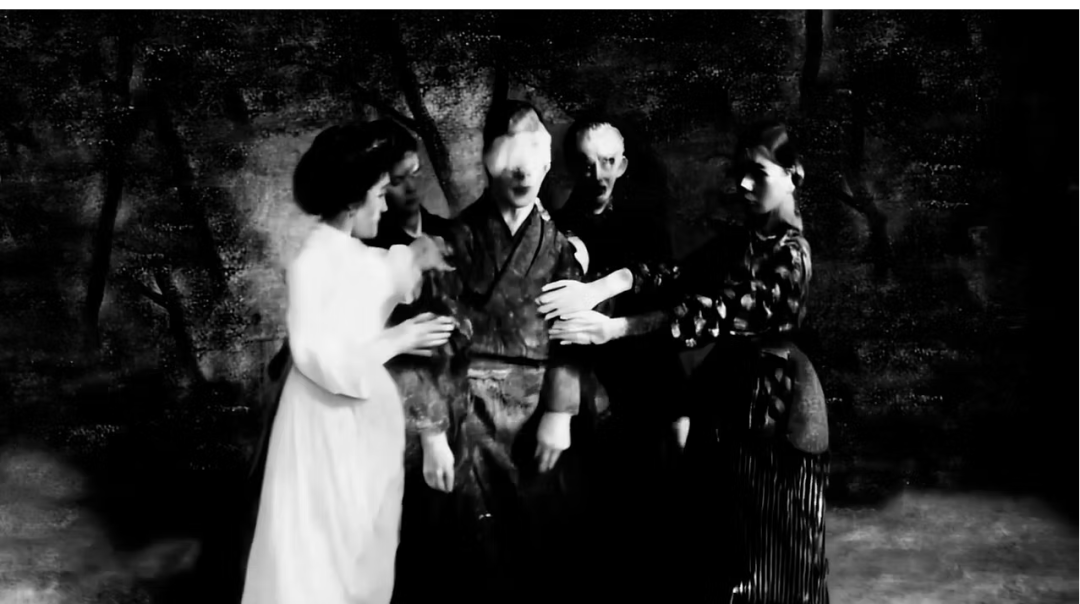
In 2025, Koizumi made his latest work, Soluble Meat, created with the help of an artificial-intelligence program called ‘Luma Dream Machine’. He fed the AI old black-and-white photographs of hypnosis-therapy scenes, with the prompt: ‘This is a tragic film about people losing their free will.’ The artist then repeatedly fed the algorithm-generated composite images back into the program, always using the same prompt. By repeating this process every five seconds, he ultimately produced a film in which indefinable events slowly unfold—the scenes feel familiar, yet are as illogical as a chaotic dream.
These uncanny image sequences were then imported into an AI program called ‘Google Gemini’ to be interpreted, generating the film’s narration. Although Koizumi regards the work as the ‘stream of consciousness of artificial intelligence’, he emphasises that human agency always presides behind the inputting of commands and the decision-making. This mode of creation recalls the ‘automatic writing’ technique adopted by the Surrealists a hundred years ago, through which artists then explored the deep world of the subconscious.
(3) Art as a Form of ‘Historical Work’
Ultimately, Koizumi’s art is a form of ‘historical work’ unique to itself. It is neither the documentary research of the historian nor the official commemoration of the politician, but an attempt, through the body and emotion, to re-‘activate’ and ‘process’ historical trauma.
He shows us that history is not merely a past written in books, but a spectre still living in the present, lurking in our bodies, our language and our unconscious. His work is like an exorcism, attempting to summon these spectres and confront them—even though the process is full of pain and danger. In a world where historical revisionism grows ever more rampant and nationalist sentiment is easily whipped up, Koizumi’s art offers an utterly vital antidote. In an uncompromising manner, it insists on the individual, corporeal, contradictory memory of pain, resisting all attempts to reduce history to a single, pure, heroic narrative.
He offers later artists—especially those creators from countries and regions that share a similarly complex background of historical trauma—a powerful methodology: bravely diving into the darkest corners of the national psyche, using art as a probe to touch those most painful, most forbidden zones. For only through such painful touching can genuine reflection and healing begin. Koizumi’s art tells us that sometimes the cruellest art is the most merciful.
Conclusion: Searching for Fragments of the Real amid the Hysterical
Koizumi’s art is a bitter yet necessary medicine for postwar Japan and for the contemporary world at large. With an almost cruel fixation, he turns his lens upon the core of the national spirit shrouded in the halo of the economic miracle and the mist of collective amnesia, revealing the trauma, repression and absurdity in its depths. His work constitutes a ‘theatre of cruelty’ of extreme discomfort, in which all myths of nation, history, hero and masculinity are torn to shreds amid hysterical cries and aphasic convulsions.
Koizumi’s creation is a precise response to the specific historical symptoms of postwar Japan. Whether the spiritual vacuum left after the Emperor’s ‘Humanity Declaration’, the collective evasion surrounding war responsibility, or the distorting moulding of masculinity by ‘salaryman’ culture—these profound social issues all become the raw material for the psychological experiments he repeatedly conducts in his art. He does not depict these problems, but re-‘enacts’ the psychological consequences they produce.
The unique artistic strategy he has developed—placing himself in the position of a power-filled ‘torturer’, turning the camera into a tool of interrogation, and making the collapse of language and the loss of bodily control his core means of expression—together constitute a powerful methodology of ‘affective intervention’. He bypasses the didacticism and representation of traditional political art, striking directly at the senses and subconscious of viewer and performer alike, and through the systematic manufacture of ‘discomfort’ compels an inescapable ethical and political reflection. His practice is not only a powerful supplement to and interrogation of ‘relational aesthetics’, but also offers a controversial yet highly illuminating paradigm for thinking about how, in a ‘post-critical’ age, art can preserve its critical edge.
Koizumi’s art is a ‘work of trauma’ that never ends.
In a manner bordering on sacrifice, he places himself and his collaborators at the centre of the storm, attempting, atop the ruins, amid runaway emotion and shattered language, to find even the slightest grain of truth about history and humanity. His work is a challenge to all those in power who seek to cover up individual pain with grand narratives, and a perpetual warning to each of us who, before the spectres of history, choose silence and forgetting. In a world increasingly pursuing comfort, harmony and ‘positive energy’, Koizumi’s art—with its resolute ‘dissonance’—defends the oldest and most precious mission of art: to speak the unsettling truth.
订阅艺术评论
订阅即赠《2024中国当代艺术关键词》内部思考笔记 PDF
每周免费获取最新当代艺术批评与研究