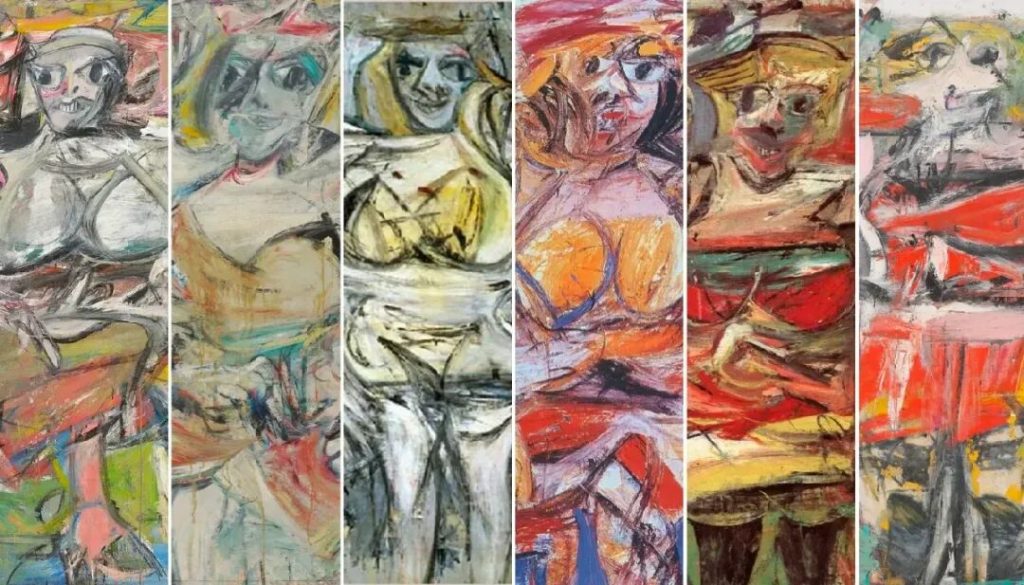
现代绘画的困境:坏画不坏,好画不真
绘画的判断标准从来不在画布上。先问一个看起来不需要问的问题:你是怎么知道一幅画画“坏”了?走进一间画室,墙上挂着一张半成品。人体模特坐在三米外,画布上的人形肩膀偏了两寸,膝盖的朝向和实际坐姿对不上,左手的结构像是从另一张画上搬过来的。任何一个受过一年素描训练的人都能指出这些错误。

绘画的判断标准从来不在画布上。先问一个看起来不需要问的问题:你是怎么知道一幅画画“坏”了?走进一间画室,墙上挂着一张半成品。人体模特坐在三米外,画布上的人形肩膀偏了两寸,膝盖的朝向和实际坐姿对不上,左手的结构像是从另一张画上搬过来的。任何一个受过一年素描训练的人都能指出这些错误。
Let me begin with a question that seems unnecessary to ask: how do you know that a painting has been painted “badly”?
In this age of AI’s furious ascent, how much dignity is left to realist painting?

写实底层逻辑的结束。开始探讨这个问题需要一个角度。1883年,一本国外杂志的编辑问了一个后来被反复引用的怪问题:如果一棵树倒在一座无人的岛上,它会不会发出声音?他们的回答是否定的。“声音是空气或其他介质被震动时,在耳朵中激发的感受。
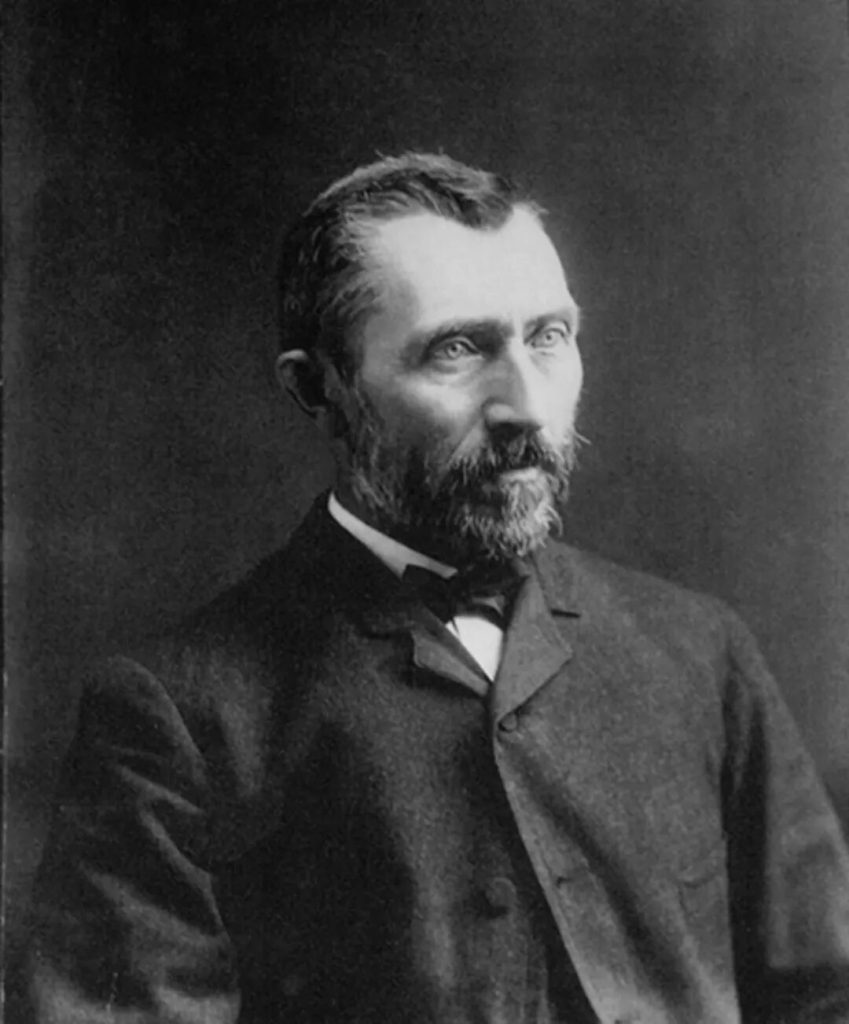
如何跳出艺术系统中“失败”的这道工序。谈论艺术家的失败,首先需要承认一个尴尬:在当代艺术的话语场里,“失败”已经被过度装饰了。它要么被包装成成功的前奏,“失败是成功之母”这种陈词滥调在工作室里流传了太多年,安慰着每一个展览被拒、方案落选的年轻人
Refusing to sentimentalise failure as the prelude to success or as moral posture, Li argues that failure is not an outcome but a necessary output of the contemporary art system’s operation. He analyses how that system manufactures failure and neutralises heterogeneity, then turns to the Chinese context to ask what capacities remain to artists judged to have failed, and whether such judgement must be treated as final.
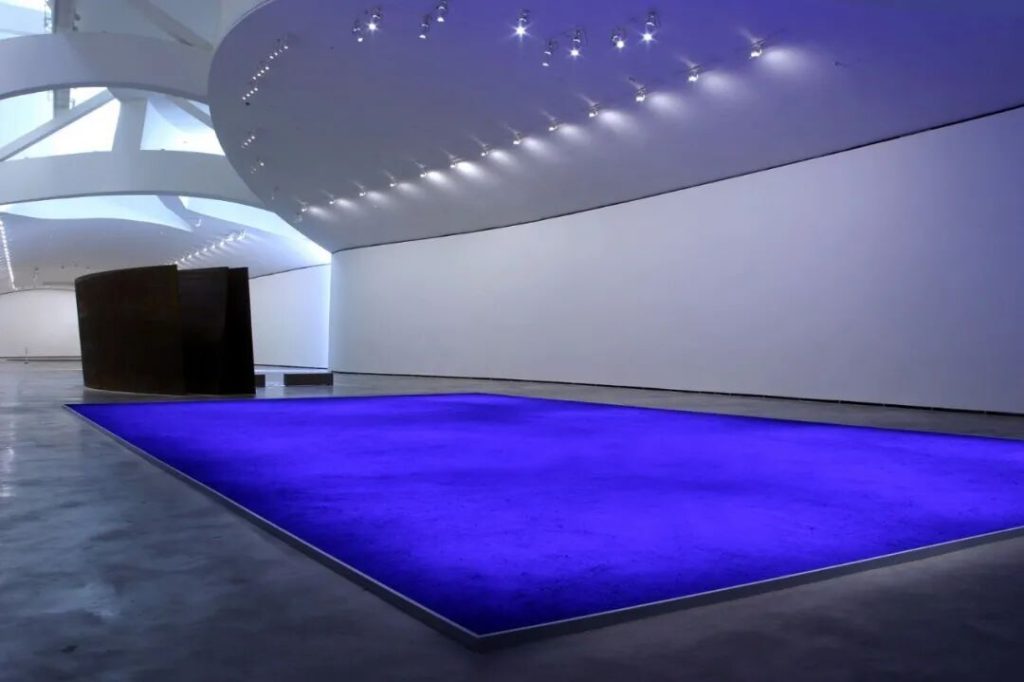
让一个“观念”从0到1的方法论。很多艺术家都经历过这样一种落差:脑子里忽然冒出一个极好的点子,兴奋地做出作品、挂上墙,可没过多久就发现它像一束烟花,亮一下就灭了。问题常常不在点子本身,而在它始终只是一个点子,一枚孤立的、聪明的、却无法继续生长的种子。
Extending his model of concept generation, Li uses Yves Klein’s International Klein Blue and Beuys’s practice as founding cases for growing a single idea into a system. The steps: mine the crack inside a concept, draft a programme addressed to oneself, let works generate one another rather than remaining isolated pieces, and practise self-historicisation. Three variables conditioning any such system close the essay.
Tracing artists’ sustained attachment to the empty garment since the later twentieth century, Li reads clothing as sign through Barthes’s Fashion System and follows the line from Beuys’s Felt Suit to contemporary practice across media. He argues the empty garment is full precisely because it is empty: a silent vessel carrying history, memory and future imagination, and a device for asking what remains when every outer layer is removed.
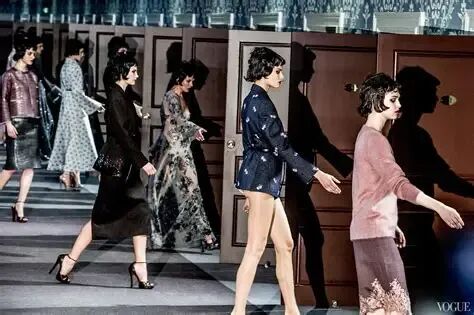
沉默的容器。人类文明演进的长河中,"蔽体"与"御寒"这两项功能向来被视为服装最原初、最无需论证的本体论起点。这种认知几乎是一种常识性的共识:衣服的存在,不就是为了包裹肉身、抵御风寒吗?自现代性以来,这层包裹肉身的"第二皮肤"便开启了一场漫长而复杂的意义嬗变。
获取最新当代艺术批评与研究,直接送达您的邮箱