作者姓名:李昱坤

English Writing

Art History Is a ‘Legitimate Fraud’ Written by the Survivors of Power

Li dismantles the machinery behind the canon: Medici patronage casting Renaissance taste, the CIA’s covert international promotion of Abstract Expressionism, and today’s auction hammer canonising living artists. He argues this process systematically occluded equally accomplished women, outsiders and dissenters, and that the purpose is not to deny the classics but to ask who decides which stars we are shown. Rewriting begins with the viewer’s gaze.


English Writing

Farewell to Habermas: The Coordinates He Left Are Our Last Instrument Against Barbarism

Written after Jürgen Habermas died on 14 March 2026. Surveying the theory of the public sphere, the shift from a philosophy of the subject to intersubjectivity, the dual structure of lifeworld and system, his debates with postmodernism and the museum as public sphere, Li argues that communicative reason remains the last instrument for recognising one another. Modernity, he concludes, is unfinished and requires new conversation.

制度分析, 李昱坤专栏

告别哈贝马斯:他留下的坐标,是防止世界滑向野蛮的最后工具

在“理想言谈情境”永远失效之后。法兰克福学派的最后一位巨人熄灭了灯火。全球知识界在悼念,但更多的是一种普遍的失语:在这个算法制造对立、热搜取代深思、争吵湮没对话的年代,我们失去的不仅是一位哲学家,更像是失去了最后一份关于“如何不滑向野蛮”的路线图。

English Writing

The Hunting of the Art Market: How Capital Logic Kills Art

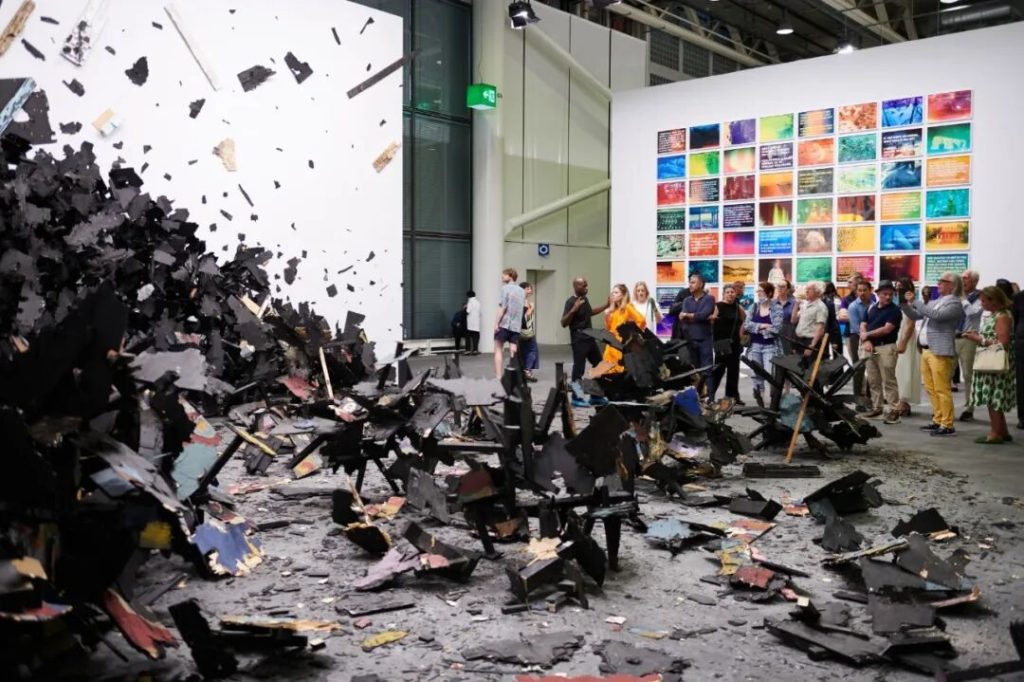
Beginning on the floor of Art Basel, Li analyses how mega-galleries squeeze the primary market and how secondary-market pricing and freeport tax avoidance jointly discipline art. He argues that what capital selects are defanged, safe objects, and that galleries may buy every masterpiece of the past yet never the future, which belongs to artists willing to offend while being ignored.

English Writing

How Did the Art World Kill the Art Critic, Step by Step?

Starting from the gap between compulsory positivity at openings and what the same people say in private, Li traces the critic’s loss of position through the economics of magazines, the equation of price and truth, and market structure. He argues that criticism’s negativity covertly affirms that art admits of better and worse, and that only a market with criticism allocates resources well.

制度分析, 李昱坤专栏

艺术圈是怎么一步步把艺术批评家“杀”死的?

传统意义上的“艺术批评家”已经没有了。这些年,每次走进任何一个当代艺术展的开幕式,都会立刻被一种精心策划的、近乎强制性的“积极氛围”所包围。空气中弥漫着香槟的气泡、画廊主殷勤的微笑和收藏家们低声的交谈。然而,在这种表面的繁荣之下,一种更深层次的沉默正在蔓延。

English Writing

New Year’s Eve Special: As the Year of the Horse Arrives, Contemporary Art Gives Us a Horse That Can Finally Stop

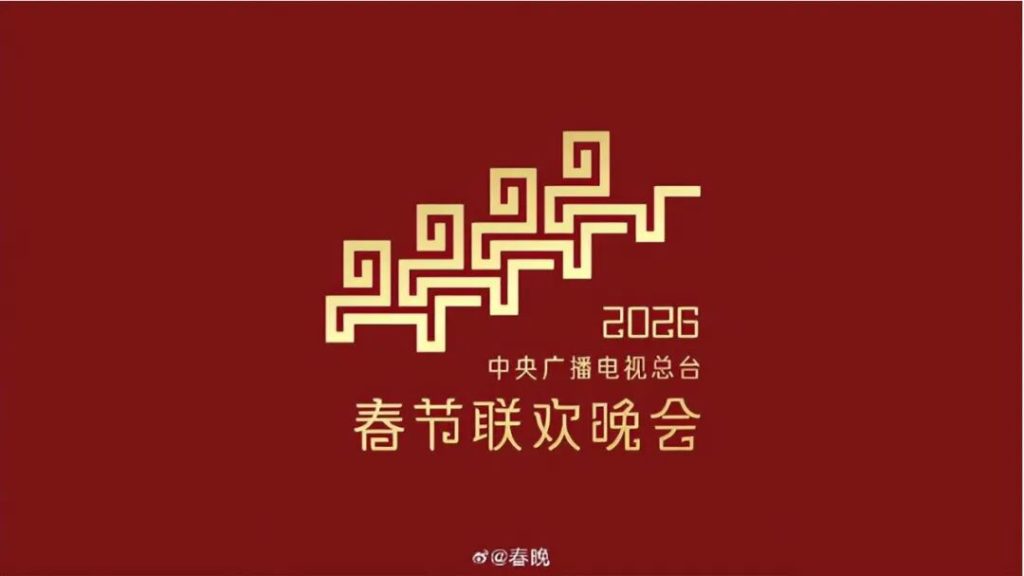
Tonight is the eve of the 2026 lunar Year of the Horse, the Bingwu year. Outside the window there may be the occasional firework, but far more pervasive are the dazzling blessings streaming across digital screens. Across the data flows of the internet and the timelines of social media, a semiotic carnival of the “horse” is underway. The main ident of the CMG Spring Festival Gala — inspired by the seal-script form of the character “horse” and fused with the imagery of galloping steeds — has long since become the visual point of departure for tonight’s narrative. In countless e-cards, brand posters and family-group stickers, galloping red horses and golden steeds carry the ancient wishes of the “dragon-horse spirit” and “swift success”, enveloping this night of farewell and welcome in an unprecedented density of pixels. Car brands have deftly exploited the character “horse” in their names to send New Year greetings to hundreds of millions of Chinese consumers, seamlessly stitching commercial logic onto folk symbols.

📬 免费订阅艺术评论
滚动至顶部

订阅艺术评论

获取最新当代艺术批评与研究,直接送达您的邮箱