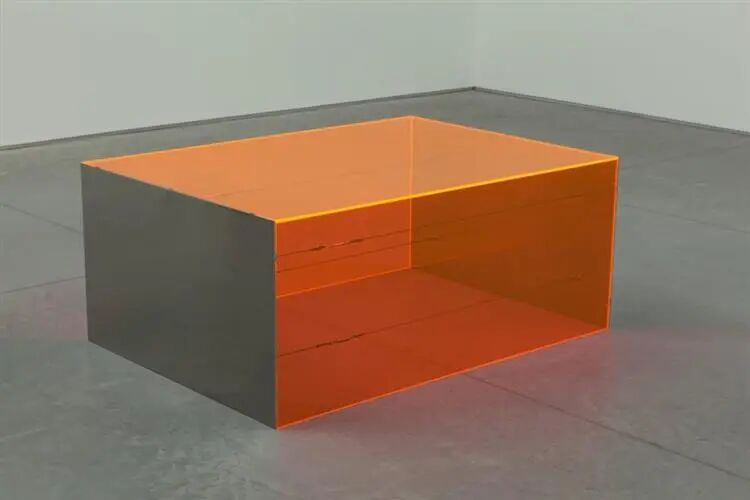
安东尼·葛姆雷:如何用”过时”的身体引爆当代雕塑?
身体是空间,不是物体。在20世纪70年代末,当雕塑家安东尼·葛姆雷从伦敦大学学院下属的斯莱德美术学院毕业时,具象雕塑在某种程度上已经“死亡”。回看当时那个时代,极简主义者用唐纳德·贾德的盒子和卡尔·安德烈的砖块清除了雕塑的叙事性与情感性,使其成为纯粹的物体与空间的对话。

身体是空间,不是物体。在20世纪70年代末,当雕塑家安东尼·葛姆雷从伦敦大学学院下属的斯莱德美术学院毕业时,具象雕塑在某种程度上已经“死亡”。回看当时那个时代,极简主义者用唐纳德·贾德的盒子和卡尔·安德烈的砖块清除了雕塑的叙事性与情感性,使其成为纯粹的物体与空间的对话。
Set in the late 1970s context in which figuration in sculpture had been declared dead, this essay follows Antony Gormley through eight phases: escaping the trap of expressionism, moving from the singular body to collectives and social sculpture, intervening in landscape, and arriving at the body as architecture and as energy field. Li closes with ten transferable strategies, among them turning limitation into resource.
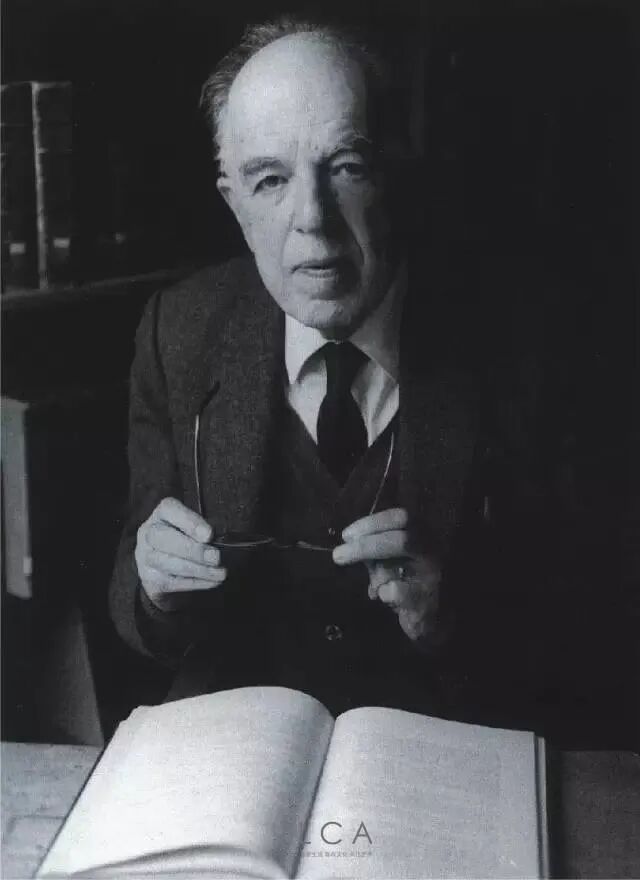
为什么“没有艺术,只有艺术家”?恩斯特·贡布里希,这位二十世纪最伟大的艺术史家之一,以其渊博的学识、清晰的逻辑和优雅的文笔,塑造了我们数代人对艺术的认知。他的煌煌巨著《艺术的故事》以其前所未有的晓畅与睿智,将无数人引向艺术的殿堂,至今仍是这一领域难以逾越的典范。
In a 2026 of saturated images, where social media and artificial intelligence reorganise how we see, Li reconsiders Gombrich’s rational, empirically grounded art history and asks whether it has become dated. His answer to Gombrich’s fear that anything goes: the distinctions between significant and insignificant work, and between honest enquiry and posture, still hold — and learning to make them is the usable inheritance.
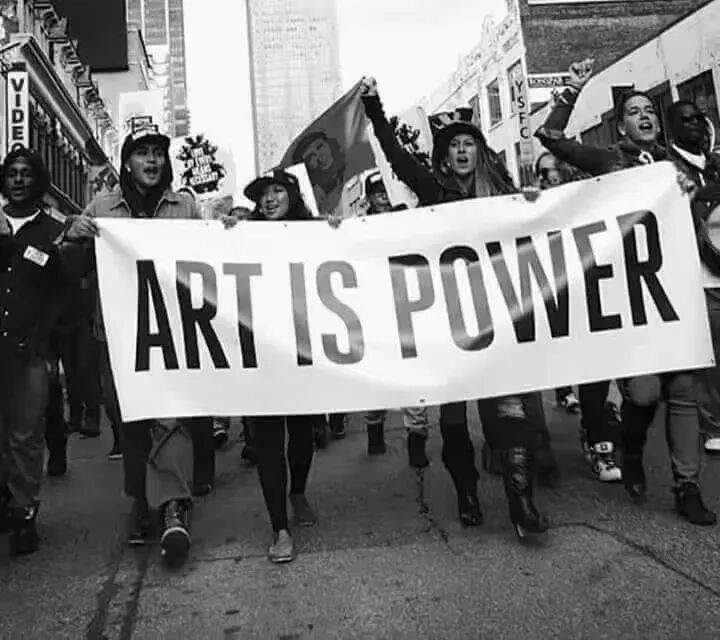
2026,艺术何为?2026年伊始,回望过去数十年中国当代艺术的激荡历程,我们清晰地看到,一个由传统与当代、政治与市场、社会与日常、技术与媒介这四个维度相互交织构成的坐标系曾深刻地塑造了艺术家的创作。然而,时至今日,这个坐标系的内在张力与外部环境都已发生了根本性的嬗变。

艺术家的困境并非偶然的个体遭遇,而是场域结构的必然产物。本文梳理出100个当代艺术家所可能遇到的最核心的困境,共十个维度,没有宏大叙事,基本都是艺术家这一职业日常要面对的真实难题,映照着这个时代下艺术家这一职业的集体困境。
Set against post-pandemic psychology, the reorganisation of globalisation, accelerating technology and a restructuring market, Li offers a four-part frame — identity, value, practice, media — for Chinese artists entering 2026. He holds that sincerity, thought and innovation are inseparable, forming a core of artistic value exceeding nationality, medium and price, and that when no external standard holds, artists must rebuild one inwardly. The essay is addressed to makers working now without a reliable map.
Listing one hundred core predicaments across ten dimensions — conflicts between mental and material production, between individual expression and social rules, between inherited models and technological change — Li argues these are not private misfortunes but necessary products of the field’s structure. Because structure produces them, structure admits remedies; he undertakes to work through each using theory, industry norms, law and commercial logic.
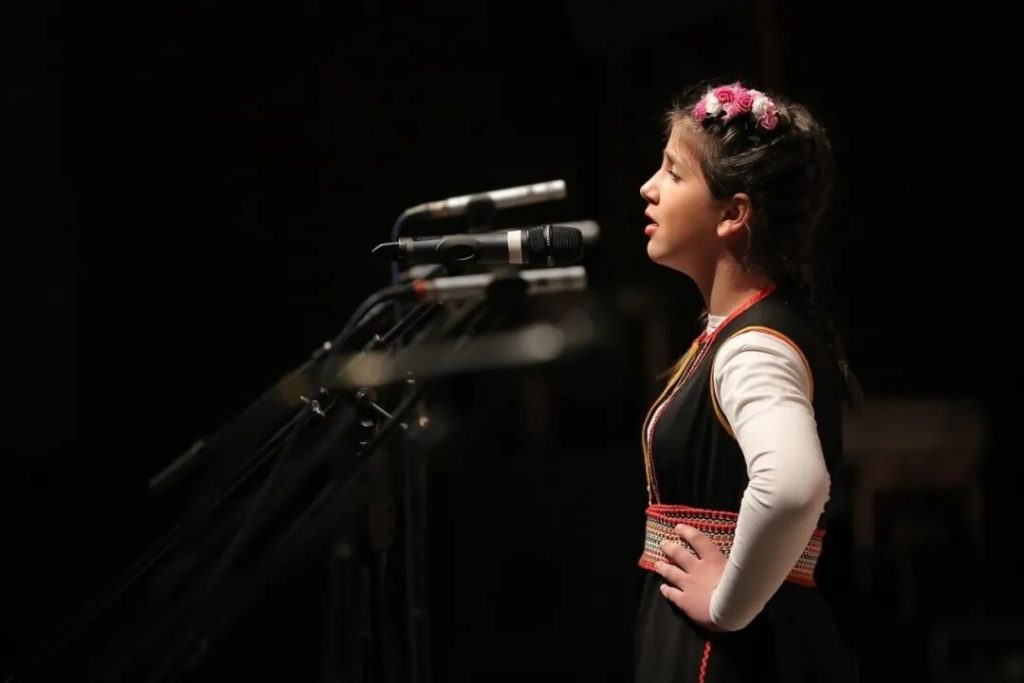
如何在作品中增加“批判性”的力度和厚度?一件当代艺术作品当中,“批判性”无疑占据着核心地位。它常视为当代艺术的灵魂,也是其区别传统美学、现代主义形式探索或区别于纯粹装饰艺术的关键所在。批判性使艺术超越单纯的视觉愉悦,成为一种审视社会、质疑权力、反思历史、探索人类存在境况的思想媒介。
Drawing historical analogies from the collapsible paint tube and photography to generative AI, Li answers artists’ anxiety about replacement by surveying what AI has already done inside auction houses, galleries and local practice. He offers operative directions: becoming a sophisticated prompter, building generate–feedback–iterate workflows, insisting on locality and site, and returning to craft, materiality and process rather than competing with machines on finish.
获取最新当代艺术批评与研究,直接送达您的邮箱