观察、介入与转译:构建当代艺术“批判性”的完整行动路径
如何在作品中增加“批判性”的力度和厚度?一件当代艺术作品当中,“批判性”无疑占据着核心地位。它常视为当代艺术的灵魂,也是其区别传统美学、现代主义形式探索或区别于纯粹装饰艺术的关键所在。批判性使艺术超越单纯的视觉愉悦,成为一种审视社会、质疑权力、反思历史、探索人类存在境况的思想媒介。

如何在作品中增加“批判性”的力度和厚度?一件当代艺术作品当中,“批判性”无疑占据着核心地位。它常视为当代艺术的灵魂,也是其区别传统美学、现代主义形式探索或区别于纯粹装饰艺术的关键所在。批判性使艺术超越单纯的视觉愉悦,成为一种审视社会、质疑权力、反思历史、探索人类存在境况的思想媒介。
Drawing historical analogies from the collapsible paint tube and photography to generative AI, Li answers artists’ anxiety about replacement by surveying what AI has already done inside auction houses, galleries and local practice. He offers operative directions: becoming a sophisticated prompter, building generate–feedback–iterate workflows, insisting on locality and site, and returning to craft, materiality and process rather than competing with machines on finish.
Written for the anniversary of Hannah Arendt’s death on 5 December. Moving from her analysis of the origins of totalitarianism through the banality of evil to the threefold active life of labour, work and action, Li argues that the disappearing public realm is modernity’s central crisis. Thinking, speaking and acting with others remain capacities available to every newcomer, and her work is read as an invitation to begin again.
Cataloguing twenty-four formulae that wear contemporary form without contemporary substance — endlessly replicated political pop, cheap translation of tradition, philosophical padding, pseudo-social engagement, oversized canvases and more — Li argues that such work steals both the name of art and the value of contemporaneity. Answering it requires not better marketing but an independent critical ecology and patient patronage. The twenty-four patterns are named so that they can be recognised and refused.
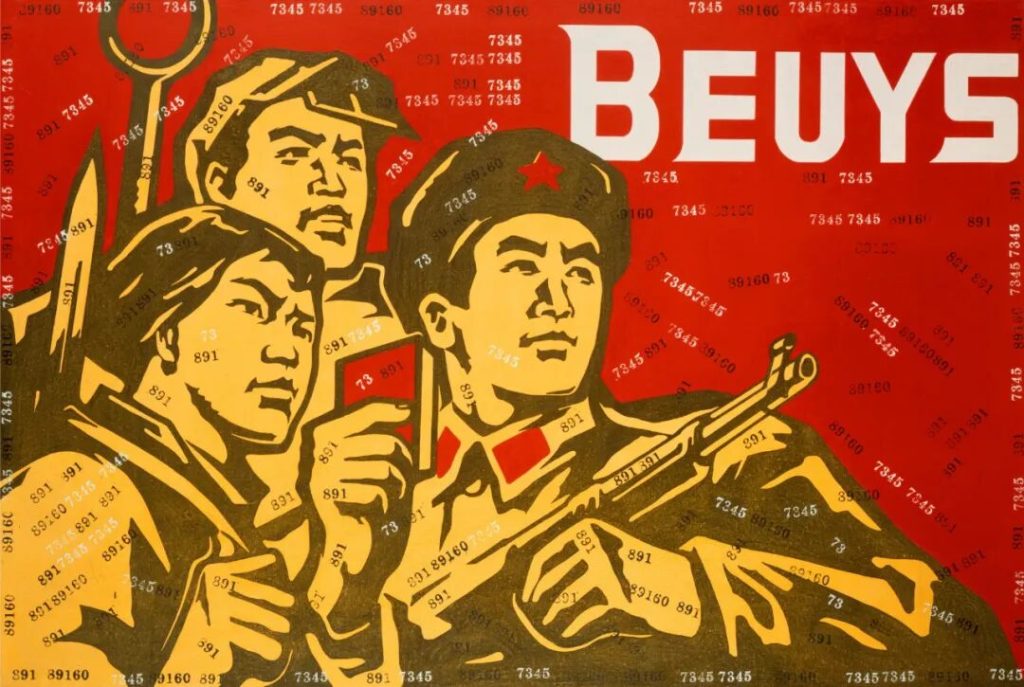
既窃取了“艺术”的名义,又窃取了“当代性”的价值。在中国当代艺术的繁荣景象的背后,一种“伪当代”的创作趋势日益明显。这类作品往往只具备当代艺术的形式特征,例如挪用、拼贴、观念化与符号化等手法,却缺乏真正的学术深度、社会关怀与个性化的真诚表达。
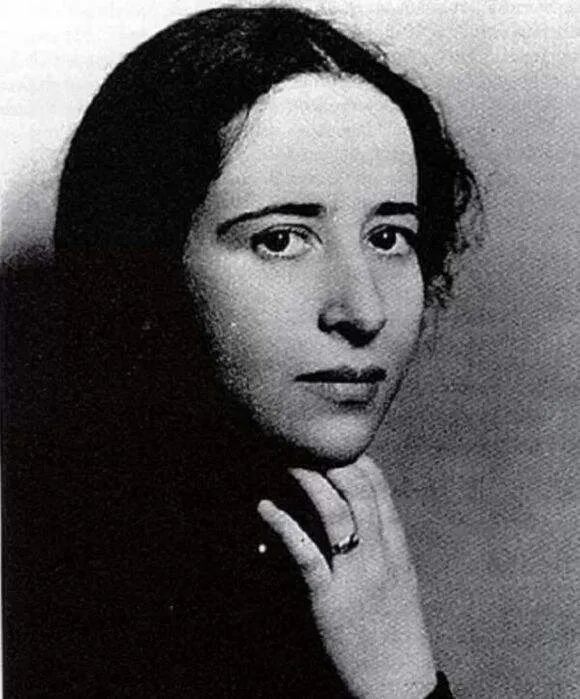
最困难的是爱这个世界的本真面貌。每年的12月5日是汉娜·阿伦特(HannahArendt)逝世纪念日。这位二十世纪颇具争议性的思想家以其独特的“局外人”视角,深刻剖析了现代性的政治困境。她一生颠沛流离,从纳粹德国的阴影中逃离,最终在美国找到了思想的栖身之所,但她始终保持着对任何固定身份和意识形态的警惕。

一种当代艺术的“观念”生成模型。本文旨在探讨当代艺术家创作当中的“观念”是如何形成的,并阐述一个艺术家创作方法论的“观念”生成模型。在艺术的定义与边界日益模糊的后历史语境中,理解一位艺术家如何确立其创作的合法性、独特性与方法论,已经成为当代艺术研究的核心议题。
The first essay in the author’s series on contemporary artistic method. Rejecting static formulas, Li proposes a dynamic model of concept generation in which practice emerges from five interacting forces: historical coordinates, social context, awareness of medium, conceptual core and personal experience. He closes with artificial intelligence, posthumanism and the Anthropocene as emergent drivers, making this the key to his later essays.
Li addresses what he calls Xiong Shili’s eloquent absence from art discourse: although Xiong wrote no systematic aesthetics, his New Treatise on the Uniqueness of Consciousness — fusing Yogācāra Buddhism, Confucian learning of the heart-mind and the Book of Changes — supplies an ontological ground for Chinese art more fundamental than any treatise. Returning to this root is presented as the only way forward.
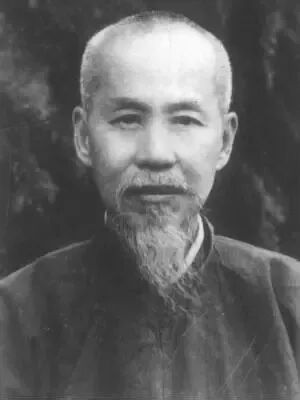
除了“返本开新”,我们无路可走。熊十力先生(1885-1968)作为二十世纪中国哲学界最具原创性与精神感召力的思想巨擘,以其镕铸佛学唯识宗、儒家心学与《周易》大化思想于一炉的“新唯识论”哲学体系,为现代中国哲学重塑文化主体性、再造精神宇宙开辟了一条崎岖而壮阔的道路。
获取最新当代艺术批评与研究,直接送达您的邮箱