When you stand before a masterpiece in a museum, awed or bewildered, has a thought ever flashed through your mind: why is it these works, and not others, that hang here and are called “great”?
Textbooks tell us that art history is a galaxy strung together by genius. But if we lift the veil of this romantic filter, we find that history may be a tampered-with script. The Medici family cast the taste of the Renaissance in gold; the CIA once secretly propelled Abstract Expressionism upon the world; and today the hammer of Sotheby’s canonises living artists on the spot.
What this essay sets out to dismantle is precisely the logic of power and capital that lies behind art history. We shall see, beside those masters bathed in glory, how equally brilliant women, strangers and rebels were systematically obscured. This is not to deny the canon, but to ask: who decides what constellation of art we are allowed to see?

For a long time, the public’s understanding of art history has been steeped in a romantic illusion: that art history is a brilliant galaxy woven from the divine sparks of genius, and that great artists, by virtue of their extraordinary talent and immortal works, naturally settled into the river of history and were at last enshrined in the temple called the “canon.” This narrative resembles the heroic epic Vasari composed for the masters of the Renaissance in his Lives of the Most Excellent Painters, Sculptors, and Architects, emphasising the individual’s sacred gift and the inherent linear evolution of art. Yet this seemingly pure and unquestionable narrative is precisely the first illusion we must deconstruct.
The “art history” we see is not a natural history of selection based on pure artistic value. This is not to deny wholesale the aesthetic, technical and intellectual heights of canonical masterpieces, but to stress that pure artistic value alone is insufficient to pave the road to the “canon.”
The “art history” we see is, rather, a narrative text woven, filtered and tampered with by power, capital, gender, geopolitics, ideology and even pure contingency. It is more like a manifesto of the victors-aa-an endorsement, by those groups who, in a given historical period, held the discursive power to define “what is art” and “who is an artist,” of their own taste, interests and ideology. There is no single, objective, pure art history; there is only the art history that is told and accepted.
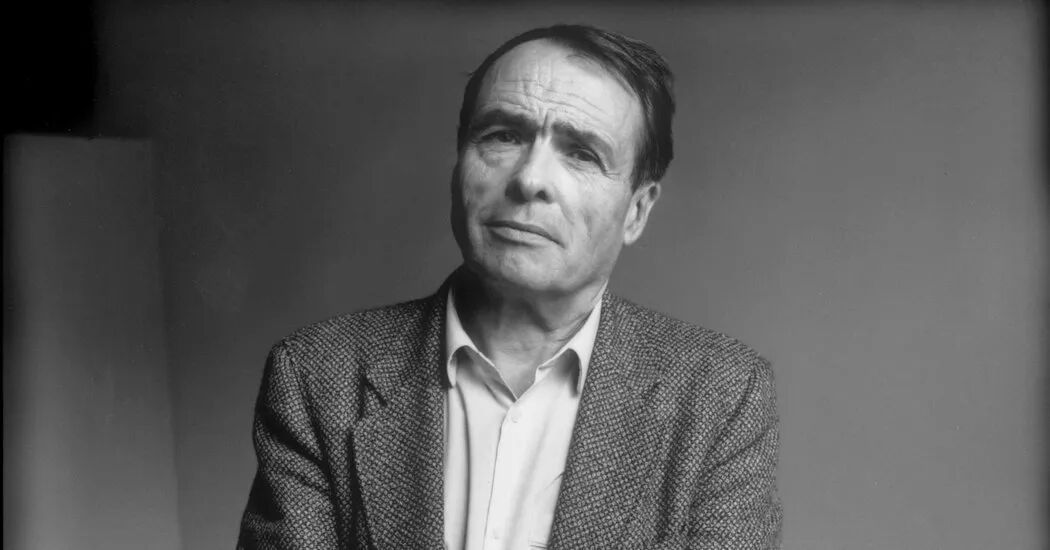
To take apart this seemingly impregnable temple, this essay draws on certain sociological and philosophical ideas. The “field theory” of the French sociologist Pierre Bourdieu furnishes us with a crucial theoretical frame. Bourdieu held that the art world is not a pure spiritual domain but a “field” full of struggle. Within this field, various actors-artists, gallerists, curators, critics, collectors and museum directors-contend with one another for “cultural capital” and “symbolic capital.” In 1996, in his book The Rules of Art, Bourdieu stated plainly that the value of an artwork is not intrinsic to the work itself but is conferred and recognised by the power structure of the field. Whether a work can be regarded as “great” depends on whether it has been “consecrated” by the actors who hold legitimate power within the field. Whoever holds the power to “consecrate” holds the pen that writes art history.
Echoing this is the “institutional theory of art” advanced by the American philosophers Arthur Danto and George Dickie. In his groundbreaking 1964 essay “The Artworld,” published in The Journal of Philosophy, Danto argued that an ordinary object becomes a work of art because it is placed within an “artworld” atmosphere composed of art theory and art-historical knowledge. It is this “artworld” that bestows upon it the identity of art.
In his book Art and the Aesthetic: An Institutional Analysis, Dickie then made this concept concrete: the “artwork” is an artefact to which the agents of a particular social institution-the “artworld” (artists, curators, critics and the like)-have granted the “status of candidate for appreciation.” In other words, what determines that Duchamp’s urinal is a work of art rather than a sanitary fixture is not its physical properties but the collective decision of the “institution” of museum, curator and critic, followed by the public’s forced acceptance and reinterpretation of its “artistic identity” amid shock, mockery and debate. Without the public’s attention, the institution’s “naming” loses its echo chamber.
We must therefore acknowledge: from the very beginning, art history was never a natural process but a process of construction, selection and narration. Behind it lurks the spectre of power and capital at all times. Following the thread of history-from the patronage age of the pre-modern era, through the critic’s hegemony of modernism, to the financialisation of contemporary art-this essay peels back layer by layer the resplendent filter called “art history,” examining the artistic landscape that has been shaped, obscured and forgotten by the hands of power and capital. Through detailed archival comparison and cold market-data analysis, we shall ask: who decides what we see? And how, systematically, was the light of those forgotten stars extinguished?
I. The Ancient Covenant of Power and Money: the Patronage Filter of Pre-modern Art
Before the modern art market took shape, the discursive power over art history rested firmly in two hands: theocracy and royal authority. Artists were not the independent creators we understand today; they were more like highly skilled craftsmen whose subject matter, style and even whether they would be recorded by history depended entirely on their patrons. In this era, the narrative of art history was less a history of stylistic evolution than a chronicle of patrons’ taste and the succession of power.
(1) The Golden Age of the Medici: a Family’s Taste as the Art History of Florence
When we speak of the Renaissance, the Medici family of Florence is a name we cannot bypass. This grand house, which made its fortune in banking, accumulated wealth to rival nations through its vast financial empire-the Medici Bank-and on that basis intervened deeply in the political and cultural life of Florence and indeed all of Europe. Their patronage of the arts was not born of pure aesthetic appetite but was a carefully calculated political investment and cultural statement. As the historian Paula Findlen has observed in her research, patronage in the Renaissance was “a complex exchange of social, political and spiritual capital.”
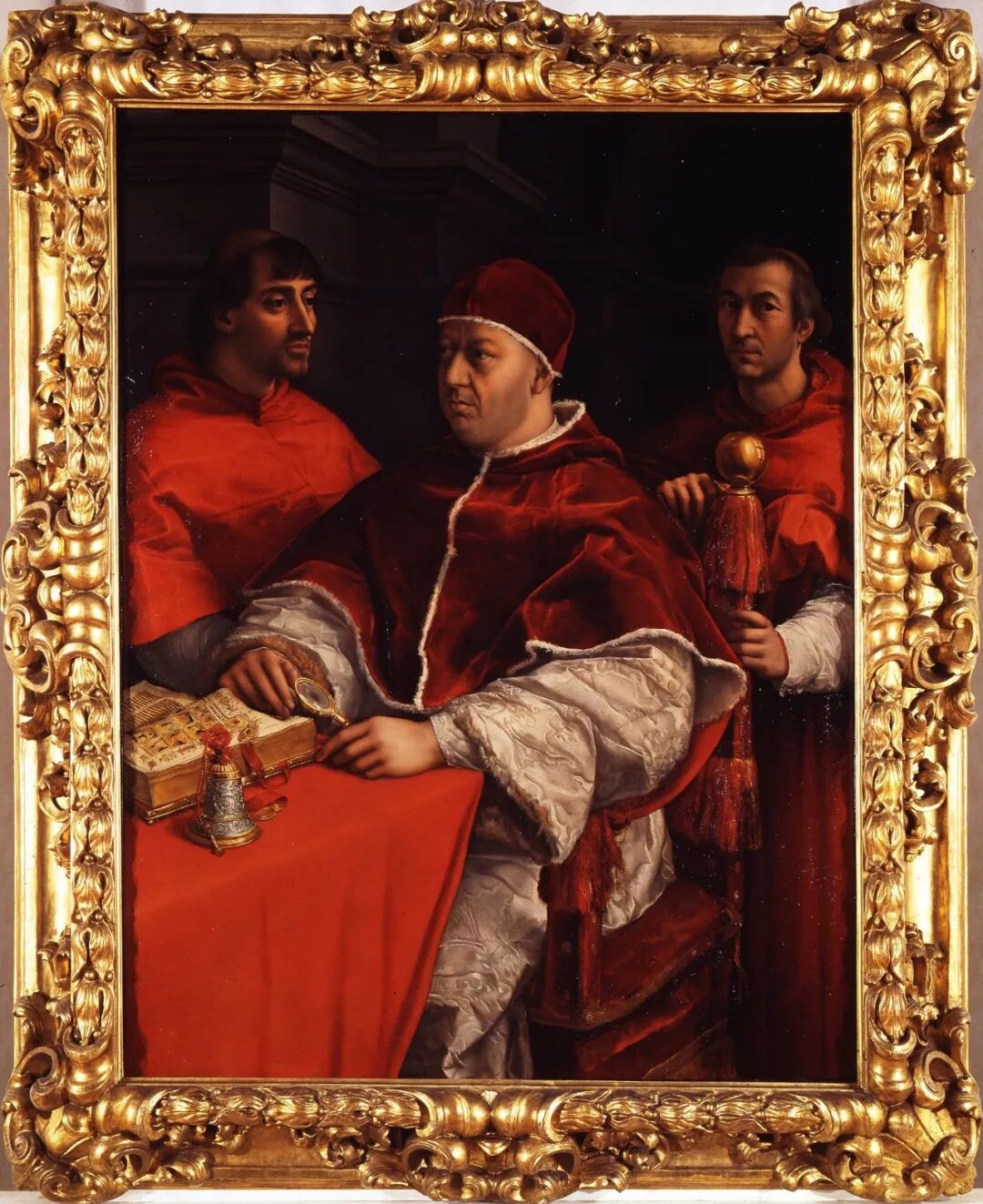
Raphael Sanzio’s panel painting Portrait of Pope Leo X with Cardinals Giulio de’ Medici and Luigi de’ Rossi (Portrait of Pope Leo X with Cardinals Giulio de’ Medici and Luigi de’ Rossi). At the centre is Pope Leo X (Giovanni de’ Medici), a pivotal pope of the Renaissance and a member of the Medici family. At right, the cardinal Giulio de’ Medici, later Pope Clement VII and cousin to Leo X.
Cosimo de’ Medici and his grandson “Lorenzo the Magnificent” (Lorenzo de’ Medici) are the finest examples of this age. They not only lavished generous patronage on artists such as Donatello, Botticelli and Michelangelo; more importantly, they defined the artistic standards of the age through their own taste. Lorenzo established a Platonic Academy in his palace, gathering the foremost humanist scholars and artists of the time into an elite cultural circle. To enter that circle was itself a form of “consecration.” The themes artists pursued often revolved around Neoplatonic philosophy or served to glorify the Medici family-and these works came to constitute the core of what we understand as Renaissance art.
Here the structure of power is laid bare. Through patronage, the Medici transformed their wealth into cultural prestige, thereby consolidating the legitimacy of their rule in Florence. The buildings they funded-such as the Basilica of San Lorenzo, designed by Brunelleschi-became both urban landmarks of Florence and permanent monuments to Medici power.
Thus the art history of the Florentine Renaissance as we know it today is, to a great extent, “the art history the Medici wished us to see.” Those artists who failed to match the family’s taste or secure its patronage, however consummate their skill, rarely left their names in history. What survived were the artists who successfully embedded themselves in the networks of power. Masaccio, hailed as “the first master of the Renaissance,” owed his brief but brilliant career no less to the patronage of wealthy families such as the Brancacci.
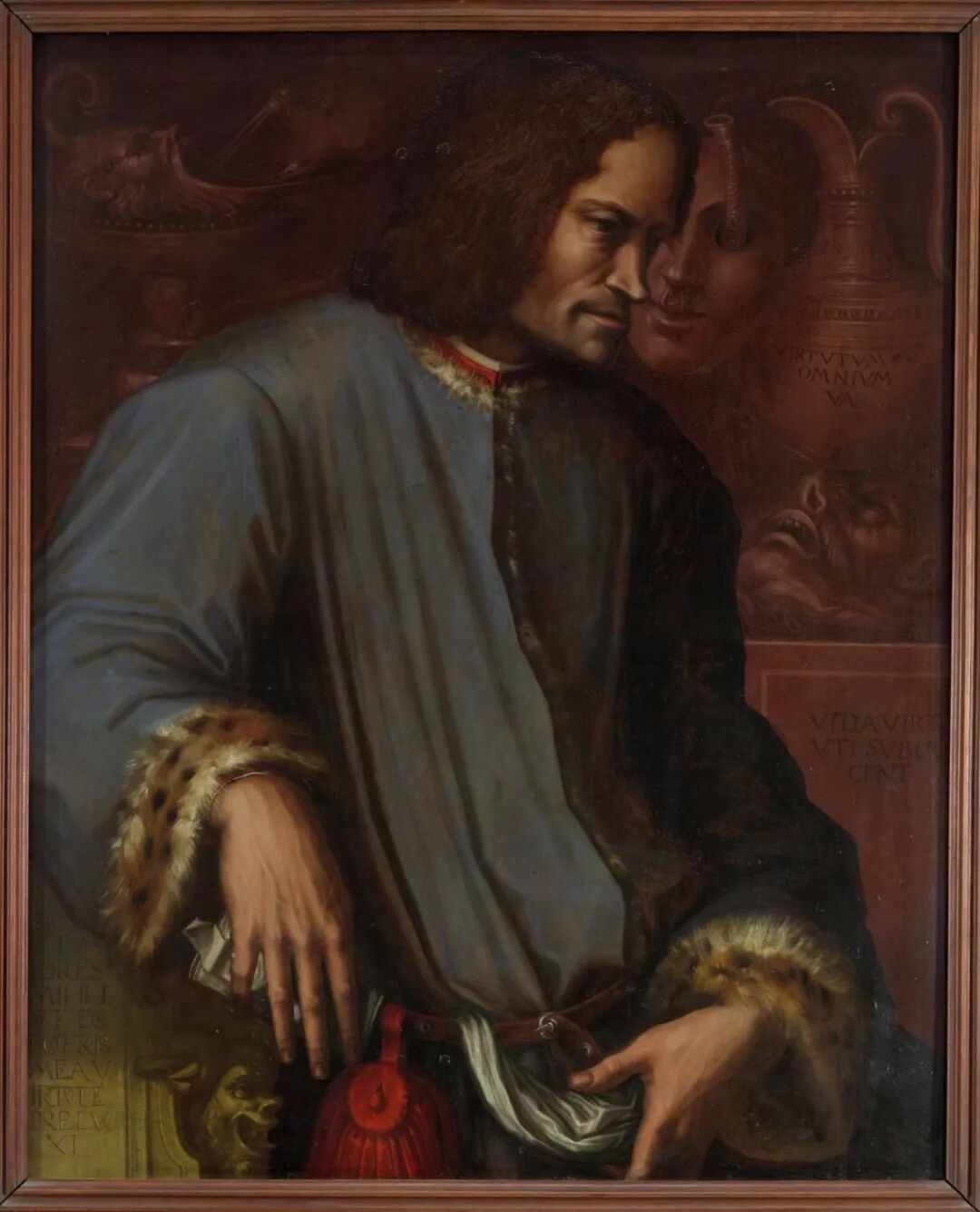
Giorgio Vasari’s panel painting Portrait of Lorenzo the Magnificent. The sitter, Lorenzo de’ Medici, was the leader of the Medici at their zenith; he single-handedly propelled the golden age of the Florentine Renaissance and patronised masters such as Botticelli and Michelangelo.
(2) The Iron Hand of the Academie des Beaux-Arts: Discipline in the Age of the Salon
If the Medici represent patronage power organised around a family, then by seventeenth- and eighteenth-century France the discursive power over art had become highly institutionalised, concentrated in the Academie des Beaux-Arts, backed by state power. The Academie Royale de Peinture et de Sculpture, founded in 1648 by Louis XIV’s finance minister Colbert, had a very clear purpose: to make art an instrument for consolidating absolute monarchy and proclaiming the glory of French culture.
The Academy established a rigorously hierarchical system of artistic judgement. History painting (depicting religion, myth and momentous historical events) sat at the apex of the pyramid, followed by portraiture, genre painting and landscape, with still life at the very bottom. This hierarchy prescribed not only the ranking of subjects but also the social standing and income of artists. By controlling the sole official exhibition platform-the Paris Salon-the Academy monopolised the entire French art world for nearly two centuries. For artists of the time, whether one was accepted by the Salon and praised there was a matter of life and death.
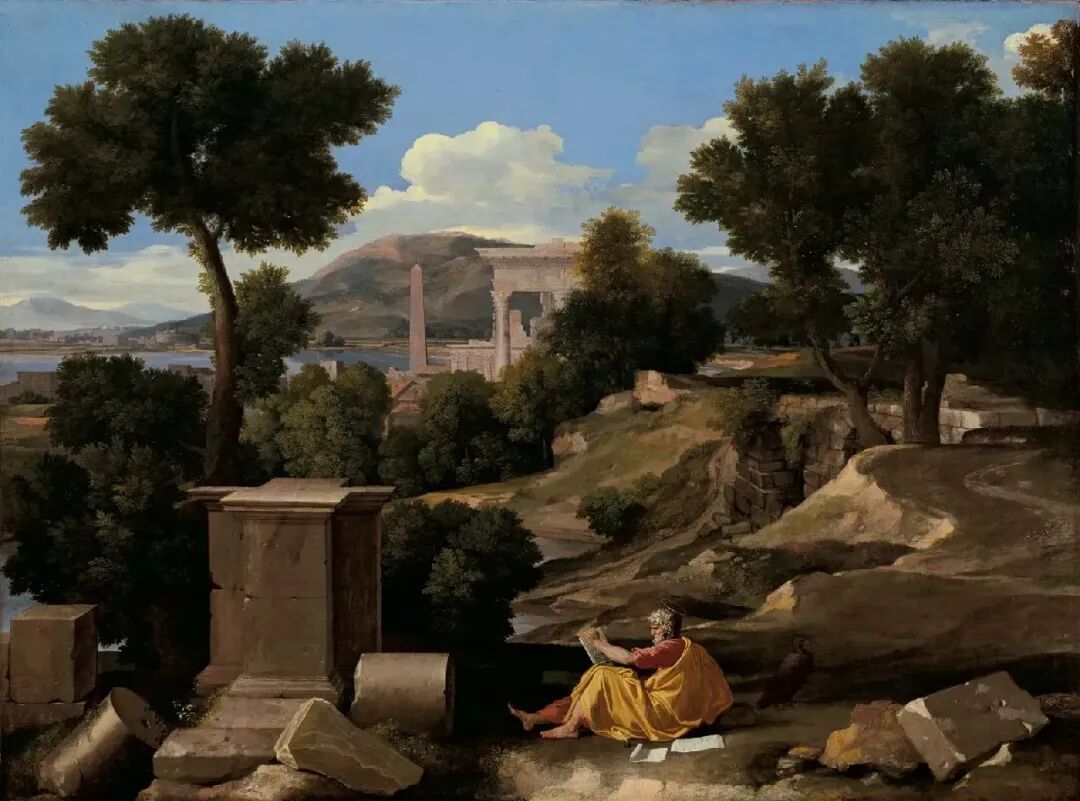
Poussin’s Landscape with Saint John on Patmos (Landscape with Saint John on Patmos). A representative work of Poussin’s “ideal landscape.” It is not a faithful copy of nature but a reconstruction of an “idealised” natural scene built upon reason and order.
At its core, this system was an “exclusion mechanism.” First came stylistic exclusion. The Academy championed classicism, represented by Poussin, emphasising precision of drawing, stability of composition and the sublimity of subject. Any style that deviated from this standard-such as Rubens’s exuberant colour-was suppressed.
In the nineteenth century, when the Impressionists challenged academic convention with their revolutionary experiments in light and colour, they were without exception mercilessly rejected by the Salon juries. Manet’s Le Dejeuner sur l’herbe was shut out of the Salon for its “vulgar” realist subject and “hasty” brushwork-a rejection that directly gave rise to the Salon des Refuses of 1863, marking modern art’s first open revolt against institutionalised power.
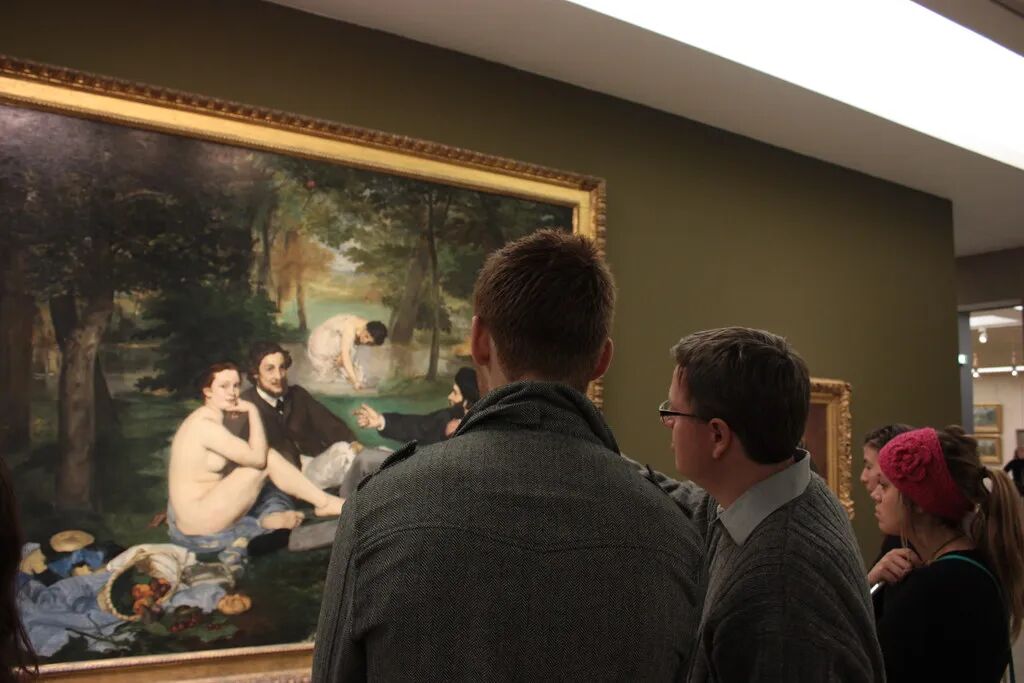
Manet’s Le Dejeuner sur l’herbe on display in the exhibition hall
Next came systematic gender exclusion. The Academie des Beaux-Arts long barred women. It was not until 1770 that a few outstanding women-Adelaide Labille-Guiard and Elisabeth Vige Le Brun among them-were admitted as academicians, but the Academy soon capped the number of female members at four. More importantly, women were forbidden from attending life-drawing classes, which directly deprived them of the qualification to produce history paintings, the highest-ranked genre, thereby confining them by institution to “inferior” domains such as portraiture and still life.
The fate of Judith Leyster, an outstanding painter of the Dutch Golden Age, is another telling case. In her lifetime she was a member of the Haarlem Guild of Saint Luke and enjoyed great renown. Yet after her death her works were for a long time wrongly attributed to her male contemporary Frans Hals, and were not rediscovered by art historians until the late nineteenth century. Leyster’s talent is beyond doubt, but a male-dominated art-historical narrative and market inertia nearly erased her from history.
In 1893, the Dutch art historian Cornelis Hofstede de Groot was the first to rehabilitate Leyster. In an article he wrote: “Judith Leyster, a hitherto misunderstood seventeenth-century Dutch-school painter whose works, until recently, were all attributed to Frans Hals”-published in the Jahrbuch der Koniglich Preussischen Kunstsammlungen (Yearbook of the Royal Prussian Art Collections), on verifiable record.
Thereafter a succession of art historians rehabilitated Leyster. After her death in 1660, her works were systematically stripped of their signatures and forged with Frans Hals’s name; for over 230 years virtually all were misattributed to Hals or to her husband, and her place in art history was not fully recognised until the latter half of the twentieth century. By contrast, Hals-her point of comparison-reached a record auction price of US$14,058,600, while Leyster’s works long remained within the million-dollar range, their value severely underrated, the gap between them stark. Seen in this light, the “authority” of so-called art history is, one must say, lamentable.
From the Medici’s drawing rooms to the French Salon, pre-modern art history clearly shows how discursive power was monopolised by patrons and the state apparatus. The criteria for judging artistic value did not arise from within the work but were set by external structures of power. Art history of this period was precisely a clear reflection of the will to power.
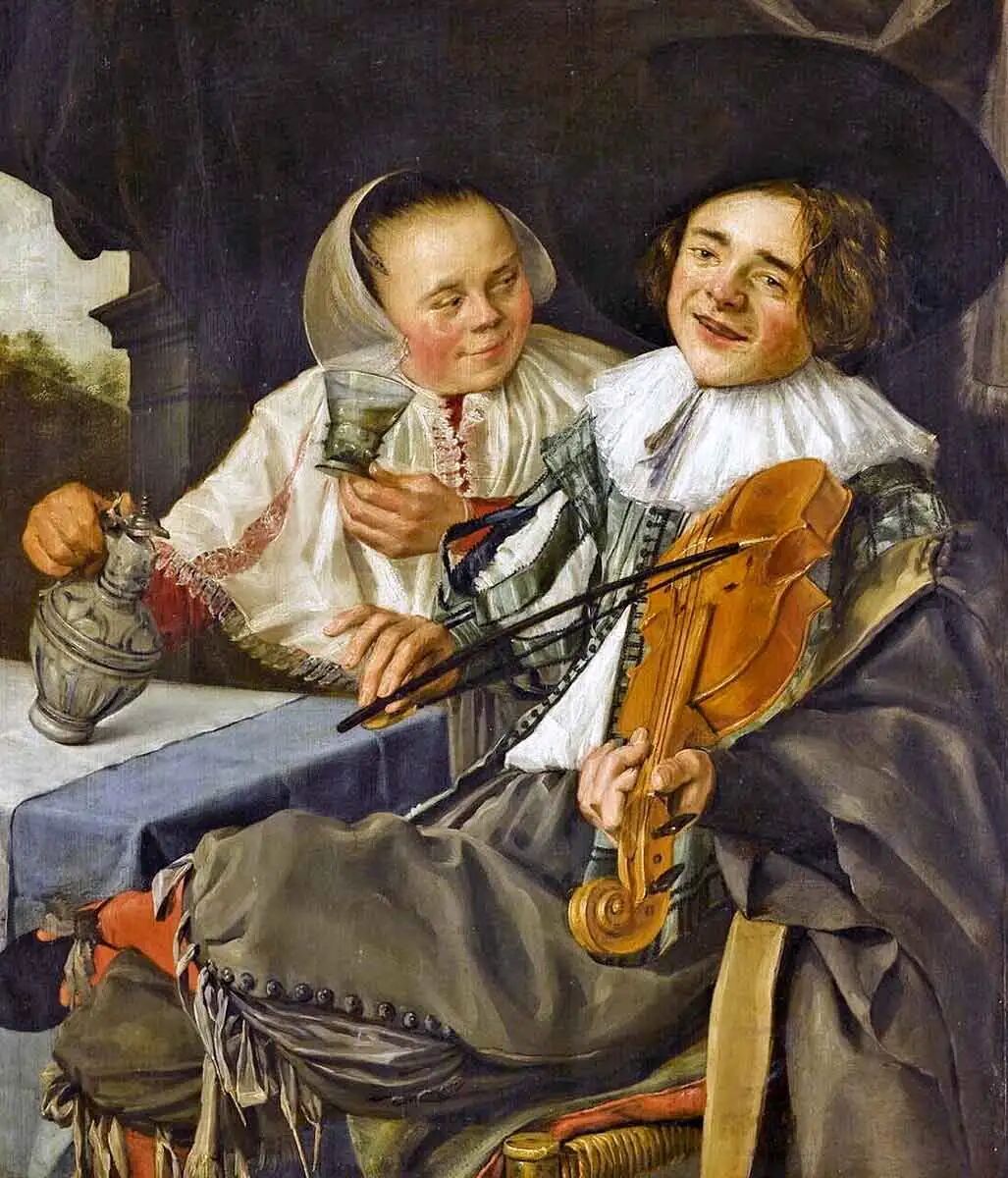
Dutch painter Judith Leyster’s Carousing Couple, c. 1630. Because its style resembles Hals’s, it was long mistaken for a work of Hals.
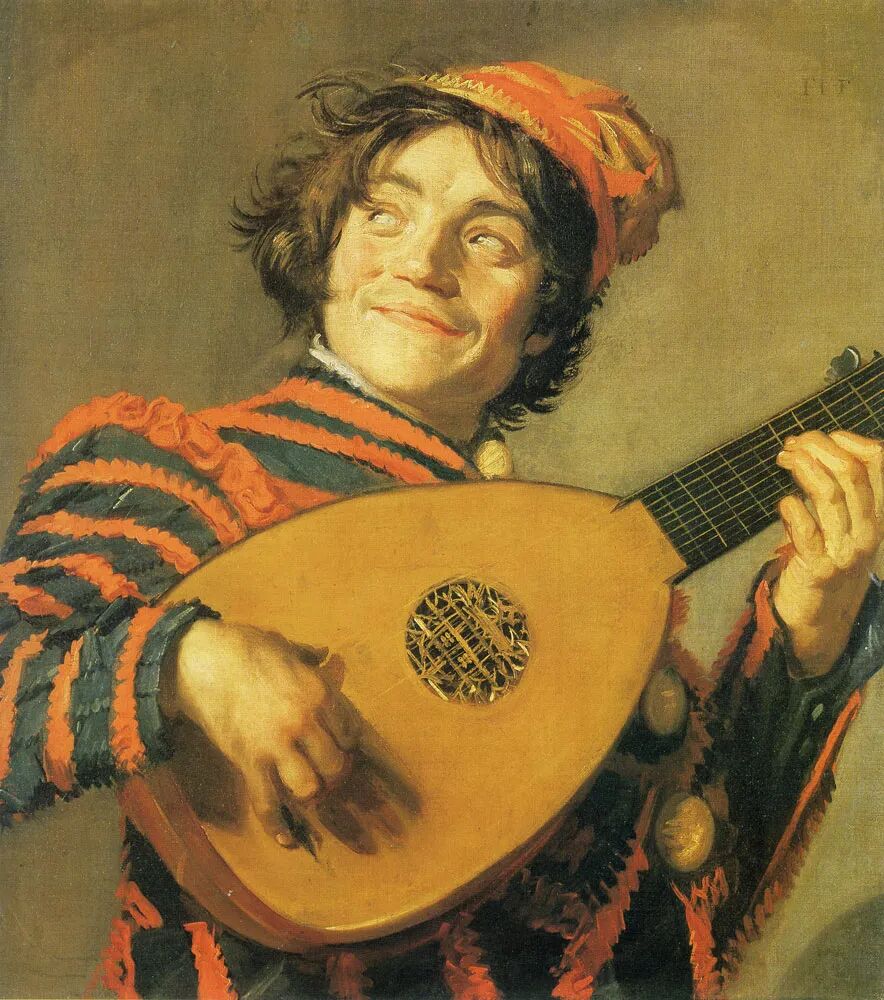
Frans Hals’s The Lute Player, c. 1623
Chapter Two: The Making of Gods-Circles, Critics and Capital in the Modernist Period
From the late nineteenth century into the twentieth, as the aristocracy and the Church declined, the patronage system underwent a fundamental shift. A new power triangle-formed by the rising bourgeois (bourgeoisie) collectors, modern gallerists and art critics who held media power-came to dominate the writing of art history. The history of modernist art is above all a meticulously orchestrated history of “god-making,” in which the logic of capital, the critics’ theoretical construction and geopolitical contest together elevated certain artists and schools to the altar.
(1) Clement Greenberg’s Monopoly over Art History: How One Critic “Anointed” Abstract Expressionism
In mid-twentieth-century America, Clement Greenberg’s name was on everyone’s lips.
As the most influential art critic of his day, he single-handedly defined post-war American art, and above all the “canonical” status of Abstract Expressionism. Greenberg’s critical theory was a strict formalism; in his 1961 collection Art and Culture he set out his views systematically: the essence of modernist painting lies in constant “self-criticism,” that is, in attending to the properties of the medium itself-flatness, the shape of the frame, the physical character of paint. On this basis he constructed a “single-line evolutionary” art history running from Manet and Cezanne through Cubism to Abstract Expressionism.
Along this logically clear “evolutionary main line,” Jackson Pollock’s “drip paintings” were praised by Greenberg as the ultimate realisation of painting’s flatness and the pinnacle of modernist painting. Willem de Kooning, Mark Rothko, Barnett Newman and others were also admitted into this elite club. Greenberg not only wrote eloquent defences of these artists in periodicals but personally curated exhibitions for them and introduced them to important collectors and galleries such as Peggy Guggenheim and Betty Parsons. With his theoretical authority he furnished Abstract Expressionism with academic legitimacy, enabling it to vault, almost overnight, from an avant-garde tendency to the official representative of American art.
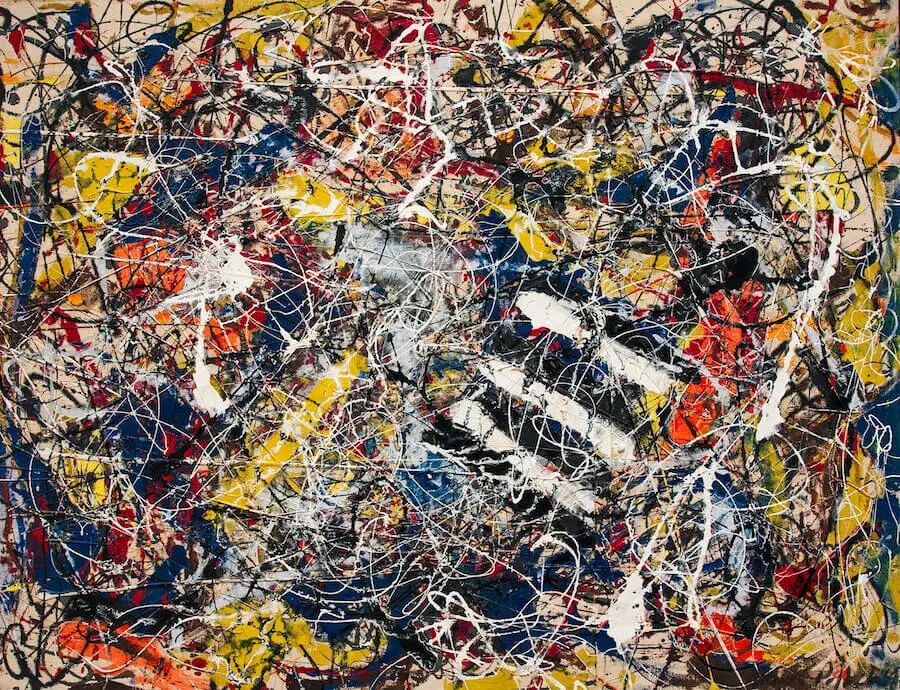
Pollock’s Number 17A (1948). In a 2016 private sale it fetched US$200 million (reported by Bloomberg on 19 September 2016, journalist Katya Kazakina)
Yet Greenberg’s “anointing” was a double-edged sword. Even as it established a cohort of artists, it cruelly marginalised and erased every other artistic path that failed to meet his formalist standard. Those who, likewise exploring abstraction, yet retained narrative, social or poetic elements in their work, were ruthlessly pushed to the periphery.
The African American artist Norman Lewis is a tragic example. A core member of the New York School, Lewis began his singular abstract experiments as early as the 1940s; his work fused the gestural brushwork of Abstract Expressionism with subtle metaphors for urban life, jazz rhythms and the Black civil-rights movement. The supremely pure aesthetic value displayed in his colour washes and linear rhythms was crudely filtered out by Greenberg’s theory-yet Lewis’s artistic attainment was in no way inferior to that of any white male artist Greenberg championed.
In the purely formalist narrative Greenberg constructed, however, the social content of Lewis’s work was treated as an “impurity.” At a deeper level, in an era when racial segregation was still severe, a temple of art history built by white elites simply had no place prepared for Black artists. And so, when Rothko’s works fetched over US$86 million at auction, Norman Lewis’s name languished for decades in the footnotes of art history, only recently excavated, his market value still poles apart from Rothko’s.
Cases such as this show that Greenberg’s critical hegemony was, in essence, a monopoly of discursive power-a seemingly objective theory masking the deep ideological bias and clique politics behind it.
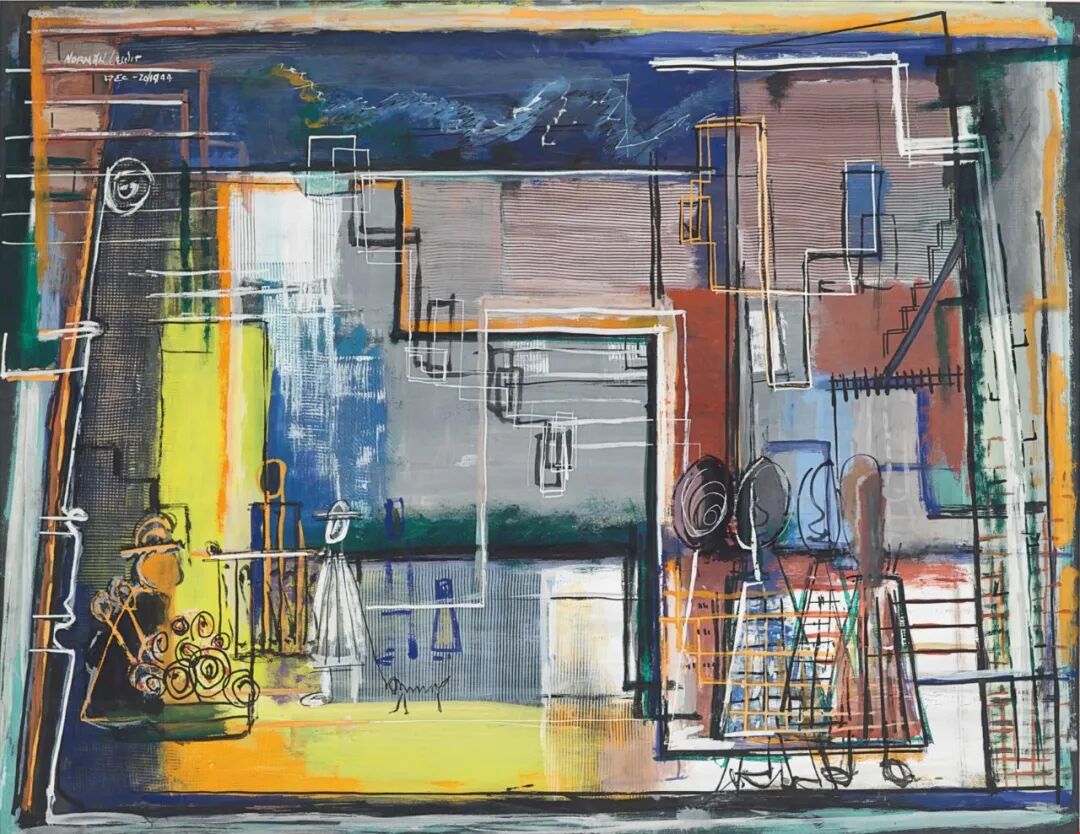
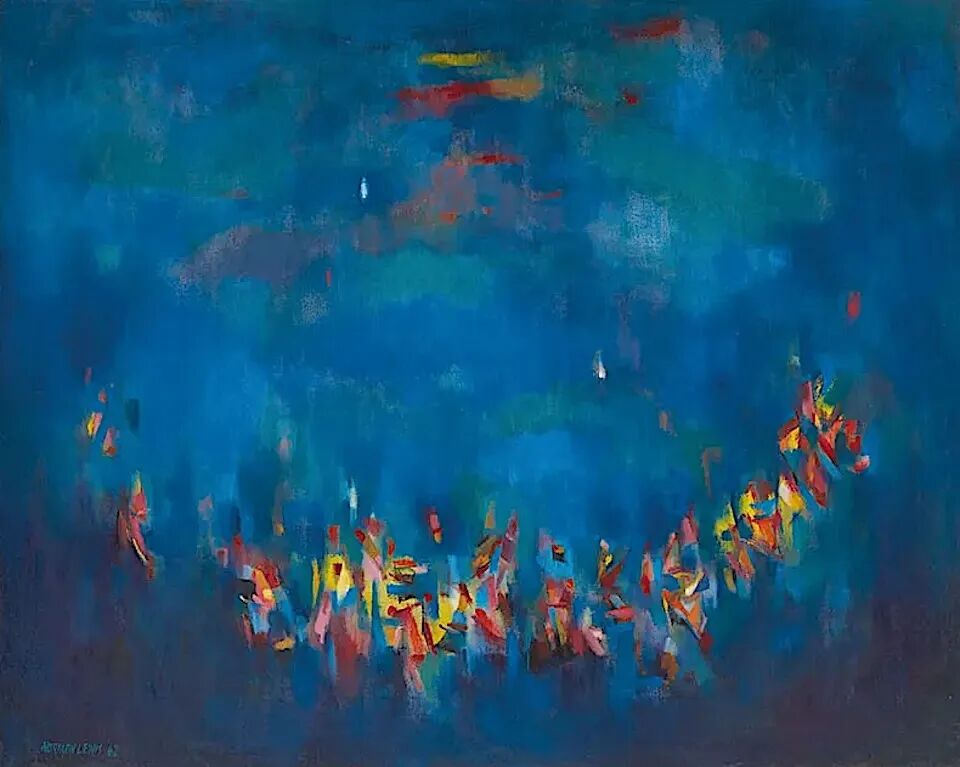
Norman Lewis’s Ritual (Ritual), 2019 Sotheby’s New York Contemporary Art Evening Auction, sold for US$2.78 million; after 2010 Lewis’s work began to attract attention and has risen steadily since
(2) The Cultural Weapon of the Cold War: How the CIA Pushed Abstract Expressionism onto the World
The success of Abstract Expressionism was not merely the result of critics’ and galleries’ manoeuvres; behind it lay a powerful non-artistic political force-the United States Central Intelligence Agency (CIA).
In the Cold War standoff between the US and the USSR after the Second World War, the cultural sphere became a crucial battleground of ideological confrontation. As Frances Stonor Saunders reveals in her book The Cultural Cold War: The CIA and the World of Arts and Letters, the CIA, through a front organisation called the Congress for Cultural Freedom (CCF), secretly funded and promoted America’s avant-garde art-above all Abstract Expressionism-in Europe and elsewhere.
Why Abstract Expressionism? Because it was politically the “perfect” propaganda tool. In sharp contrast to the “socialist realism” championed by the Soviets-art in the service of politics-the work of Pollock, de Kooning and others appeared purely individualist, apolitical, suffused with a free spirit. The wildness of the canvas and the abandon of the gesture could be read precisely as symbols of American society’s freedom, democracy and burgeoning individual creativity. Through the CCF, the CIA funded numerous international touring exhibitions of Abstract Expressionism, such as “The New American Painting,” shown in several major European cities in 1958-1959. These exhibitions were organised by the Museum of Modern Art (MoMA) in New York, whose board included figures closely tied to US intelligence, such as Nelson Rockefeller. This state-backed cultural export dramatically elevated Abstract Expressionism’s international standing, transforming it from an American domestic art movement into a mainstream of modern art with worldwide sway.
This history coldly reveals that the “mainstream” status of art history is sometimes unrelated to the value of the art itself, and closely bound up with its “usability” within a particular geopolitical configuration. The canonisation of Abstract Expressionism was the product of a conspiracy of art, capital and state ideology. The writing of art history was deeply branded by the Cold War. And art that lacked such “propaganda value,” however innovative, could not obtain equivalent promotional resources, and naturally struggled to enter the purview of the “international mainstream,” sometimes falling into utter obscurity.

Even an artist universally acclaimed as a “genius,” such as Pablo Picasso, found the road to canonisation far from the simple matter of “good work naturally shining.” The rise of the modern gallery system was a key link in the manufacture of artistic myth. Unlike traditional dealers, modern gallerists such as Paul Rosenberg and Daniel-Henry Kahnweiler did not merely sell works; they acted more like the artist’s “agents” and “brand managers.”
Kahnweiler was among the earliest promoters of Cubism. He signed exclusive contracts with Picasso and Braque, bought out their output and provided them with steady financial support so they could pursue their experiments without distraction. More importantly, through writing criticism, publishing catalogues and mounting well-ordered exhibitions in his own gallery, he systematically built theoretical explanation and market awareness for Cubism, that obscure new style. Rosenberg was more adept at pushing Picasso into the high-end market: he juxtaposed Picasso’s work with that of the Old Masters, opened a gallery in the most elegant quarter of Paris and drew the most powerful collectors. By controlling supply, staging carefully planned exhibitions and media campaigns, and building an elite network of critics, museums and top collectors, they together constructed Picasso’s “genius” myth and market value.
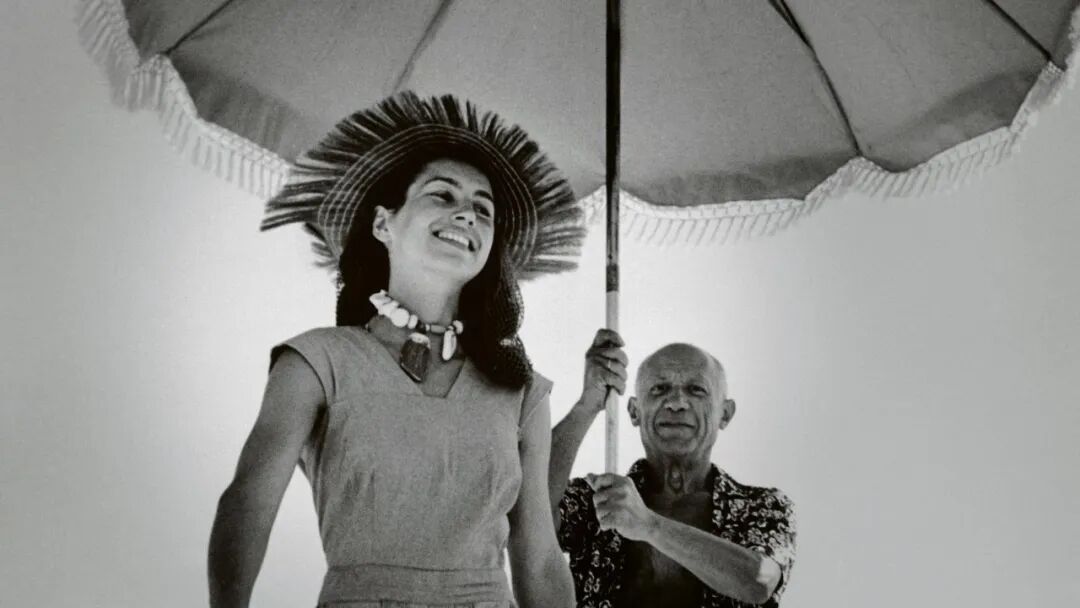
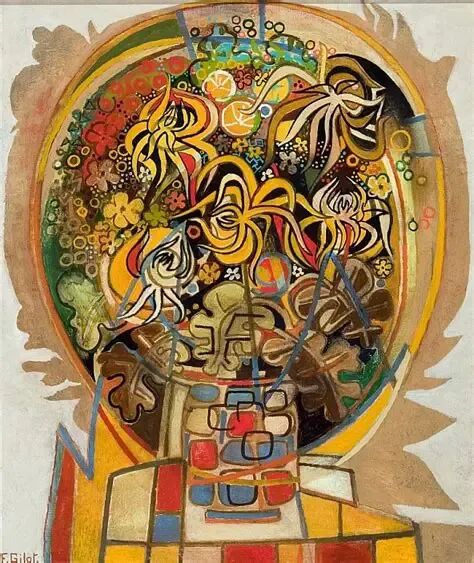
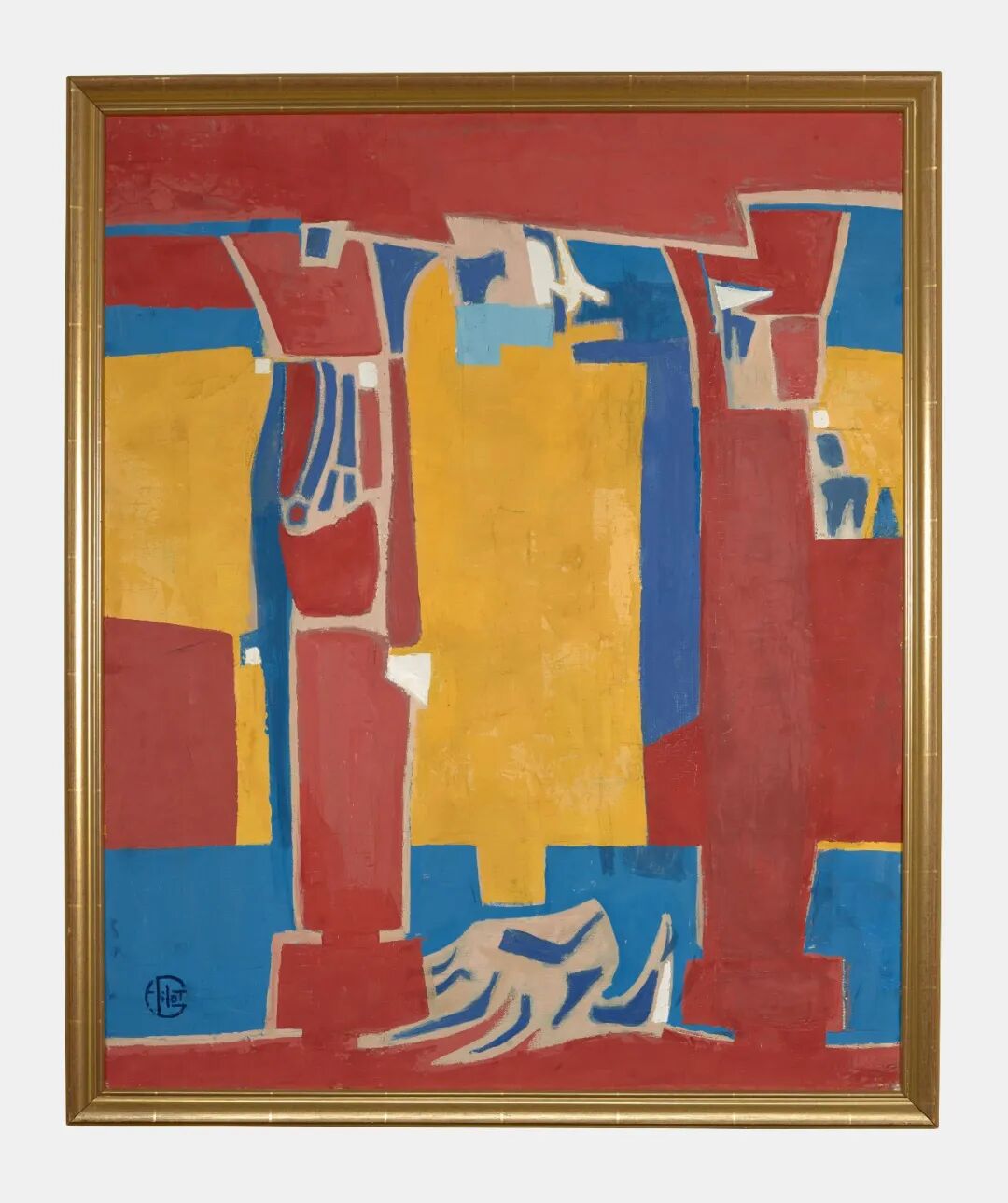
A striking counterexample is Francoise Gilot, a painter of equal brilliance and once Picasso’s lover. Gilot was the only woman to leave Picasso of her own accord, and she published the memoir Life with Picasso. The act enraged Picasso, who deployed his vast network of power in the art world to impose a total boycott on Gilot: he demanded that gallerists stop representing her work, blocked museums from collecting her paintings and pressured critics. Though Gilot’s style was independent and her colour bright, of the highest artistic value, Picasso’s hand of power nearly severed every channel by which she might enter the mainstream.
When Picasso’s works changed hands for over US$179 million, Gilot’s artistic achievement and market value were severely suppressed for decades. This case lays bare how the “soft power” within the art world-connections, prestige and influence-directly determines an artist’s fate. Here art history reveals its cruel, almost palace-intrigue side.
Chapter Three: The White Cube under Financialisation-Capital’s Control of the Board in Contemporary Art History
If the discursive power of the modernist period was jointly shaped by critics, gallerists and state ideology, then in the contemporary era-especially from the late twentieth century to now-the power to write art history has been directed, even more nakedly, by global financial capital. Artworks are no longer merely aesthetic objects or cultural signs; increasingly they play the role of a financial asset. In this age, whether an artist enters “art history” often depends on whether he or she enters the circulation system of capital.
(1) The Sacred Loop: the Collusion of Museums, Biennials and Megagalleries
The discursive power of the contemporary art world is monopolised by a “sacred loop” composed of top museums, international biennials and megagalleries.
The operating logic of this loop is as follows:
First, megagalleries such as Gagosian, David Zwirner and Hauser & Wirth, with their enormous capital, open branches across the globe and represent the “blue-chip” artists with the greatest market potential. According to estimates in the 2024 Art Basel and UBS Global Art Market Report, a handful of top galleries command the major share of the market, revealing a high degree of market concentration. They not only mount museum-grade exhibitions for their artists and publish lavish catalogues, but through powerful PR teams and collector networks systematically manage and enhance the artists’ market value.


Second, artists represented by megagalleries more easily obtain the “entry ticket” to top international exhibitions such as the Venice Biennale and documenta. The curators of these shows are often bound up, by a thousand threads, with the megagalleries and top museums; to participate is to have one’s work granted the world’s highest level of “academic” recognition, gilding one’s CV.
Finally, artists endorsed by the biennials see their work collected by top museums such as MoMA in New York and Tate Modern in London. A museum’s collection is regarded as the final “verdict” on an artist’s historical standing. And the board members of these museums are often the very megacollectors who hold vast sums and are themselves key clients of the megagalleries.
This “gallery-biennial-museum” loop forms a powerful self-validating system. Once an artist successfully enters the cycle, his or her academic standing and market value spiral upward. Conversely, artists who remain outside this capital loop, however original their work, find it hard to gain commensurate exposure and recognition.
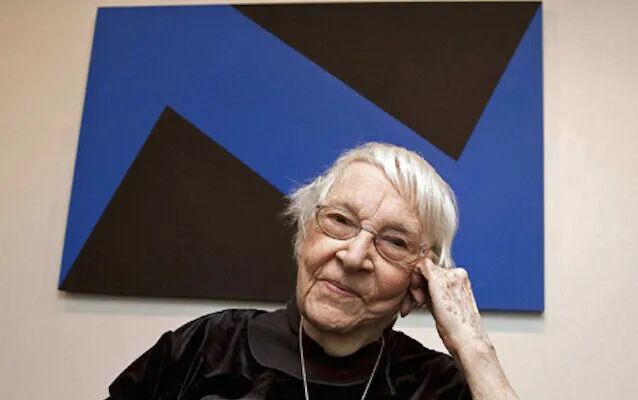
A most telling example here is the Cuban-American artist Carmen Herrera, a quintessential figure left outside the loop of art capital. Known for her Minimalist work, her style was distinctive, original and prescient, yet for want of representation by megagalleries such as Gagosian and Zwirner she found it hard to secure exhibition opportunities in art centres like New York; her work could not enter the high-end sales and promotion system and was excluded from core resources. The absence of gallery machinery also shut her out of important scholarly exhibitions such as the Venice Biennale and documenta, leaving her academic recognition long depressed. She did not sell her first work until the age of eighty-nine, and only at 101 did institutions such as Tate Modern take notice. This belated recognition was not the normal operation of the capital loop but the result of growing outside attention to minority and women artists and a curator’s chance discovery-and it reveals the harsh industry reality that, without gallery and major-exhibition backing, even outstanding talent may face decades of silence.


Minimalist works by Cuban-American artist Carmen Herrera
(2) The Logic of Astronomical Prices: Social Cachet plus Financial Safe Haven
Contemporary artworks-above all those that fetch astronomical prices at top auction houses such as Christie’s and Sotheby’s-have undergone a fundamental shift in the logic of their value. What determines their price is often no longer aesthetic value, originality or technical difficulty, but their “social attribute” and “financial attribute.”
For the super-rich, owning a work by Jeff Koons or Damien Hirst is like owning a yacht or a football club-the ultimate signifier of status, taste and wealth. Art becomes their entry ticket into particular social circles. As the economist Don Thompson analyses in The $12 Million Stuffed Shark: The Curious Economics of Contemporary Art, the high-end art market operates more like a market for branded luxury goods, its value resting on consensus and symbolic meaning.

More importantly, in the global wave of financialisation, art has become an important alternative investment and asset-allocation tool. Its advantages-portability, high anonymity, freedom from geographic restriction-make it an ideal choice for the wealthy to store wealth, evade tax and hedge against inflation risk. Under this logic, an artwork’s liquidity (that is, how easily it can be resold) and brand recognition matter far more than its artistic content.
Capital therefore tends to chase those already market-validated, branded “hard-currency” artists, further concentrating and ossifying market prices. Why can Warhol’s works fetch nearly US$200 million? Because his brand is loud enough, his symbols clear, his market liquidity excellent. Another American postmodern sculptor, Cady Noland, made work that profoundly exposes the violence and dark underside of the American Dream, charged with critical force. But because she intensely dislikes the art market-often withdrawing from exhibitions of her own accord and even demanding the destruction of works she was dissatisfied with-her pieces rarely circulate on the market. Capital cannot profit steadily from her, and naturally she could not become a market darling like Koons. Yet this is not mere “market elimination”: Noland’s voluntary withdrawal is itself a radical resistance that preserves the purity of art’s critique. This uncompromising posture against capital’s co-optation constitutes an inseparable conceptual value of her work. Even so, Koons’s record exceeds US$90 million, while Noland, for all her lofty academic standing, remains in a market scale utterly incomparable.
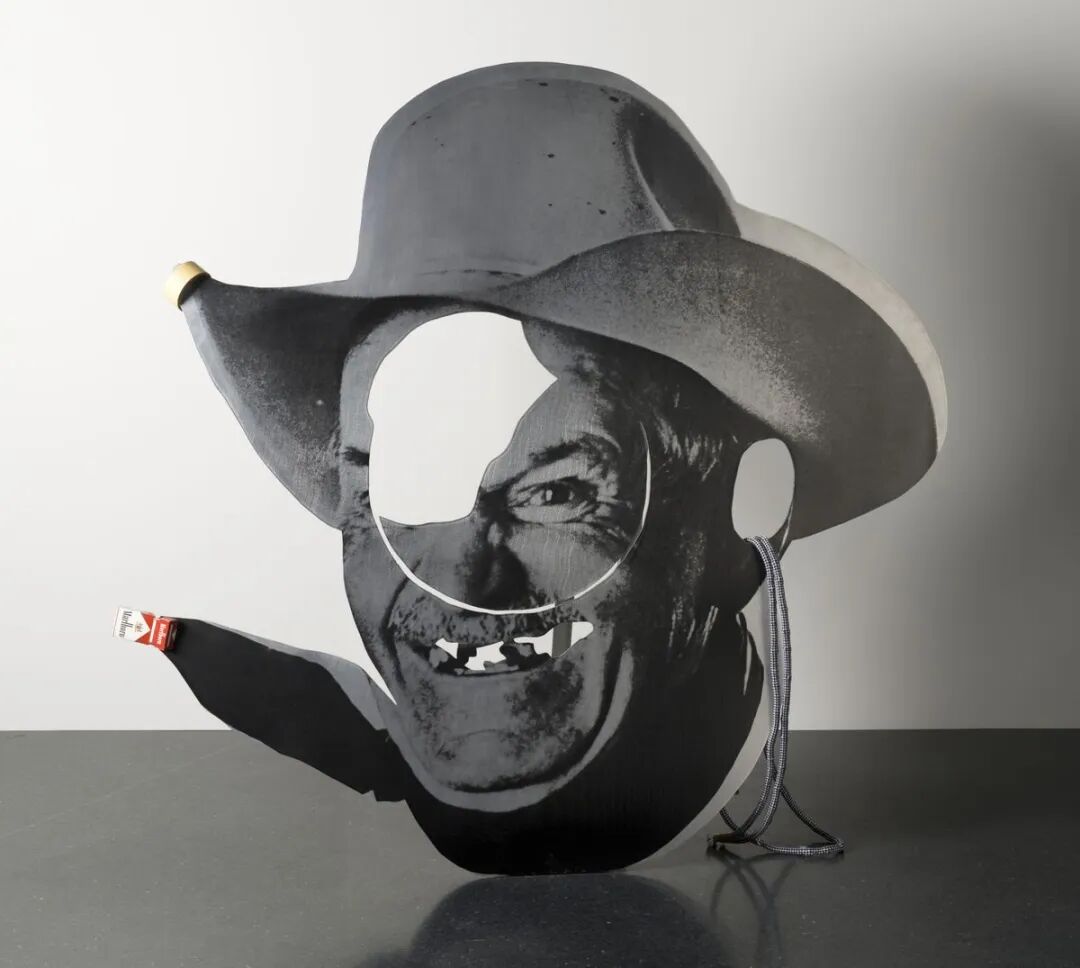
Cady Noland, Chainsaw Cut Cowboy Head, 1990

Cady Noland, Untitled (Brick Wall), 1994-1995
(3) The Manufactured Pop: Andy Warhol’s Business Success Formula
A case that must be mentioned here is Andy Warhol, the classic example for understanding the relation between contemporary art and capital. He keenly perceived that in a consumerist age the boundary between art and commerce had blurred. His studio, the Factory, was itself an assembly line producing art commodities; he openly declared, “Making money is art, working is art, and good business is the best art.” Choosing mass-cultural icons such as Campbell’s soup cans, Coca-Cola bottles and Marilyn Monroe as his subjects was itself a strategy of courting commercial logic, as well as a precise capture of the consumer public’s psychology. In Warhol’s Pop myth, the gaze, desire and purchasing power of countless ordinary spectators were, for the first time, so nakedly internalised as accomplices in artistic creation.
Warhol’s success lay not merely in the subversiveness of his artistic ideas but in his being a peerless marketing master. He cultivated his own celebrity image, mingled in every social scene, fused art, fashion, music and film, and created a “Warholian” lifestyle brand. The backing of the gallerist Leo Castelli was also crucial: he pushed Warhol’s work to the most top-tier collectors.
Warhol’s art perfectly fits the cultural logic of late capitalism: everything can be commodified, everything can be reproduced and consumed. Art history positions him as the godfather of Pop art, yet from another angle his success also marks the beginning of art’s total co-optation by the logic of capital. In contrast stands Margaret Keane, whose “Big Eye” series was likewise a unique visual signifier that influenced popular culture-indeed anticipating many of Warhol’s practices. But because her husband long appropriated her name to create and sell works, she herself was excluded from the vanity fair, and only in late life reclaimed her naming rights through legal means. Both artists touched the core of popular culture, yet their differing relations to the systems of capital and power determined their utterly disparate standing within the narrative of art history.
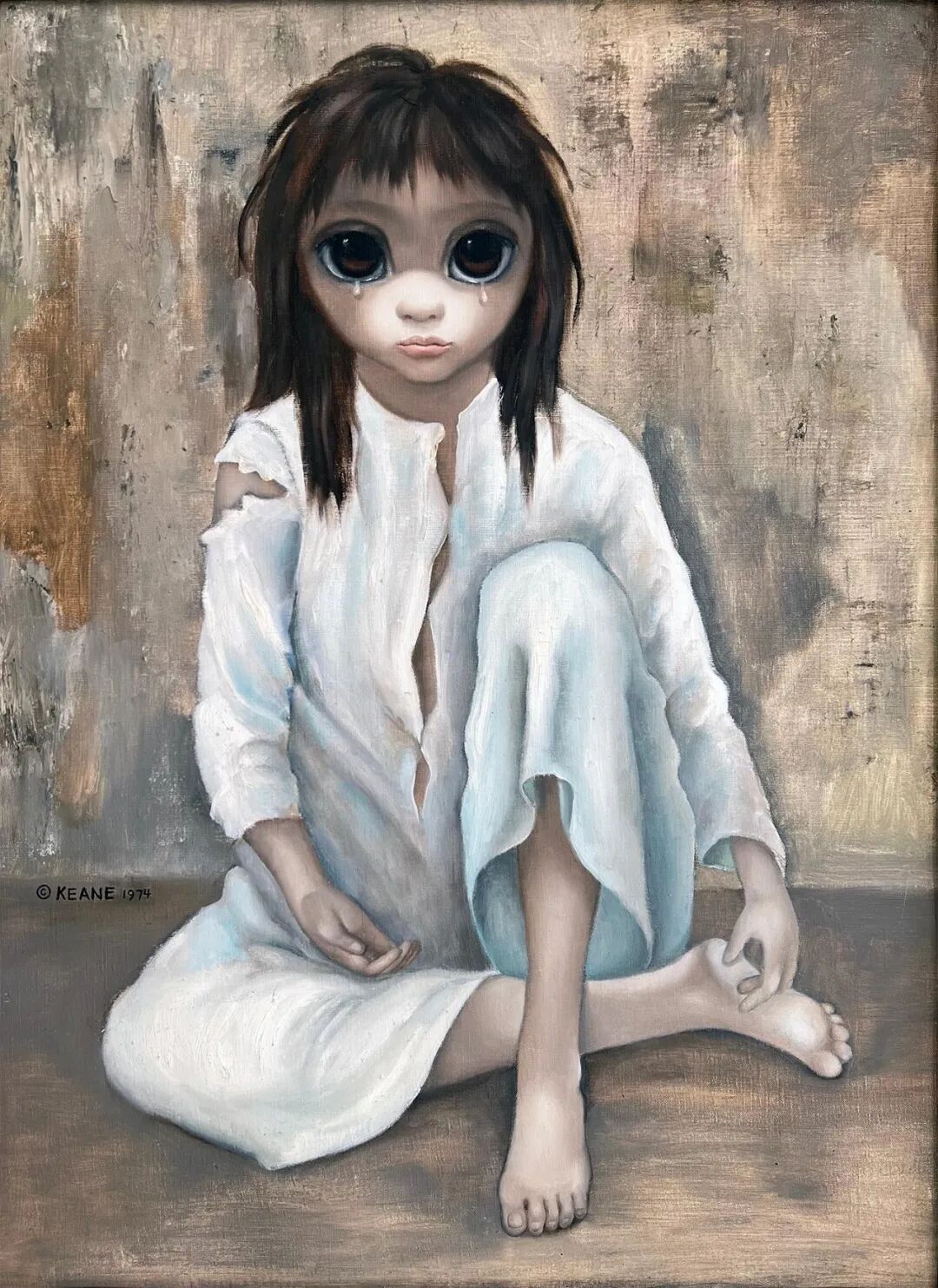
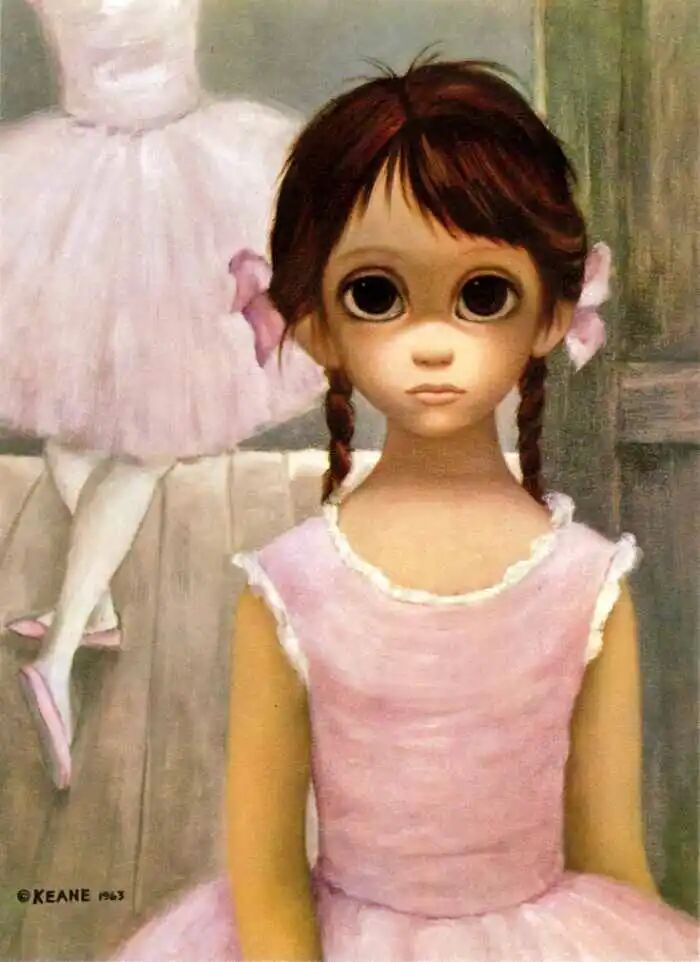
The German art sociologist Jana Degner writes: “The case of Margaret Keane, who could only sell her own artworks through her husband, clearly reveals this inequality. A male-dominated writing of art history further exacerbates the public’s lack of recognition of women artists. Research shows that women were barred from art academies until the twentieth century, which directly damaged the social recognition of their artistic creation.”
In 1955, after divorcing her first husband, Margaret met Walter Keane in San Francisco. Records describe him as a socially adept, speculatively minded real-estate dealer who called himself a painter but in fact had no artistic talent or creative ability whatsoever. The two married swiftly, and the marriage became the start of Margaret’s decades-long nightmare. Her husband Walter subjected Margaret to extreme psychological manipulation and control.
In the early days of their acquaintance, Walter took Margaret’s “Big Eye” paintings to jazz clubs and art markets in San Francisco to sell them, and when customers asked who made them, he lied for the first time that they were his own. Discovering the public’s fervent adoration of the paintings, he quickly built a complete system of lies: to the outside world he claimed to be the sole creator of the “Big Eye” works, hiding Margaret entirely behind the curtain. He forced Margaret to paint all day in a secret room at home, strictly forbidding her to disclose any information about the creation, and even Margaret’s own daughter was instructed to keep it secret. Outwardly, Walter played the role of “genius painter,” claiming to paint sixteen hours a day, using Margaret’s works to circulate among Hollywood celebrities and trade with top collectors, and even holding dozens of solo exhibitions under the name “Walter Keane” in New York and San Francisco.
In the 1960s, the “Big Eye” series swept across America and indeed the globe; sales of prints, greeting cards and merchandise broke ten million. Walter leapt to become the “pop artist” of highest commercial value in America at the time, moving into a multimillion-dollar mansion, and even Andy Warhol publicly praised him: “Keane’s work is terrific-if it weren’t good, so many people wouldn’t like it.” Yet the true creator, Margaret, remained locked in that secret room, becoming her husband’s “human painting machine,” able in public only to call herself Walter’s “assistant,” thoroughly excluded from the art world’s vanity fair and the mainstream art circle.
In 1965 Margaret finally divorced Walter and escaped his direct control, but out of long-standing fear and Walter’s continuing threats she still dared not reveal the truth. It was not until 1970, after moving to Hawaii and converting to religion, that Margaret gradually recovered her self-identity and courage; in a live radio interview in Hawaii she first declared to the world: every “Big Eye” work signed Walter Keane was painted entirely by me, Margaret-Walter never painted a single stroke. She won her lawsuit in 1986, and Margaret at last began to paint under her own name.


Such cases recur repeatedly in the history of art. Beyond the Dutch Golden Age painter Judith Leyster mentioned above, there is also the leading Baroque woman painter Artemisia Gentileschi (1593-1656). Artemisia’s father, Orazio Gentileschi, was a well-known Caravaggist who for years signed his daughter’s works with his own name to sell and exhibit them, even long claiming her masterpiece Judith Beheading Holofernes as his own creation. Art history either attributed her works to her father or treated her merely as a “rape victim” rather than a great artist.
Then there is Camille Claudel (1864-1943), Rodin’s student, whose creative conceptions and sculptural drafts Rodin directly appropriated; the core ideas of several of Rodin’s classic works rest heavily on Claudel’s drafts, and there is even a plaster Smiling Boy bearing her signature that Rodin, after casting it in bronze, simply engraved with his own name. Rodin not only plundered her creative output but never gave her due recognition; and Claudel’s family, for the sake of the family’s reputation, after her break with Rodin forcibly committed her to a psychiatric hospital. Even when doctors repeatedly certified her sane, the family refused to release her. She was imprisoned there for a full thirty years, and died in misery and cold within its walls.
And Lee Krasner (1908-1984), the Abstract Expressionist, was wholly swallowed by the halo of her husband Jackson Pollock. Sofonisba Anguissola (1532-1625), Titian’s female pupil, saw her many portraits and self-portraits long stripped of their signatures by dealers and collectors and sold or exhibited under the names of Titian, her father or even her brothers. For over 400 years after her death, art history treated her only as a “special case of women’s painting.” And Clara Peeters (1594-c. 1657), the representative still-life painter of the Dutch Golden Age, had many works stripped of their signatures after her death and attributed to contemporary male still-life painters such as Willem Claesz. Heda and Pieter Claesz. Crueller still, art history almost entirely erased her biography: apart from the signatures left on her paintings, there is no record of her life, and even her dates can only be inferred from the works. There are many more such examples. Setting aside the factor of gender, before capital the fairness of art history is all but defenceless.
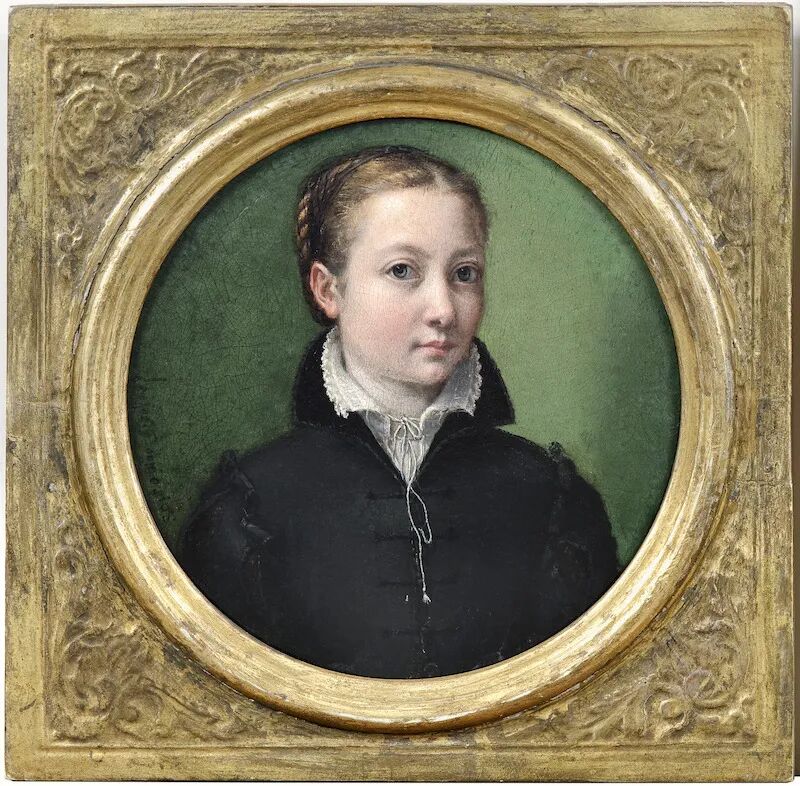
Portrait works by Sofonisba Anguissola (1532-1625)
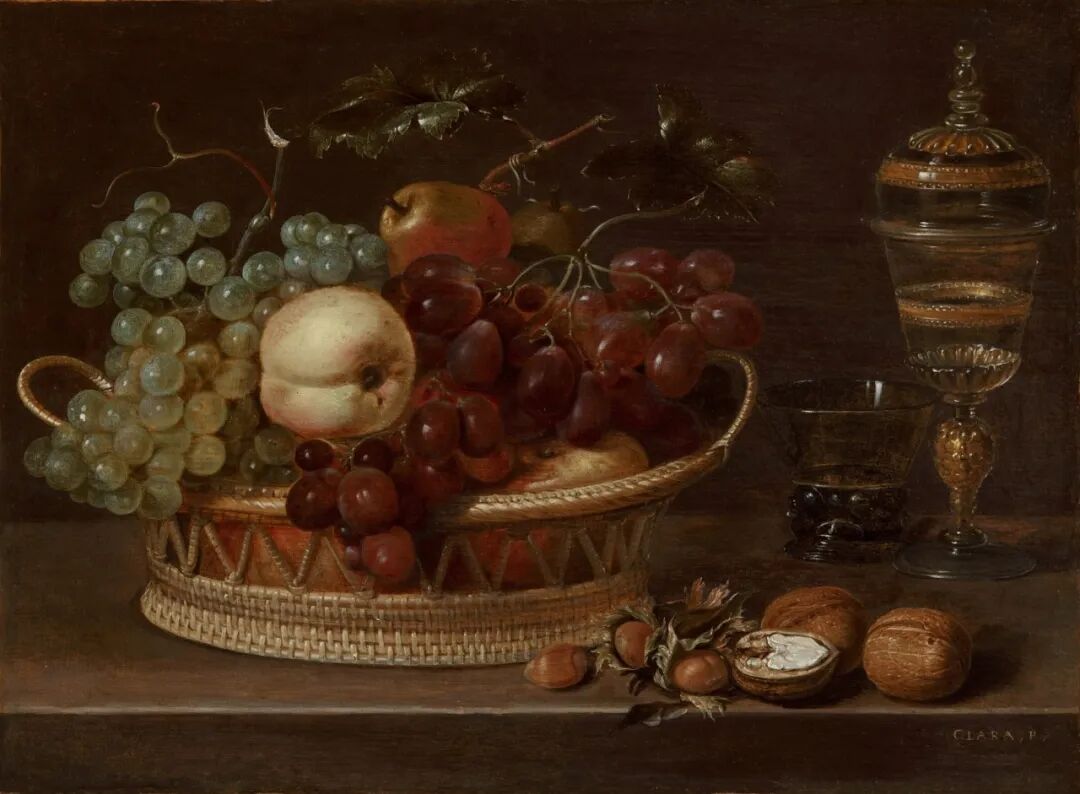
Still-life works by Clara Peeters (1594-c. 1657)
Chapter Four: The Blind Spots of Art History and Survivorship Bias
The narrative of mainstream art history is like a spotlight: it illuminates the few heroes at centre stage while leaving the broader field in darkness. What we see is a “survivors’ list” filtered through countless rounds of selection. This “survivorship bias” leads us to mistake those on the list for all the excellent ones, and the space beyond the list for a wasteland. This chapter focuses on the regions ignored by that spotlight, and through concrete case analysis reveals how the blind spots of the art-historical narrative were formed.
(1) The Gender Blind Spot: Female Genius beneath the Halo of Great Men
As the examples of the previous chapter show, art history is to a great extent a history written by men and about men. Women artists have long faced systematic structural barriers: their talent suppressed, their contributions erased, or reduced to the “muse” or “lover” of a male master.
The relationship between Lee Krasner and Jackson Pollock is among the most regrettable cases in art history. Krasner was a pioneer of American Abstract Expressionism; her abstract experiments even preceded Pollock’s famous “drip” period. Possessed of formidable artistic sensibility and theoretical grounding, she profoundly influenced Pollock’s practice. Yet, to build Pollock’s “genius” myth, Krasner sacrificed her own career to a great extent, devoting her energy to caring for her alcoholic husband and promoting his work. In the circle of male critics led by Greenberg, she was always seen as “Mrs Pollock” rather than an independent artist equal to him. Only after Pollock’s death could she throw herself wholly into creation and reach her own artistic peak. Yet the inertia of art history was already set. Today Pollock’s works command private-sale prices above US$140 million, while Krasner’s auction record did not painfully breach US$11 million until 2019. If we were to anonymise one of Krasner’s top works and sign it with Pollock’s name, what would its market valuation be? This thought experiment suffices to reveal the vast value gulf wrought by gender bias.
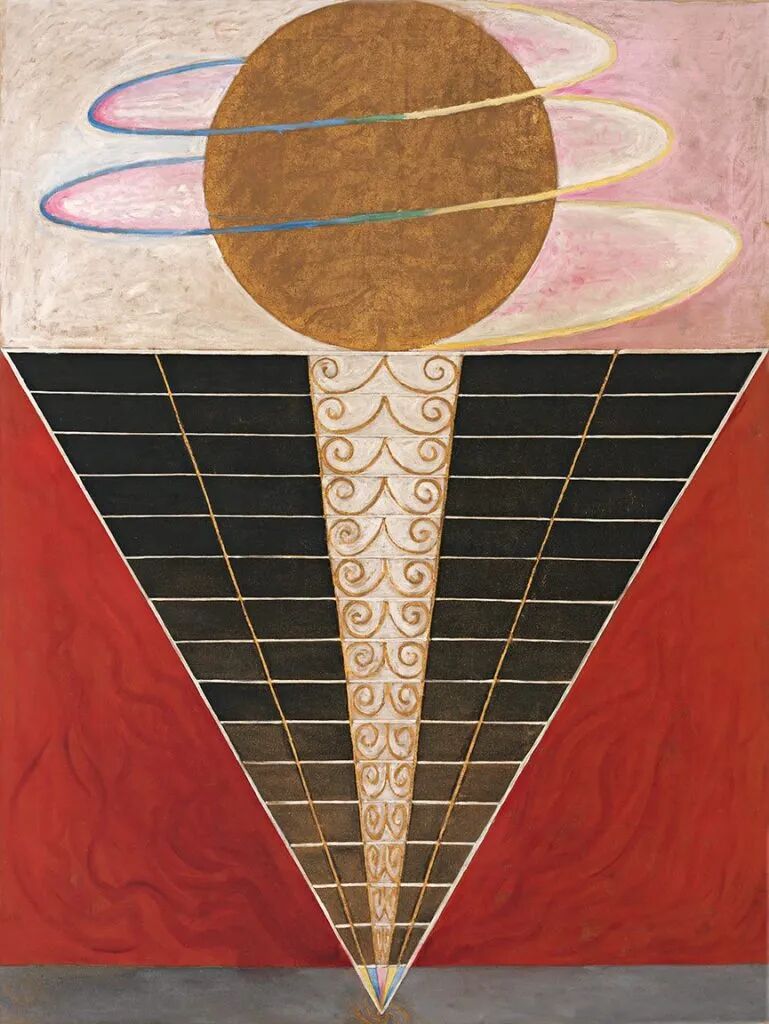
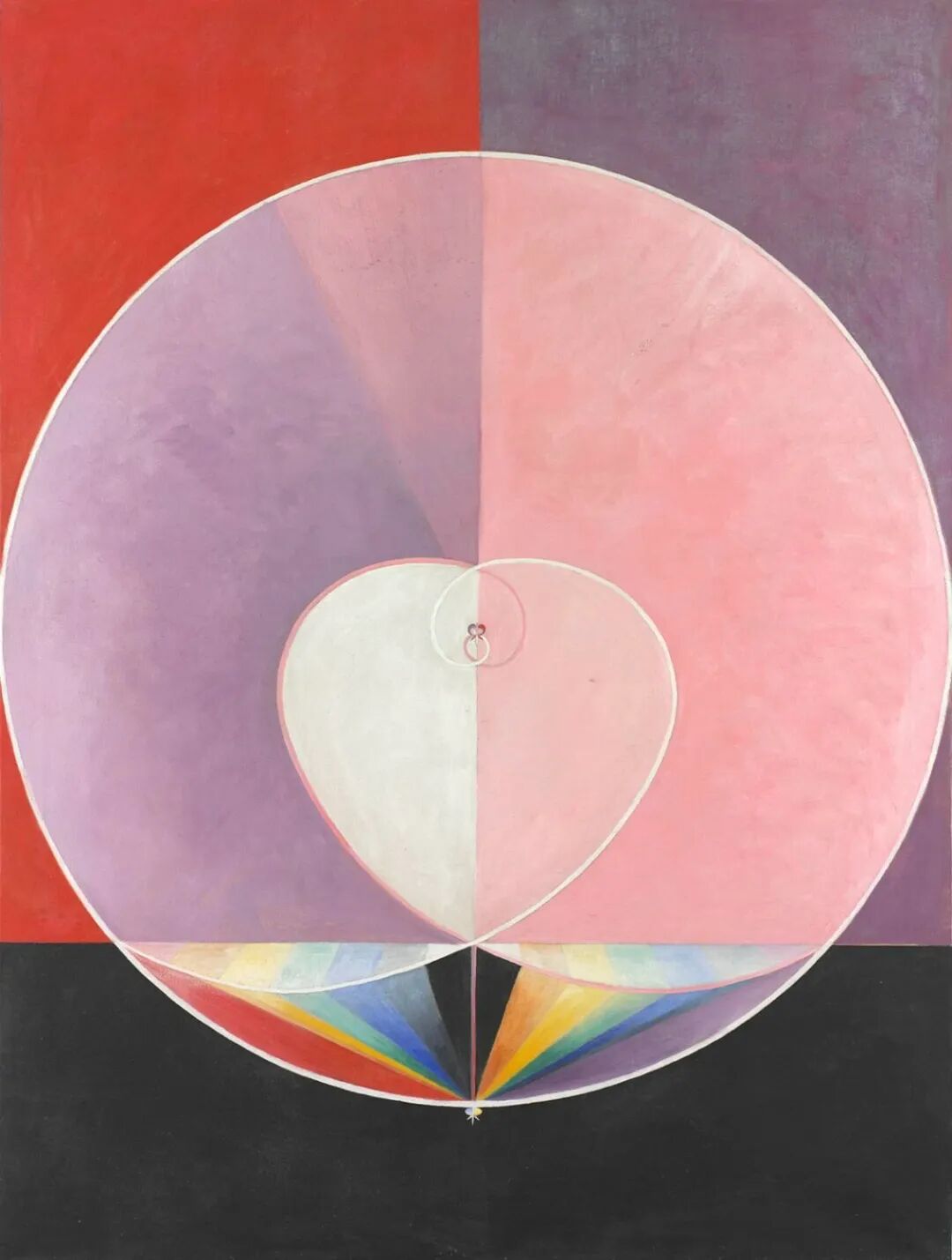
The same story holds for Camille Claudel, mentioned above. The case of the Swedish painter Hilma af Klint reveals yet another mode of occlusion. According to the latest art-historical research, af Klint produced purely abstract paintings in 1906-several years before Wassily Kandinsky, universally acknowledged as the “father of abstract art.” Her works are vast in scale, charged with mystical and spiritual exploration, their avant-gardism staggering. Yet af Klint scarcely exhibited these works in her lifetime, and by will required that they be made public only twenty years after her death.
This decision made her miss, perfectly, the formative period of the modernist canon at the turn of the twentieth century. While Kandinsky, Mondrian, Malevich and other male artists were inscribed in the annals, af Klint’s name was unknown. It was only in the twenty-first century, when institutions such as the Guggenheim Museum mounted major retrospectives for her, that the world recognised this true progenitor of abstract art. Kandinsky’s works reach highs above US$40 million, while af Klint’s, long absent from market circulation, remain in a phase of being “rediscovered.” This shows that art history’s “first” and “original” usually depend on who was first seen, first spoken of, first written into history.
(2) The Geopolitical and Racial Blind Spot: the World beyond Eurocentrism
The narrative of modern art history has long been a “Euro-American white male” narrative centred on Paris and New York. Artists from non-Western countries and ethnic minorities are often pushed to the margins; their explorations of modernity are seen as “imitation” of or “derivatives” from the West, and their distinctive cultural contexts and artistic contributions systematically ignored.
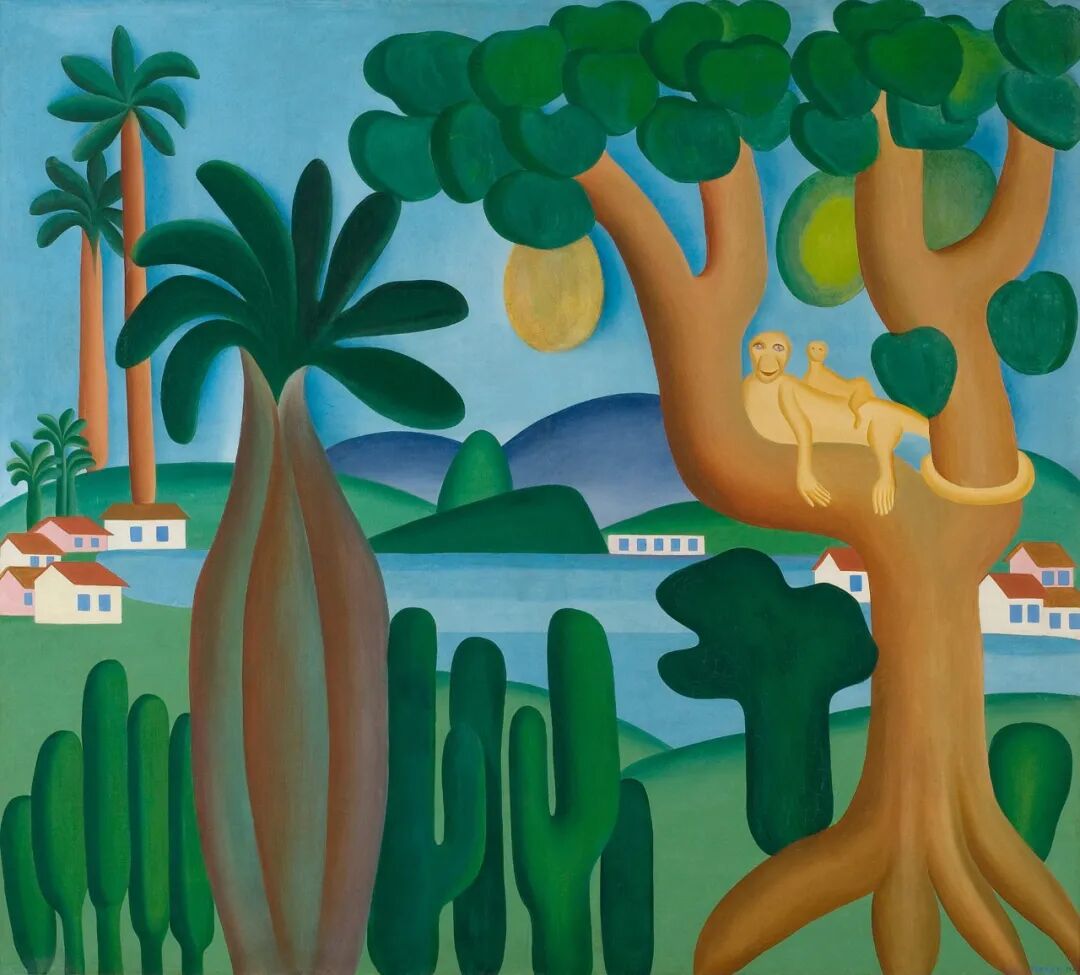
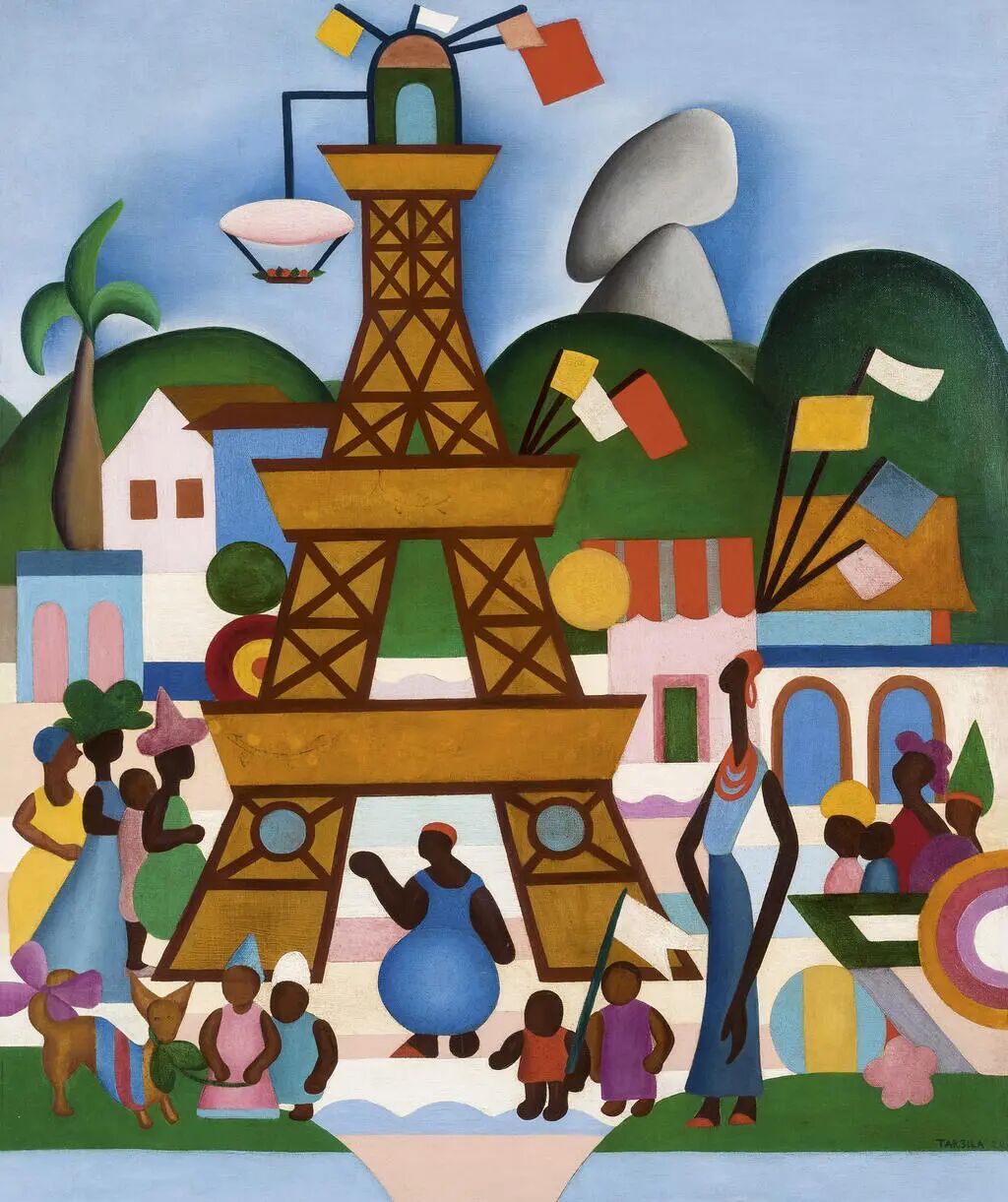
Tarsila do Amaral, a central figure of the Brazilian Modernist movement, is the founder of the “anthropophagy” (cultural cannibalism) aesthetic. She studied Cubism in Paris under Fernand Leger, but rather than simply copying the European style she creatively fused it with Brazil’s indigenous colour, myth and cultural elements, aiming to “devour” foreign culture and transform it into Brazil’s own artistic language. This was not a passive defence against Eurocentrism but an equal, subjectivity-filled cross-cultural dialogue. Her painting Abaporu is a symbol of Brazilian modern art. Yet in Eurocentric art-history textbooks her name rings far less loudly than that of her teacher Leger. Leger’s works reach highs of US$70 million, while Amaral’s international market recognition lags far behind.
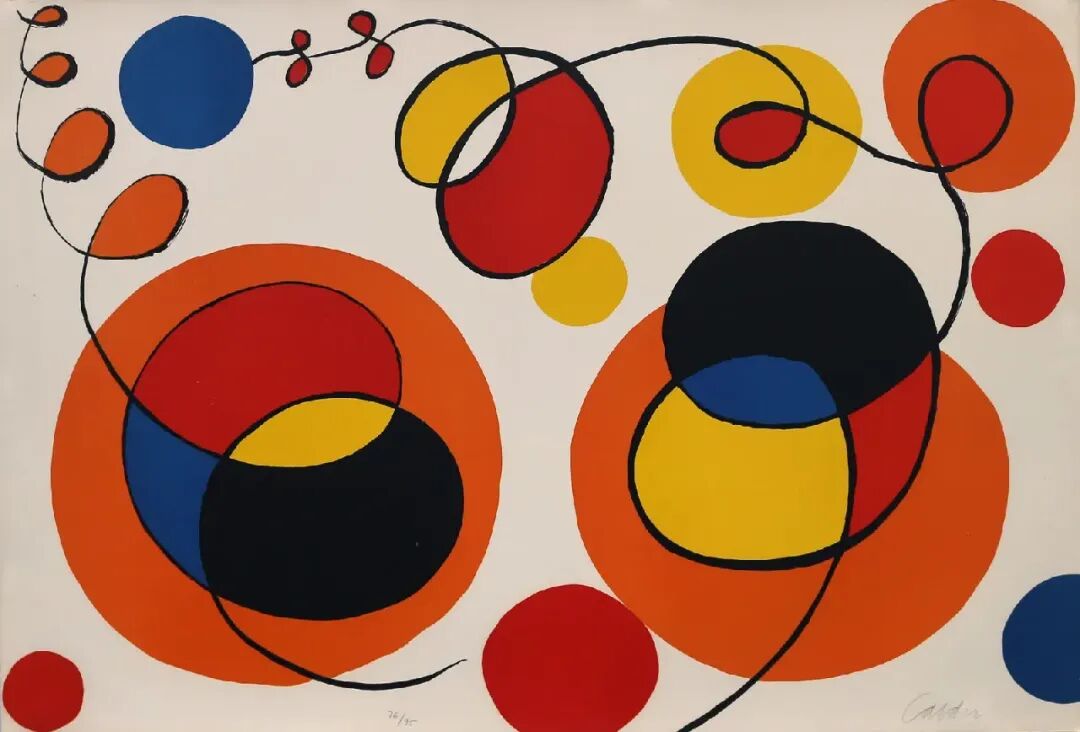
The Lebanese artist Saloua Raouda Choucair is another master marginalised by geopolitics. In late-1940s Paris she began exploring sculpture and painting that fused Islamic geometry, Sufism and the abstract language of modernism; her thinking on modularity and infinite combination preceded that of many Western Minimalists. But because she long lived in the Middle East-viewed by the Western art world as “marginal”-and because she was a woman, her pioneering work went unrecognised for half a century. It was only past the age of ninety that Tate Modern held her first solo retrospective. Alexander Calder, whose work bears a certain kinship to hers, commands a market value above US$25 million, whereas Choucair has scarcely any commercial market to speak of.
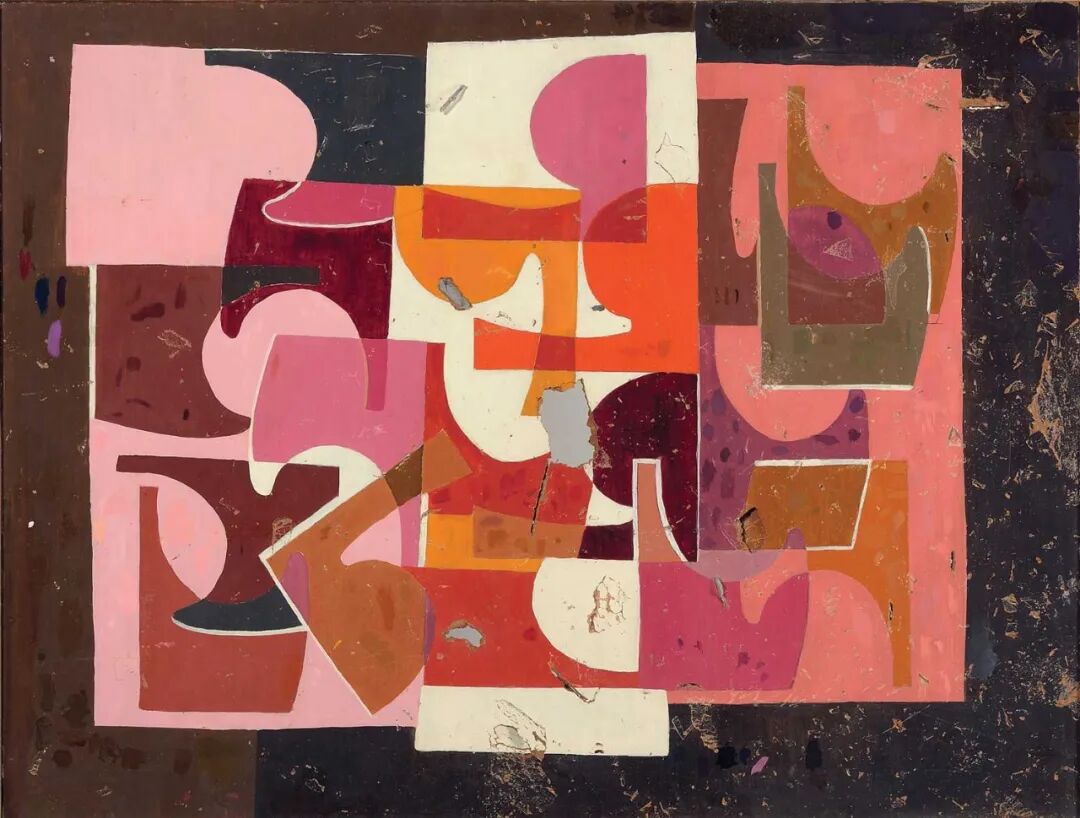
Works by Saloua Raouda Choucair
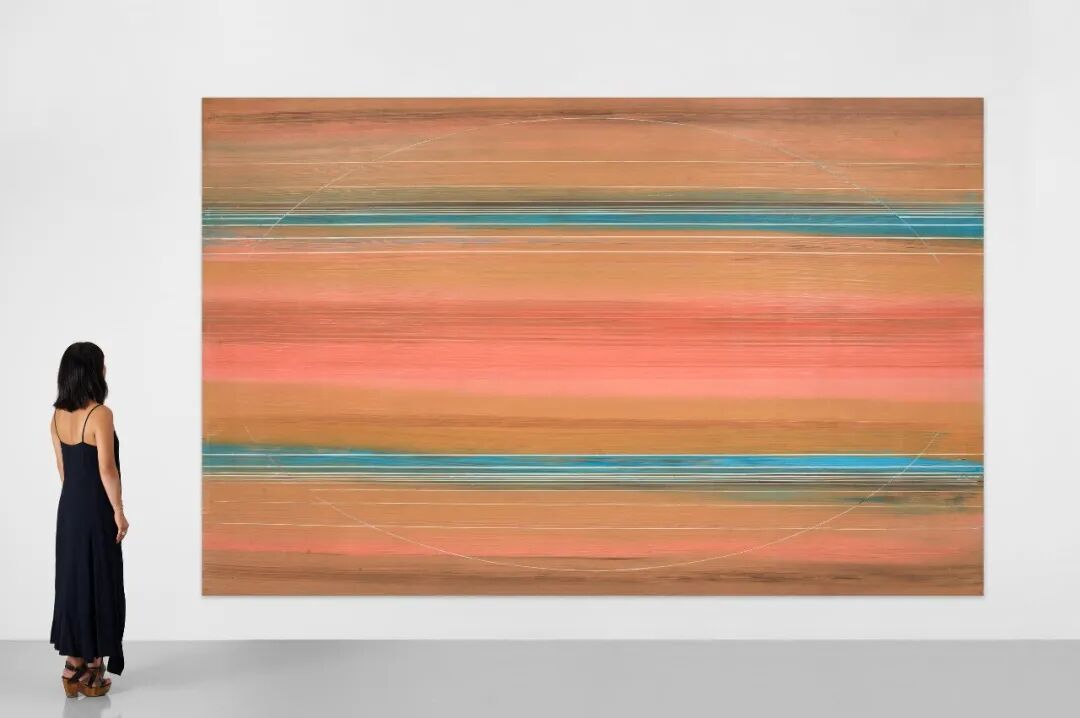
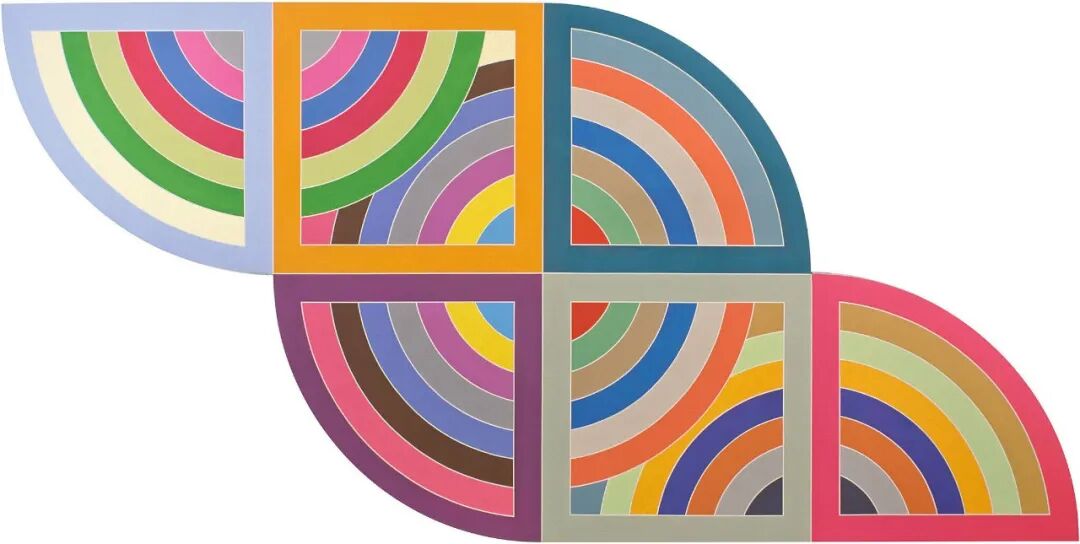
Within America itself, racial discrimination likewise cut deep scars across art history. The African American abstract painter Ed Clark was among the earliest to work on shaped canvases, and he also pioneered the method of using a push-broom to paint on the floor at large scale. Yet these innovations were at the time credited to his white contemporaries, such as Frank Stella. Stella became a postwar American art superstar, his works reaching US$28 million, while Clark’s pioneering contributions were buried under the dust of history. The ledger of art history is clearly not kept fairly according to who came first.
(3) The Blind Spot of Temperament and Choice: the “Losers” Who Rejected Capital
Art history favours artists who are sociable, know how to self-promote and can dance with power and capital. Those creators who are reclusive, refuse commercial machinery and voluntarily stand outside the circles-however towering their talent-tend to be forgotten by history.
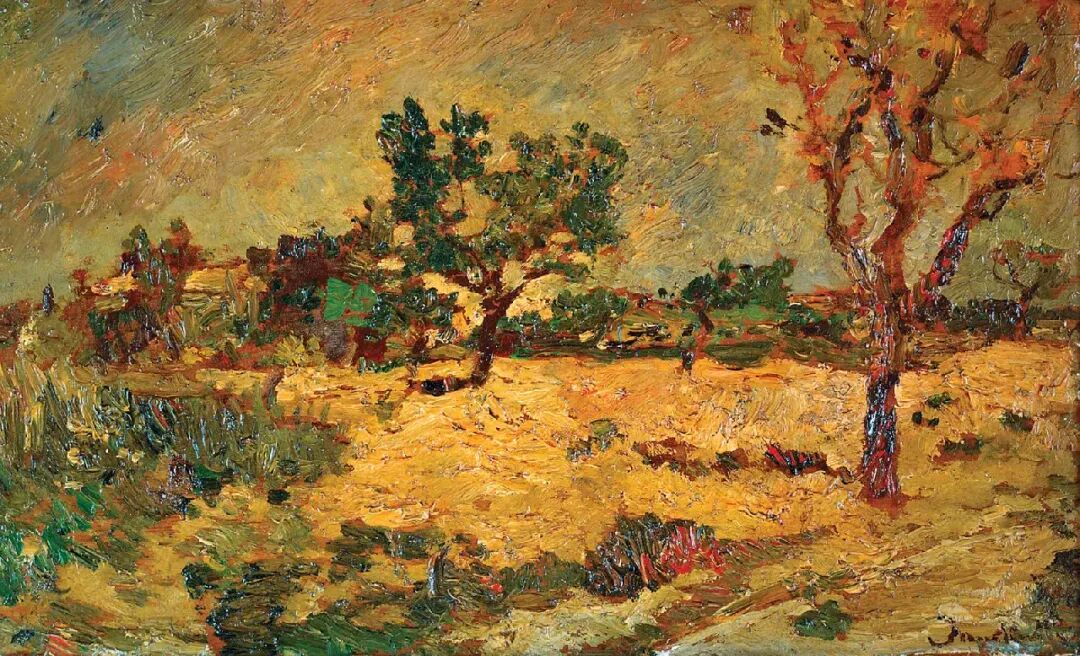
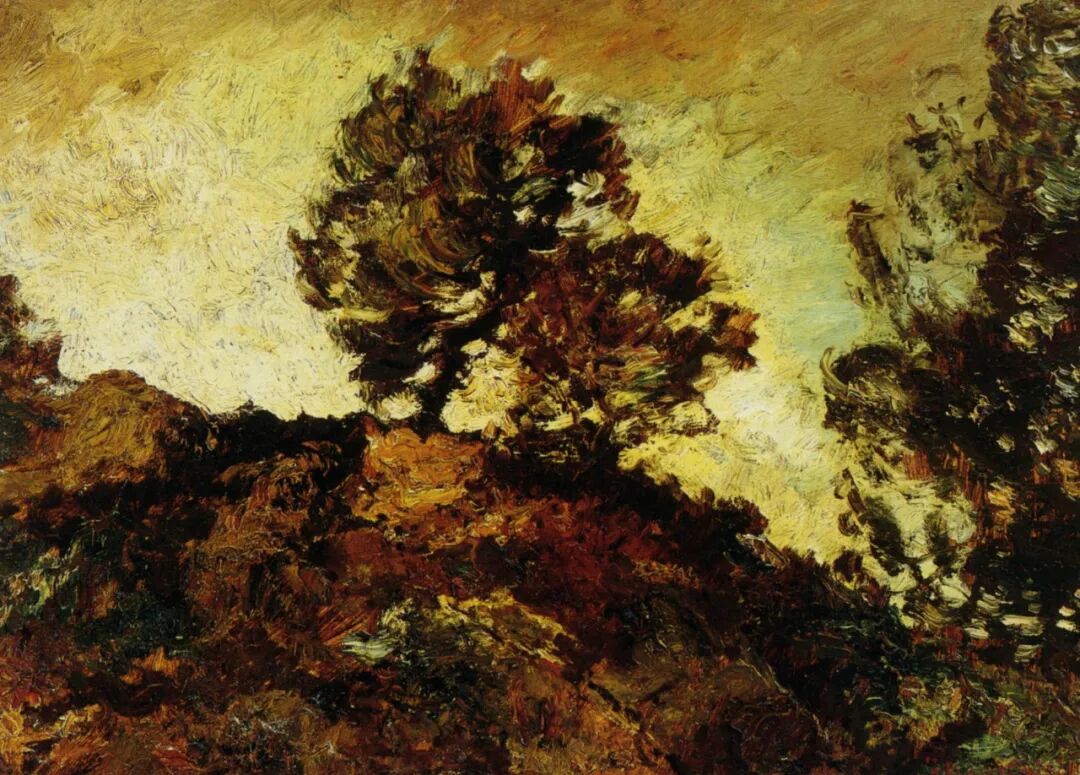
Van Gogh is the classic case of success after death, but in his lifetime there was a “mentor” he revered intensely yet who was ultimately submerged by history-Adolphe Monticelli. This nineteenth-century French painter was known for his extremely impastoed paint, wild brushwork and incandescent colour; Van Gogh wrote, “I believe I am continuing his work.” Monticelli’s style directly inspired the formation of Van Gogh’s late manner. Yet Monticelli was eccentric, disliked the Paris art world and early returned to his native Marseille to live in seclusion, dying at last in poverty and misunderstanding. Critics mocked him as a “madman,” and his works were hard to sell. When Van Gogh’s Dr Gachet fetches a staggering US$82.5 million, Monticelli’s name is scarcely known. Monticelli’s superb chromatic expressiveness and emotional tension crossed the market’s cold shoulder and found spiritual rebirth in Van Gogh’s hand. This precisely proves that truly formidable artistic affect can sometimes penetrate the blockade of capital and institution, completing its relay in history’s undercurrents.
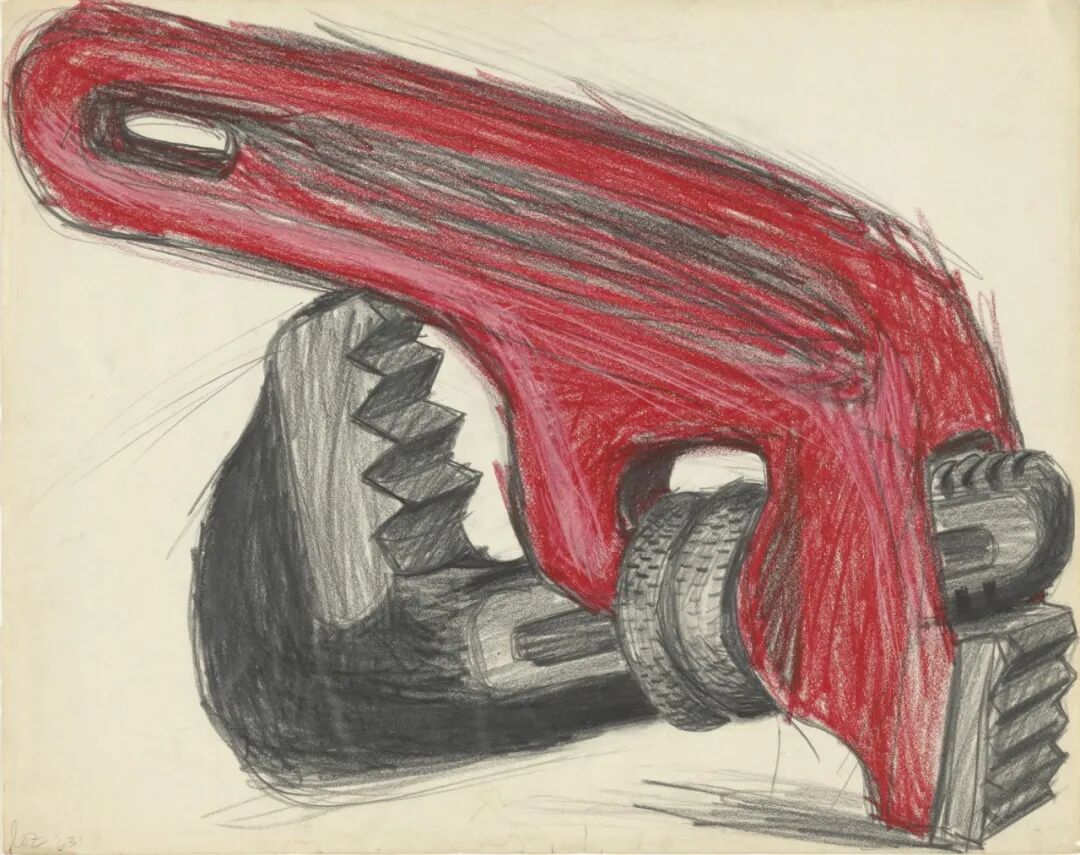
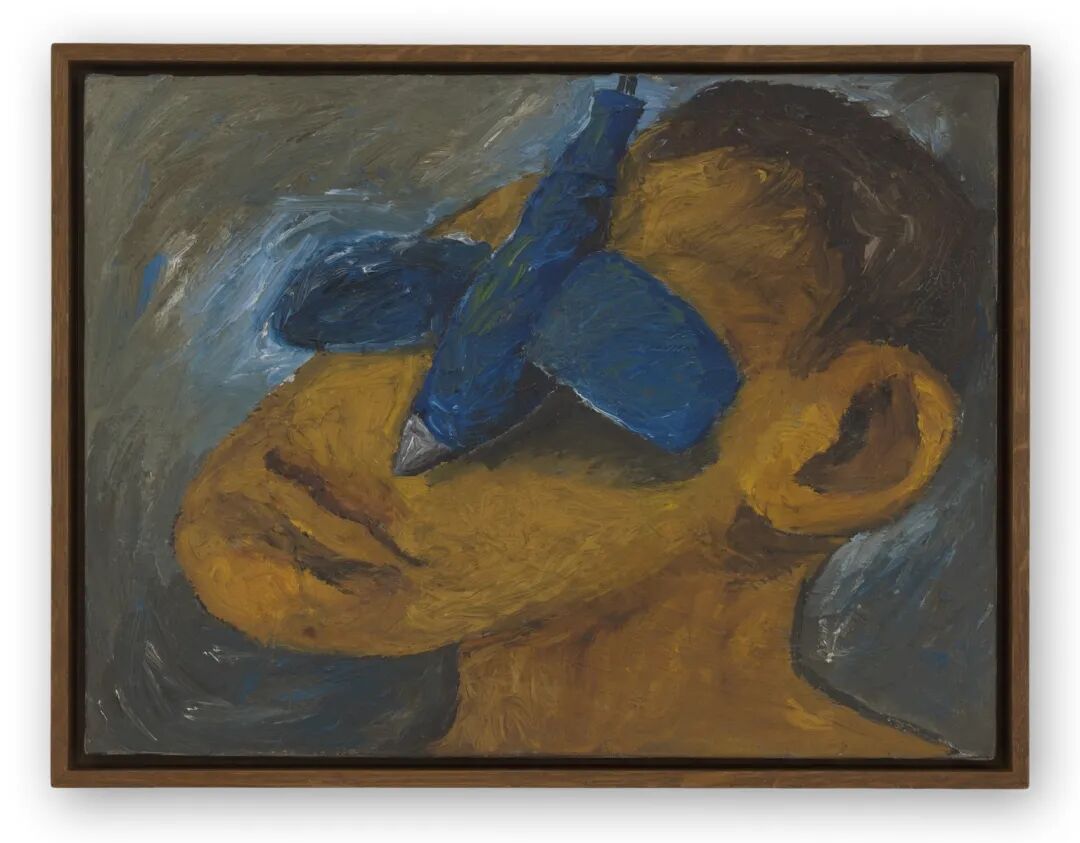
The American conceptual artist Lee Lozano is a case of active rupture with the art institution. In the 1960s she produced a great body of deeply thoughtful paintings and conceptual works. But she grew disgusted with the commercialisation and sexism of the art world, and in the end turned her very act of “withdrawal” into an ultimate conceptual artwork. She declared a boycott of the art world, stopped creating, and in her later years even refused to speak with any woman. In the most thoroughgoing way she resisted the institution she despised, but paid for it with erasure from mainstream art history. Her male conceptual contemporaries, such as Sol LeWitt, still command million-dollar values on the market, while Lozano became a legendary “missing person.”
(4) The Blind Spot of Luck and Timing: Born or Dying at the Wrong Moment
Finally, pure luck and timing play a cruel role in an artist’s historical renown. The fate of the German-Jewish painter Charlotte Salomon is heartbreaking. Under the shadow of the Nazis, at just twenty-six, before being sent to Auschwitz, she frenziedly created an autobiographical work of nearly 800 gouaches, Life? or Theatre? The work fuses painting, text and music; its form is radically avant-garde, its emotion shattering. Yet Salomon and her child died together in the gas chamber. Her masterpiece was not discovered until after the war, and for long was treated more as “Holocaust historical document” than as “masterpiece of art history.” The atrocity of history not only ended her life but severed the brilliant trajectory she should have had in art history. Salomon’s artistic life is forever frozen at twenty-six.
By examining these obscured stars, we glimpse the vast darkness behind the filter of mainstream art history. It cruelly reminds us that what we see is far from the whole truth.
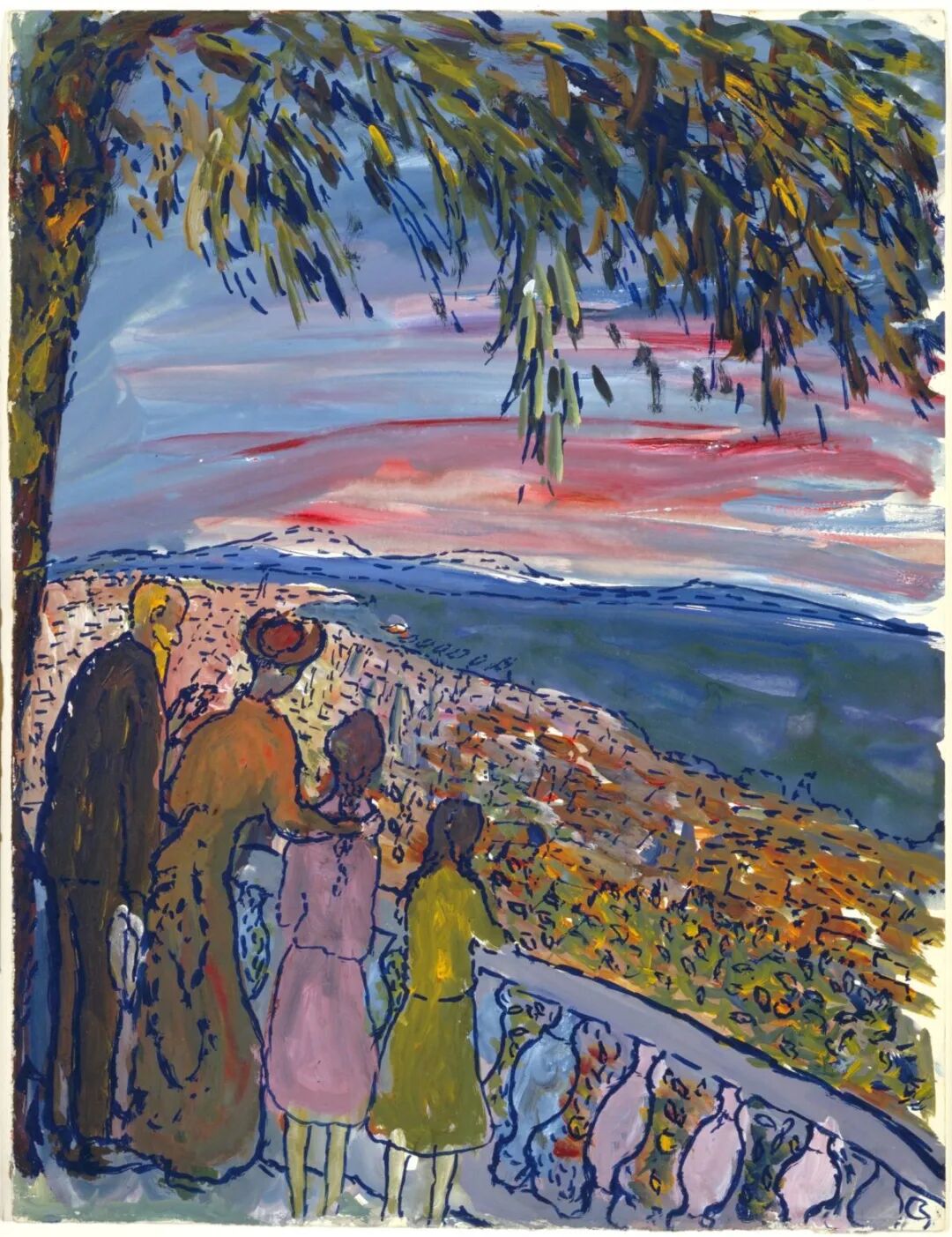
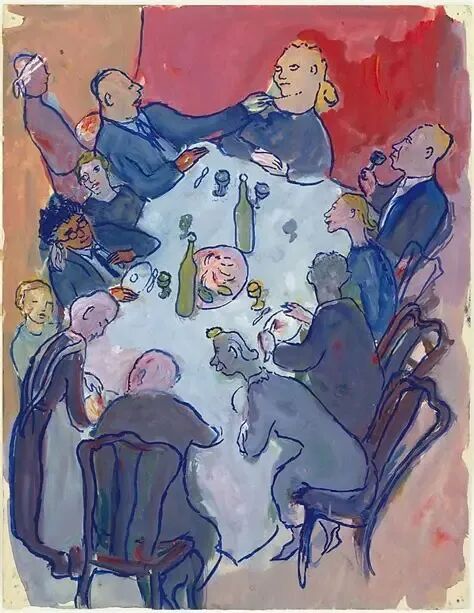
Works by the German-Jewish painter Charlotte Salomon, aged just twenty-six
Chapter Five: Rewriting and Rehabilitation-Capital’s Re-harvest and Art History’s “Pseudo-pluralism”
In recent years we seem to have witnessed an encouraging trend: major museums, biennials and the art market worldwide have grown keen on “rediscovering” and rehabilitating the women, ethnic minorities and marginalised artists once forgotten by art history. Hilma af Klint’s Guggenheim exhibition drew crowds; the market prices of Lee Krasner and Joan Mitchell have repeatedly hit new highs; works by African American artists have become the new favourites at auction. All this appears to be a correction of past injustice, a sign that the art-historical narrative is moving toward genuine pluralism and inclusion.
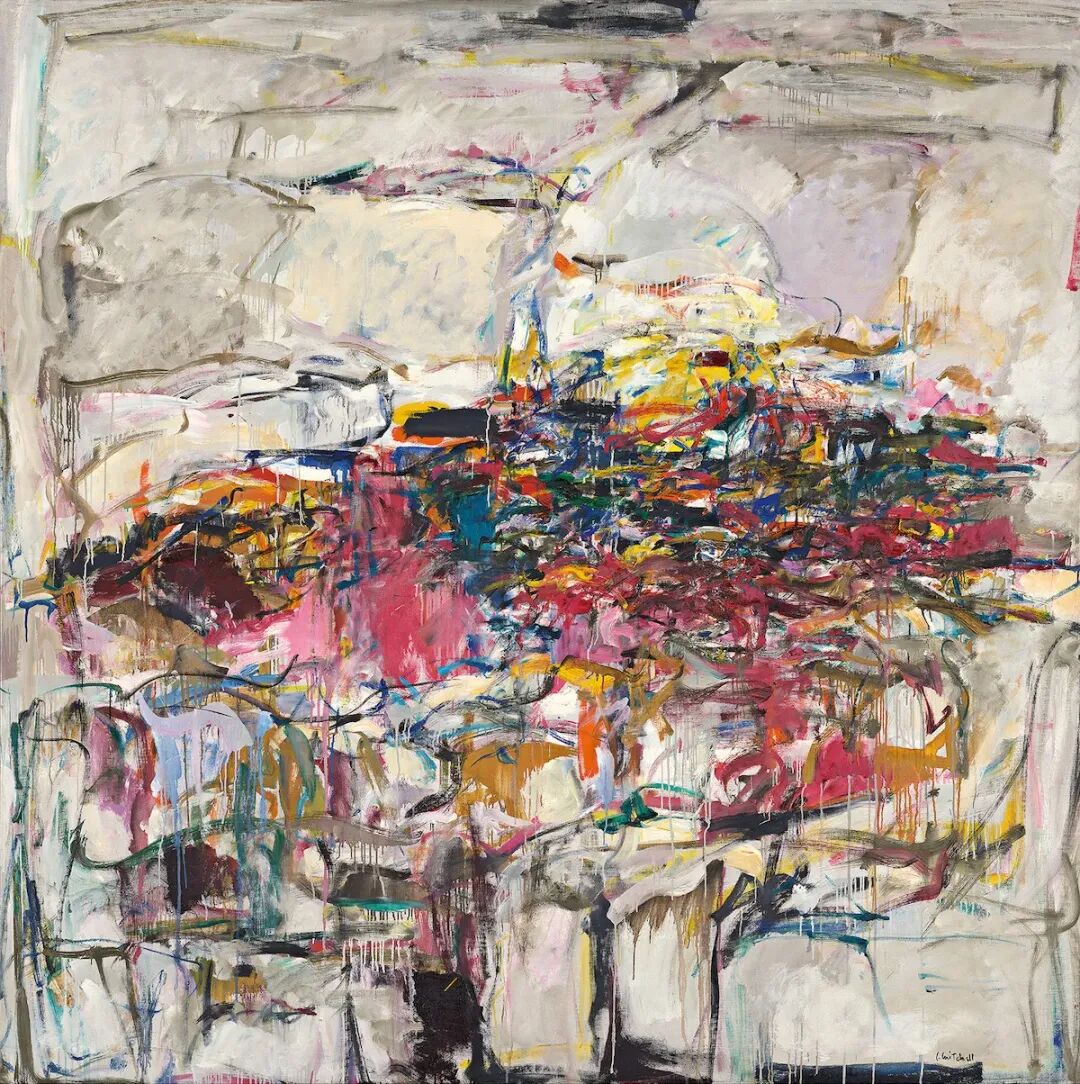
Yet we must regard this fervour with a more cautious, even cold, eye. Is this truly a profound self-reflection and structural change? Or is it capital seeking new value depressions for a more cunning “re-harvest”?
When the prices of modernist masters-centred on white men-have reached astronomical figures and market growth room has grown limited, capital’s profit-seeking nature inevitably drives it to seek out “undervalued” sectors. Those artists who rival the masters in artistic attainment yet were long undervalued by the market because of gender, race and the like are, unquestionably, perfect “new blue chips.” Galleries, auction houses and speculative capital, through staging exhibitions, academic symposia and media hype, rapidly “brand” these forgotten artists and drive up their market prices, reaping enormous returns in the short term.
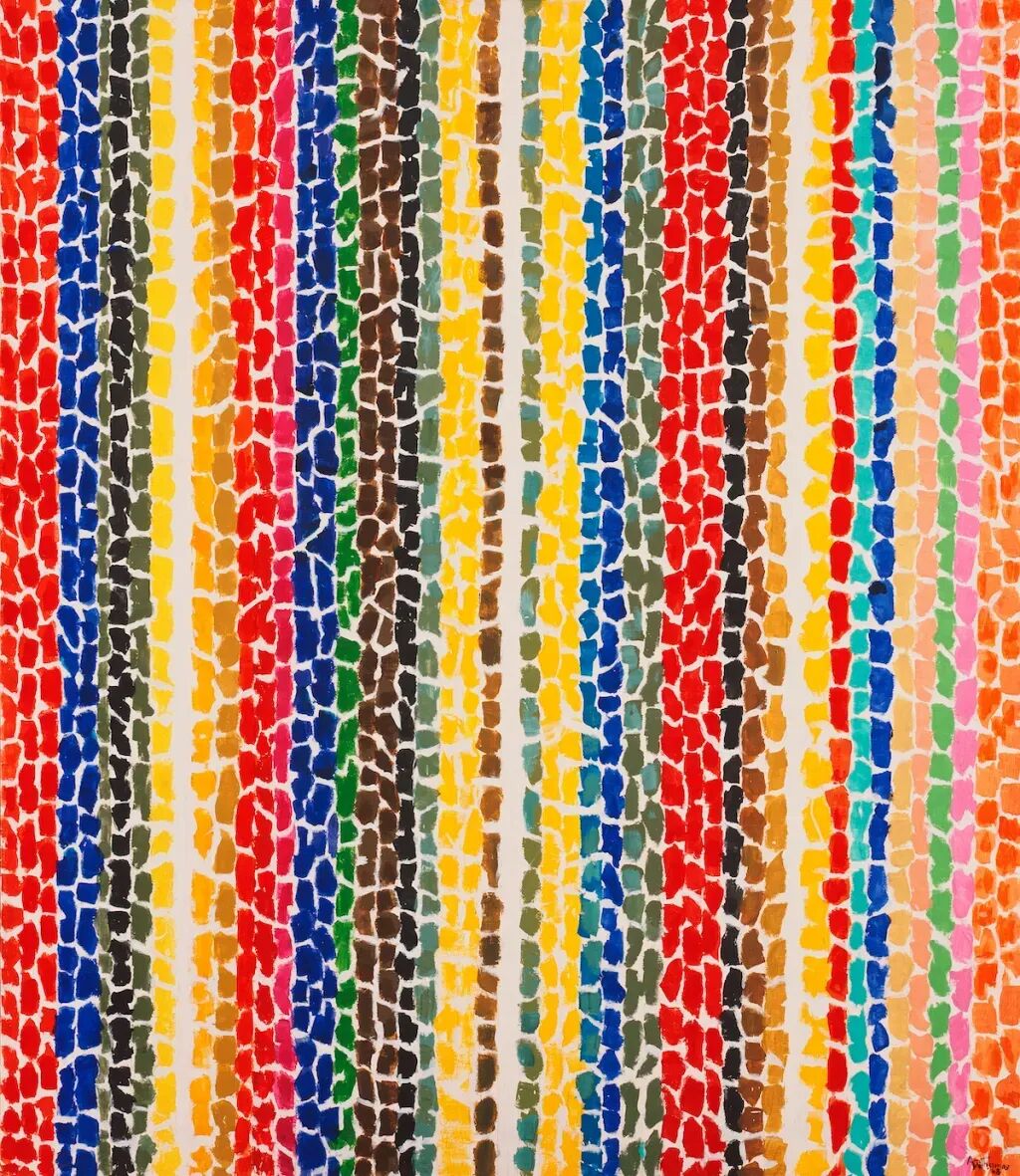
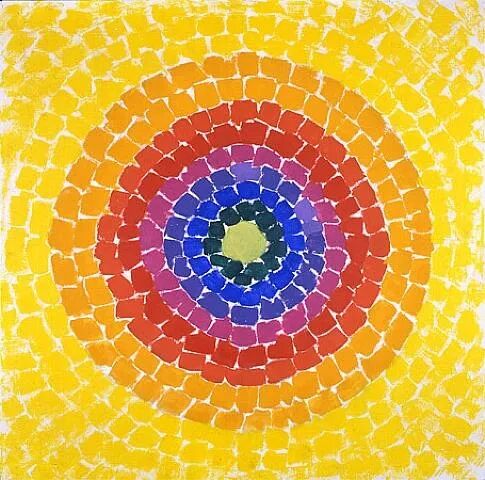
Take the African American woman artist Alma Thomas: for most of her life a high-school art teacher, she began to create wholeheartedly only after retirement. Her vital, colour-saturated abstractions long commanded very low prices before the market’s recent fervour. Her identity as a “late bloomer plus Black woman,” once the reason for her neglect, has now become a highly attractive market narrative. In this process, the pure and profound philosophical gaze at cosmos and nature in her paintings, and her superb sense of colour rhythm, are ruthlessly flattened by the market into a politically correct label. What capital pays for is no longer her artistic height but her identity sign.
This “rehabilitation” is, in many cases, not aimed at overturning the old power structure but at “patching” and consolidating it. The mainstream discourse absorbs former marginals to display its own “openness” and “inclusiveness,” thereby dissolving external criticism of its closure and conservatism and further consolidating its legitimacy. The former “other” is co-opted into the institution, becoming an ornament that proves the institution’s “pluralism.” More insidiously, this co-optation is often accompanied by the “detoxification” of the work’s core criticality: the institution transforms originally sharp, marginal expression into safe, pleasing visual consumer goods. Those chosen tend to be artists whose style can be understood and accepted by the existing art-historical frame. Those who are truly subversive in thought and form, and cannot be easily commodified, remain excluded.
Thus what we call the “rewriting of art history” may, to a great extent, be merely a “narrative expansion.” The pyramid’s structure has not changed; only some new names have been added at its base and middle, while the composition of its apex and the mode of distributing power remain as before. This spectacle of “pseudo-pluralism” may give us a false sense of security, as if the problem were being solved, thereby blinding us to the more fundamental, capital-oriented selection mechanism still operating efficiently behind it. True reflection should not stop at rehabilitating a few forgotten names, but keep asking: what system caused their original forgetting? Does that system still exist today?

Conclusion: Toward an Art Ecology without Authority
When we peel away the layered gilt of power from art history, what appears before our eyes is not a pure temple of “beauty” but a sociological labyrinth jointly poured from capital, gender privilege, geopolitics and contingency. The so-called “canon” is merely the victory declaration of survivors who, in the long river of history, happened to stand on the right side, catered to the capital logic of their age and won the backing of power. As Bourdieu said, taste is not innate but the product of class habitus, a tool for marking social hierarchy. The canon of art history is precisely the concentrated embodiment of this “legitimate taste.”

This is not to deny wholesale the artistic value of Leonardo, Picasso or Pollock, but to break a dangerous narrative inertia-the assumption that artists not written into textbooks or failing to fetch astronomical prices at Sotheby’s are necessarily inferior in soul and talent.
We must realise that what mainstream art history offers us is forever only a one-dimensional perspective of “what others wish us to see.” It cruelly excises the recluses who were poor at ingratiation, the women bound by family and patriarchal society, the strangers outside the Euro-American white discursive circle, and the rebels who sought to resist the financialising institution of art.
Deconstructing the discursive power of art history is not to lapse into nihilism and declare “anything goes,” but to establish a more vital, more decentralised “rhizomatic” view of art history. Under this view there is no single trunk but countless interconnecting, ever-growing roots. Every artist, regardless of gender, race or region, regardless of whether the market accepts them, is a valid node in this immense network.

True art never needs an absolute authority to crown it. The value of art should ultimately return to its connection with individual lived experience. Imagine: when we no longer use Christie’s hammer price and MoMA’s collection list as the sole yardstick of artistic value; when we learn to use our own eyes to gaze upon the stars obscured by history’s spotlight, to listen to the whispers silenced by grand narrative; when we dare to build our own private, living connection to art-only then can art truly break free of the shackles of power and capital and return to its most authentic meaning: as the freest, most diverse and most profound expression of the human spirit. Of course, exactly how to do this lies beyond the scope of this essay; I shall continue to explore it in further writing, and look forward to your corrections and joint effort.
Borrowing from the poem by William Blake:
“If the doors of perception were cleansed, everything would appear to man as it is, infinite. For man has closed himself up, till he sees all things through narrow chinks of his cavern.”
Mainstream art history may have ossified, but the plural art narratives belonging to countless individuals are only just beginning. Break the filter, refuse to be fed. The ultimate loop of art history is not completed in the museum’s exhibition hall but in the gaze of every individual. Each viewer’s independent and careful gaze, resonance, criticism and reinterpretation is a small resistance to the ossified institution. Let us use our own seeing to reconstruct that starry sky which should have been infinitely radiant.
订阅艺术评论
订阅即赠《2024中国当代艺术关键词》内部思考笔记 PDF
每周免费获取最新当代艺术批评与研究