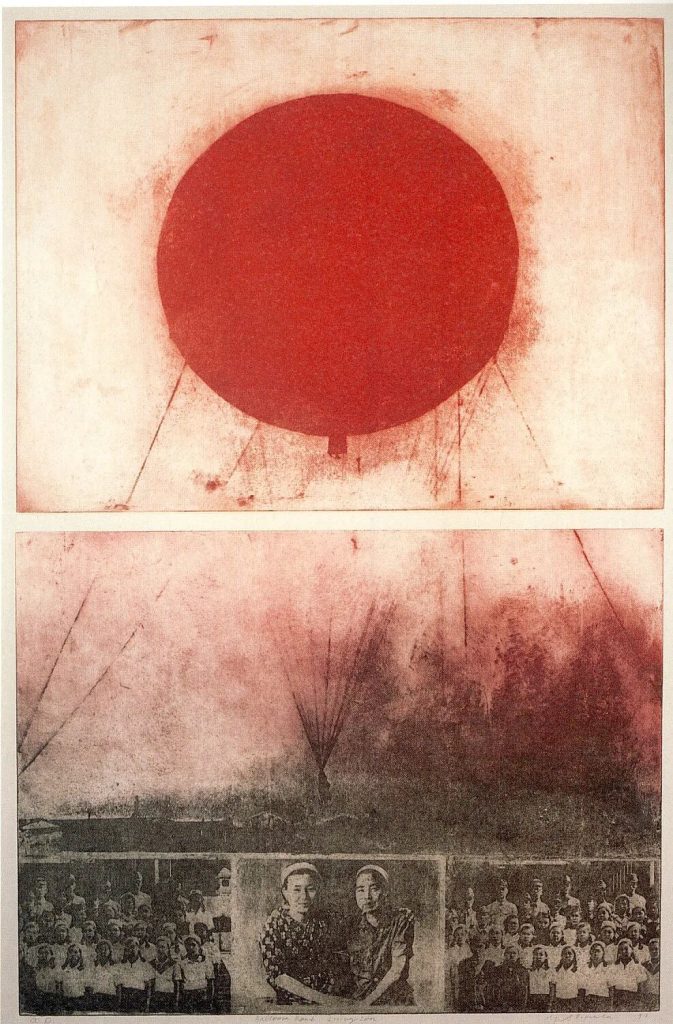
日本反战女艺术家嶋田美子:以“身体”的脆弱对抗日本权力叙事
艺术可以成为一种强大的媒介。在战后的日本当代艺术中,一部分艺术家选择探索纯粹的美学形式,另一部分则将艺术视为介入社会、诘问历史的锐利武器。出生于1959年的日本艺术家嶋田美子(YoshikoShimada),无疑是后者的杰出代表。

艺术可以成为一种强大的媒介。在战后的日本当代艺术中,一部分艺术家选择探索纯粹的美学形式,另一部分则将艺术视为介入社会、诘问历史的锐利武器。出生于1959年的日本艺术家嶋田美子(YoshikoShimada),无疑是后者的杰出代表。
Surveying Yoshiko Shimada’s prints, photography, performance and curatorial work since the late 1980s, Li shows how her practice dissects suppressed responsibility for Japan’s modern wars, above all the contradictory position of women as both victims and accomplices. He identifies three strategies: calculated appropriation of imperial imagery, collaborative body-narrative, and sustained dialogue with artists and institutions outside Japan. Thirty years of work demonstrate, he concludes, that before historical injustice silence is not an option.
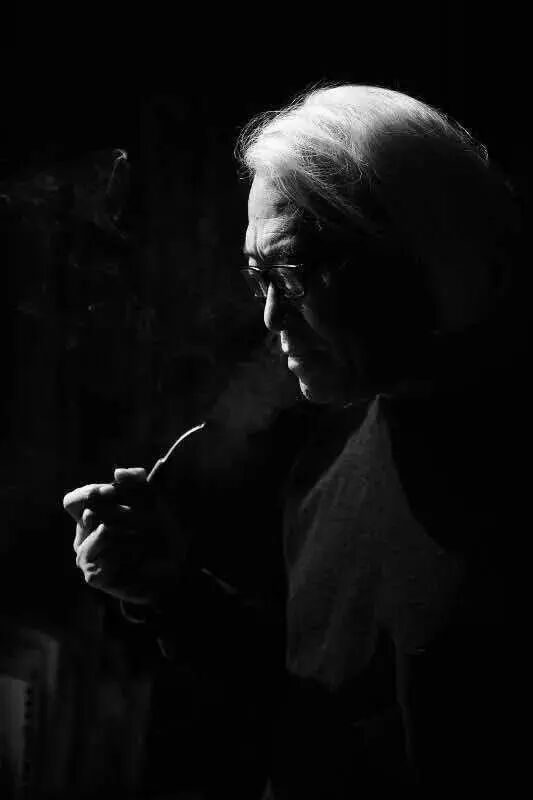
2025年9月1日上午,著名艺术批评家、诗人岛子因病在北京逝世,享年69岁。2025年9月1日,中国当代艺术界失去了一位沉静而深刻的求索者。老一辈艺术批评家、诗人、画家岛子(本名王敏)先生因病逝世,享年69岁。得知此消息,艺术界无不悲痛。
On the death of the critic, poet and painter Daozi (Wang Min) on 1 September 2025, Li traces an intellectual itinerary from Qingdao through Xi’an and Chongqing to Beijing. He examines what translating Lyotard taught Daozi about the end of grand narratives, his genealogical work on postmodern art, and his late practice of sacred ink, conceived as redemption within a theological horizon.
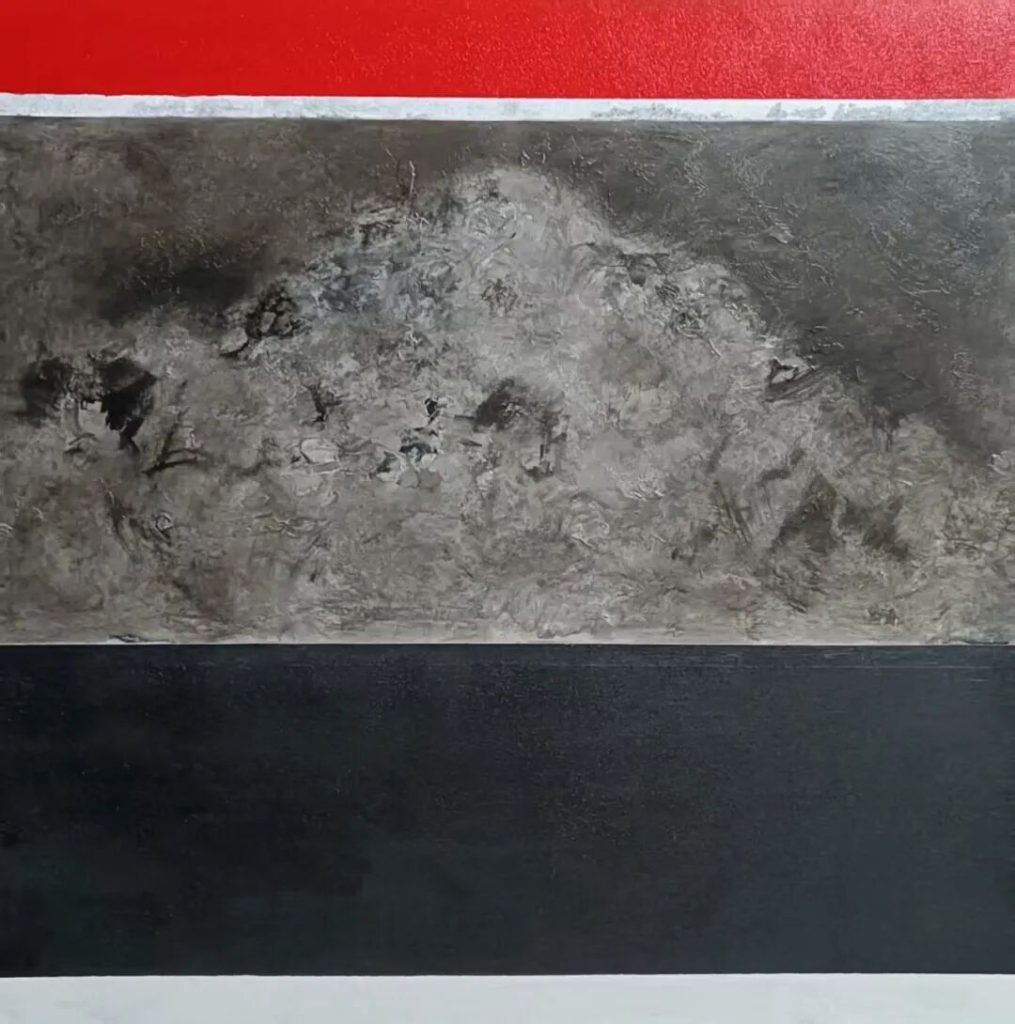
李友宜的“物性”绘画之路。倪瓒曾经写过两句诗“笑杀春工,细窥天巧,妙绝应难画”,写这个诗的时候倪瓒越发干净,画面疏疏淡淡,一片寒林,几块顽石,一石一木便成就了那种极简中的丰富。他反对天巧、妙绝,越深刻越简单,虚空非空,死中藏活,溥心畲说他“笔下松石皆具铮铮骨相”,这是行家的眼利。
Defining pharmaceutical dependence — from illicit drugs to the misuse of prescriptions — as a silent epidemic reaching office cubicles and suburban bedrooms, Li traces its roots along four lines: the brain’s reward circuitry, existential unbearability, structural social pressure and consumer culture. He then sets out five artistic strategies: confessional autobiography, cold metaphor, social documentation, visualised psychic landscape, and interrogation of the body.
Reading Li Youyi’s recent painting against Ni Zan’s aesthetics of barren cold, Li argues that the artist reworks a Chan-derived traditional spirit in a modern Western idiom: reduced form, restrained brushwork, empty passages and eroded surfaces together produce a post-industrial desolation. He presents this as an inquiry into matter itself, made in an age when everything can be reproduced instantaneously.
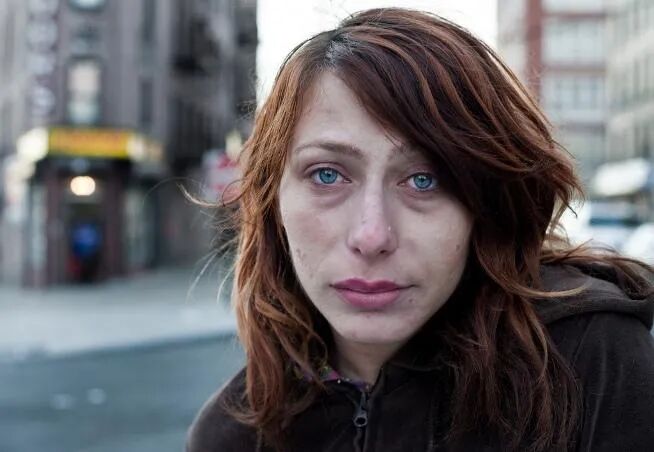
如何以“唤醒”之名直面他人药物痛苦的深渊。序~“艺术应该是形而上的救赎:它让人直面痛苦而不陷入悲观。悲剧的审美体验证明,即便人生最黑暗的深渊也能被赋予意义。
Taking the everyday environment of cameras, algorithms and protocols as its starting point, this essay reads surveillance through Foucault’s account of panopticism, in which the mere possibility of being watched internalises discipline. Li surveys nineteen artists — from Julia Scher, Trevor Paglen and Zach Blas to Xu Bing and Ge Yulu — asking how art exposes surveillance structures and reopens public debate on security and freedom.
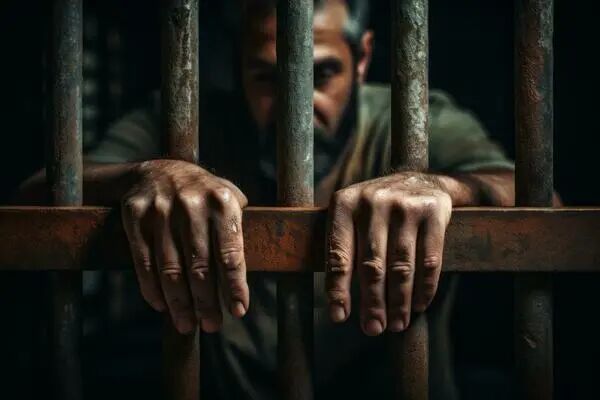
当代艺术介入社会问题的策略二。我们正行走于一片被摄像头、算法与无声的协议所覆盖的地面上。街角、医院、商场,甚至卧室门外的猫眼,皆可能成为数据采集的终端。在这个看似便利的时代,我们正逐步丧失作为人的最基本能力:被遗忘的权利、说“不”的权利、在不被记录的黑暗中思考的权利。
获取最新当代艺术批评与研究,直接送达您的邮箱