Prologue~
“Art should be a metaphysical redemption: it makes us face suffering without falling into pessimism. The aesthetic experience of tragedy proves that even the darkest abyss of a human life can be endowed with meaning.”
From Friedrich Nietzsche, The Birth of Tragedy (1872)
The American writer Leslie Jamison once wrote: “Our craving for the things we depend on is a childish fantasy that pain can be solved in one go.” Today, human society enjoys unprecedented advances in science and material civilisation even as it suffers the torments of a series of profound and complex “modern maladies”, and it is against this backdrop that “drug dependence” — a broad concept spanning everything from illegal narcotics to the abuse of legal prescription medication — has spread like a silent epidemic, quietly seeping into every corner of society, eroding the physical and mental health of individuals, tearing apart the bonds of family, and posing a grave challenge to public health and social stability.
It is no longer a distant label attached to marginalised groups, but a lived predicament that may lurk inside any gleaming office cubicle, any quiet suburban bedroom, even in the hands of anyone who has ever received a first prescription for the relief of pain.
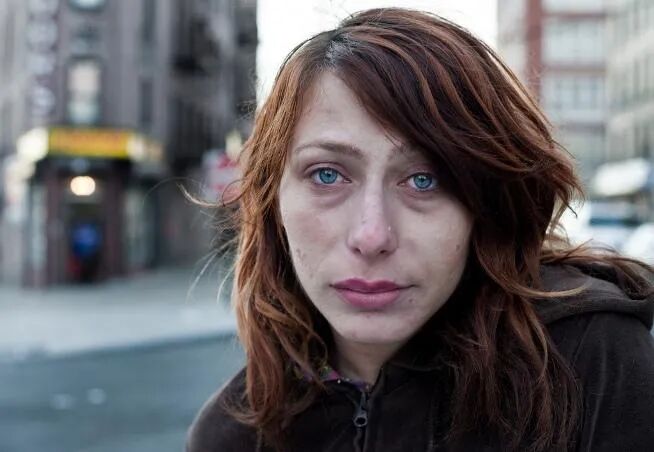
One from Chris Arnade’s photographic series Faces of Addiction
Why does this problem appear so especially acute in contemporary society? Do its roots lie merely in individual weakness of will, or do they point to the structural ills of the age we inhabit? When society cuts a person off from every bond of belonging, drugs become a single-plank bridge out of the island of social isolation. Yet when we take the measure of the problem with the rulers of medicine, sociology and psychology, what we usually obtain is data, models and theory.
Yet these rational analytical frameworks sometimes fail to reach the fathomless pain, loneliness, alienation and longing concealed behind addictive behaviour. It is here that contemporary art — with its singular sensitivity, its intuition and its critical force — offers us another indispensable vantage point. With their bodies, their lives and their work, artists become the witnesses, chroniclers and reflective consciences of this age. Diving into that “abyss in the mirror”, they bring before us, with tremendous visceral impact, the complex human struggles, social contradictions and cultural symptoms that lie behind drug dependence.
This essay sets out to examine in depth the severity of drug dependence in contemporary society and its tangled, deep-struck roots, and to focus in particular on a group of contemporary artists who have dared to confront the issue head-on. We will look closely at the work of more than ten artists, among them Nan Goldin, Damien Hirst, Jean-Michel Basquiat, Yayoi Kusama and Tracey Emin. Through a reading of their practice we seek to understand: how does art reveal the individual experience and the social reality of drug dependence? What visual strategies and modes of expression do these works hold in common? And finally, through this mirror of art, we may perhaps come to understand this modern crisis more profoundly, and to examine ourselves and the world we inhabit with an eye at once more compassionate and more critical.
Part One: Runaway Prescriptions and Diffuse Shadows — The Severity of Drug Dependence in Modern Society
In conventional thinking, “drug dependence” is readily equated with illegal narcotics such as heroin and cocaine, and closely bound up with words like crime and degradation. The gravity of the problem today, however, lies precisely in the blurring of its boundaries and the diversification of its forms. Long since overflowing the confines of the underworld, it has walked, brazen and unashamed, into our medicine cabinets, our hospitals and our everyday lives.
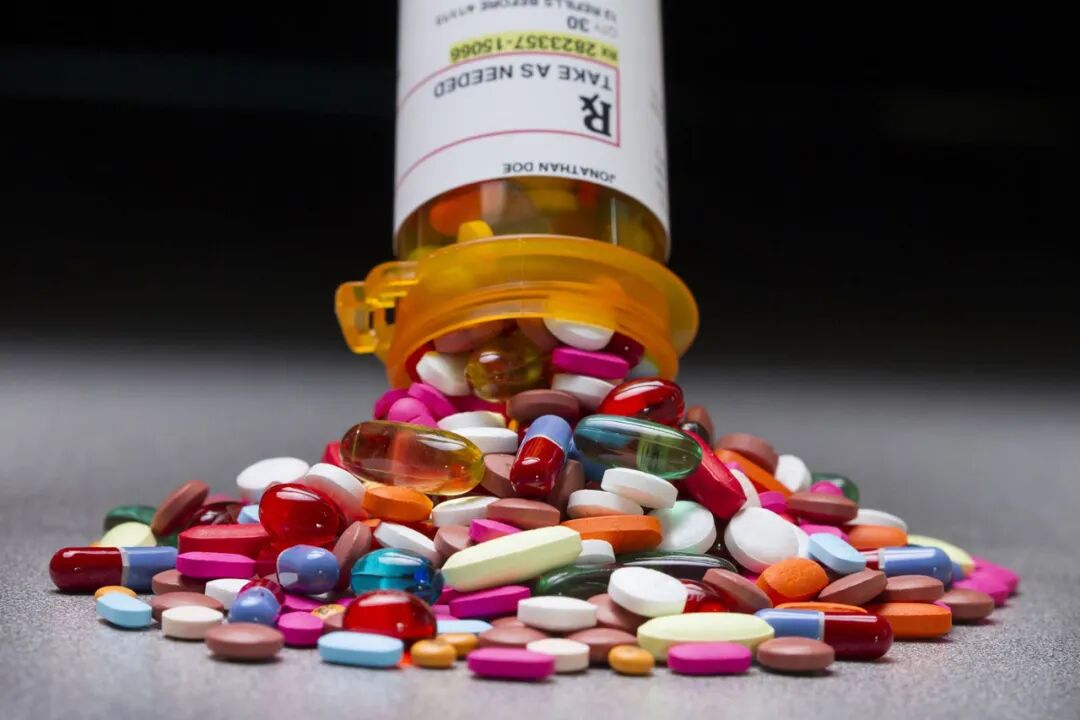
1. From “Narcotics” to “Medicines”: The Dissolution of the Boundary
One of the most salient features of contemporary drug dependence is the drastic widening of the population it ensnares, above all through the abuse of prescription drugs — opioid painkillers, sedatives and stimulants. The United States offers a painful lesson in the “opioid crisis” that began in the late 1990s. Pharmaceutical companies pushed hard the “low addictive potential” of their opioids, and doctors, under the slogan that “pain is the fifth vital sign”, wrote prescriptions on a massive scale. Millions of ordinary people — construction workers injured on the job, housewives recovering from surgery, the elderly in the grip of chronic pain — slid, step by step, down entirely legal, entirely compliant medical pathways towards the abyss of dependence.
When the prescriptions were cut off, many of them turned to cheaper, more accessible heroin or fentanyl. The crisis exposes a terrifying reality: under the collusion of the modern medical system and consumerist culture, treatment and addiction are separated by no more than a hair’s breadth.
2. The “Medicalisation” and “Commodification” of Mental Suffering
Just as thoroughly medicalised as physical pain is the mental suffering of modern people. In a society devoted to efficiency and the cult of optimism, negative emotions — anxiety, depression, insomnia — are treated as malfunctions in need of rapid “repair”. Anti-anxiety drugs, antidepressants and sleeping pills have accordingly become the “crutches” with which many people cope with the pressures of life. Society is far more accepting of these drugs than of illegal narcotics, and users readily rationalise their dependence in the name of “treatment”. This cultural atmosphere inclines people to seek a chemical shortcut around pain rather than to confront and work through its causes. Drugs have, in a sense, become a commodified “sense of happiness” and “sense of normalcy”.
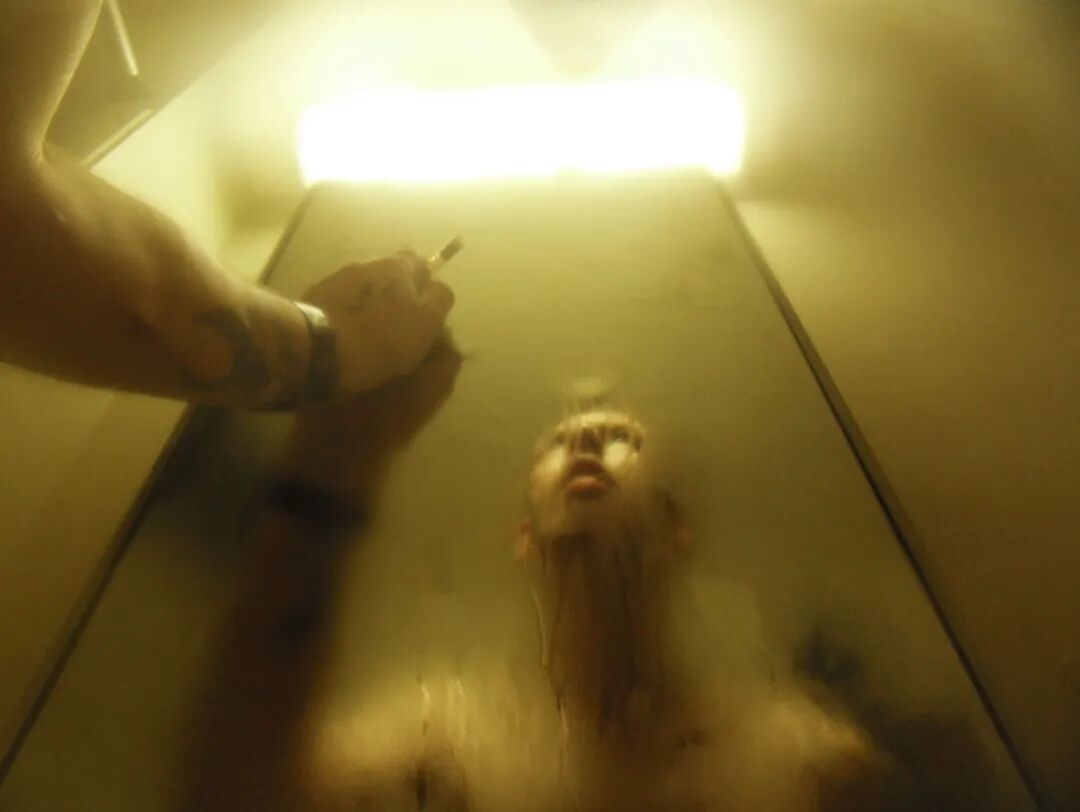
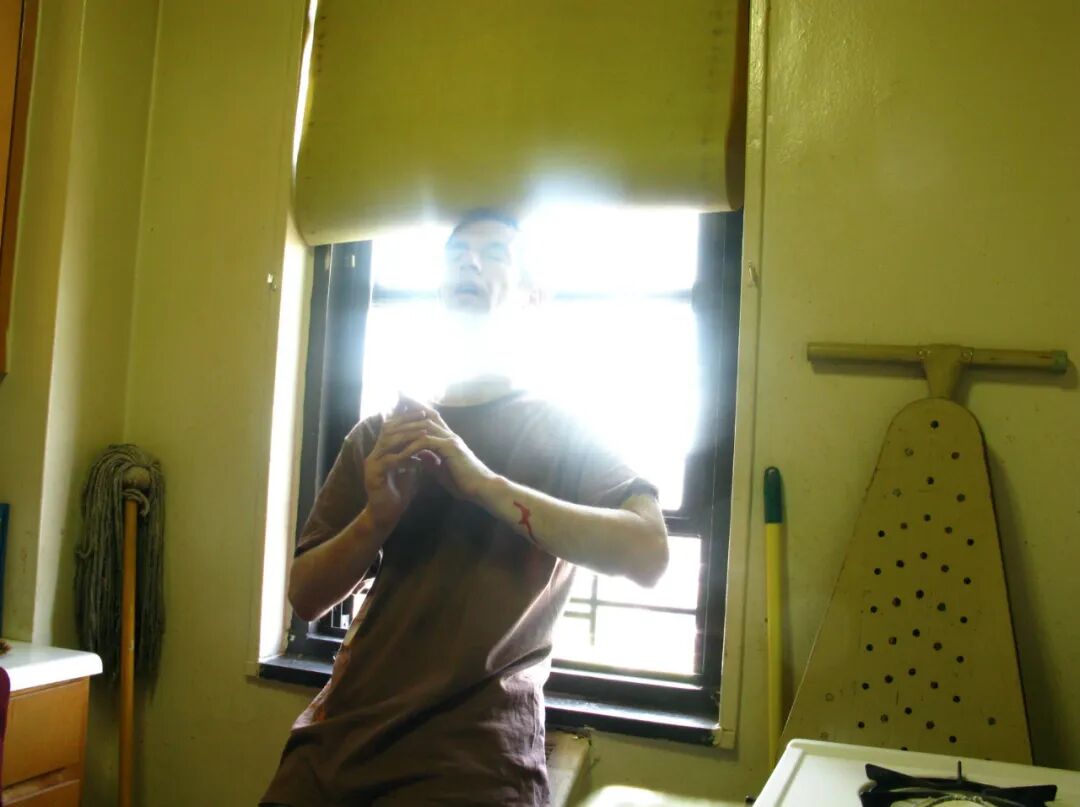
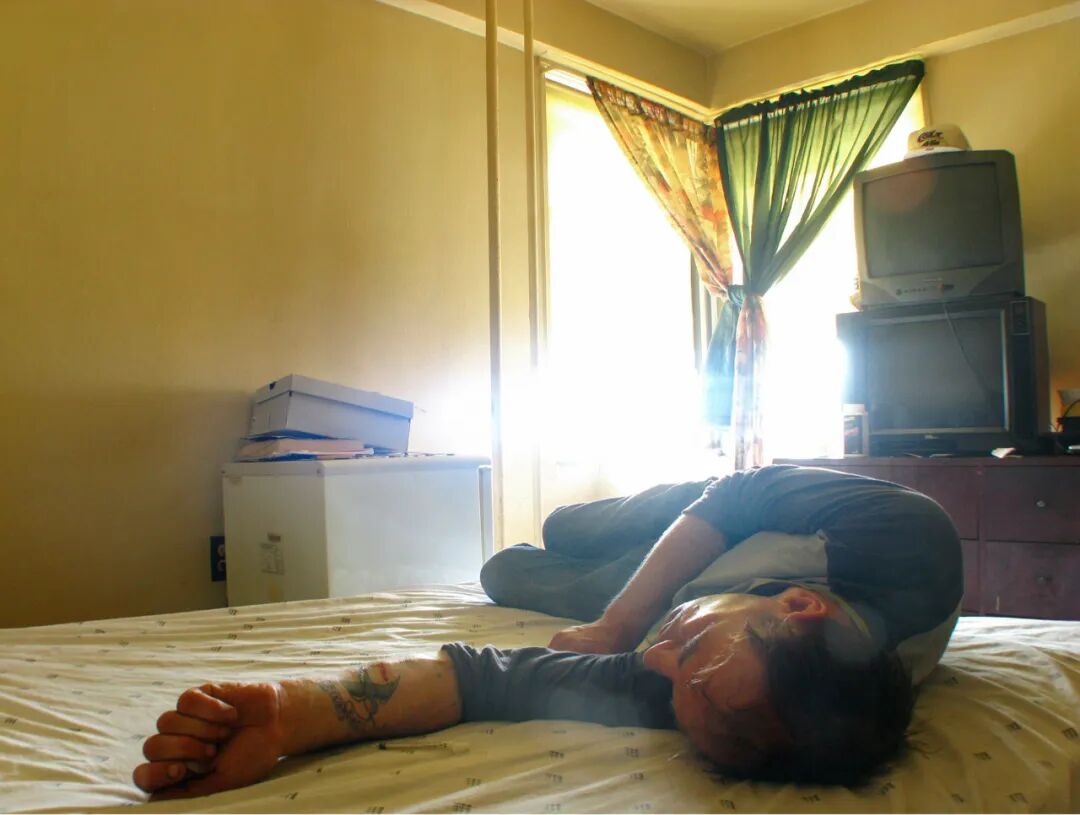
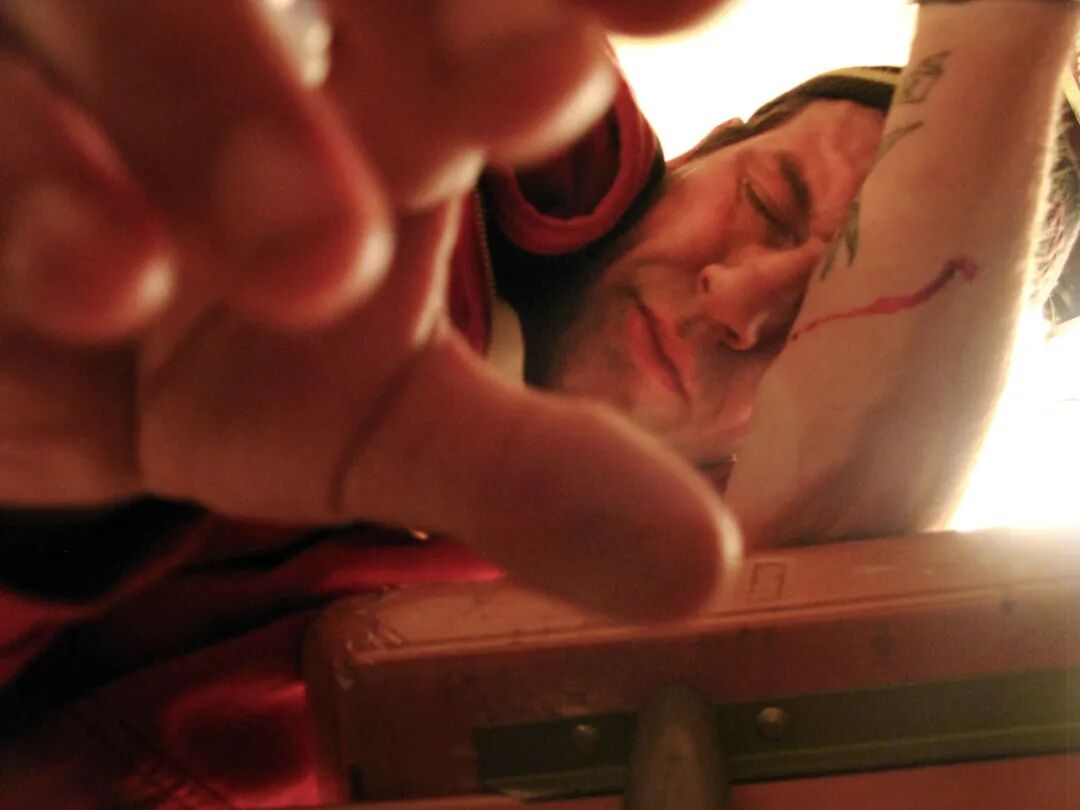
These images from the photographer Graham MacIndoe’s defining series Coming Clean confront, with quiet force, the destructive reality of drug dependence.
3. The Twofold Erosion: Of Individuals and of Society
The severity of drug dependence is manifest in its devastating consequences.
For the individual: it brings not only devastating health problems (organ damage, fatal overdose, psychiatric disorders) but the destruction of a person’s social functioning. The dependent gradually loses the capacity to work, the sense of responsibility towards family and the ability to interact with others; life is reduced to the single loop of “seek–acquire–use”, ending at last in complete social isolation and self-exile.
For society: drug dependence places an unbearable burden on public health systems, including emergency care, long-term nursing and the treatment of related diseases such as AIDS and hepatitis. At the same time it is tightly interwoven with a series of other social problems — rising crime, falling productivity, family breakdown — and has become a powerful force tearing at the social fabric. According to some statistics, the opioid crisis alone has cost the United States trillions of dollars in economic losses and hundreds of thousands of lives.
4. The Catalyst of the Digital Age
The spread of the internet and globalised logistics networks have, in their way, poured fuel on the flames. The dark web has become a breeding ground for the trade in new psychoactive substances, while subcultural groups on social media may, without anyone noticing, “glamorise” or “normalise” drug abuse. The rapid circulation of information allows the means of obtaining every kind of drug, and the “user experience” it affords, to spread ever more widely, further lowering the threshold of contact and experimentation.
To sum up, drug dependence is so grave a problem today because it is deeply embedded in the structural contradictions of modern society. It concerns how we define pain and health; it concerns the conflict between medical ethics and commercial interest; it concerns how consumerist culture shapes our desires; and it concerns where the individual, in an increasingly atomised society, is to lay his or her spiritual suffering.
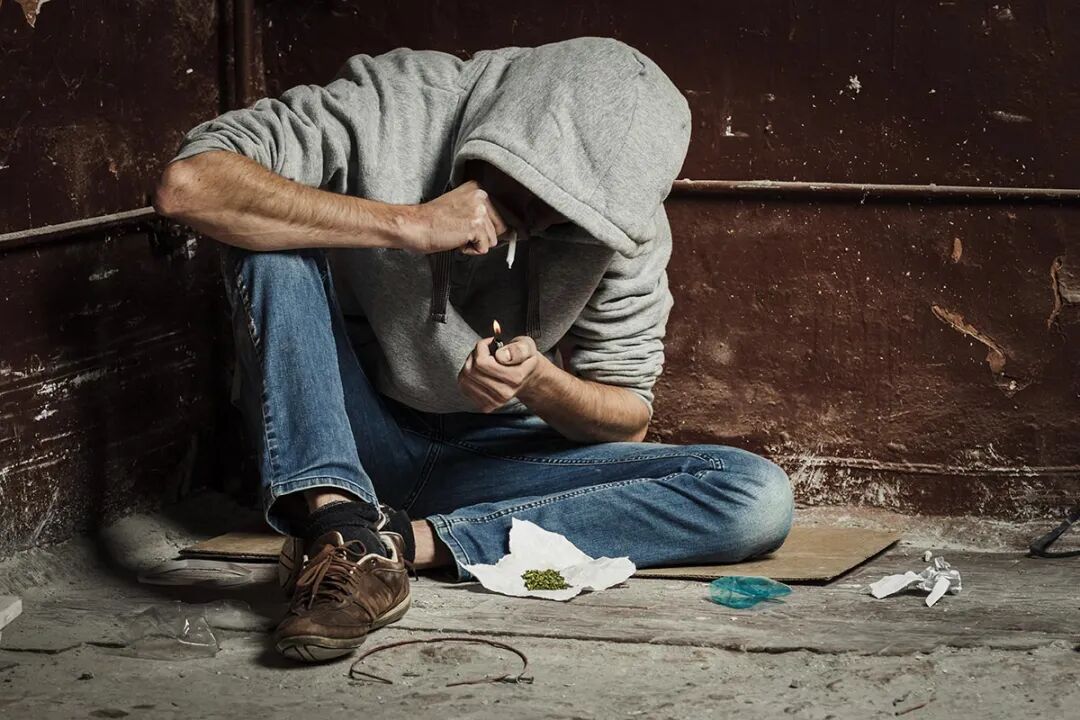
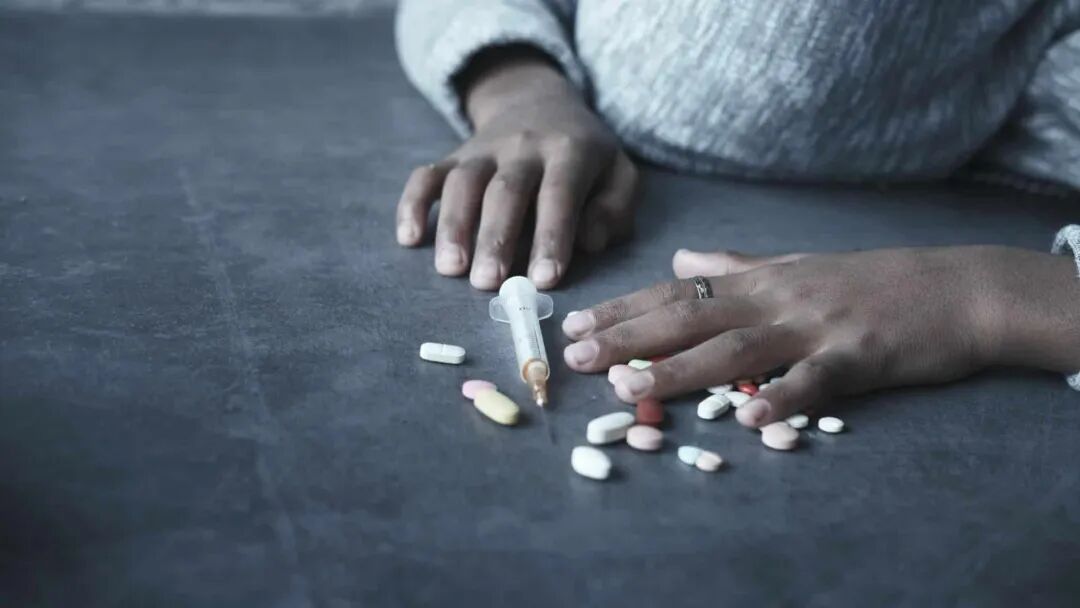
To attribute drug dependence simply to a failure of individual willpower is a shallow and cruel form of stigmatisation. Addiction is in fact an extremely complex phenomenon; its roots form a labyrinth in which biological, psychological, social and cultural pathways intertwine.
1. Biological Roots: The “Reward Circuit” in the Brain
From a biological perspective, the core of addiction lies in the hijacking of the brain’s “reward circuit”. Regulated by neurotransmitters such as dopamine, this system exists to reinforce behaviour essential to survival, such as eating and reproduction. Addictive drugs can mimic or powerfully stimulate the release of dopamine, producing an intensity of pleasure far beyond anything natural rewards can offer. Long-term use brings neuroadaptive changes in the brain: the sensitivity of dopamine receptors declines, so that the individual loses interest in natural rewards and can feel “normal” only on the drug; at the same time the prefrontal cortex, which governs decision-making and impulse control, is impaired, giving rise to compulsive drug-seeking behaviour. Genetic factors play their part as well: certain gene variants may increase an individual’s susceptibility to drugs.

2. Psychological Roots: The Unbearable Lightness and Weight of Life
Psychological factors are a crucial link on the road to addiction.
A large body of clinical research shows that traumatic experiences in childhood — abuse, neglect, domestic violence — are important risk factors for drug abuse in adult life. Drugs become a means of self-healing, a chemical shield for numbing the memory of trauma and fleeing unbearable emotional pain.
Mental illnesses such as depression, anxiety disorder, bipolar disorder and post-traumatic stress disorder (PTSD) frequently appear alongside drug dependence (comorbidity). Patients may use drugs to “self-medicate”, attempting to relieve psychiatric symptoms, only to sink into the quagmire of dependence, which renders the original problem still more complex.
Against the backdrop of modernity’s intense rationalisation and secularisation, some people feel a profound existential emptiness and a loss of any sense of meaning. Drugs — hallucinogens in particular — can supply a fleeting “spiritual experience”, a sense of “transcendence” that frees the user, for a time, from the bonds of mundane reality and delivers a psychedelic feeling of oneness with the world.
3. Sociological Roots: Structural Pressure and Social Alienation
The suffering of the individual is often a refraction of the problems of society.
Socioeconomic status and inequality: poverty, unemployment, lack of educational opportunity and residence in disordered neighbourhoods are all important social risk factors for drug abuse. When real life is steeped in despair and every route upwards has been blocked, drugs offer a cheap, temporary escape. It is no coincidence that the worst-hit regions of the opioid crisis are so often the industrial “rust belts” left to decay by globalisation.
Social alienation and the absence of support systems: the atomising tendency of modern society has gradually weakened traditional family structures and communal ties. The individual’s sense of isolation deepens, and when difficulties arise there is no effective social support network to fall back on. Drugs, at such moments, become — lamentably — the lonely person’s “companion”.
Subculture and peer pressure: within particular adolescent or youth subcultures, the use of certain drugs may be taken as a mark of rebellion, of coolness, of belonging to the group. Peer pressure plays a powerful catalytic role here.
4. Cultural and Philosophical Roots: Consumerism and “Instant” Happiness
At a deeper level, the crisis of drug dependence is intimately bound up with the cultural spirit of our age.
Consumerism and instant gratification: consumer culture ceaselessly instils in us the doctrine that any discomfort should be eliminated immediately and any desire satisfied on the spot. From fast food to fast fashion to the one-click purchase, we have grown accustomed to a “fast-food” mode of existence. When this mentality extends into the emotional realm, it becomes the search for a “pill” capable of swiftly altering one’s state of mind, rather than the achievement of inner growth and balance through longer and more arduous effort.
“Zero tolerance” of pain: modern medicine and modern culture alike tend to treat suffering as a purely negative enemy, to be rooted out. This attitude of “zero tolerance” towards pain deprives people of the capacity to coexist with suffering and to learn and grow from it. Drugs promise a utopia free of pain — but the price of that promise is the loss of genuine feeling and of a whole humanity.
The roots of drug dependence, then, form a complex network jointly constructed by personal genetics, childhood trauma, social injustice and cultural values. Understanding this is the precondition both for destigmatisation and for the search for effective intervention — and it is precisely the deeper logic that contemporary artists seek to reveal in their work.
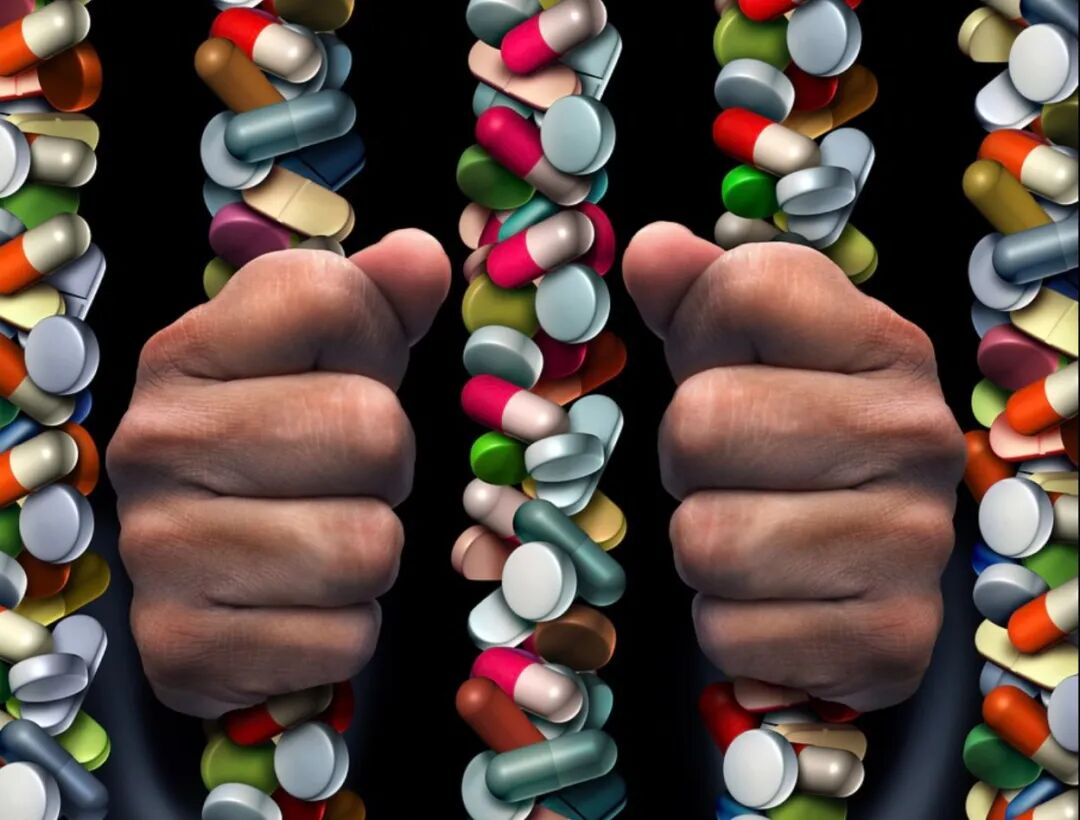
With its diversity of media and depth of concept, contemporary art is an incomparable arena for the exploration of the complex subject of drug dependence. Drawing on their own lived experience, adopting the stance of the cool observer, or that of the sharp-edged social critic, artists have produced a succession of works that shock, unsettle and provoke thought.
What follows is a closer examination of the practices of some dozen artists:
1. Nan Goldin: A Raw, Autobiographical Cry
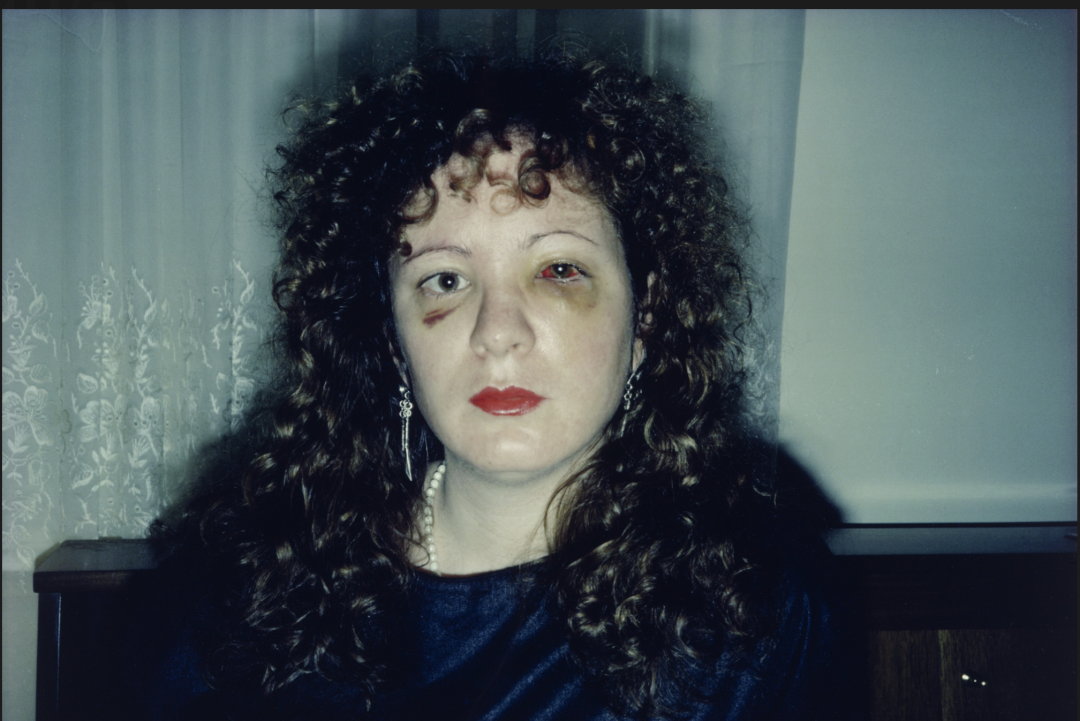
Nan Goldin, Nan one month after being battered (1984)
Nan Goldin is an artist no account of this subject can possibly bypass. Her photobook The Ballad of Sexual Dependency is a visual epic of New York’s underground culture in the 1980s, and at the same time a private diary of love, dissolution and self-destruction. Goldin’s camera turns, without the least evasion, on her own life and the lives of her friends — a disorderly world of drugs, violence, sex and parties.
In Goldin’s celebrated self-portrait Nan one month after being battered (1984), her bruised eye socket and vivid red lips stare straight into the lens; the backdrop to the photograph is an act of violence by her boyfriend, provoked by drugs and emotional entanglement. Goldin’s work refuses all beautification and dramatisation. She adopts a “snapshot aesthetic”, capturing — in raw, direct, even technically imperfect images — the primal emotions of the dependent state: fleeting euphoria, long hours of waiting, naked pain and a loneliness that never lifts.
In recent years Goldin herself has been mired in the quagmire of opioid dependence.
She first took OxyContin — a powerful opioid painkiller — in 2014, to treat tendinitis in her wrist. In the 1980s she had struggled with heroin addiction and later kicked the habit; but this time it was different, and she seemed to fall dependent overnight. “This is the most addictive drug I have ever encountered,” she explained in a landmark article written for Artforum in 2018, describing how her life came to revolve around this painkiller, “one pill after another, crushed and snorted; that is what I did every day. I rarely left the house. All work, all friendships, all affairs had to be conducted from my bed. When I could no longer afford OxyContin, I began trying other painkillers. In the end I started smoking fentanyl, and I overdosed.”
After her recovery she founded the radical activist group P.A.I.N. (Prescription Addiction Intervention Now), fusing art with direct action. She organised protests inside museums that had accepted donations from the Sackler family — the owners of Purdue Pharma, the manufacturer of OxyContin — among them the Guggenheim and the Met, hurling “prescriptions” into the air and demanding that the institutions cut their ties with the family she calls a “family of drug dealers”. Her documentary All the Beauty and the Bloodshed, which fuses personal history with social struggle, won the Golden Lion at the Venice Film Festival.
Trailer for the documentary All the Beauty and the Bloodshed
Goldin’s strategy is to “prove the way through her own body”. Her art is autobiography through and through; by making her most private scars public, she breaks the shame surrounding addiction and forges a powerful emotional resonance between viewer and subject. Her work proves that the most personal of expressions can also carry the greatest political force.

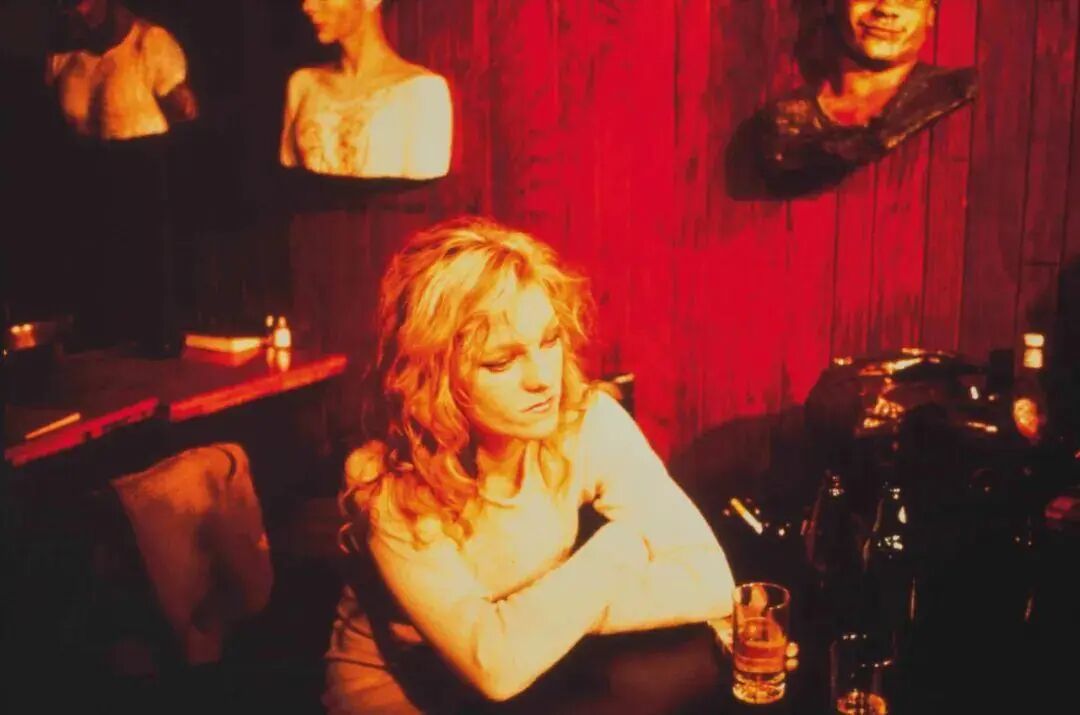
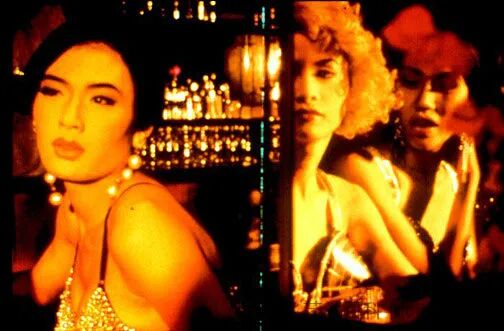
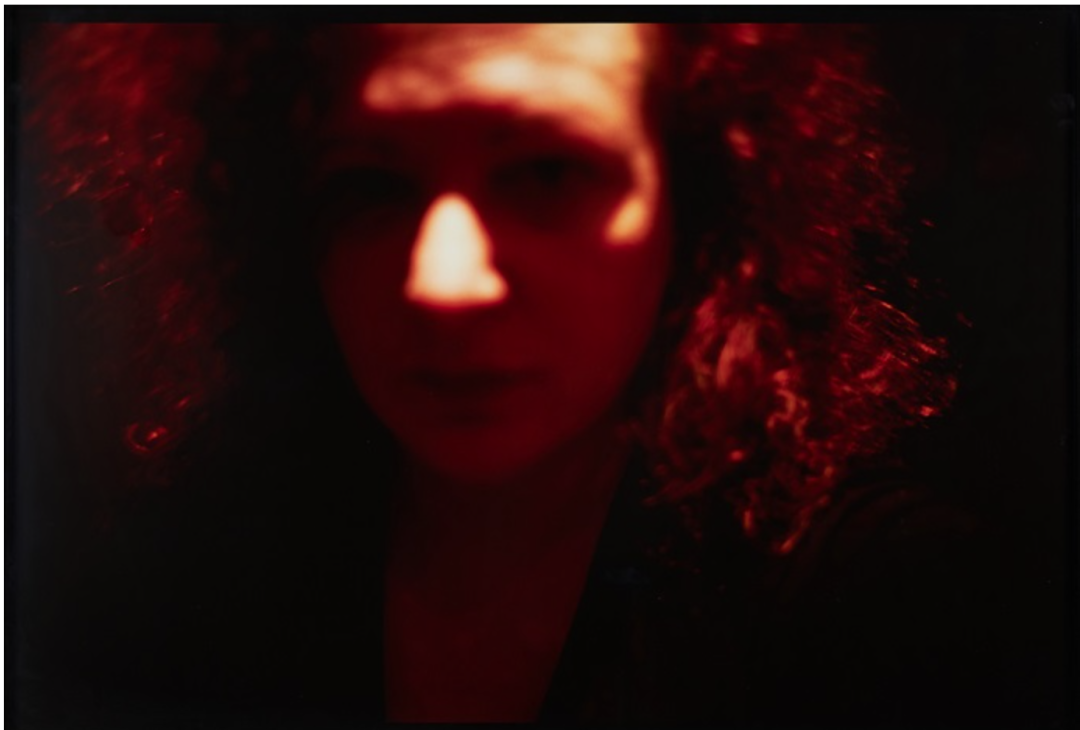
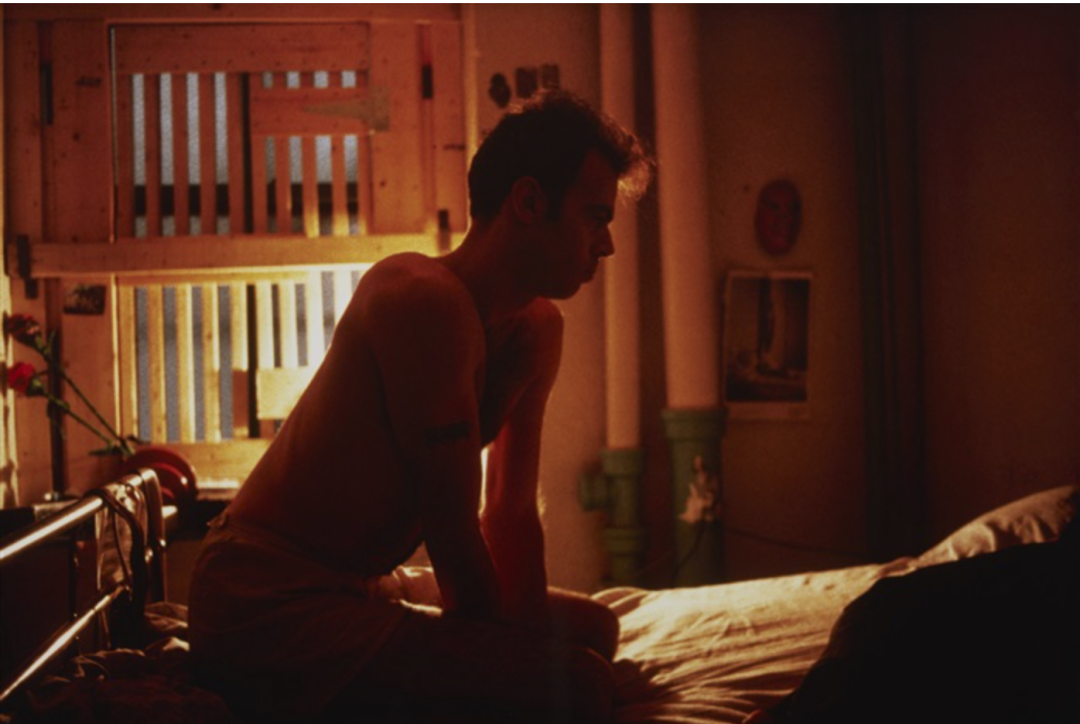
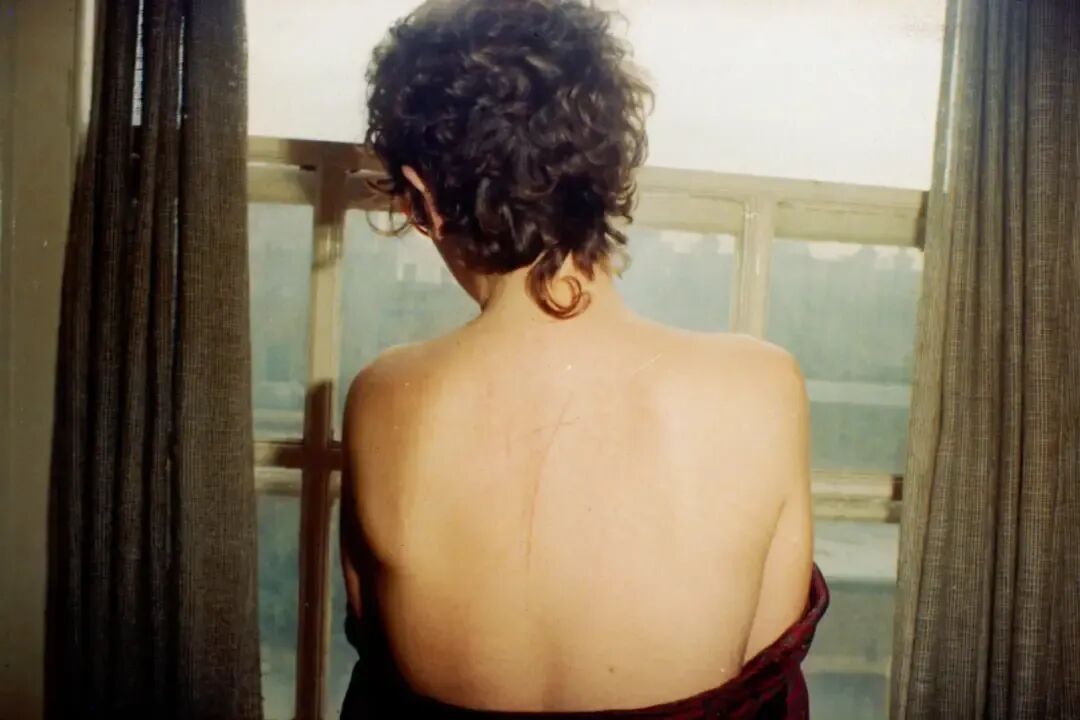
A self-portrait by Nan Goldin — one of the many photographs she took in the course of making All the Beauty and the Bloodshed.
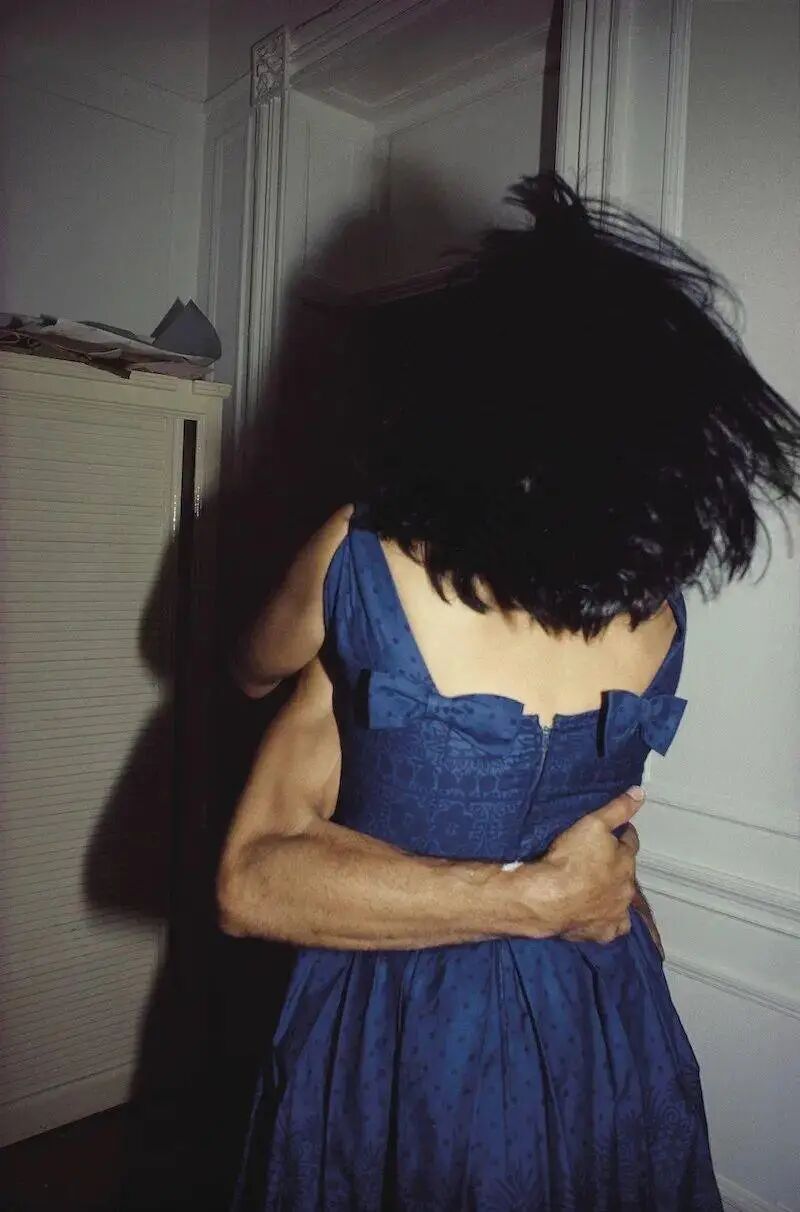
Nan Goldin shot The Ballad of Sexual Dependency in the 1970s and 1980s.
In 1989, at Artists Space in New York, Goldin organised a landmark group exhibition, Witnesses: Against Our Vanishing — the first exhibition devoted specifically to the subject of AIDS.
2. Jean-Michel Basquiat: Chaos and Lament Amid the Graffiti
Basquiat’s artistic career was like a meteor — brilliant and brief — and his life was finally devoured by a heroin overdose. His work never directly “depicts” drug-taking, yet the whole canvas is steeped in a frenzy and unease born of urban chaos, racial pressure and private demons; drugs were at once the catalyst of all this and its final destroyer.
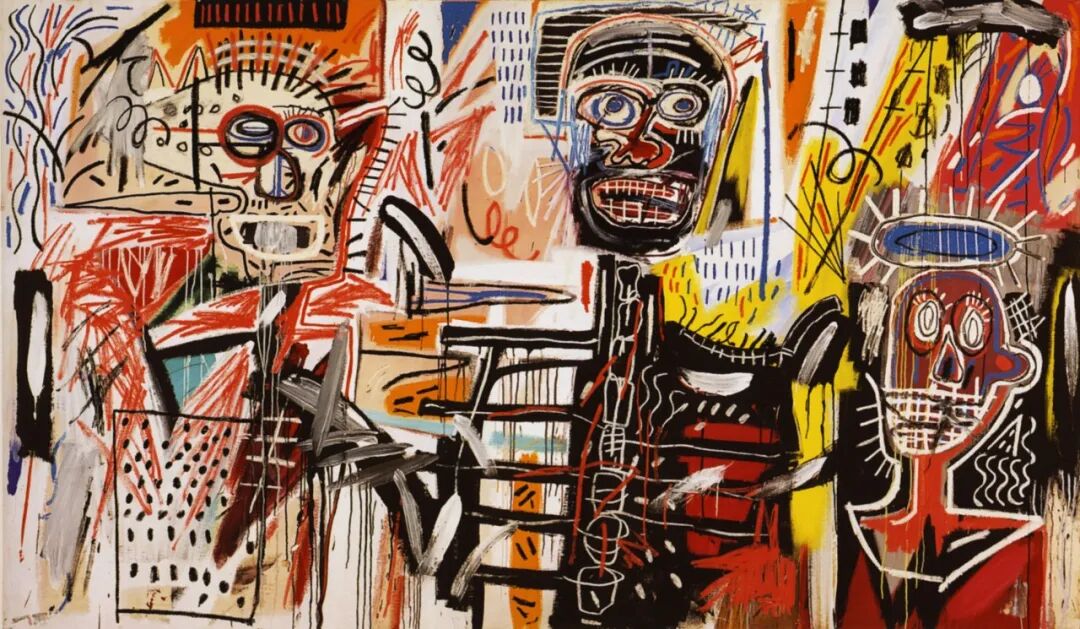
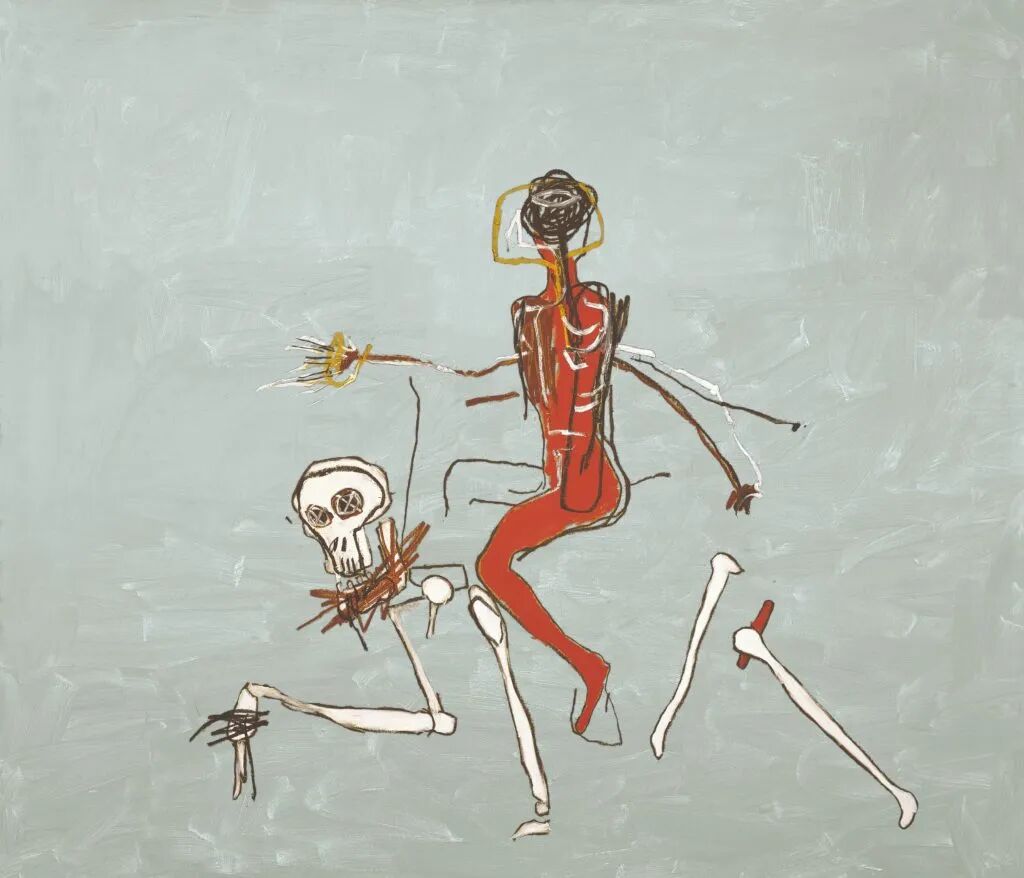
Basquiat’s paintings — Philistines (1982), Riding with Death (1988) — teem with scrawling lines, skull motifs, crossed-out words and anatomical diagrams. This visual language is itself a portrait of the “addicted” state: a fragmenting mind, uncontrollable impulses, a fascination with the interior of the body (and with its decay). Words and symbols appear on the canvas again and again, are smeared over and covered up, as if in an endless inner monologue and struggle. The “heroes” of his work are often Black athletes or musicians; behind them lies an implicit accusation concerning the immense pressure behind success and the fact of racial discrimination — pressures that are themselves among the things driving many people towards drugs.
Basquiat’s strategy is “expressionist exteriorisation”. He does not record addiction; he splashes the mental world of the addicted state — chaotic, furious, riven with contradiction and pain — directly onto the canvas. His art is an X-ray of the soul, revealing a self torn to pieces by inner and outer pressures alike.
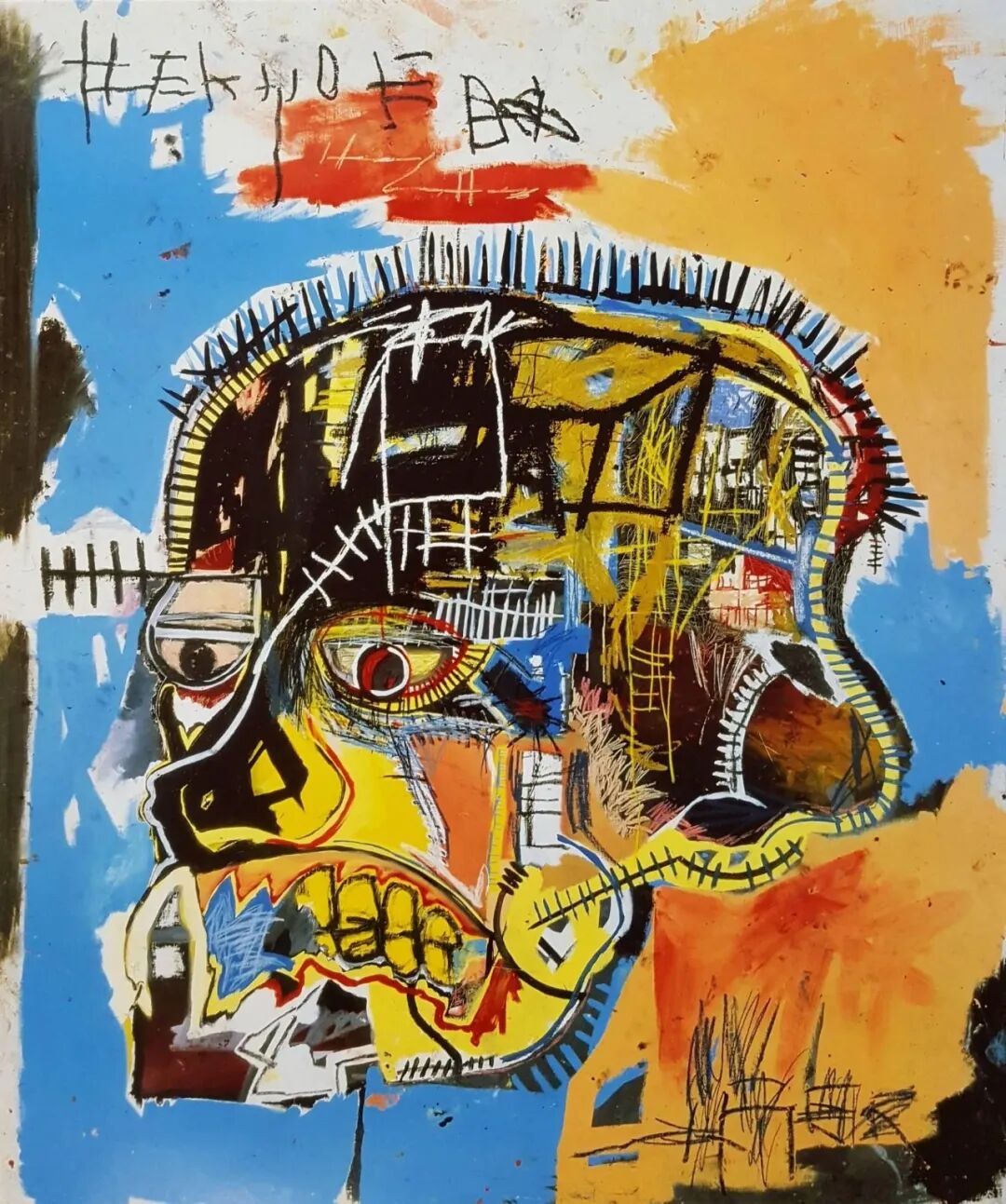
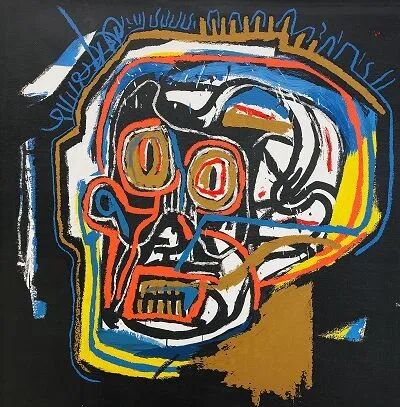
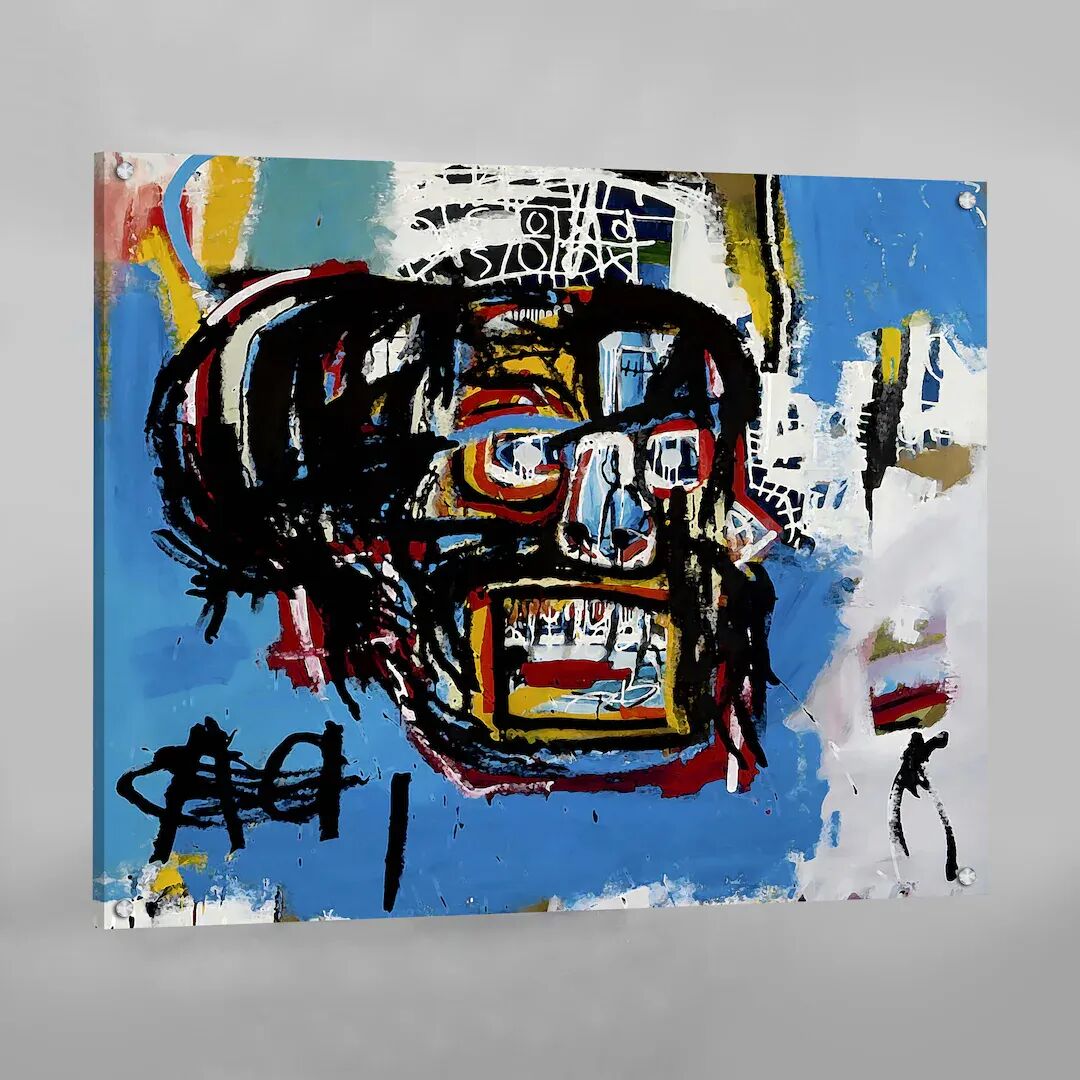
A collage-like skull floats against a map background; the clash between its hollow gaze and the vivid colours suggests an inner spiritual rupture. Although the title makes no direct reference to drugs, scholars hold that its visual language of “morbidity and dejection” maps the psychological state of the addicted. Kaleidoscopic, dazzling colours wrap around the skull, while twisted lines simulate the visual experience of drug-induced hallucination. The fragments of text scattered through the painting reinforce its association with drug culture.
3. Damien Hirst: Meditations on Life in the Cold Medicine Cabinet
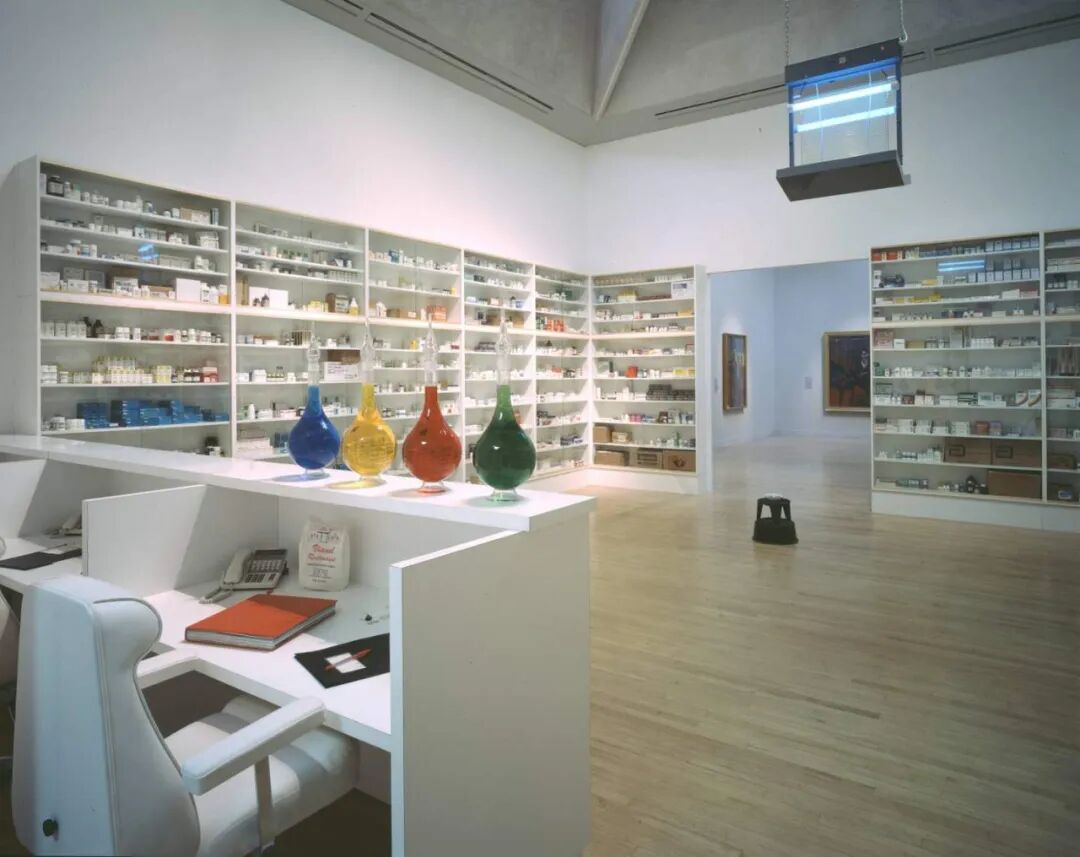
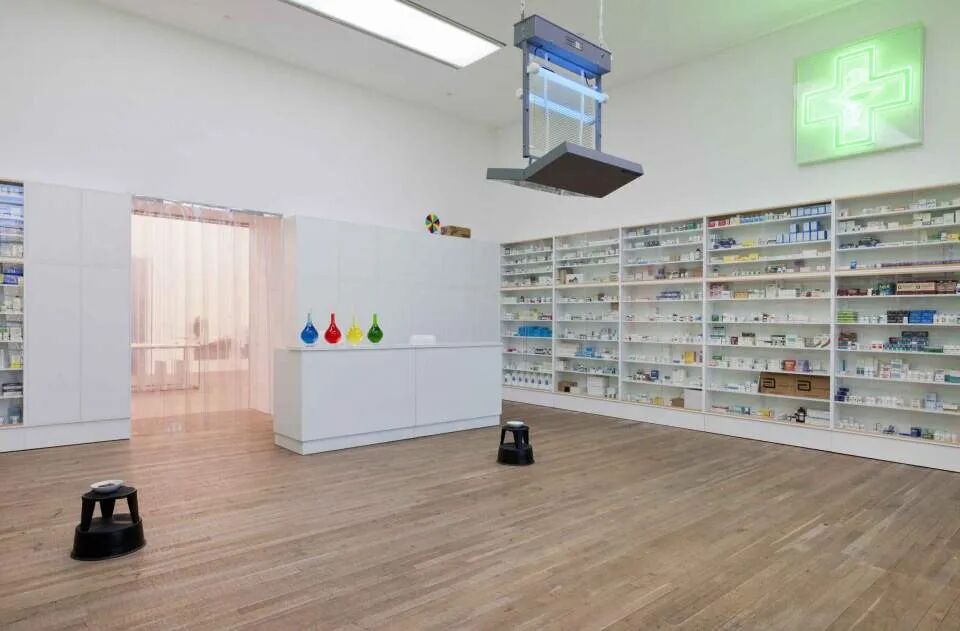
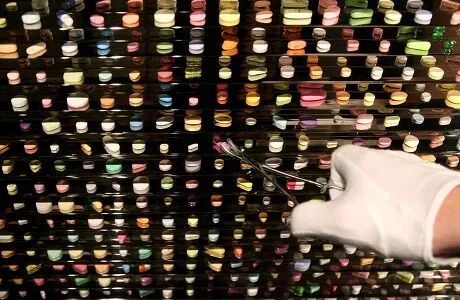
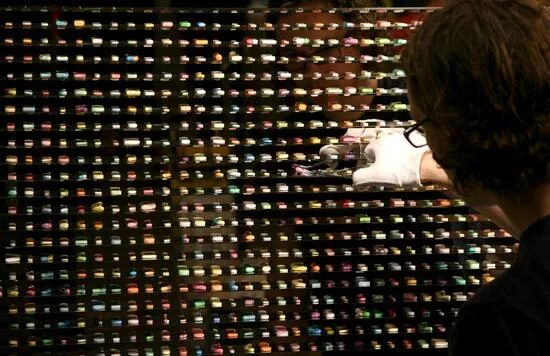
A leading figure of the YBAs (Young British Artists), Hirst has always circled the grand themes of life, death, faith and science. His celebrated “medicine cabinet” installations (Medicine Cabinets) and “pill paintings” (Pill Paintings) address the place of drugs in contemporary culture in a manner utterly distinct from the rest — cool to the point of cruelty.
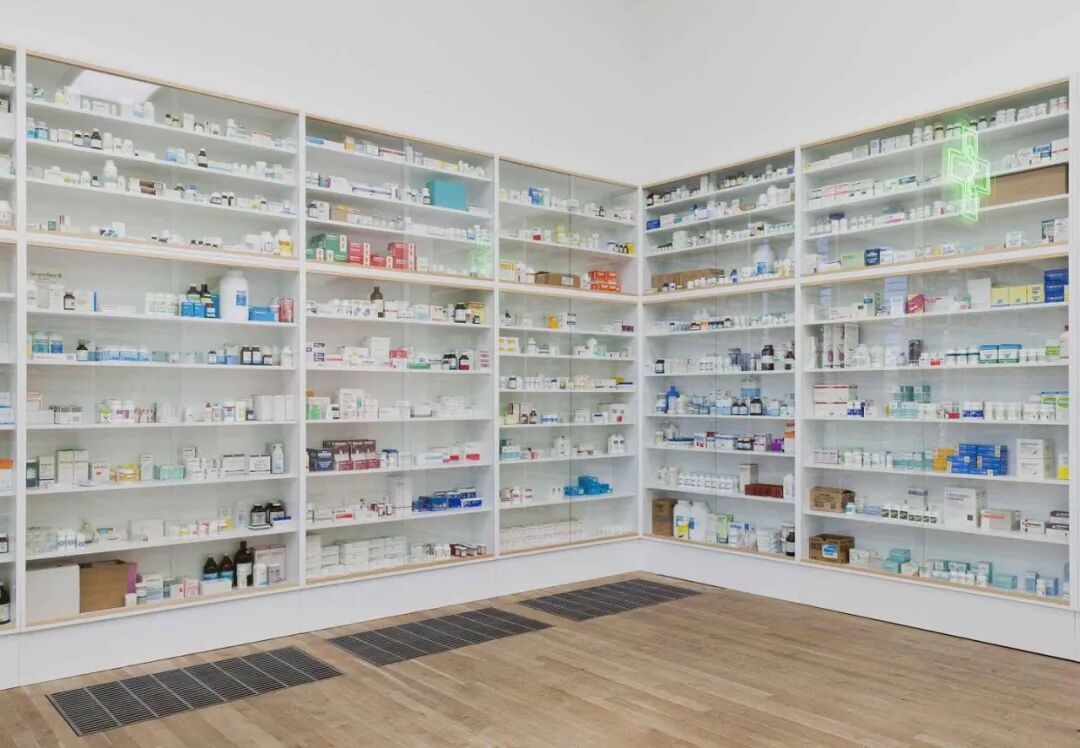
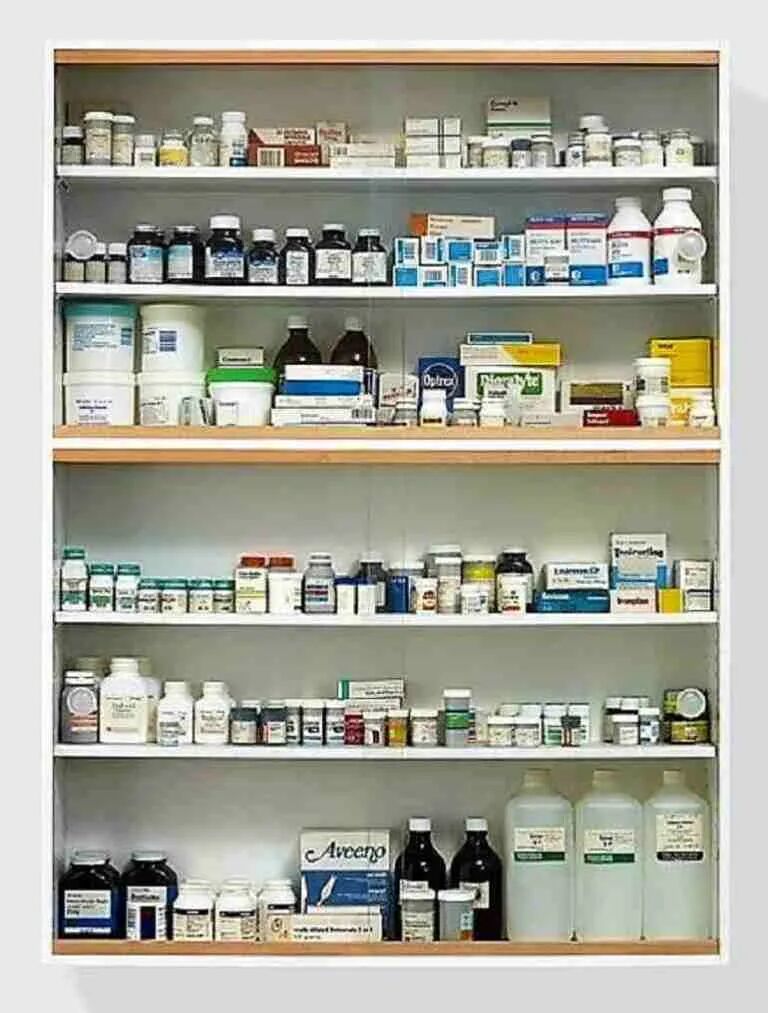
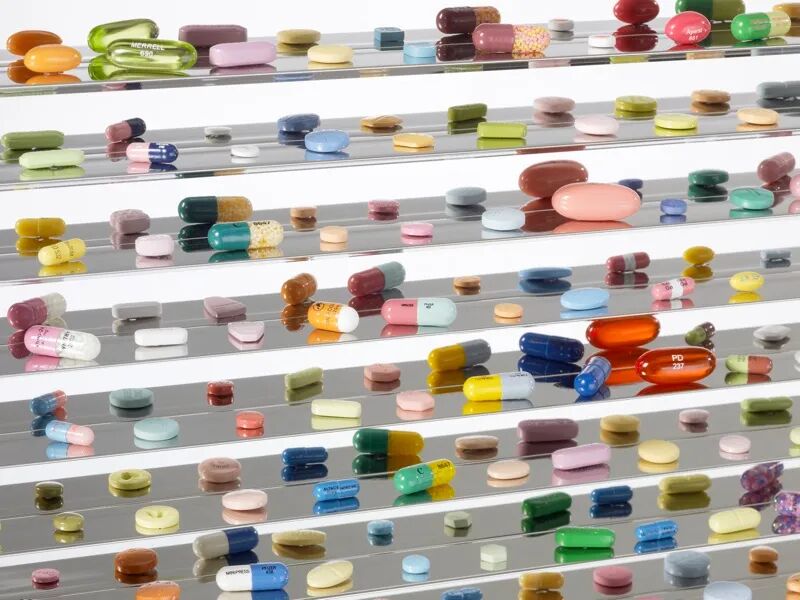
In the large-scale installation Pharmacy (1992), Hirst laid out an entire space as a minimalist pharmacy, its glass cabinets neatly arrayed with thousands upon thousands of real medicine bottles and boxes, classified according to the systems of the human body. Lullaby Spring (2002), meanwhile, placed more than 6,000 meticulously crafted, brightly coloured replica pills, arranged by hand, inside an enormous cabinet of steel and glass.
These works produce a strange ambivalence: on the one hand they are precise, clean and orderly as scientific specimens, emblems of the rationality and power of modern medicine; on the other, this very excess of display hints at inundation and loss of control — the brightly coloured pills are like sweets, seductive and fraught with latent danger.
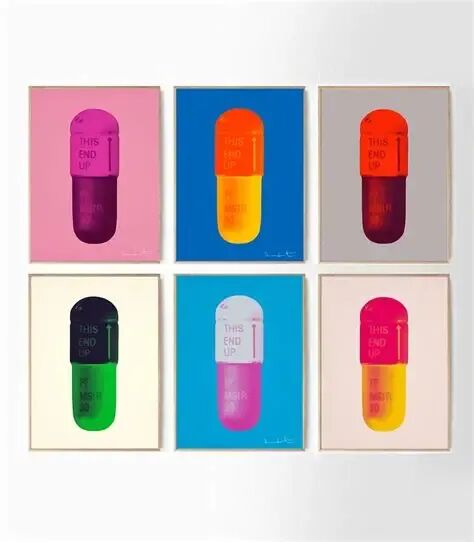
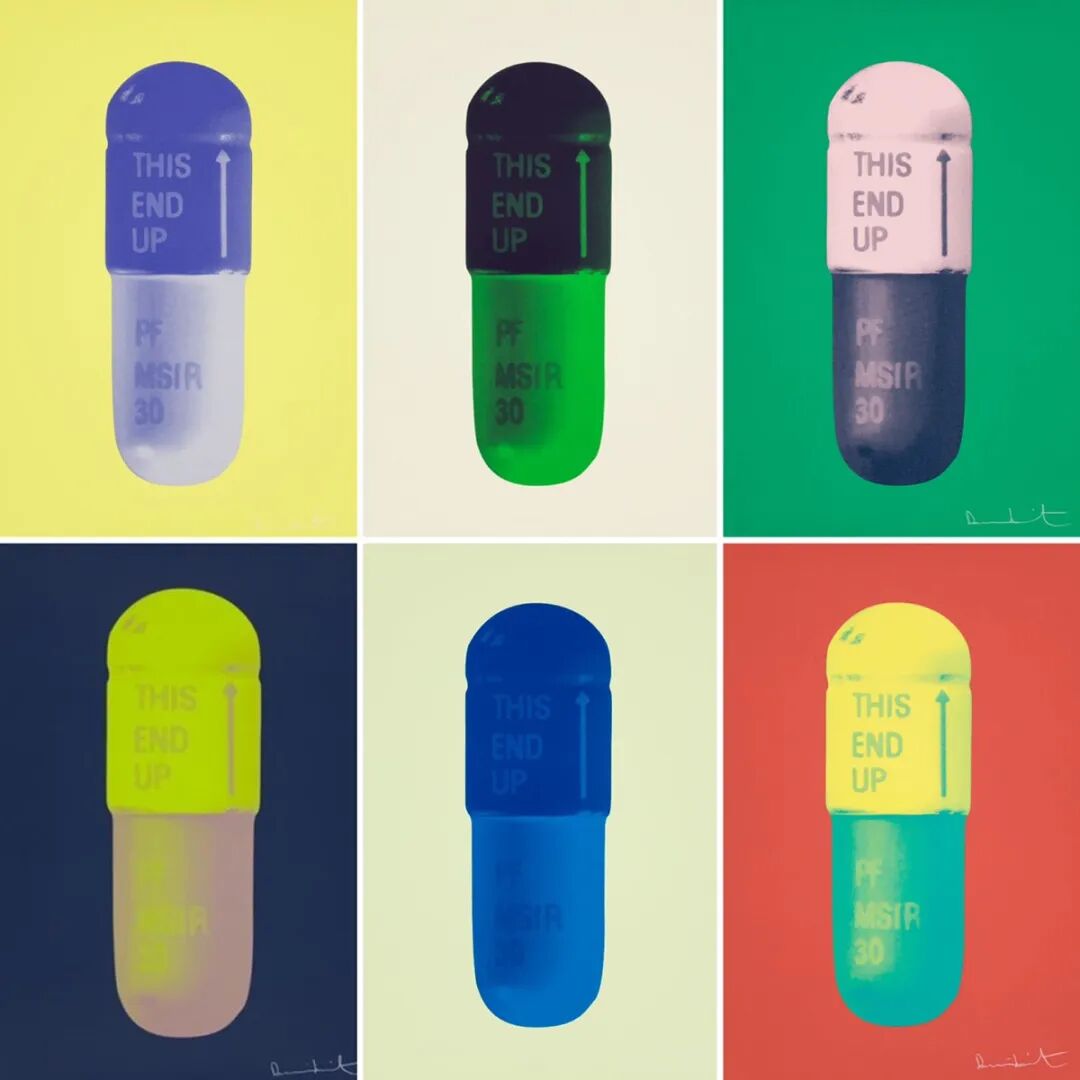
Hirst’s strategy is one of conceptual metaphor. He lifts drugs out of their practical function and turns them into objects of aesthetic contemplation and critique. What he explores is a broader “drug dependence” — the blind faith of modernity in science and medicine, and the collective dream of conquering death and pain by chemical means. His works are cool, detached, devoid of personal emotion, yet they lay bare, with precision, the absurd essence of our “pill society”.
4. Yayoi Kusama: Dissolving the Self in Infinite Dots
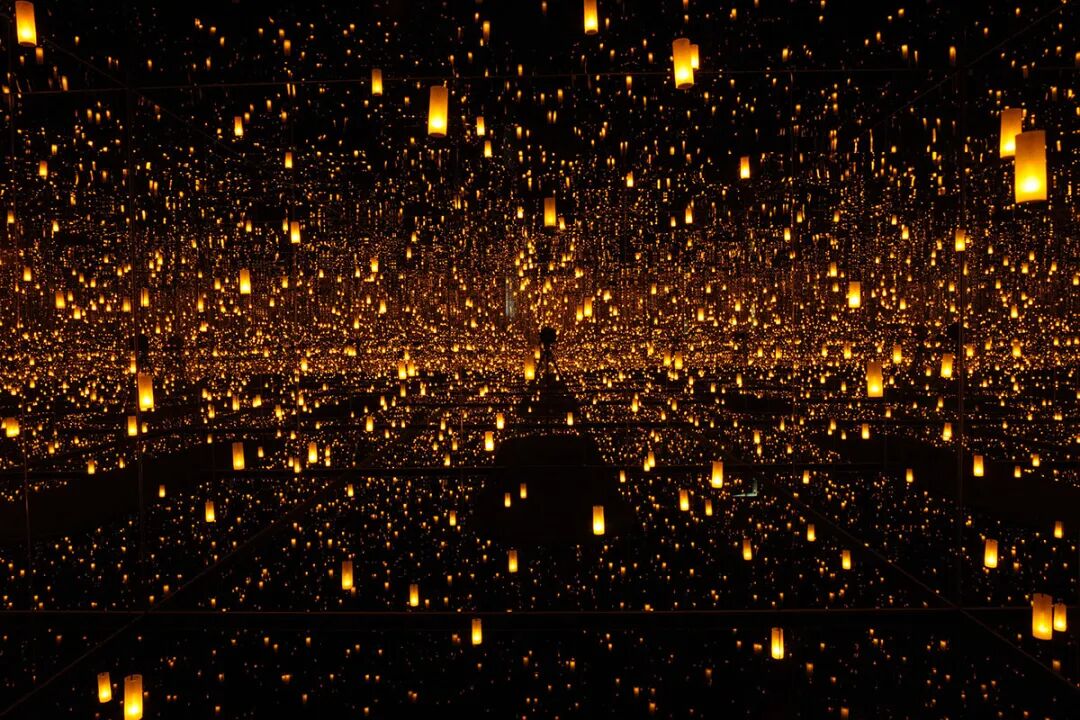
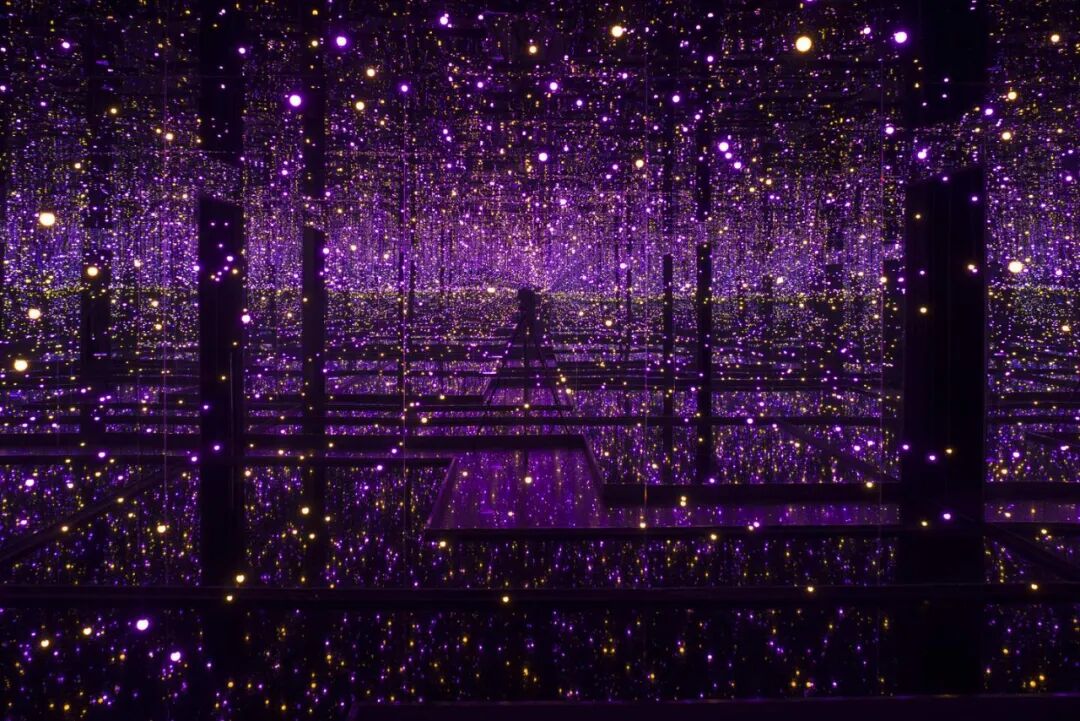
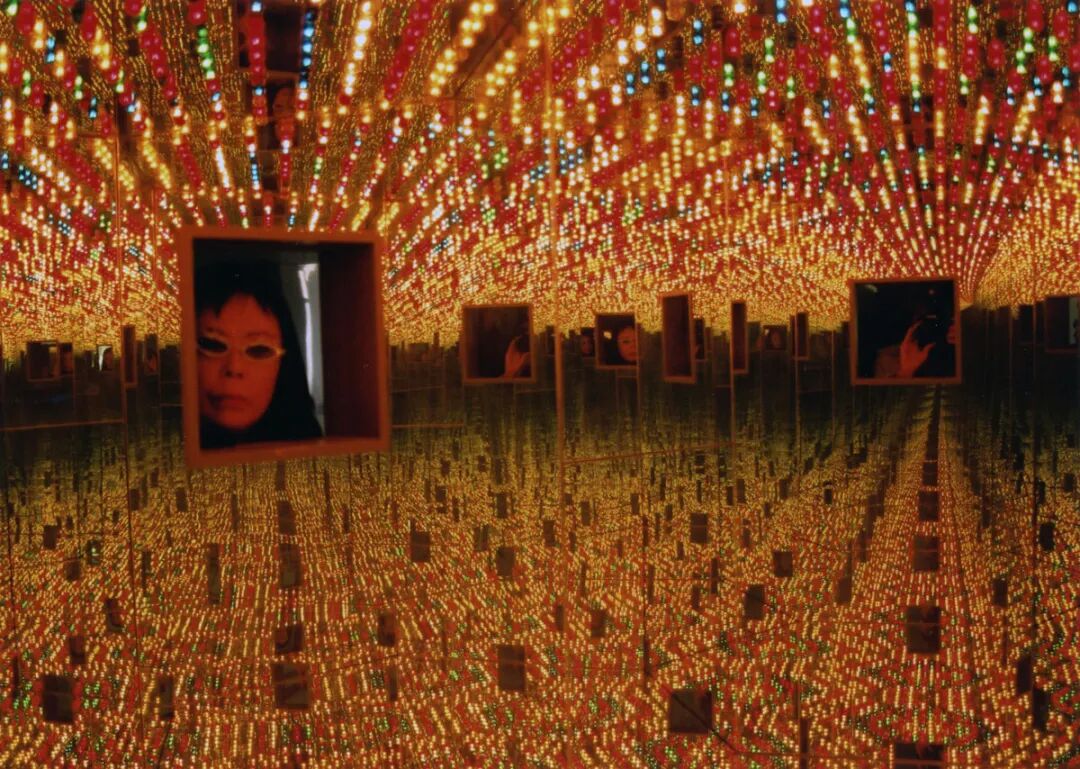
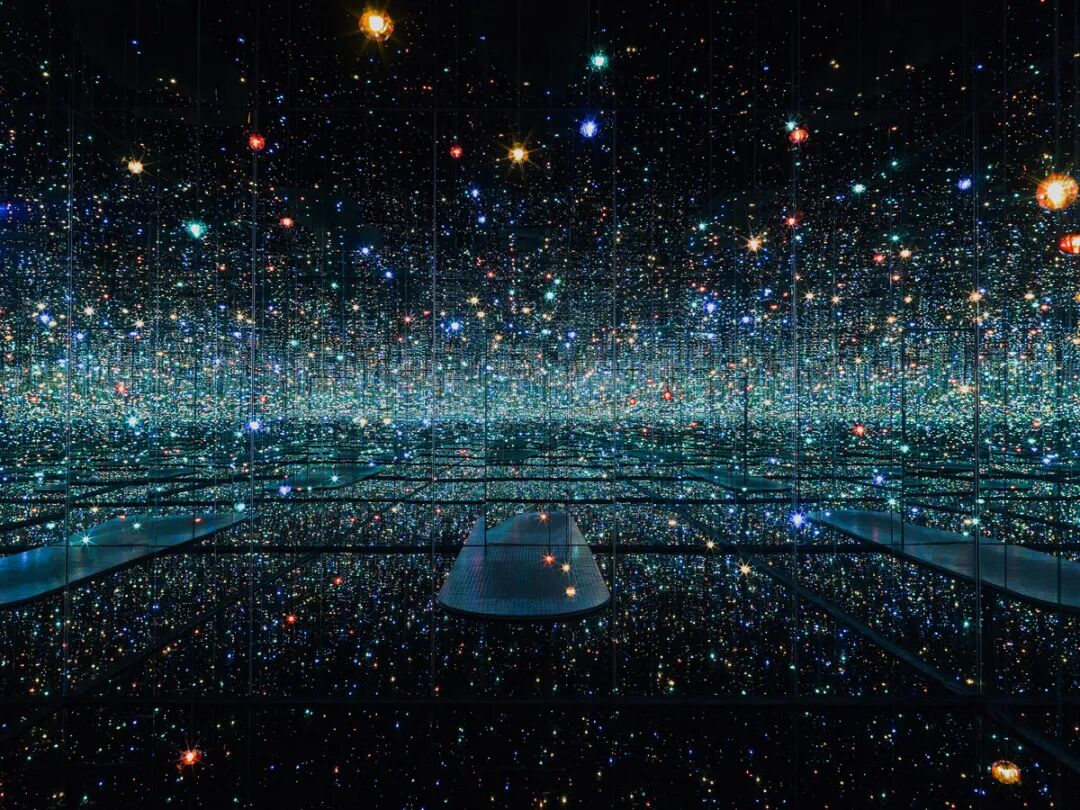
Kusama’s art is the product of a lifelong struggle against her own mental illness. Plagued since childhood by hallucinations and obsessive neuroses, she developed the signature “Infinity Nets” and “polka dots” as a way of “self-dissolving” through artistic creation and resisting mental collapse. Although drugs are not her direct subject, the core experience of her work — being driven by uncontrollable inner forces, and seeking solace or annihilation through repetitive behaviour — is structurally homologous with the psychological mechanism of addiction.
In her Infinity Mirror Room series, the visitor enters a space built from mirrors and countless LED lights or dotted pumpkins; the boundaries of the self dissolve in infinite reflections, producing an experience at once vertiginous and transcendent. In a sense this experience simulates the “dissolution of the self” and the “oneness with the universe” brought on by hallucinogenic drugs. In her paintings and sculptures, endless dots cover everything — at once an obsessive repetition and a therapeutic meditation.
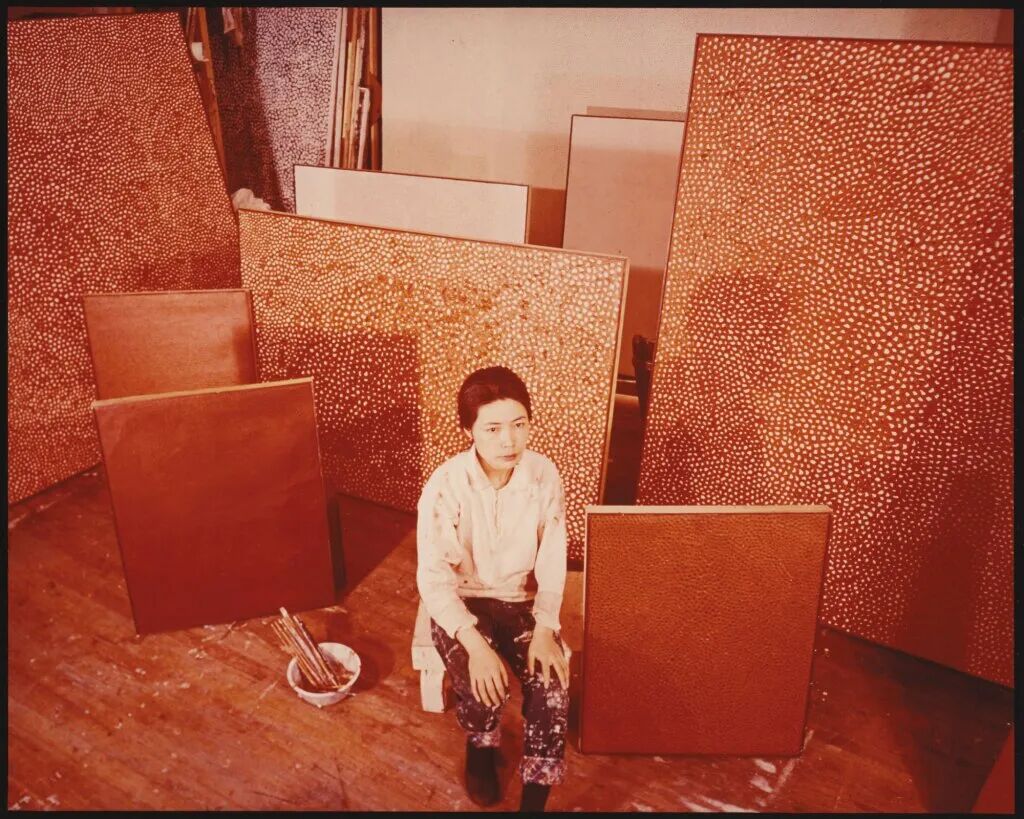
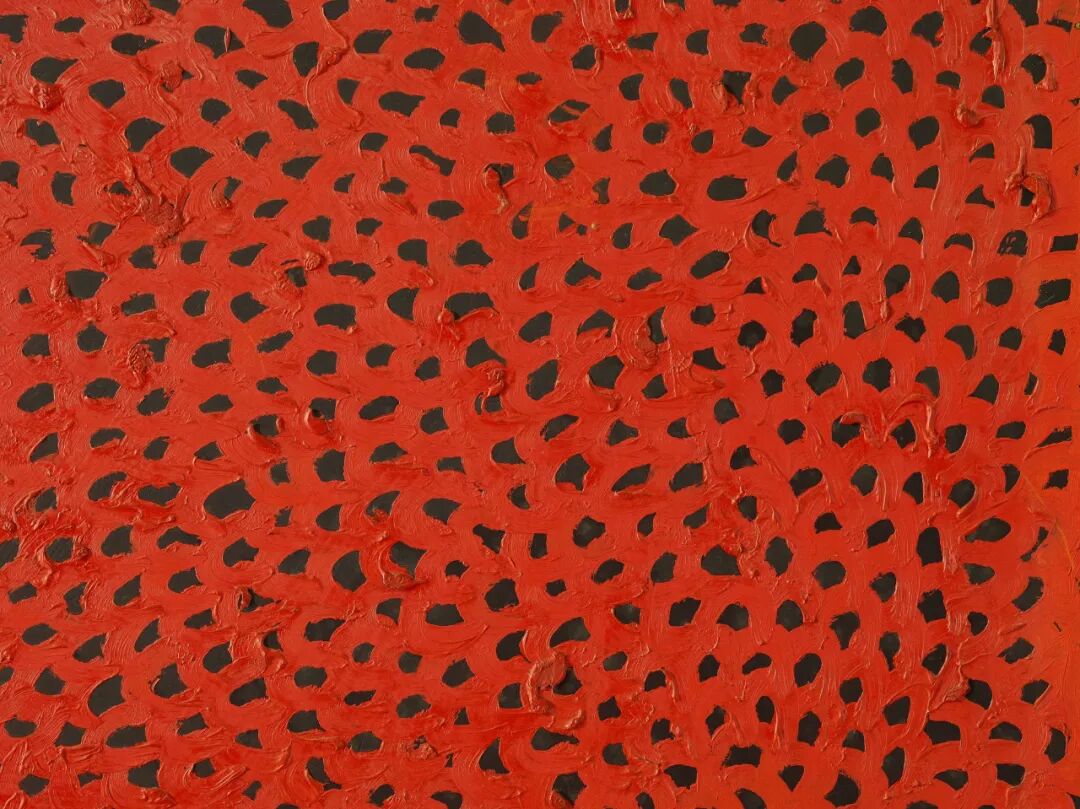
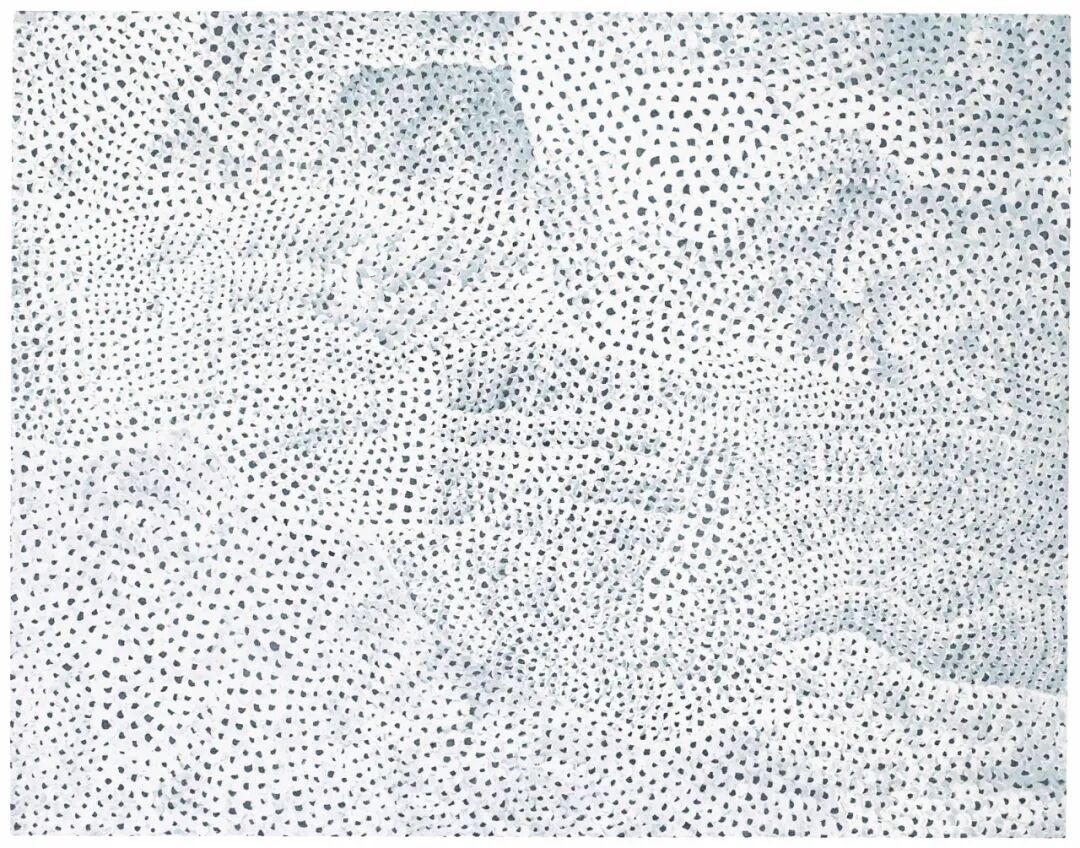
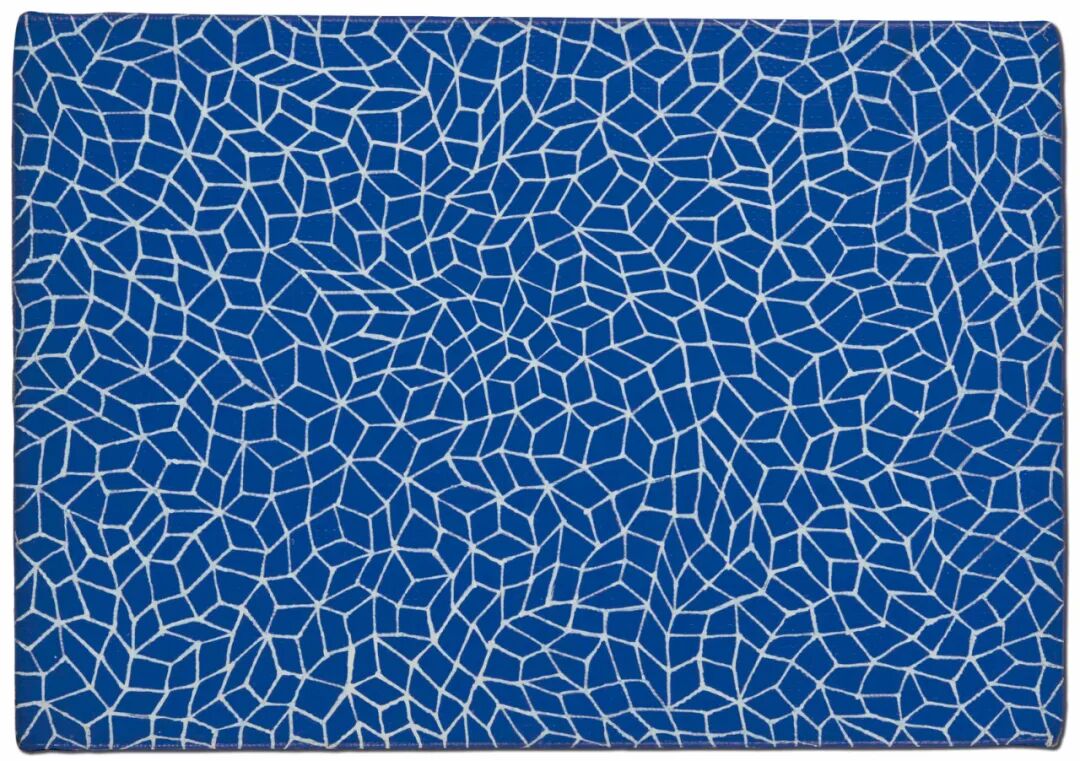
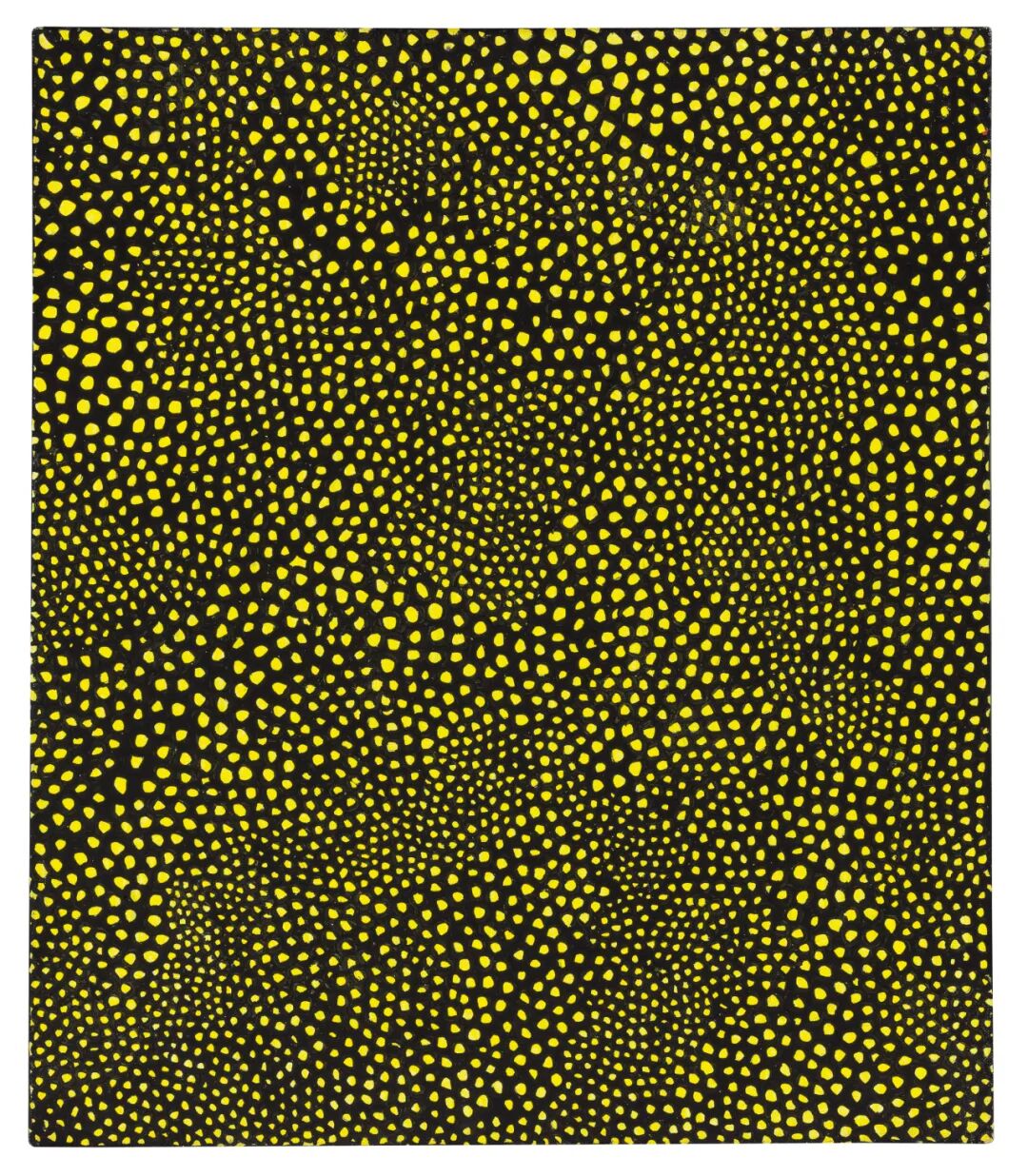
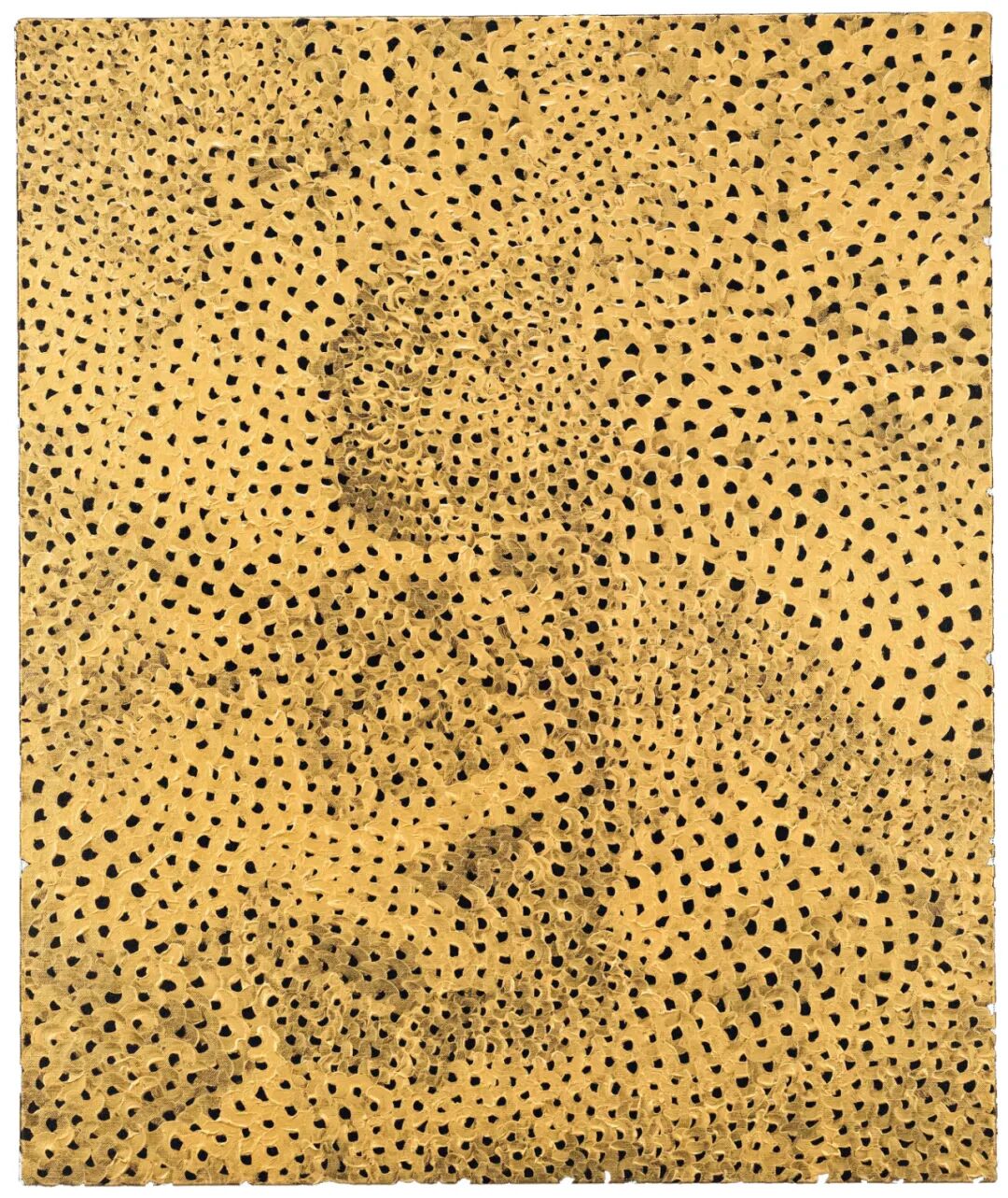
Dense monochrome arcs crowd the single-colour canvas, an echo of her experience of “seeing her field of vision covered by a net of hallucination”. The process of creation demands days on end without sleep, the obsessive repetition of the brushstroke discharging her anxiety. Some critics have confused the hypnotic effect of the nets with the visuals of hallucinogenic drugs, but Kusama has stated clearly that they are a “weapon against the abyss of the psyche”.
In the work of Yayoi Kusama, “drug dependence” is not the direct theme; but her artistic practice is inseparable from her mental illness (hallucinations, obsessive-compulsive disorder), and she regards art as a “drug” against spiritual suffering and as a means of expressing her inner world. Her strategy is a “visual translation of psychological mechanism”: her art allows us a glimpse of an overloaded state of consciousness longing to escape pain. The “self-dissolution” she enacts is precisely the ultimate goal pursued by many a drug-dependent subject — to flee a “self” brimming with pain and trauma. Her work reveals the deep psychological motivation behind addictive behaviour: fear of the “void”, and longing for it.
5. Tracey Emin: Candour and Vulnerability on a Disordered Bed
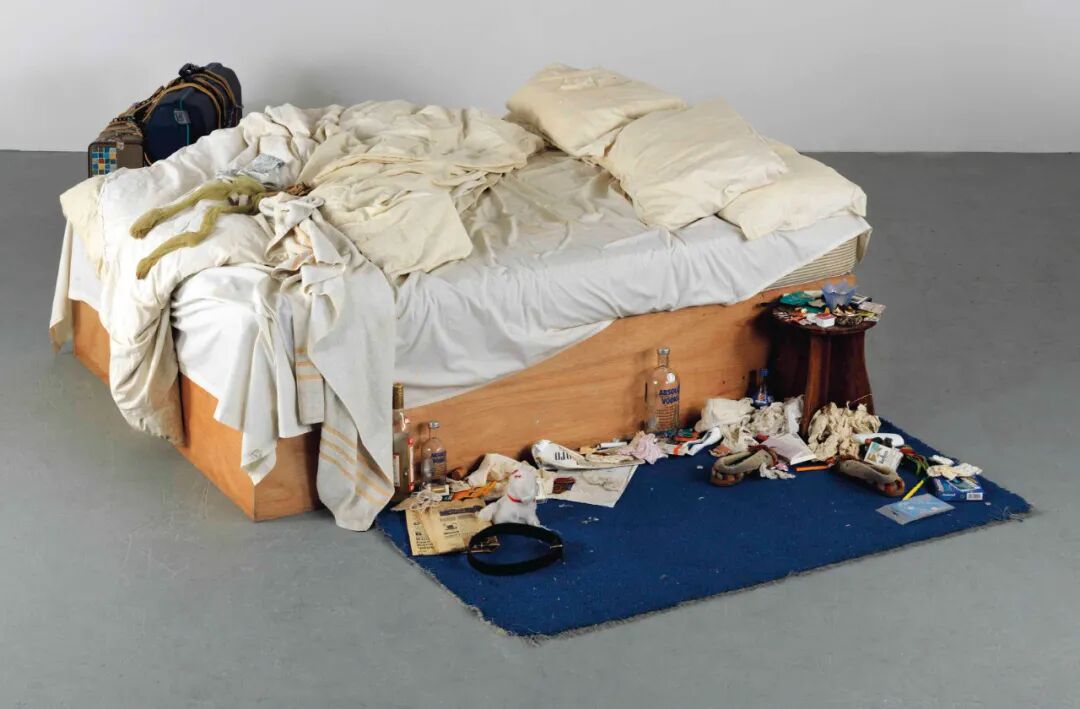
Like Nan Goldin, Tracey Emin is an artist known for an autobiography of extreme candour. Her most controversial and most famous work, My Bed (1998), carried into the museum — exactly as it stood — the bed in which she had spent several days during an emotional collapse, along with every disordered object upon it: empty vodka bottles, cigarette butts, soiled underwear, used condoms.
My Bed is a monument to depression, heartbreak and self-exile. No drugs appear in it directly (there is alcohol, though), yet the state of utter incapacity it presents — the abandonment of all self-care — is a faithful portrait of the lives of many addicts. The bed is a battlefield, a refuge and a prison in one. The raw, unprocessed pain and vulnerability it radiates strike with tremendous force. The viewer is compelled to stand close to the material evidence of a life on the brink of collapse, unable to look away, unable to pass moral judgement with any ease.

This work portrays Emin’s personal experience in autobiographical fashion — her explorations of sex, love and identity — while also touching on her reflections about alcohol and drug abuse.
Emin’s strategy is a “confession through material evidence”. What she employs is not representation but “presentation”. The work itself is the story, the vessel of emotion. By displaying scenes so private and so “indecent”, Emin challenges the boundaries between public and private, art and life, and exposes — with a bravery bordering on cruelty — the true state of the human being in extreme pain, the very state in which dependencies of every kind take root.
6. Keith Haring: Lifelines and Warnings in Street Art
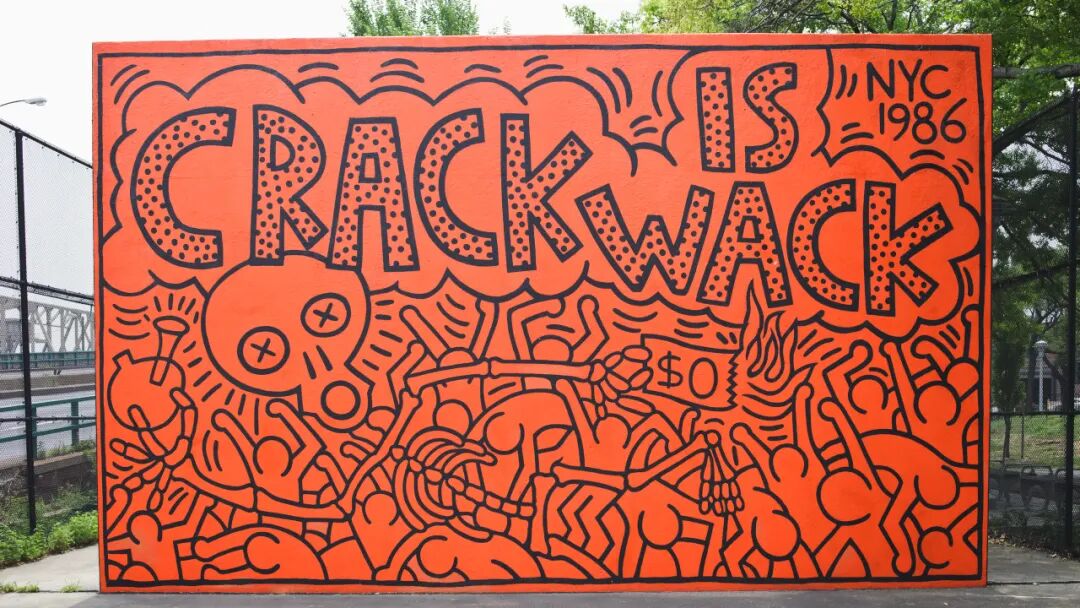
Keith Haring’s art is rooted in the street culture and nightlife of 1980s New York. His work is known for its succinct lines and vital imagery, yet the themes he explores are often grave indeed: drugs, AIDS and racism.
Haring produced a series of works directly opposed to drug abuse, the most famous of which is the mural Crack is Wack (1986). Painted in a park beside the Harlem River Expressway in New York, it depicts — in his signature cartoon style — a skull holding a burning crack pipe, the figures around it stricken with terror. The colours are bright and the message plain: like a vast public-service billboard, it issues a powerful warning to the community. Many of his other works link the spread of AIDS to intravenous drug use, demonstrating the part drug abuse plays in the public health crisis.
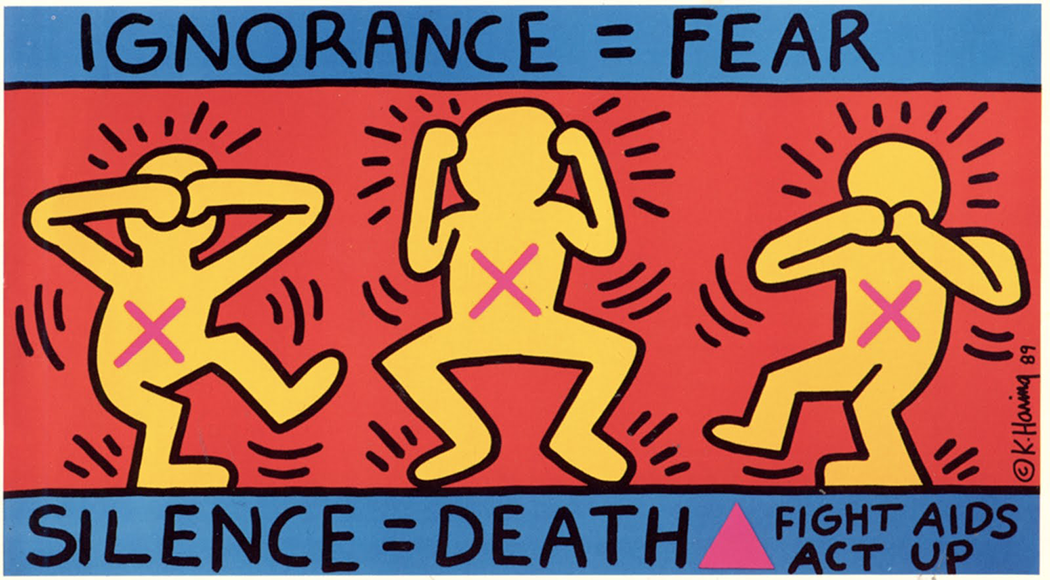
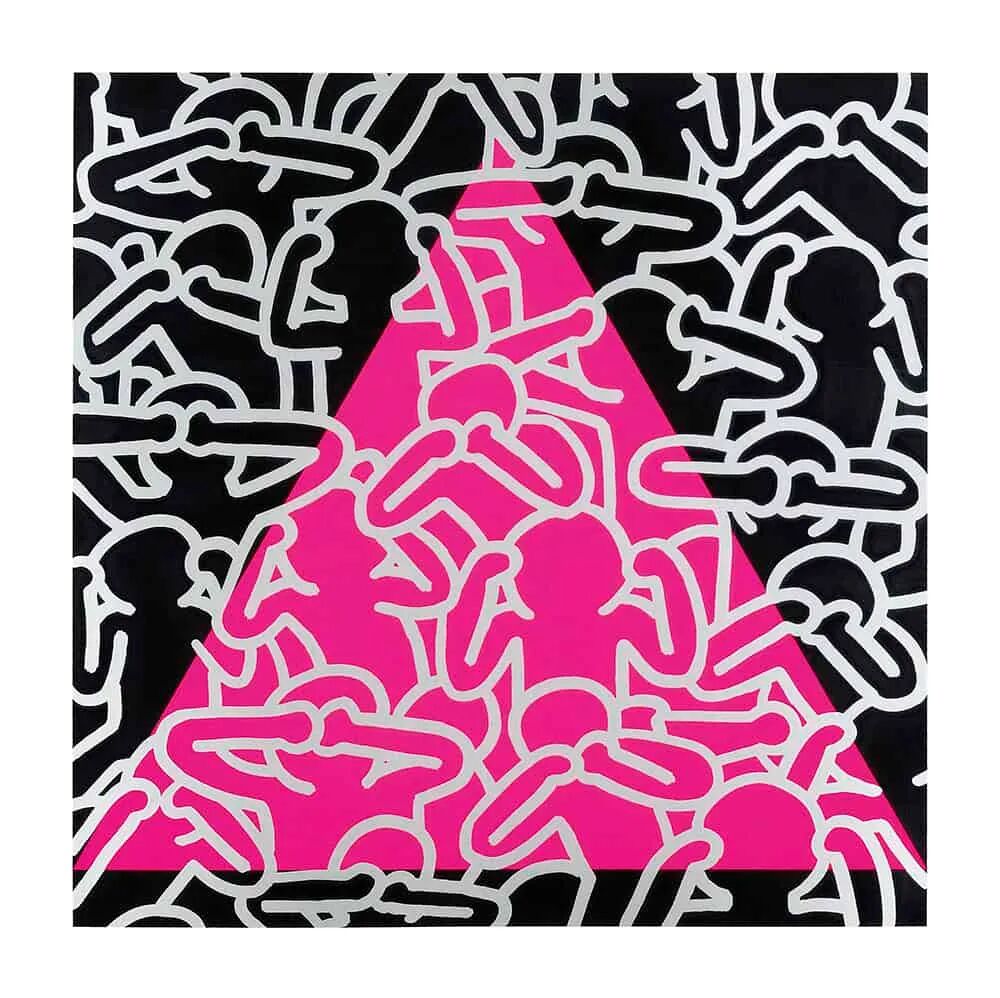
Haring produced other works on social themes as well, among them Silence = Death, a piece closely bound up with the AIDS activism movement and reflecting the position of ACT UP (the AIDS Coalition to Unleash Power). These works attest not only to his concern with social problems but also to his dual identity as artist and activist.
Haring’s strategy is “public intervention and social warning”. He liberated art from the gallery into public space, addressing the community directly in a visual language the general public could readily understand. His works are at once art and social action, embodying the responsibility of the artist as public intellectual.
7. Joanna Rajkowska Joanna Rajkowska: Unveiler of the Violence of Drugs
Joanna Rajkowska has produced no work that takes drug dependence or addiction as its central theme, but several of her pieces are indirectly connected to drug-related concerns — the relief of pain, psychic trauma, society’s mechanisms of analgesia — through metaphor, material choice and social critique. What follows is an analysis of the works that bear a potential relation to this theme:
1. Painkillers (2014–2015)


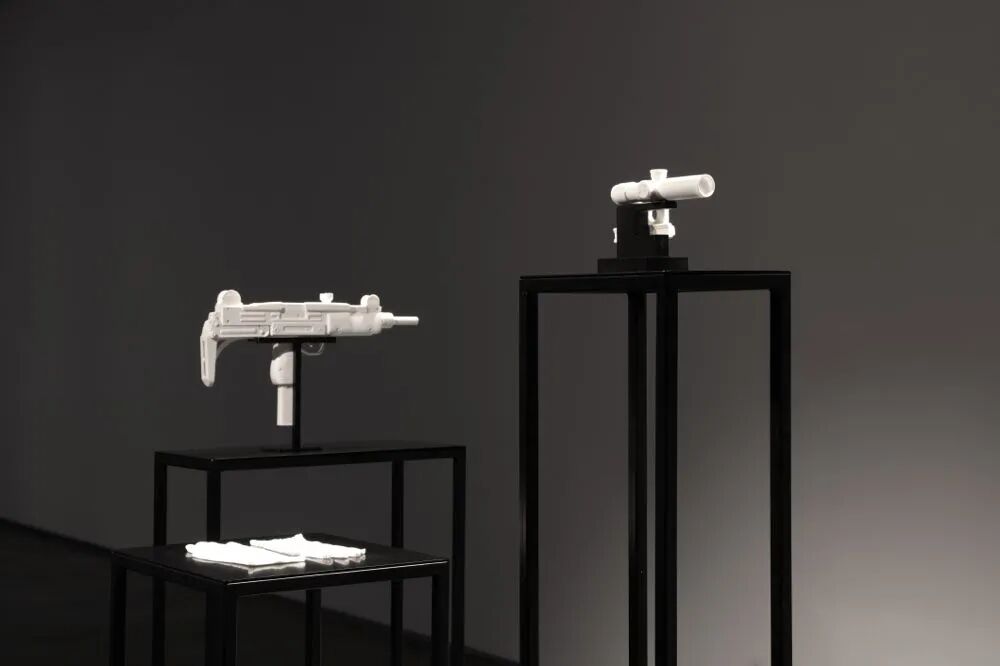

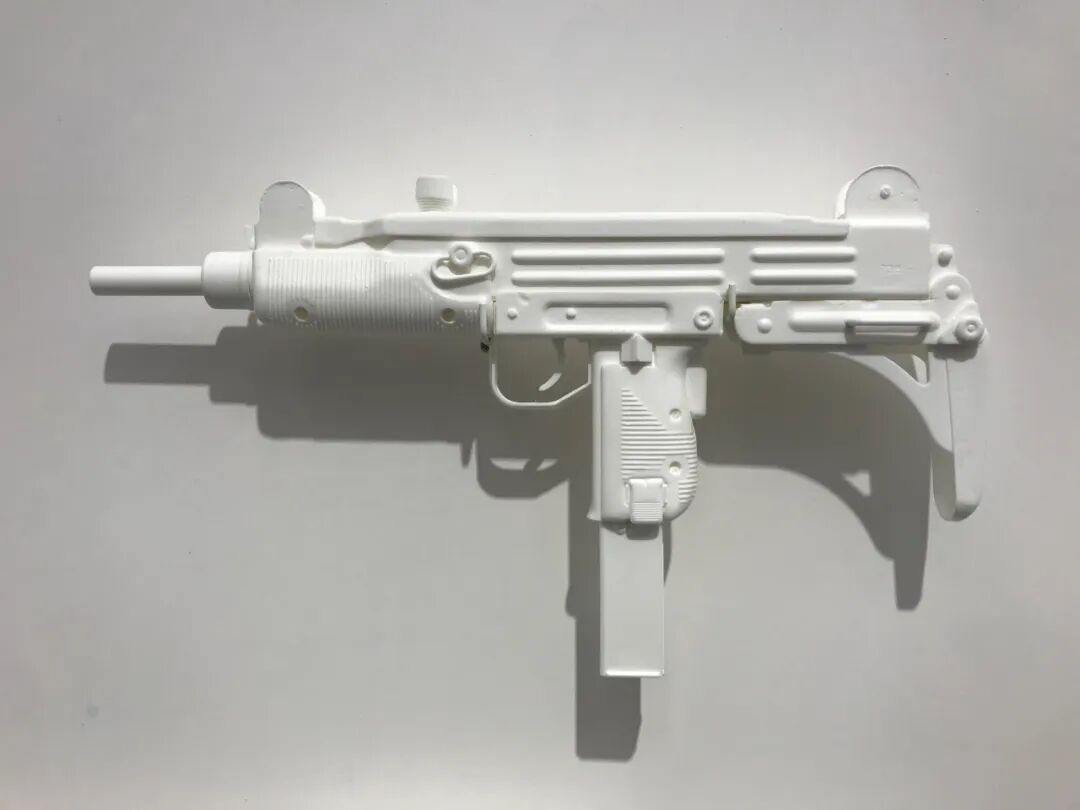
This is a series of sculptures by Rajkowska, comprising Painkillers I & II. Using powdered analgesics — painkiller tablets ground to powder — she modelled life-size, hyper-realistic weapons (firearms among them), transforming drugs into symbols of violence.
The work explores how drugs are alienated from a “means of relieving pain” into a “vehicle of violence”, hinting at the way society uses drugs (or, more broadly, its “mechanisms of analgesia”) to cover over structural trauma rather than resolve the underlying problem.

Walther P99 with Silencer (from the Painkillers II series), 2015. Powdered analgesic, polyurethane resin, life-size model, 30 x 13 x 3 cm.
The title points straight at the paradox of the painkiller: at once a palliative for physical suffering, it can also become an instrument for anaesthetising social consciousness — as in the silent acceptance of war and political oppression.
2. Suiciders (2017)
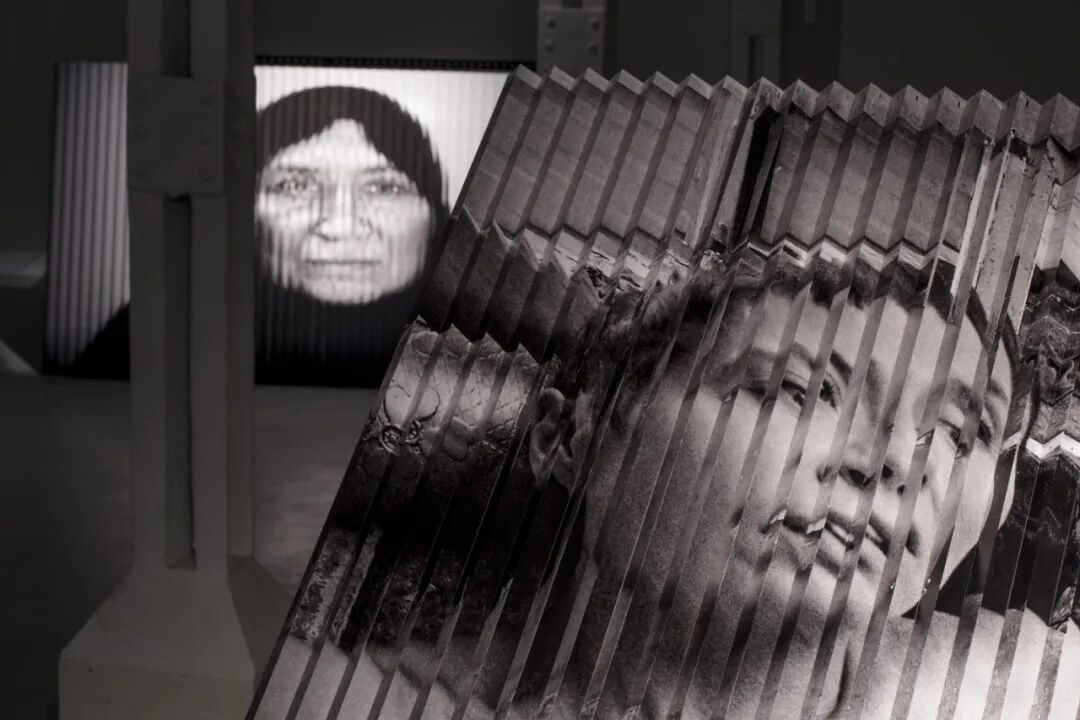
The work consists of eight sets of photographs, each comprising two images placed side by side: one a press-agency photograph of the body of a female suicide bomber; the other Rajkowska’s reconstruction, in which she uses her own body to replicate the posture of the corpse.
The work focuses on the choices for action open under extreme psychic trauma, exploring the state of mind in which a person in despair seeks “final release”. Though drugs are not directly at issue, addiction is often regarded as a form of chronic self-destruction sharing with suicide a similar traumatic psychological origin.
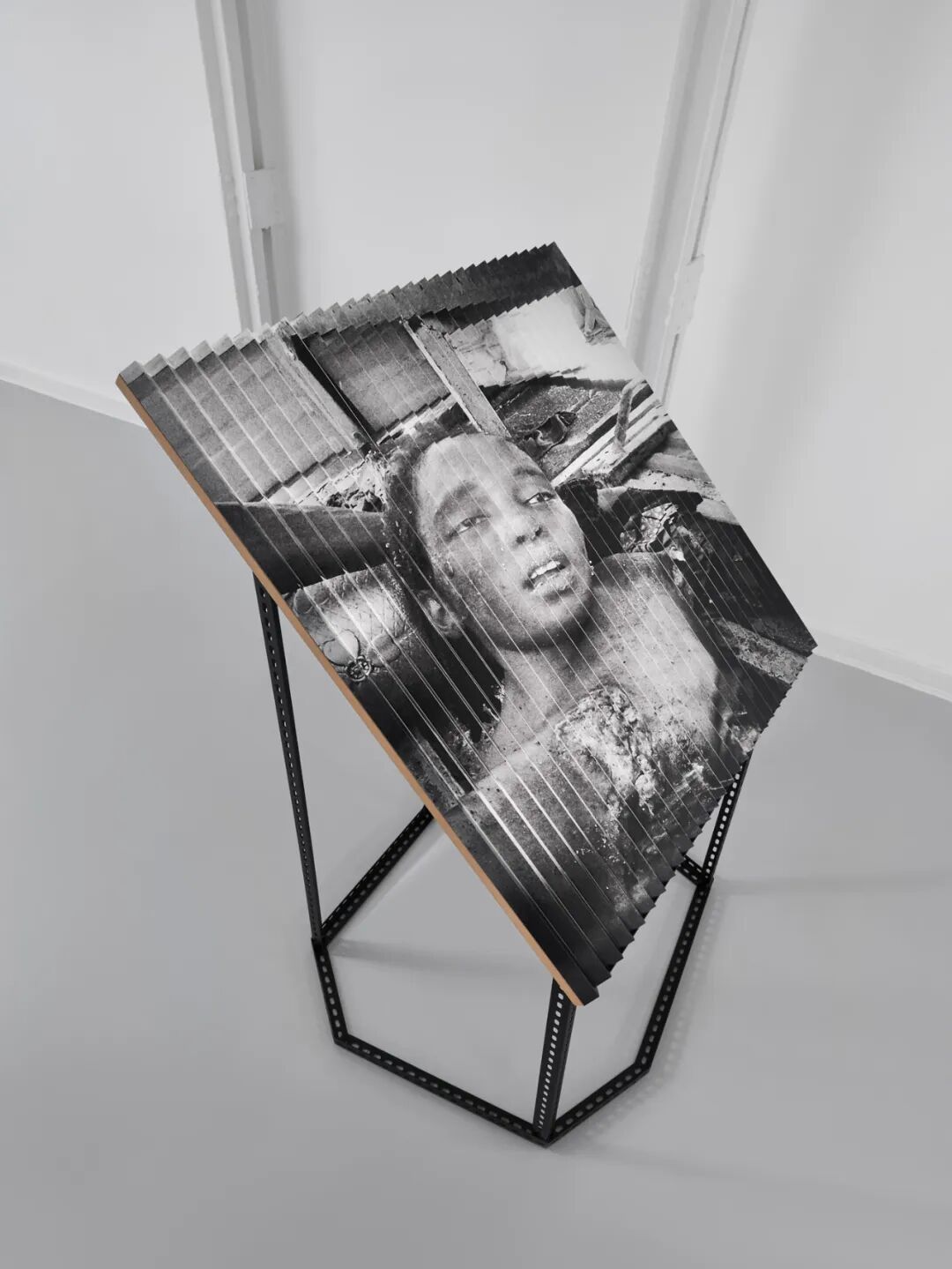
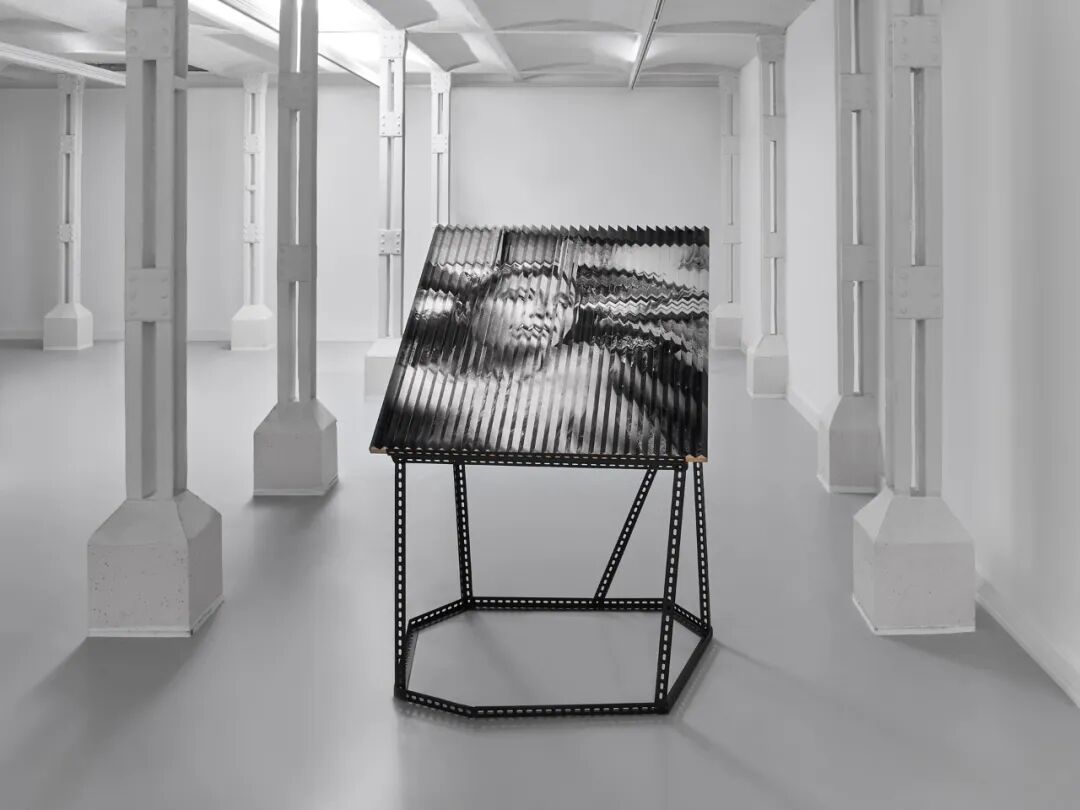
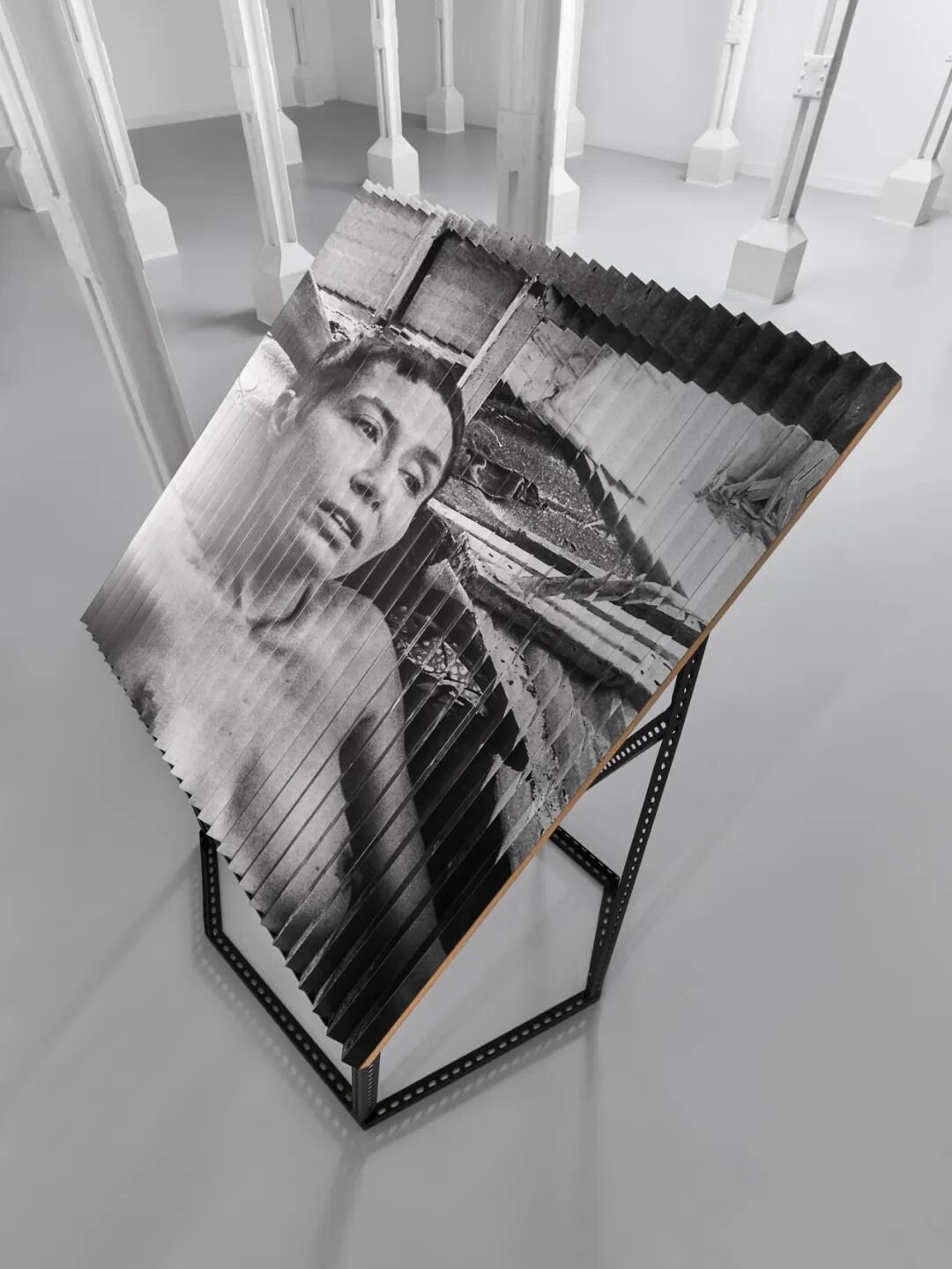
One set from Suiciders (2017): each set of the work comprises two images placed side by side — a press-agency photograph of the body of a female suicide bomber, and Rajkowska’s reconstruction, in which she uses her own body to replicate the posture of the corpse.
Rajkowska stresses the work’s “non-moral judgement”: it refuses reductive attribution (religious or political labels, for instance) and instead presents the material existence of bodily and psychic pain, echoing the entanglement of the physical and the psychological in addiction.
8. Richard Prince: The Morbid Fascination of Appropriated Images
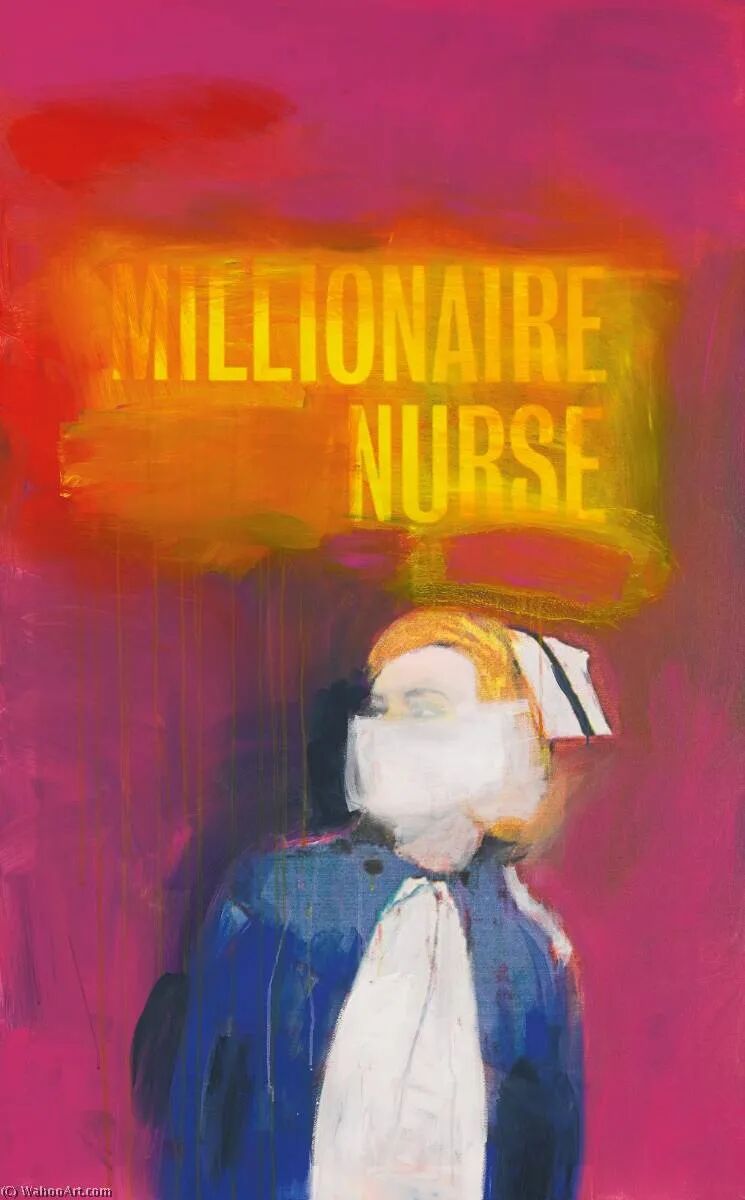
Prince is famous for “appropriating” existing images and reworking them. His Nurse Paintings series, based on the covers of cheap romantic novels, depicts nurses in masks, their eyes glazed and distant.
Repainted by Prince in thick pigment, these nurse figures appear at once seductive and morbid. The masks hide their expressions, leaving only pairs of eyes — hollow or anxious. The nurse, emblem of medical treatment and care, is here warped into an ambiguous symbol tinged with danger. These works can be read as a dark fantasy of the medical system, hinting that beneath the surface of professionalism and care may lurk control, desire and irrationality. They touch the contradictory psychology by which people depend on drugs and medicine even as they fear them.
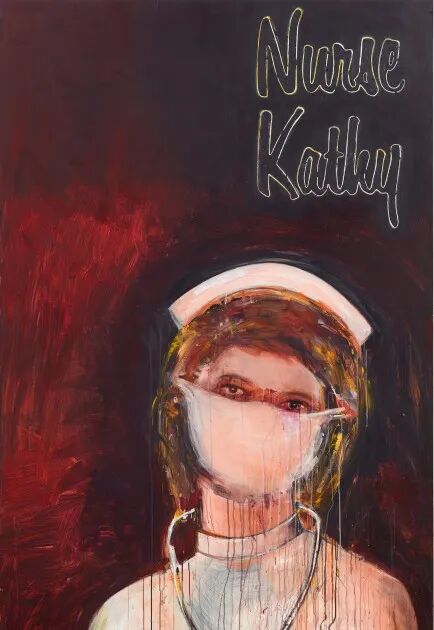
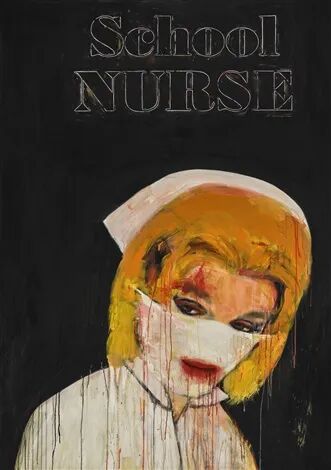
Prince’s strategy is a “cultural symptomatic analysis by means of appropriation”. By manipulating pre-existing images from popular culture, he reveals the collective unconscious and morbid fascination hidden within them. His Nurse Paintings capture precisely the ambiguous terrain of modern society, where “medicine” and “disease”, “cure” and “addiction” blur indistinctly into one another.
9. Bryan Lewis Saunders (American): The Body as a Testing Ground for Drugs
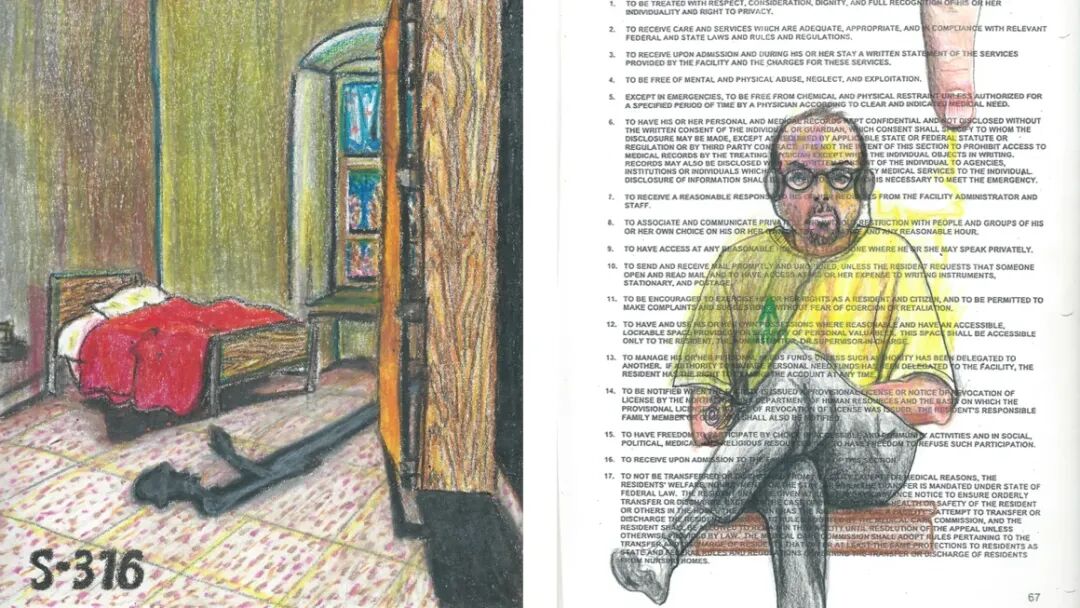
One of Saunders’s best-known works is his “daily self-portrait” project: since 1995 he has produced a self-portrait every day, and to date the series runs to more than 8,000 images. The project records not only the fluctuations of his personal emotions but also a sustained reflection on the human experience. Through the self-portraits he explores complex emotions from joy to despair, from calm to chaos, seeking through art to express his understanding of himself and of the world.
Saunders has also undertaken the experiment “Under the Influence”: beginning in 2001, over the course of 11 days he tried 18 different drugs and made a self-portrait under the influence of each. These works demonstrate the effects of drugs on perception and creativity, and have prompted wide discussion of the relationship between art and drugs; the experiments also brought side effects, among them drowsiness and mild brain damage.
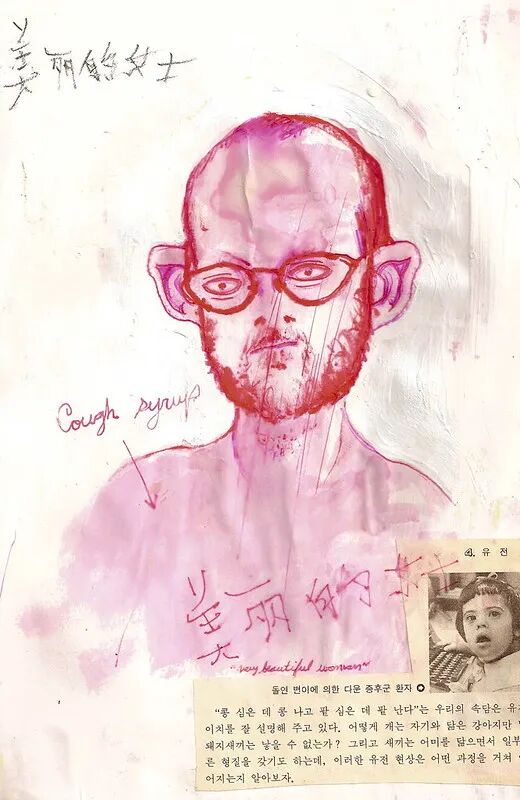
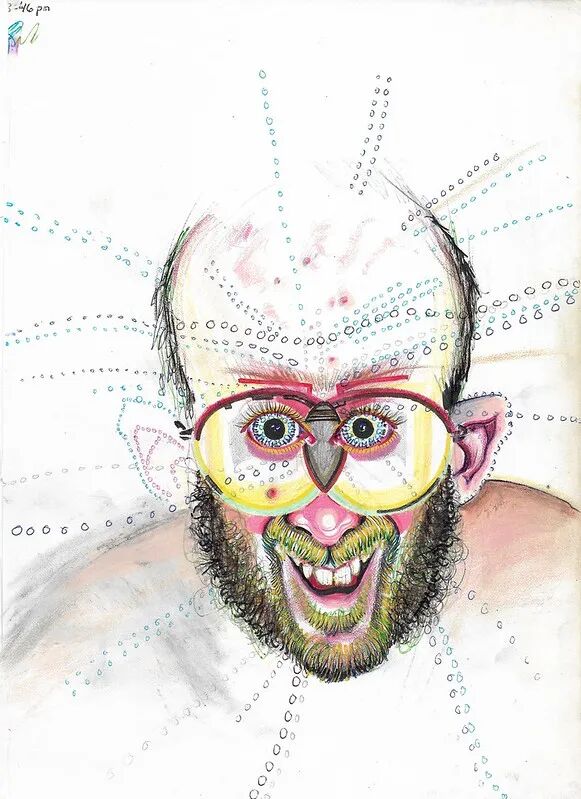
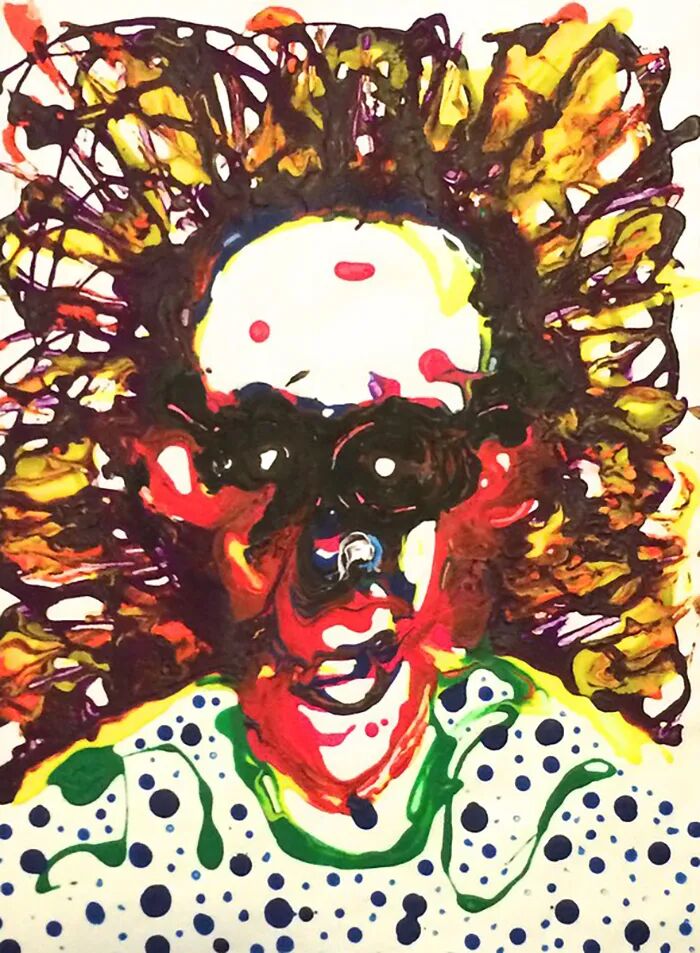
In August 2001 Saunders launched the project, ingesting a different drug or narcotic each day and drawing a self-portrait under its influence, in order to explore the effects of drugs on self-perception, sensory awareness and artistic expression. In the first 11 days he tried 18 drugs; the series eventually grew to 91 self-portraits (as of 2016), covering prescription medication, illegal drugs, alcohol and industrial chemicals. The drugs were mostly obtained from neighbours, given by friends or acquired from a psychiatric hospital; he paid for none of them.
The types of drug used included, but were not limited to:
Sedatives: Valium, Butalbital, Xanax.
Opioids: morphine, oxycodone, hydrocodone.
Hallucinogens: psilocybin (magic mushrooms), DMT.
Other dangerous substances: butane honey oil, computer duster (inhaled cleaning spray), bath salts.
The style of these works shifts dramatically with the drug taken, for example:
Xanax (2 mg): distorted features and chaotic lines, evoking a state of central nervous system depression.
Magic mushrooms: vivid colours and abstract imagery, reflecting sensory distortion.
Morphine: blurred forms and loose brushwork, conveying torpor and the stripping away of pain.
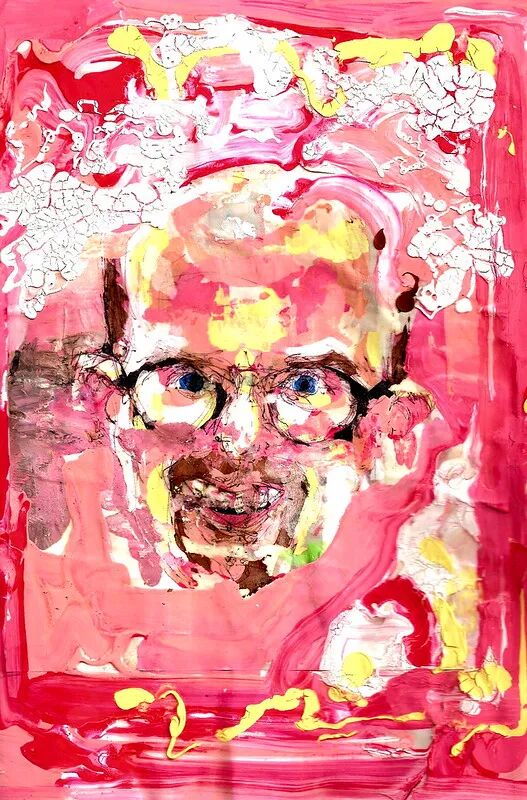
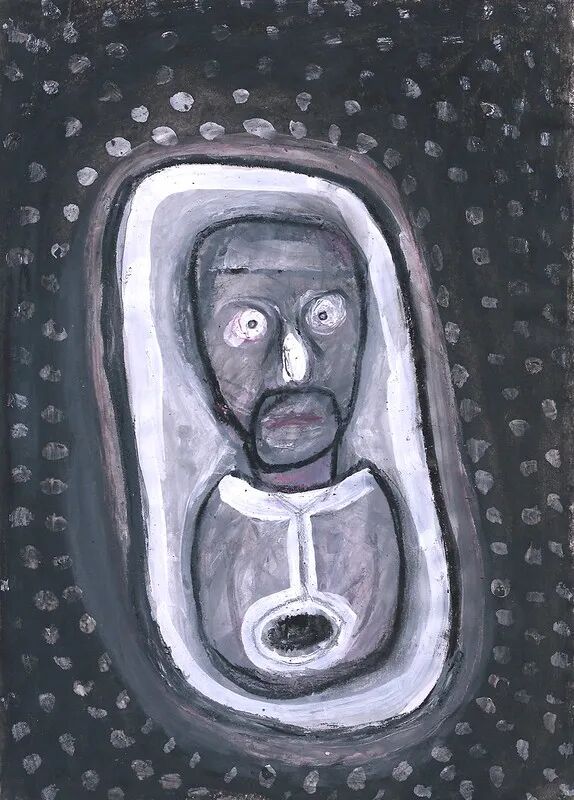
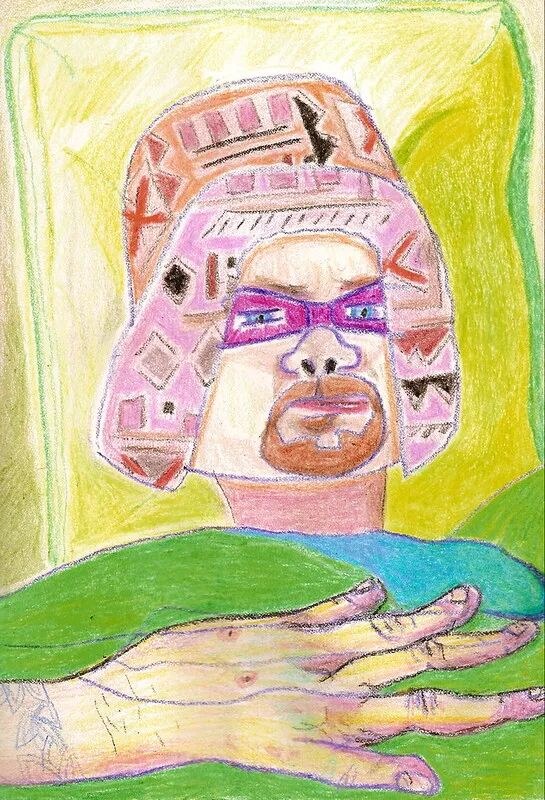
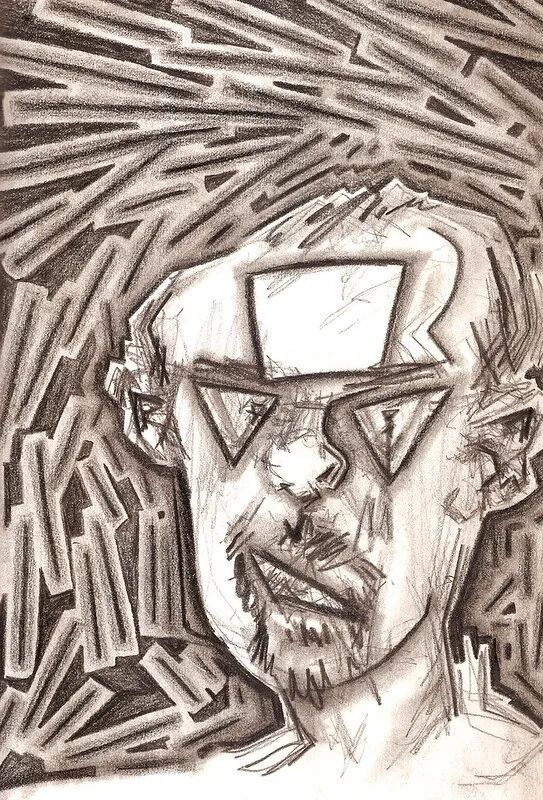
The experiments resulted in mild brain damage, psychomotor retardation and chronic drowsiness; Saunders himself describes the undertaking as “self-abuse”. He admits that through the act of creation he vented the anxiety, depression and mania the drugs induced, regarding art as his “primary means of therapy”.
He also filmed the experiment as the documentary Art of Darkness, recording the profound effects of the drugs on Saunders’s body and mind and on his artistic expression, and emphasising both the risks involved and the impossibility of replicating them.
“The Many Faces of Bryan Lewis Saunders”: this article introduces Saunders’s self-portrait project in detail, including the work he made under the influence of drugs (follow our account and reply “Saunders” to read our translation of this nearly 10,000-word CNN record of the whole project).

Part Four: Many Roads, One Destination — Shared Strategies and Humanist Concern in the Contemporary Representation of “Drug Dependence”
From our analysis of the artists above, it becomes clear that, for all the differences in their media, styles and points of entry, they have converged — as if by common consent — on a set of core strategies in handling the grave subject of drug dependence. Together these strategies constitute a powerful paradigm for contemporary art’s response to social crisis. They may be summarised as follows:
1. Strategy One: Autobiographical Confession
Key figures: Nan Goldin, Tracey Emin, Jean-Michel Basquiat (an implicit autobiography paid for with his life).
The artist takes his or her most private, most painful, least presentable experiences as the direct material of the work. The power of this strategy derives from its unarguable authenticity. It breaks down the safe distance between artist and audience, forcing the viewer into a real, emotionally charged space. Through courageous self-exposure, the artist dissipates the shame and stigma surrounding addiction, restoring the abstract label of the “addict” to a concrete, palpable, compassion-worthy human being. This confessional mode of expression is itself a form of therapy — a retelling, and a mastering, of past trauma.
2. Strategy Two: Cold Metaphor
Key figures: Damien Hirst, Richard Prince.
In opposition to the heat of autobiography, this strategy adopts a visual language that is cool, detached, even industrial in feel. The artists do not depict scenes of addiction directly; instead, through the appropriation, reproduction and display of related objects (pills, medicine cabinets) or symbols (the nurse), they construct a conceptual metaphor for drug dependence. This “cold” treatment lifts the issue out of the whirlpool of personal emotion and guides the viewer towards reflection on a broader, more rational sociological and cultural plane. Its aim is not to arouse sympathy but to provoke critique — of the medical industry, of consumer culture, of the belief systems of modernity.
3. Strategy Three: Social Record and Witness
Key figures: James Nachtwey, Keith Haring (in the mode of public art).
The artist assumes the role of sociologist or journalist, documenting, in an objective mode of record, a crisis that is unfolding now. This strategy emphasises the social function and documentary value of art. Through irrefutable images or data it reveals the breadth and depth of the problem, seeking to awaken public attention and conscience. Unlike press reportage, the artist’s record tends to carry a deeper humanist concern and a more enduring visual power; what it pursues is not merely the conveyance of information but an emotional truth and historical weight capable of piercing time and moving the heart.
4. Strategy Four: The Visualisation of Psychic Landscapes
Key figures: Yayoi Kusama, Jean-Michel Basquiat, Joanna Rajkowska.
This strategy ignores the behaviour and social consequences of addiction, concerning itself instead with exteriorising, in visual form, the inner mental world of the addicted state. The sense of “self-dissolution” conjured by Kusama’s infinitely repeated dots and the “schizophrenic” condition rendered in the frenzied graffiti of Basquiat’s canvases are alike translations of an extreme psychological experience. Such art lets us glimpse the distorted, anguished and at times psychedelic inner life of the addicted, and to understand the complex psychological motives behind their behaviour — escape, the longing for transcendence, the combat against inner chaos.
5. Strategy Five: An Interrogation of the Body
Key figures: Nan Goldin (with her bruised and battered body), Barbara Kruger (“Your Body Is a Battleground”), Bryan Lewis Saunders.
This strategy places the body at the centre of the inquiry. Drug dependence is above all an experience of the body — of pleasure, pain, withdrawal and final decline. Some artists explore the limits of pain through extreme performance art; others display directly the flesh wounded by drugs and violence; still others declare in text that the body is a field on which power struggles are fought. These works remind us that, beneath all the discussion of society, culture and psychology, addiction is a cruel story played out on living flesh. It forces us to think about the vulnerability and autonomy of the body, and about how modern society disciplines and controls our bodies.
These strategies are not mutually exclusive; a single artist will often combine several of them. But they all point towards a core humanist concern: refuse simplification, restore complexity, counter judgement with empathy. What art does here is re-humanise the individuals whom social problems have dehumanised.

Drug dependence — this obstinate affliction lodged in the very body of modern society — is far more severe than we imagine, and its roots strike deep into the soil of our age. It is at once an imbalance of biochemistry and an echo of psychic trauma; at once a product of social injustice and a symptom of the lost spirit of our culture. Before so complex a predicament, any single explanation or remedy seems pallid and powerless. It is in the fissures of this complexity that contemporary art demonstrates its irreplaceable value. It offers no miracle cure and no simple answers. Instead, it chooses to face the abyss directly, building for us a many-faceted mirror from Nan Goldin’s lens, Basquiat’s brush and Hirst’s medicine cabinets. In this mirror we see the individual sinking and struggling in dependence; we see the collusion of the medical system with commercial interest; we see how consumer culture weaves its traps of desire; and we see the soul’s eternal longing for transcendence amid pain.

Through their multiple strategies — autobiography, metaphor, documentation, the visualisation of the psyche and the interrogation of the body — the artists have succeeded in doing several things:
Destigmatisation: they restore the “addict” to a concrete human being with a story.
The revelation of structure: they connect individual problems with wider social and cultural structures.
The arousal of empathy: they create powerful emotional experiences that compel us to step across moral judgement and try to understand.
The posing of questions: they interrogate, in depth, the basic beliefs of our age — concerning happiness, suffering, health and the meaning of life.
Ultimately, in this discussion of “drug dependence”, contemporary art can play the role of an “awakener”. It awakens us to see the sufferings that have been hidden from view; it awakens us to reflect on the social norms we take for granted; it awakens the most basic humanist care deep within us. It tells us that to truly understand and confront the crisis of drug dependence we need not only better drugs and sounder regulation but a society more just, more inclusive, more willing to listen to and understand pain. Gaze into the abyss in the mirror, and the abyss gazes back. But through the mirror of art, what we see may no longer be only fear and despair, but also the possibility of understanding — and the faint glimmer that humanity still emits from its darkest depths.
订阅艺术评论
订阅即赠《2024中国当代艺术关键词》内部思考笔记 PDF
每周免费获取最新当代艺术批评与研究