Since 2025, a deep and pervasive anxiety has settled over the art world. At the heart of this anxiety lies a soul-piercing question: “When artificial intelligence (AI) can generate an image ‘more perfect’ than a composition I have spent a month of labour and heart’s-blood conceiving, in the space of a single minute—what, then, is my worth as an artist? Do I still have any need to keep painting, sculpting, creating?”
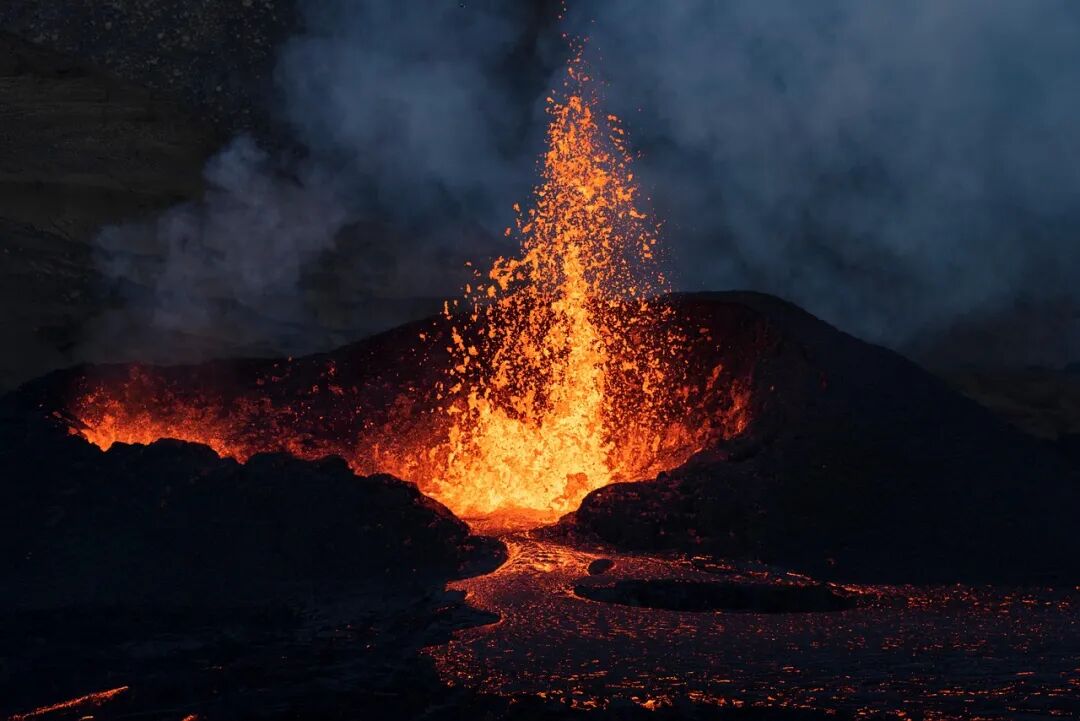
This mood is no fantasy. Since the early 2020s, generative AI—exemplified by diffusion models—has made breakthrough advances; its formidable capacity for image generation, in terms of efficiency, refinement and stylistic diversity, has posed an unprecedented challenge to the traditional, skill-centred mode of artistic production. What artists feel most widely is a sense of powerlessness at being so rapidly overtaken by technology, and a bewilderment about their future professional prospects.
Yet to reduce this anxiety to a simple fear of technological threat is a historical limitation and a short-sighted view. Across the history of art, every major technological innovation—from the invention of the paint tube to the birth of photography, and on to the rise of digital media—has triggered comparable panic and debate. Each time, art did not perish; rather, through collision, fusion and contestation with the new technology, it accomplished its own transformation. What we face today, therefore, is not the end of art but a critical turning point. It compels us to rethink the essence of art, the source of creativity, and the artist’s role within society and culture.
The aim of this essay is to pierce through the dazzling surface of AI technology and arrive at the unshakeable core of human creativity, drawing a clear, practicable and hopeful map of the future for fellow artists lost in the fog. We hold firm that 2025 is not the dusk of the human artist but the dawn of a great new era.
I. From Photography to Generative AI
To understand today’s anxiety, one must first look back at yesterday’s transformations. Standing at the vantage point of 2025 and examining the impact of AI, we find that history’s rhymes are strikingly similar.
(1) The ‘Trial’ of Photography
1. A Revaluation of Value under Technological Shock
In the mid-nineteenth century, the birth of photography delivered a tsunami-like shock to the world of painting. At the time, the ‘documentary’ function of realist painting—one of whose core values was the precise representation of the objective world—was almost instantaneously supplanted by photography. The French painter Paul Delaroche’s famous lament upon seeing the daguerreotype, “From today, painting is dead,” captures precisely the widespread panic of painters then. This panic is of a piece with what artists feel today before AI: a core skill on which they had long relied (the ability to depict from life) was suddenly cheapened and democratised by technology. If a machine can replicate reality more ‘truthfully’ than the human eye and hand, what is the point of the painter’s existence?
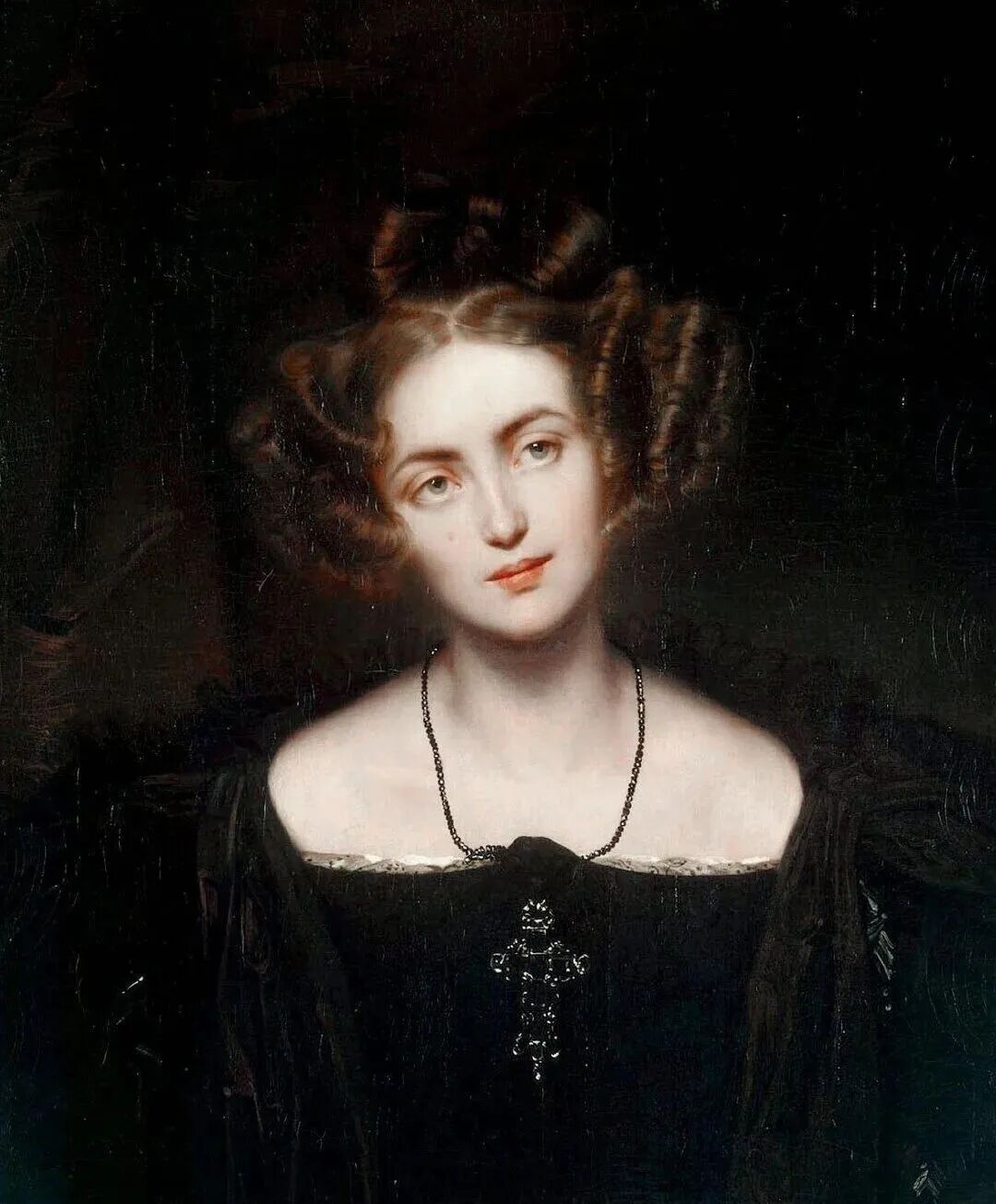
Yet history took a turn the pessimists did not foresee. Far from killing painting, photography became the catalyst of painting’s self-renewal. Precisely because it shed the heavy flesh of ‘precise representation,’ painting could break its bonds and embark on the grand journey toward modernism. Artists ceased to be obsessed with ‘likeness’ and turned instead to explore territory photography could not reach: subjective emotion, inward truth, pure form, abstract concept. From Édouard Manet’s capture of everyday instants, to Monet’s utter devotion to the play of light and shadow, to Van Gogh igniting the fire within through distorted brushwork and fervent colour, and on to Wassily Kandinsky’s invention of abstraction that breaks wholly free of objects—all are powerful answers to photography’s ‘trial.’ Painting moved from ‘the art of representation’ to ‘the art of expression’ and ‘the art of the concept,’ and its value coordinates shifted from external ‘technical mastery’ to internal ‘depth of thought’ and ‘intensity of feeling.’
2. The Lessons History Offers
The century-long contest between photography and painting offers three core lessons for meeting the challenge of AI today:
(1) What technology replaces is ‘function,’ not ‘value.’ Photography replaced part of painting’s documentary function; AI, for its part, displays superlative efficiency in image generation, style imitation and composition optimisation, replacing the procedural, technical ‘functional’ segments of artistic creation. But this does not mean art’s overall ‘value’ is replaced. The value of art is always rooted in the humanistic content that lies beyond its functionality.
(2) The pressure of technology is the driving force of art’s self-evolution. It is precisely because of external pressure that art is forced out of its comfort zone, to explore deeper and more essential dimensions, thereby expanding its boundaries and deepening its content. The advent of AI is driving art, with unprecedented force, into a new round of profound self-reflection and evolution.
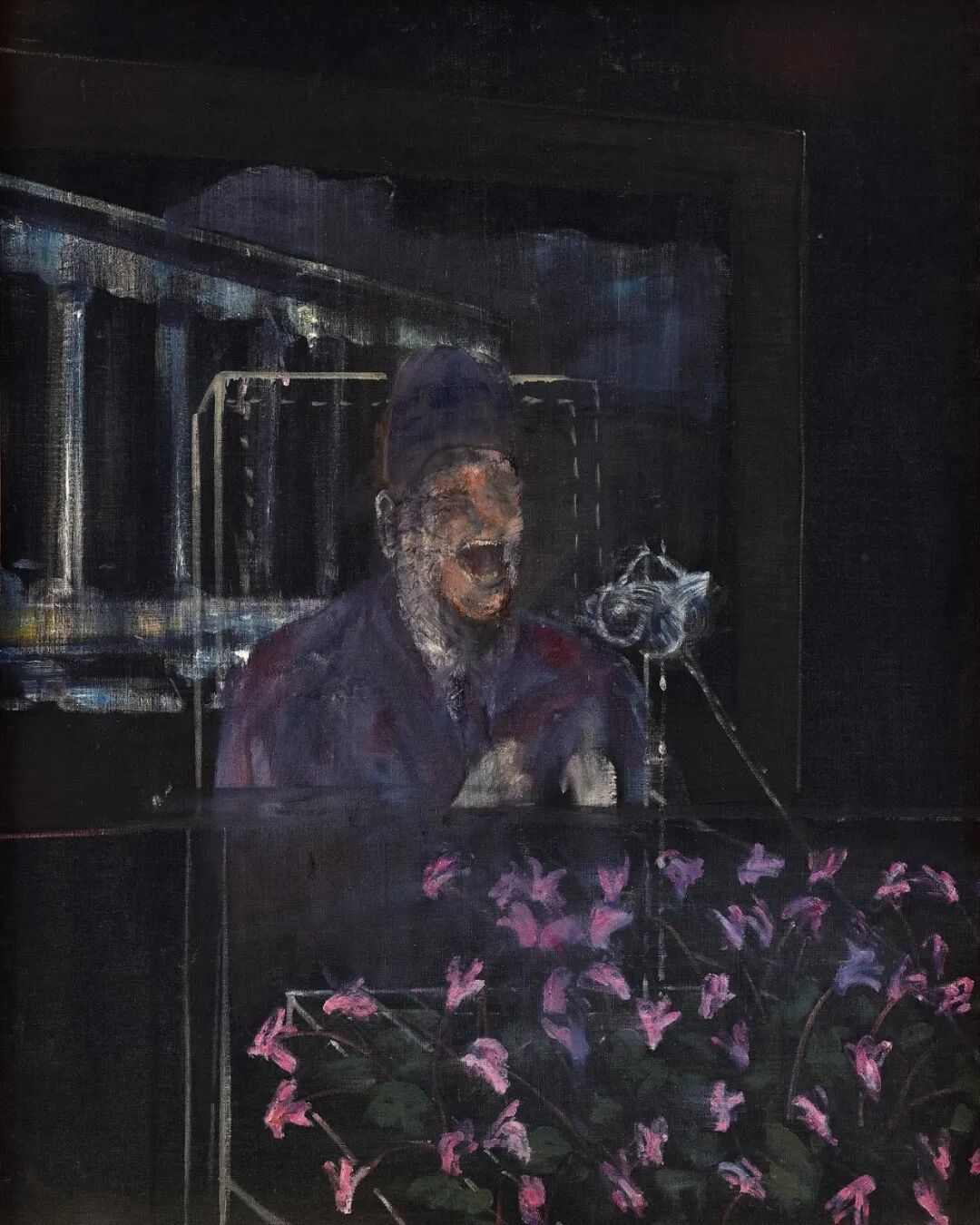
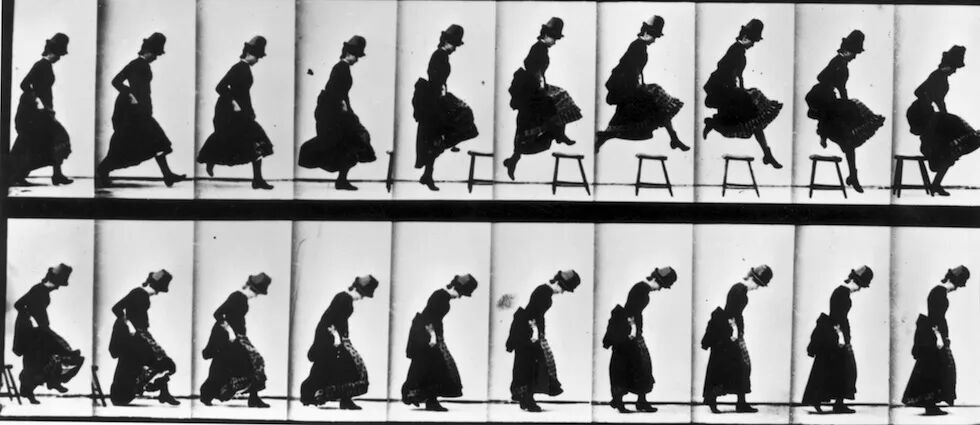
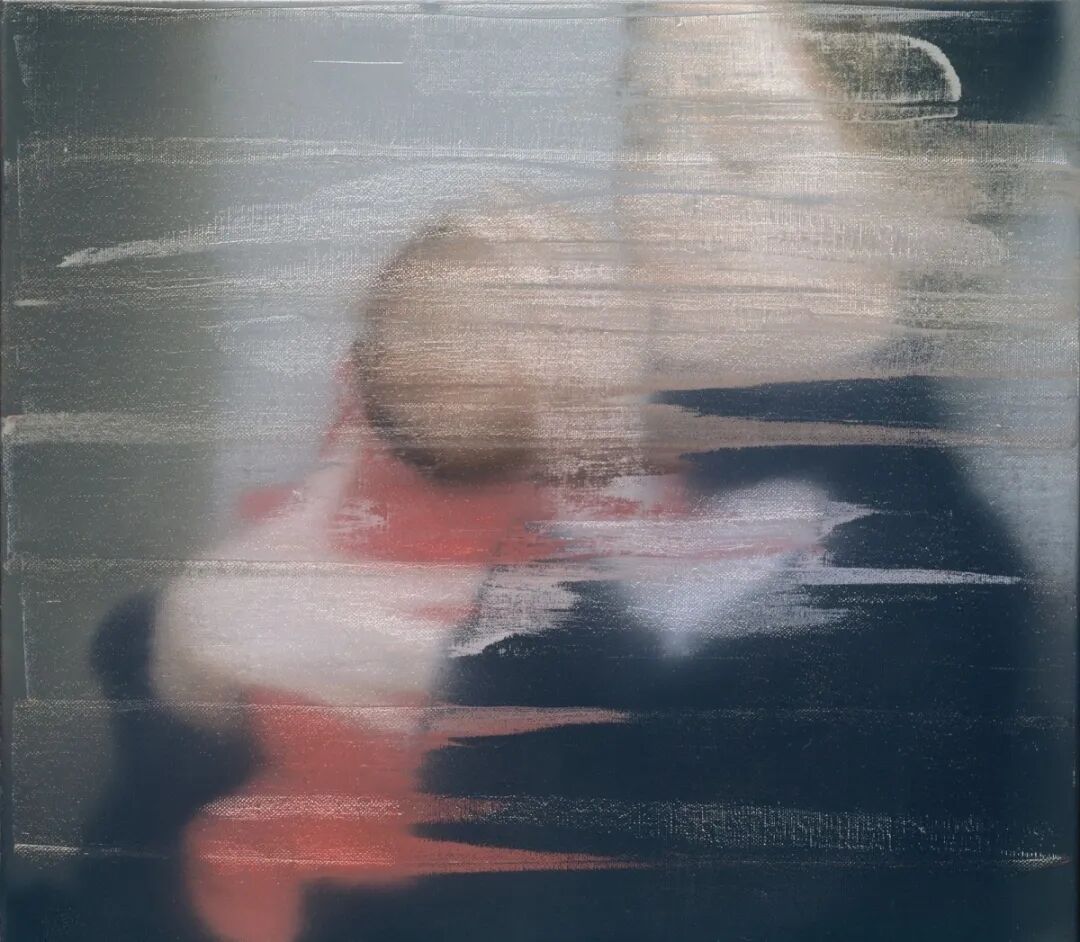
(3) The relation between human and technology is not a zero-sum game. Photography ultimately developed into an independent art form, mutually inspiring and fusing with painting and other genres. Francis Bacon, for instance, often worked from Eadweard Muybridge’s sequential photographs, while Gerhard Richter’s ‘photo-paintings’ blur the boundary between photography and painting. This foreshadows that the future relation between artist and AI will likewise be a symbiotic one—complex, dynamic and charged with creative tension.
(2) Deconstructing AI Anxiety: Technological Illusion and Essential Difference
1. Disenchanting the ‘Perfect Composition’
The root of artists’ anxiety over the ‘perfect composition generated by AI in one minute’ lies in a technological illusion: comparing AI’s ‘computational result’ with human ‘artistic creation’—two essentially different things—on the same dimension. We must disenchant AI’s so-called ‘perfection.’
First, the images AI generates are the result of probabilistic statistics, pattern learning and recombination performed on vast quantities of existing image data. AI does not ‘understand’ what it generates. It does not understand what ‘beauty’ is, what ‘sadness’ is, what ‘the sublime’ is. Its ‘perfect composition’ is an optimal probabilistic combination at the pixel level, arrived at by following formal rules—the golden ratio, visual lead-in lines—that data has repeatedly ‘fed’ it. This is a statistical ‘formal correctness,’ not an expression of content born of lived experience. An AI model, for example, can generate a ‘portrait of a mother’ that obeys every classical rule of composition, yet it can never comprehend the complex emotions lodged in the artist’s brushstrokes when depicting his own mother.
Second, the greatness of art lies precisely in breaking through and overturning ‘perfection’ and ‘correctness.’ The history of art is a history of constantly breaking established rules and challenging traditional aesthetics. From Caravaggio’s violent chiaroscuro that shattered the sacred halo, to Picasso’s thorough subversion of perspective in Les Demoiselles d’Avignon, to Duchamp carrying a urinal into the museum, every leap in art has sprung from a questioning of the ‘perfect’ paradigm. If art sought only formal ‘perfection,’ it would degenerate into refined craft. AI’s ‘perfect composition’ may be excellent ‘design,’ but it remains essentially far from becoming ‘art’ that moves the human heart.
2. Recognising the Ontological Gulf between AI and Human Creation
To free oneself of anxiety entirely, the artist must clearly recognise several insurmountable ontological gulfs between AI creation and human creation.
(1) The Absence of Intentionality
Human artistic creation is a directed process full of intention. The artist has something to say, an emotion to express, a concept to articulate. This ‘intention’ runs through the whole process from conception to completion, and finally condenses into the work’s ‘soul.’ The generative process of AI, by its nature, is ‘intentionless.’ It merely executes instructions faithfully, performing mathematical operations in a vast latent space to find the image solution that best matches the textual description.
Although humans can guide AI through carefully designed prompts, this remains an indirect expression of ‘borrowing another’s hand.’ AI itself has no creative intention of its own. The philosopher John Searle’s ‘Chinese Room’ thought experiment, though originally devised to refute the ‘understanding’ capacity of strong AI, applies equally here in its core insight: symbol manipulation is not genuine understanding. AI processes pixels and labels, not meaning and emotion.
Through the experiment, Searle points directly at the core defect of strong AI, proposing two insurmountable philosophical distinctions:
The rift between syntax and semantics: ‘syntax’ refers to the formal rules of symbols (such as the order of character combination, the manner of logical matching); ‘semantics’ refers to the meaning a symbol carries (as ‘apple’ corresponds to the fruit in reality, ‘pain’ to the body’s discomfort). Computer programs can only process syntax—for instance, recognising the character encoding of ‘apple,’ matching the symbol sequence related to ‘fruit’—but can never attain semantics. Human ‘understanding,’ by contrast, depends precisely on semantics: we can bind ‘apple’ to concrete gustatory and visual experience, can comprehend the subjective feeling of ‘pain’—something pure symbol manipulation cannot achieve.
The absence of intentionality: Searle argues that the core feature of the human mind is ‘intentionality’—that is, mental states possess ‘aboutness’: the thought ‘I want to eat an apple’ is ‘about’ the apple, the feeling ‘I am worried it will rain’ is ‘about’ the weather. Computer symbol manipulation has none of this ‘directedness’: it processes the characters for ‘apple’ not because it ‘wants to refer to a kind of fruit’ but simply because the program instructs it to; just as the person in the room processes the Chinese characters for ‘rain’ not because he ‘knows rain is liquid precipitation’ but because the rule book requires him to match the opposite of ‘clear.’
Searle further reinforces this view with ‘biological naturalism’: intentionality and semantic understanding are products of biological evolution, dependent on the neural protein structure of the human brain and the interaction between body and environment (as in knowing ‘apple’ through touch and taste), whereas the computer is a ‘disembodied system’ composed of silicon chips and abstract algorithms—with neither a biological basis nor real perceptual experience, and thus naturally incapable of producing ‘genuine understanding.’ This is precisely a major distinction between the artist and AI.
(2) The Value of Process
For the human artist, the creative process is itself part of the art, suffused with uncertainty, chance, the rhythm of the body and the contest with materials. The hesitations, overpaintings and scrapings the brush leaves on the canvas, the sculptor’s every confrontation and compromise with wood and stone—all carry the artist’s thought and feeling, becoming part of the work’s material texture and spiritual content. The German artist Anselm Kiefer, for example, uses straw, lead and ash in great quantities in his work; the acts of burning and corroding within the creative process are themselves profound metaphors for historical trauma and material cycles. AI’s generative process, by contrast, is ‘non-processual’: a black-boxed, instantaneous computation that presents its result directly, lacking real interaction with the material world and the trace of temporal sedimentation. This absence of process makes its works naturally different from human art in materiality and temporal depth.
(3) The Absence of the Body
Human perception, emotion and creativity are all deeply rooted in our bodily experience. Our sight, touch and hearing, our walking, labouring, loving and suffering in the world together shape our artistic expression. The artist creates through the ‘body’; this ‘embodied cognition’ is something AI entirely lacks. Even in painting, the pressure of the artist’s grip and the posture of the body subtly affect the final image. AI has no body and cannot experience the world’s warmth, texture or weight; its ‘creation’ is therefore forever ‘disembodied’—a simulation in virtual data space, not a welling-up from real lived experience.
One of art’s core functions is the transmission and resonance of emotion. The artist transforms and sublimates personal emotional experience through artistic form, ultimately touching the viewer’s heart and evoking a word-transcending empathy. The authenticity and depth of this emotion spring from the artist’s vulnerability and finitude as a living individual, and from the search for the meaning of existence.
AI can ‘learn’ and ‘imitate’ the expression of emotion—generating, say, a seemingly sorrowful face—but it has no emotion of its own and cannot truly comprehend the complex layers of human feeling. The ‘sadness’ it generates is a symbolic representation, whereas the ‘sadness’ in the human artist’s hand is the crystallisation of lived experience. As the philosopher Heidegger put it, art is ‘the setting-to-work of truth’; what it reveals is the essential aspect of being. This depth of existence can be reached only by humans as ‘Dasein.’
In sum, the current AI anxiety stems from a misreading of technological capacity and a neglect of the essence of human art. AI’s power lies in ‘computation,’ while the core of human art lies in ‘experience’; AI’s advantage is ‘efficiency,’ while the value of human art is ‘depth.’ Recognising this fundamental difference is the first and most crucial step for the artist to leave anxiety behind and rebuild confidence.
II. Peril on Every Side, or Opportunity Abounding?
Having clarified the essential difference between AI and human art, we must now turn our gaze to the coming year of 2026, and examine what role AI technology actually plays in the current artistic ecology, and what concrete challenges and opportunities it brings.
(1) Macro-Policy and Cultural Orientation in the Chinese Context
In 2025, China elevated artificial intelligence to an unprecedented level of national strategy. Since the State Council issued the Development Plan for the New Generation of Artificial Intelligence in 2017, related policies have appeared in rapid succession. In particular, in August 2025 the State Council issued the Opinions on Deeply Implementing the ‘AI+’ Action (Guo Fa [2025] No. 11), marking a comprehensive shift in China’s AI strategy from ‘breakthroughs in technological R&D’ to ‘deep empowerment of industry.’ In the 2025 Government Work Report, ‘continuously advancing the “AI+” action’ was emphasised as a priority.
For Chinese artists, this macro backdrop signifies a double reality:
1. Challenge: The popularisation and mainstreaming of AI technology will be irreversible. Propelled strongly by state policy, AI will penetrate every aspect of culture and art—creation, curating, education, the market—at unprecedented speed. If artists choose to ignore or resist AI entirely, they risk being marginalised by the tide of the times. The spread of various AI art-making tools will indeed spawn vast quantities of low-quality, homogenised ‘AI-generated content,’ eroding the market space of professional artists, much as the frequent news reports of a flood of low-quality AI-generated books and images attest.
2. Opportunity: Attention at the national level provides a broad stage and abundant resources for the exploration of ‘AI+art.’ The government’s emphasis on a smart economy and smart society means more funding, projects and policy will tilt toward AI-related cultural and artistic innovation. If artists can actively embrace, learn and critically deploy AI, they will have the chance to join the national cultural digitalisation strategy, gaining new creative resources and platforms for display. In the construction of smart cities, digital museums and virtual reality, for instance, artists who know how to use AI for artistic innovation will enjoy a unique competitive edge. Artists can follow and join AI art projects led by government or large technology firms, folding their personal practice into a grander social and cultural agenda.
(2) The Global Art Market’s Response: Bubbles, Contestation and the Emergence of New Value
The art market’s attitude toward AI-generated art in 2025 presented a complex and contradictory posture: capital’s eager pursuit on one side, the industry’s cautious wait-and-see and fierce ethical contestation on the other.
1. Auction Houses Test the Waters, and Prices Fluctuate.
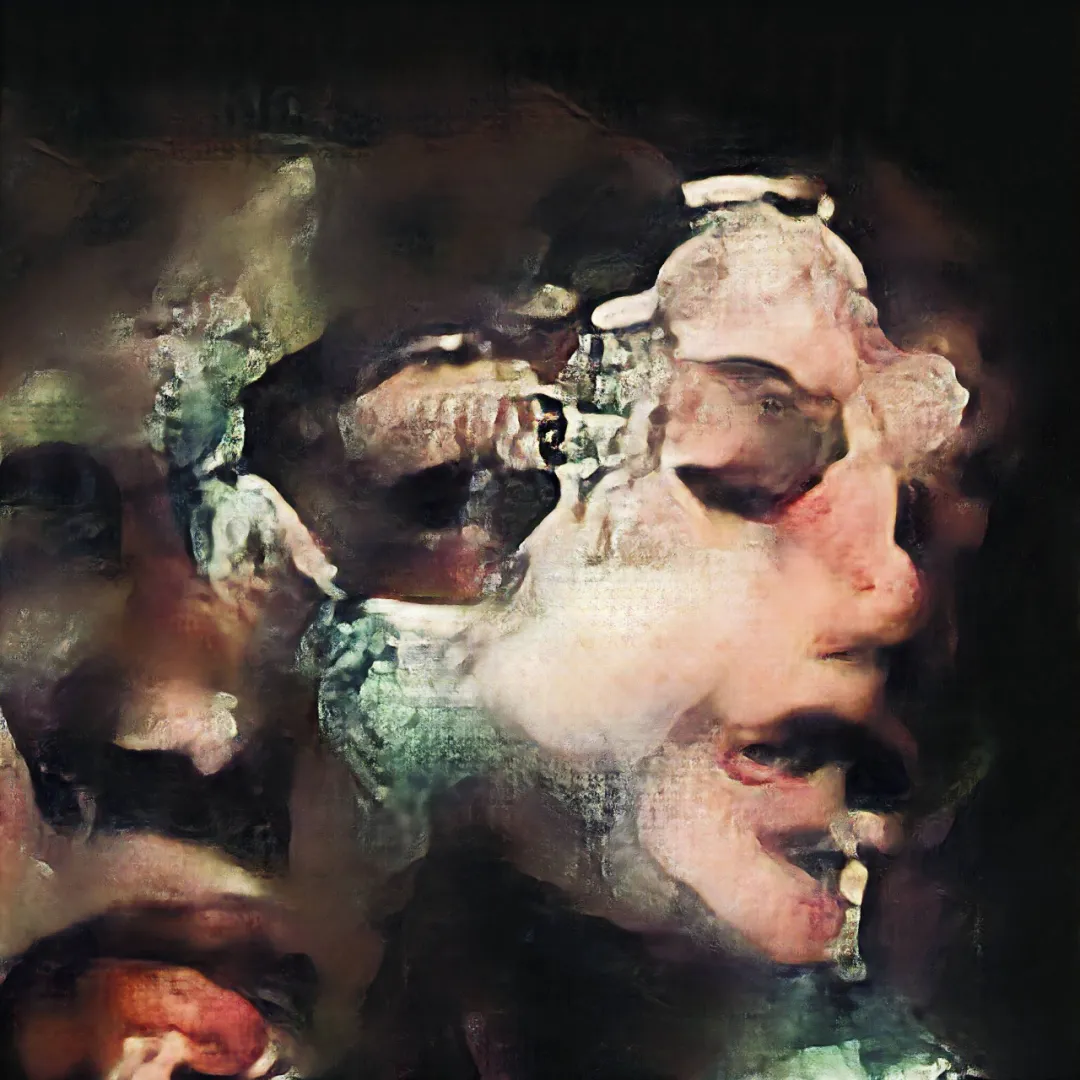
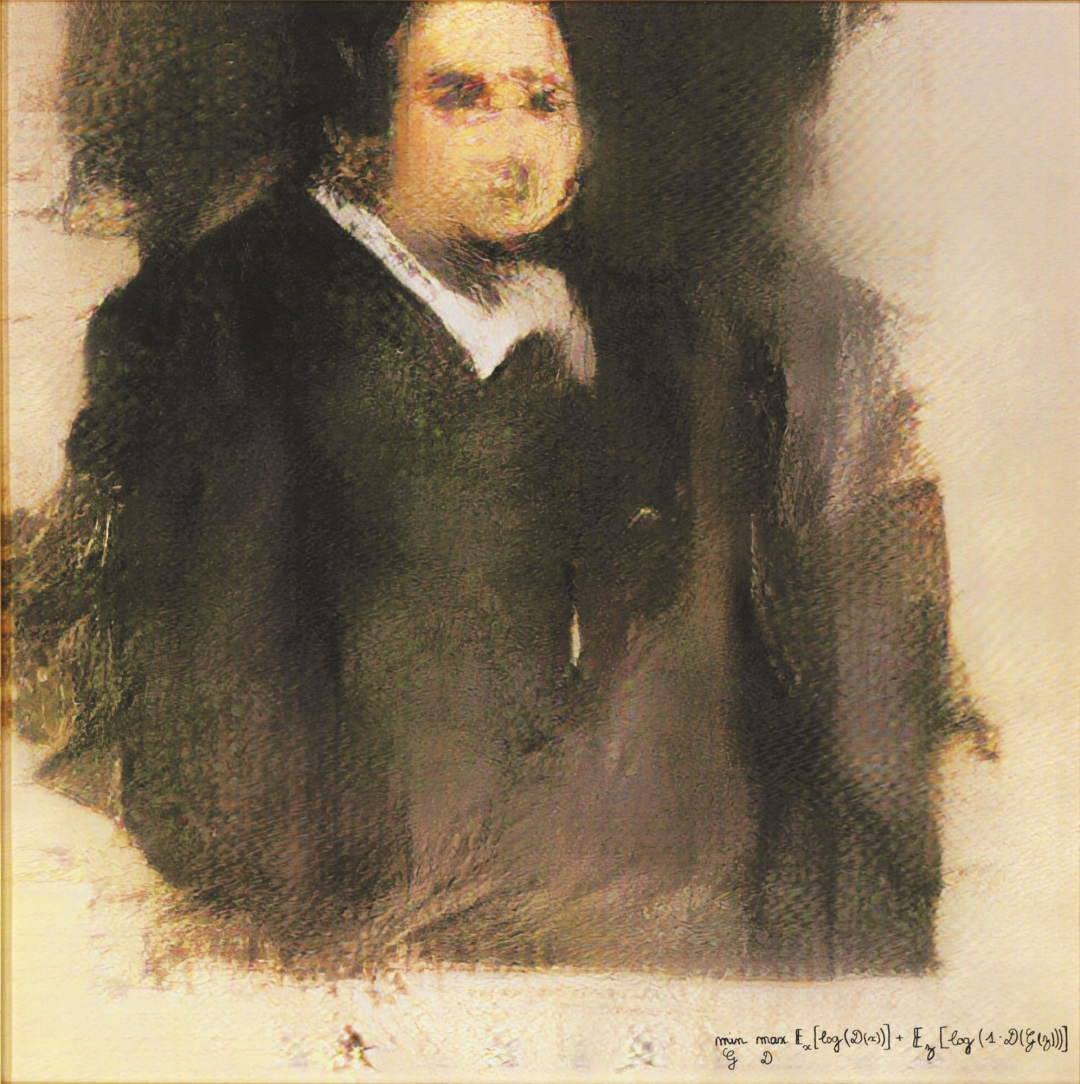
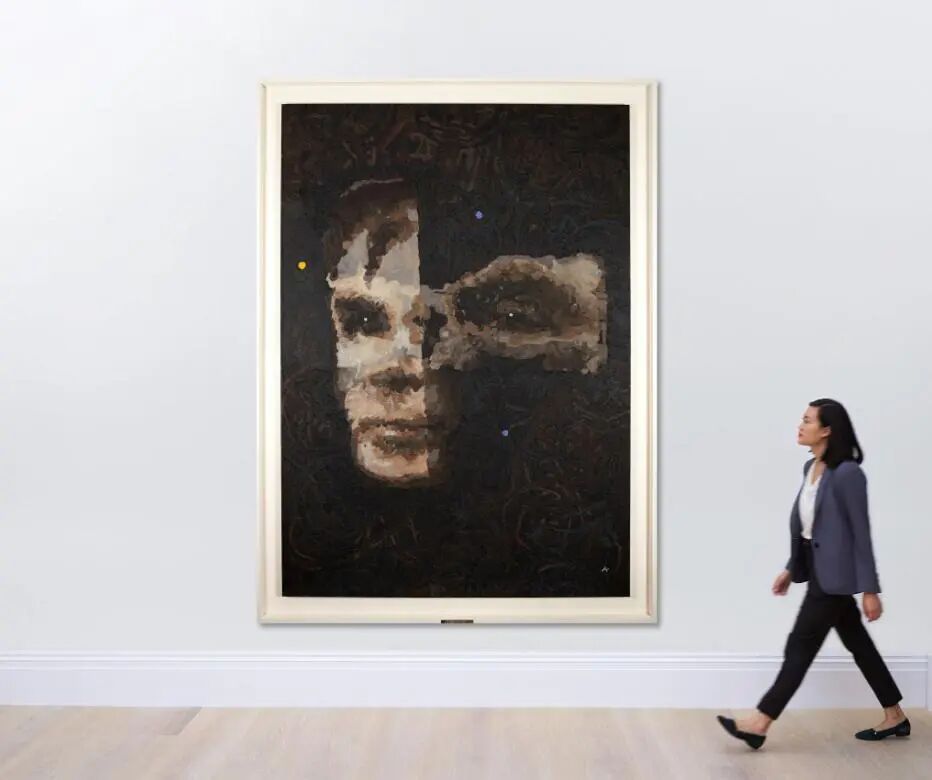
Since 2018, when the AI painting Portrait of Edmond de Belamy by the art collective Obvious sold at Christie’s for US$432,500, AI art has begun to make its mark on the top auction market. Through 2024 and 2025 this trend grew more pronounced. In October 2024 Sotheby’s auctioned a painting titled ‘AI God’ created by a robotic artist, and another work, Portrait of Alan Turing, also sold at Sotheby’s. Christie’s, for its part, held the world’s first dedicated auction of wholly AI-created works in March 2025, with total sales reaching US$792,000. These high-price sales show, on the one hand, that the market takes keen interest in the novelty and topicality of AI art and that capital is willing to bet on this emerging field; on the other, their price-formation mechanism rests more on event marketing, the significance of technological milestones and celebrity effect than on a mature system of artistic value judgement.
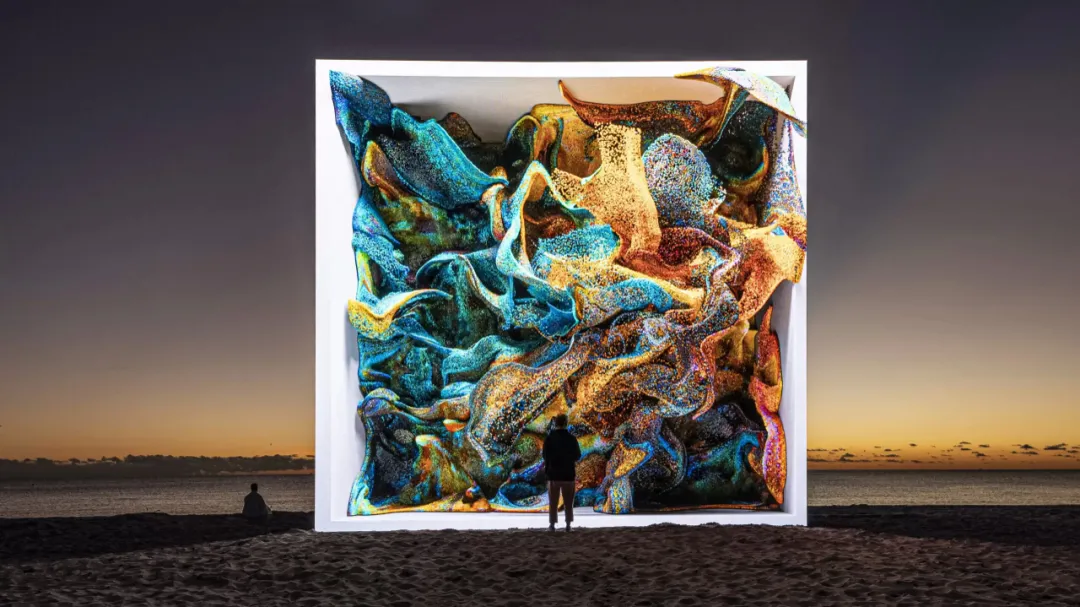
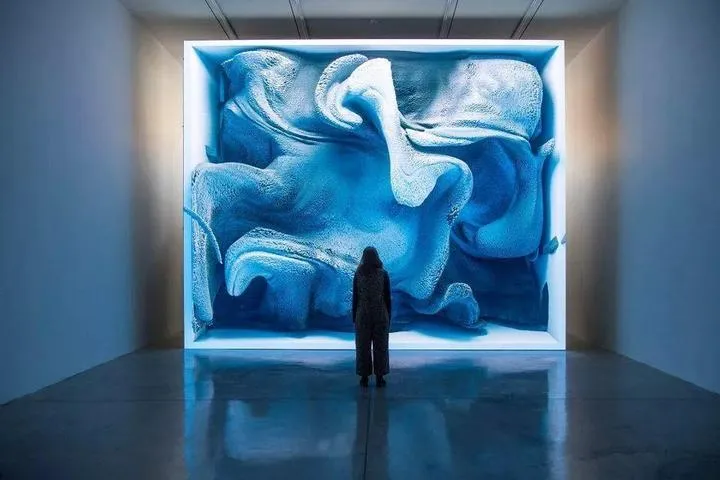
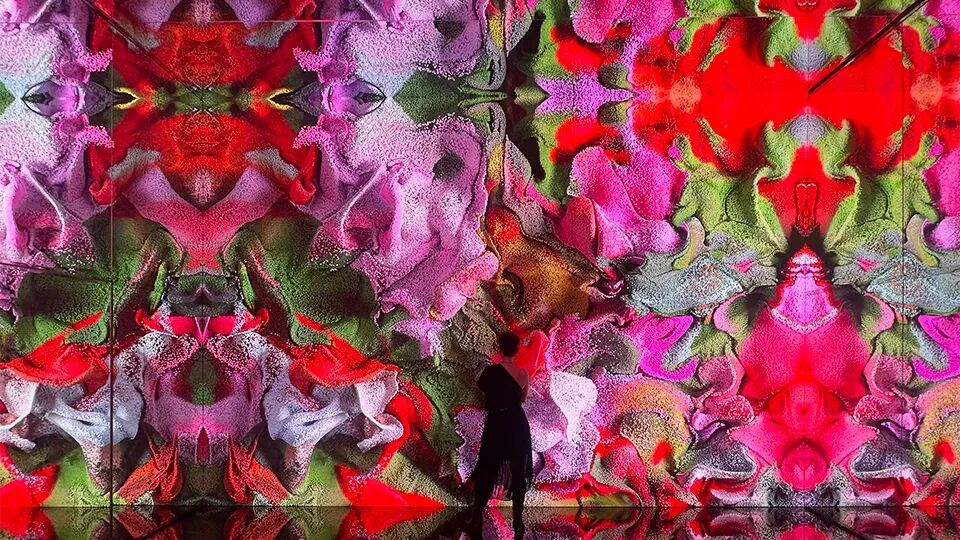
A landmark event was the strong market demand for works by the Turkish-born artist Refik Anadol. Taking vast datasets as his ‘pigment,’ he generates fluid, immersive data sculptures and video installations through complex AI algorithms. His work Machine Hallucinations – ISS Dreams A, for example, achieved no small success at a Christie’s auction. Anadol’s success represents a market-recognised model of AI art: the artist as ‘director’ or ‘choreographer’ who uses AI to process and visualise massive data, creating grand audio-visual spectacles that exceed human sensory experience. This offers other artists a reference path—using AI to process complex information and pursue conceptual, data-driven artistic creation.
Yet the market is also full of controversy. In February 2025, a dedicated auction of AI-generated artworks that Christie’s had planned was postponed after protests by a large number of artists. The protests centred on copyright and the exploitation of human creative labour. The case of Getty Images suing Stability AI for training its models on copyrighted photographs is a concentrated legal manifestation of this dispute. These events show that the market is still fiercely contesting the ethical boundaries and value foundations of AI art.
2. Galleries and Exhibitions in Place-based Practice: From Beijing to Shanghai
In China itself, exhibitions on the theme of ‘AI and art’ burst forth in 2025 like a spring tide, becoming a frontier hotspot of the art world.
In Beijing, on 1 January 2025, the inaugural ITEC AI Art Exhibition, ‘Wisdom Reborn: Artistic Awakening and Civilisational Dialogue in the Age of AI,’ opened in the 798 Art District; in June, Beijing hosted ‘Multiple Symbiosis: An Exhibition of AI Art Design and Image Works’; and in November came ‘Identity in the Age of AI—the 2025 Artificial Intelligence Art Exhibition.’ These exhibitions brought together the earliest cohort of Chinese practitioners exploring AI art, addressing such grand themes as identity and civilisational dialogue brought by AI technology.
In Shanghai, the ‘Dresden AI Score’ exhibition held in August 2025 gathered AI artists and groups from around the world, directly confronting the core questions of artistic essence and human creativity.
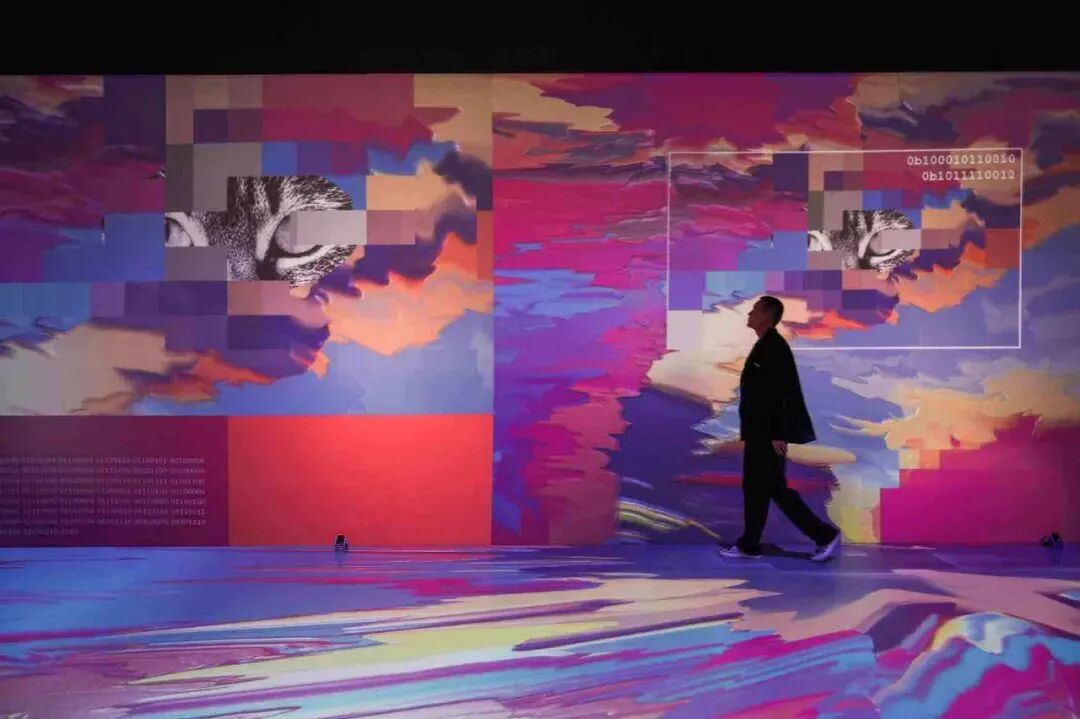
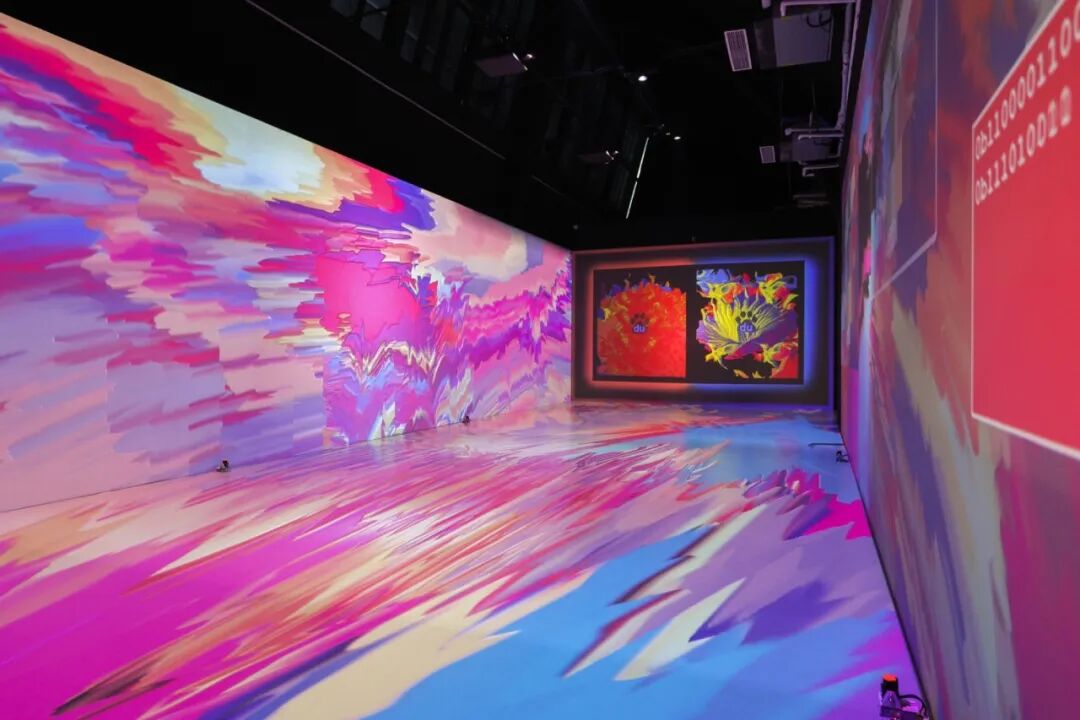
These exhibitions not only provide artists with platforms for display and exchange; more importantly, together they shape a cultural atmosphere: AI is no longer a distant technological concept but a creative medium and a topic that has entered art’s core field and demands to be taken seriously. The series Ten Scenes of Optical Valley by the Chinese artist Cai Xinyuan, created with AI, is a fine local case—he combines AI technology with regional cultural landscapes, exploring the aesthetic possibilities of human–machine collaboration. Another Chinese artist, Joann, collaborated with the luxury brand Gucci on a digital advertising project, demonstrating AI art’s potential in commercial application. These practice cases show that Chinese artists are actively integrating AI into their own creation and exploring its possibilities across cultural, commercial and other dimensions.
(3) Theoretical Construction in Academia: From Ethical Reflection to Aesthetic Reconstruction
Facing the vigorous growth of AI art, the global academy rapidly followed suit between 2023 and 2025, launching in-depth interdisciplinary research across philosophy, ethics, aesthetics and art theory, providing artists’ practice with theoretical support and critical perspectives.
1. The Ongoing Debate on Ethics and Copyright
A focus of recent scholarly attention is the ethical challenge posed by AI art. In using AI tools, artists need to maintain a critical awareness and attend to the questions of technological ethics and data justice behind them.
2. Philosophical Speculation on Creativity and Subjectivity
Deeper scholarly inquiry focuses on AI’s reconstruction of human creativity and the artist’s subjectivity. Some studies published in 2025, such as ‘Generative AI and the Reconstruction of Artistic Subjectivity: Evidence from an ANT Perspective’ (September 2025), begin to apply Actor–Network Theory (ANT) to analyse the role AI plays as a ‘non-human actor’ in the creative process, arguing that the artist’s subjectivity is shifting from an isolated, centralised creator to a ‘coordinator’ and ‘negotiator’ within a human–machine network.
At the same time, some scholars are exploring frontier concepts such as ‘post-human art’ and ‘generative AI aesthetics.’ The notion of ‘divided-subject post-AI art,’ which appeared in 2025, for instance, attempts to describe the new state in which the artist’s subject is dispersed, extended and reshaped within deeply fused human–machine creation. These theoretical explorations offer artists a new cognitive framework for understanding their new role in the age of AI. The artist is no longer the sole, omnipotent ‘creator,’ but more like a ‘partner’ dancing with a powerful intelligent agent, a ‘curator’ of an open system, a ‘guide’ of a complex process. This role shift dissolves part of the traditional artist’s halo, yet it also endows the artist with an unprecedented ability to link up with and mobilise vast intelligent networks.
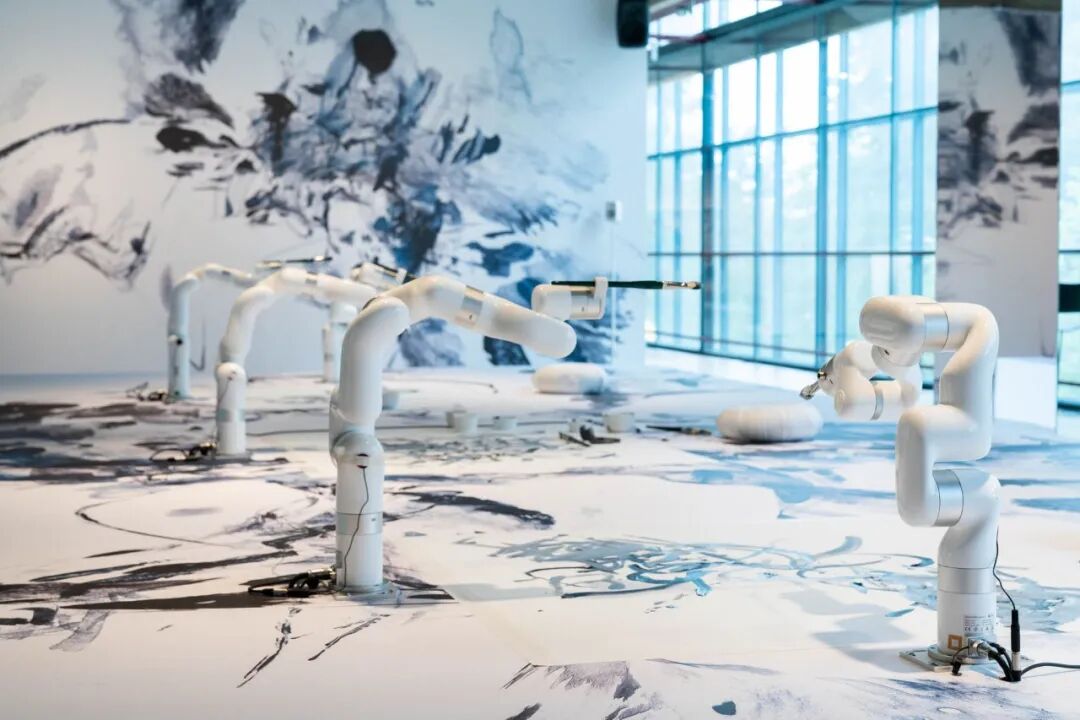
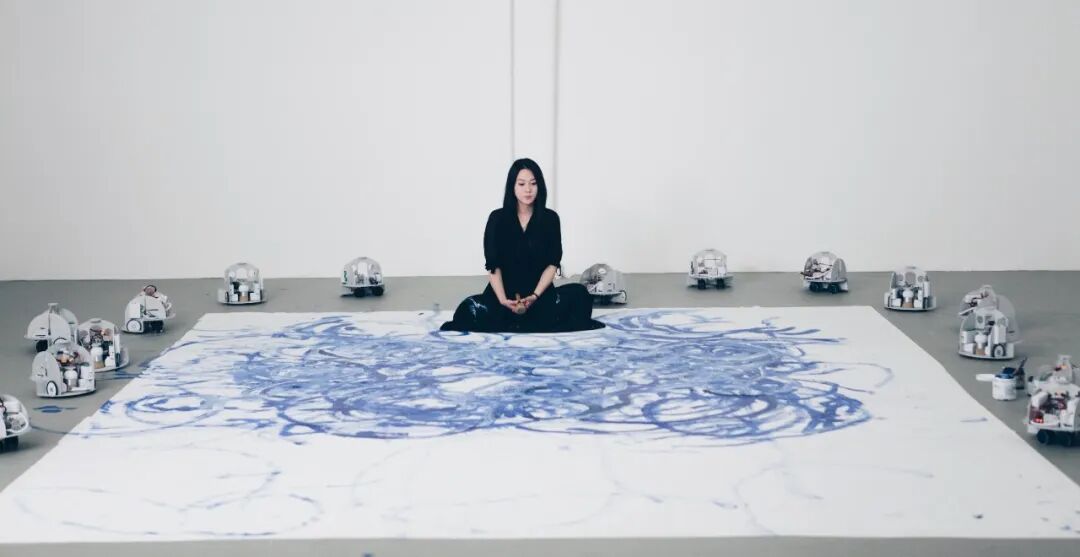
The practice of the American interdisciplinary artist Sougwen Chung, for example, vividly illustrates this theory. She trains robots to paint collaboratively with her, exploring the dynamic interaction between human and machine. In her series Drawing Operations, the robot (D.O.U.G., Drawing Operations Unit: Generation_) imitates, responds to and even anticipates her brushstrokes in real time, forming a unique ‘human–machine duet.’ Her work is held in major institutions such as the Victoria and Albert Museum in London, proving that this human–machine collaborative practice has gained recognition from the mainstream art world. Chung’s creation makes clear that AI can be not merely a tool but an ‘other’ possessing a certain autonomy—a ‘partner’ that sparks the artist’s improvisatory response and creative dialogue.
In sum, the reality of 2025 is complex and multidimensional. The challenges are real, whether in the job market, copyright protection or the conception of creation. But the opportunities are equally great: state-policy support, an open art market, active local practice and deepening academic theory together constitute a new ecology full of infinite possibility. For the artist, the key lies in how to find one’s position within this complexity, turning challenge into opportunity and external pressure into inner creativity.
III. Where Lies the Way Forward: Seven Core Methodologies for the Artist of 2026 and Beyond
Faced with the profound change brought by AI, the artist cannot linger in anxiety and complaint, still less choose ostrich-like evasion. The only way out is to respond proactively, systematically remaking one’s knowledge structure, creative mode and value positioning. Below, we propose seven concrete, actionable core methodologies for the artist of 2026 and beyond.
(1) Methodology One: From ‘Tool User’ to ‘System Co-creator’—Embracing the New Paradigm of Human–Machine Collaboration
This is the most direct and also the most basic strategy of response. The artist must reposition AI from a potential ‘replacer’ to a powerful ‘collaborator.’ This means not merely learning to use tools such as Midjourney or Stable Diffusion, but establishing a deep human–machine collaborative creative workflow.
1. Become a ‘Super Prompt Engineer’
In AI generative art, the prompt is the bridge linking human intention and machine generation. But this absolutely does not mean artistic creation is reduced to ‘writing a few words.’ Top AI artists are ‘super prompt engineers’: they are not only versed in natural language but know how to deploy complex parameters, weights, image prompts, style embeddings and model fine-tuning to control the AI model’s output with the precision of a conductor. They need the linguistic ability of a poet, the logical thinking of a programmer and an almost exacting aesthetic judgement. An artist might spend weeks, through thousands of iterations and refined prompts, exploring a specific visual theme—and that process itself is a rigorous act of creation.
2. Build a ‘Generate–Feedback–Iterate’ Closed-loop Workflow
Do not treat AI’s output as the endpoint of creation; treat it as one stage in the creative process, an ‘intelligent sketch’ or ‘inspiration catalyst.’ An effective collaborative workflow is:
(1) Conception and prompting: the artist proposes the core concept and transforms it into a refined prompt.
(2) AI generation: use AI to rapidly generate large numbers of visual variants, breaking through the limits of one’s personal imagination.
(3) Human selection and re-creation: drawing on their own aesthetic and judgement, the artist picks out the promising parts from the mass of generated results, then uses traditional or digital artistic techniques (painting, collage, 3D modelling, post-processing) to rework, deeply process and finely adjust them.
(4) Feedback and iteration: feed the reworked result back into the AI model as a new image prompt, triggering a new round of generation, thus forming a creative cycle of continual deepening and evolution.
3. Explore the Convergent Application of Multimodal AI
By 2025, AI technology had gone far beyond image generation. Artists should actively explore the cross-boundary fusion of large language models (LLMs), AI music generation, AI video generation, AI 3D modelling and other tools. One might first use ChatGPT or a similar LLM to generate a poetic story or concept script, then use a text-to-image model to produce keyframe visuals, then an AI video tool to string them into moving images, and finally add AI-generated background music. In such a multimodal creative process, the artist plays the role of ‘total director,’ integrating and commanding a ‘virtual creative team’ composed of multiple AI agents.
(2) Methodology Two: Turn to the Uncomputable—Cultivating ‘Embodied Experience’ and ‘Material Medium’
If AI’s advantage lies in computation and generation within virtual space, then the human artist’s most solid bulwark lies in embodied experience in the real world and a unique command of material media.
1. Emphasise ‘Site-specificity’ and ‘Sense of Place’
A work of art is not merely an image; it exists within a specific space, time and cultural context. Artists should create more works that enter into deep dialogue with particular physical spaces, community environments or historical sites—large-scale place-based installation art, site-specific public art projects, or socially engaged practice completed together with community residents. The value of these works is rooted in their unique ‘presence’ and their interactive relation with the environment, which AI in the virtual world can in no way replicate.
2. Return to ‘Craft’ and ‘Materiality’
In an age of proliferating AI imagery, the value of material works bearing clear traces of ‘hand-making,’ infused with the artist’s bodily warmth and the sediment of time, will only grow more pronounced. Artists can re-embrace traditional media that demand superb manual skill and long bodily investment—oil painting, printmaking, sculpture, ceramics, textile. But this is not simple nostalgia; it is a creative transformation of traditional craft under the guidance of contemporary concept. An artist might first use AI to generate a complex digital pattern, then translate it through traditional woodcut or embroidery into a physical work with a unique material texture. This union of digital and manual both exploits AI’s computational power and affirms the irreplaceability of human craft.
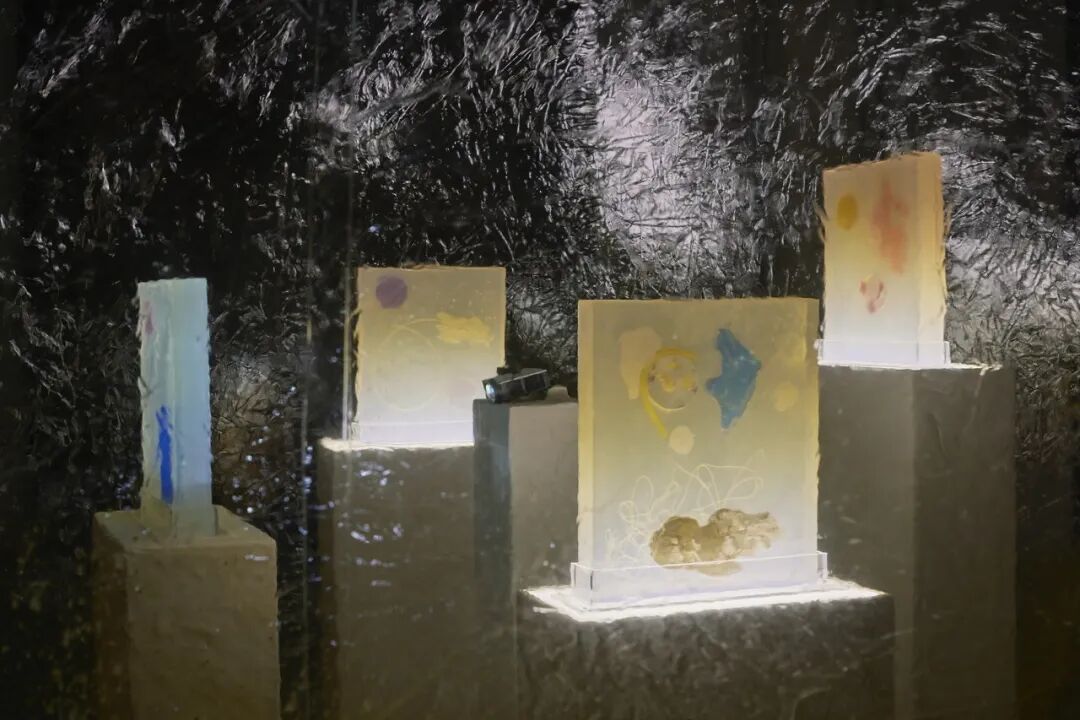
The work of the artist Anicka Yi is an excellent case of the exploration of materiality. She often uses unconventional, living materials such as bacteria, odour and insects; her work is full of uncertainty and sensory challenge, addressing the complex relations among life, technology and ecology. Her work was shown in 2024 at the Seoul Museum of Art, demonstrating the contemporary importance of art practices that attend to matter and life itself.
3. Focus on ‘Process Art’ and ‘Performance’
Shifting the centre of gravity of creation from the ‘final product’ to the ‘generative process’ itself is also a strategy against AI. Through performance art, process documentation, live action and the like, the artist’s body, decision-making process and interaction with the environment are all presented to the viewer as organic parts of the art. Marina Abramović’s example proves this once again: the power of her art depends entirely on her ‘presence’ as a living human being. This art grounded in lived experience and bodily limits is AI’s absolute blind spot.
(3) Methodology Three: From ‘Maker of Beauty’ to ‘Interpreter of Meaning’—Becoming a Critic and Thinker of the Algorithmic Age
Faced with AI, a technology that profoundly affects human society, the artist should not be content merely to use it to create beautiful images, but should take up a cultural responsibility: to use the language of art to examine, reflect on and critique AI technology itself.
1. Visualising and Revealing the ‘Algorithmic Black Box’
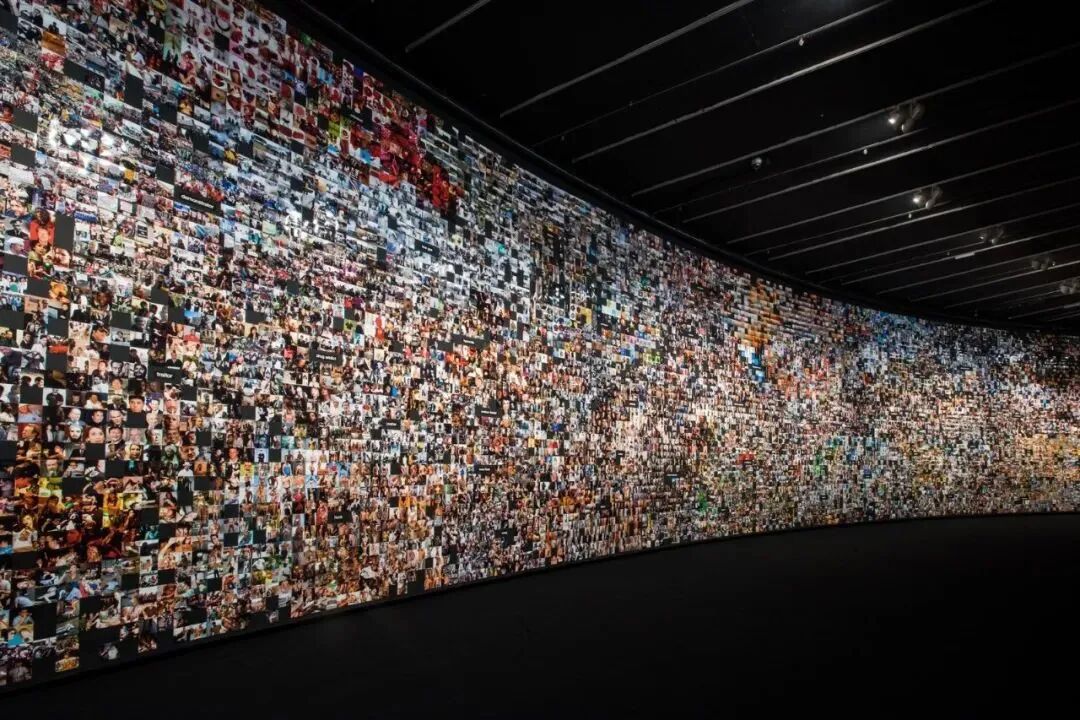
AI’s decision-making process is often an opaque ‘black box.’ Artists can use their work to visualise these complex, abstract algorithmic processes, exposing their inner logic, bias and structures of power. The artist Trevor Paglen is a representative here. Working with AI researchers, he has created a series of works revealing the bias behind AI systems such as facial recognition and image classification. His work From the Stolen Images displays the vast trove of web images used to train AI models, prompting deep reflection on data privacy and ethics.
2. Critiquing AI Aesthetics and Data Bias
The aesthetics AI generates often reflect the dominant tastes and cultural biases in its training data. Through their work, artists can deliberately ‘pollute’ the training data, or use AI to generate ‘wrong,’ grotesque images that challenge mainstream aesthetics, thereby exposing and subverting the ideology hidden behind AI.
3. Exploring the ‘New Human Condition’ of the AI Age
AI is profoundly changing our identity, social relations, ways of remembering and perception of the real. These are all major themes artists can dig into. Artists can create works on digital immortality, human–machine emotion, virtual avatars, surveillance capitalism and the like, offering their own observations and interrogations. The artist Lynn Hershman Leeson, for instance, has for decades explored the intersection of technology, identity and feminism; her work often engages virtual personae, artificial intelligence and biotechnology, and is strikingly prescient. Through art, the artist can become a ‘whistle-blower’ and ‘thinker’ who leads the public into a deep humanistic reflection on AI.
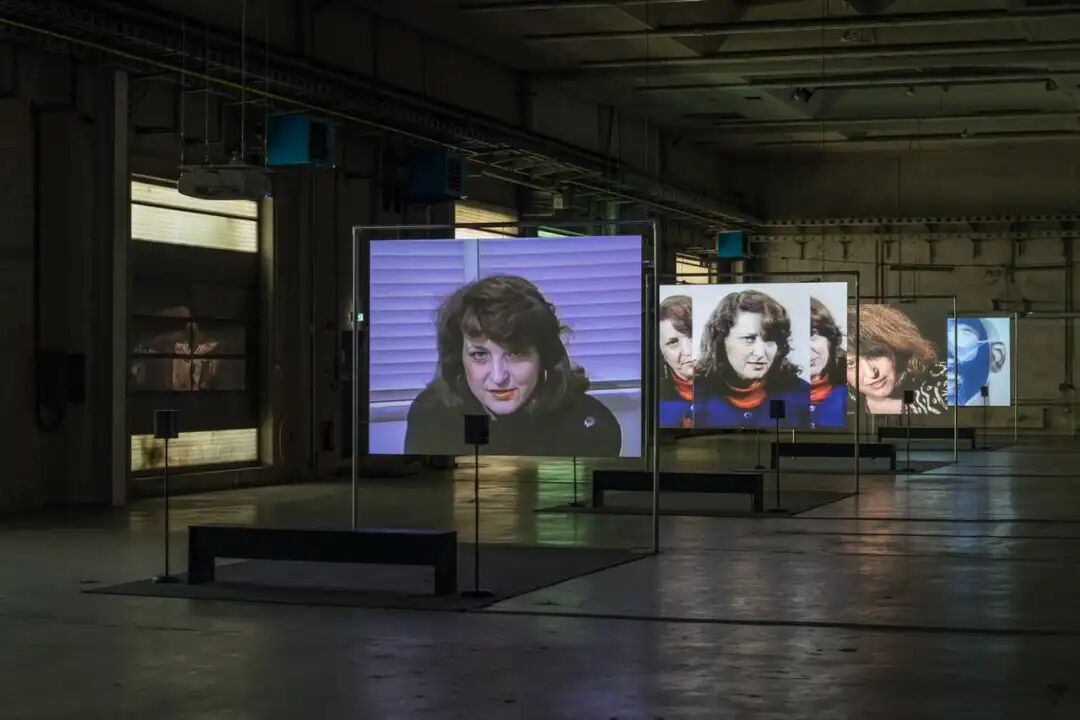
(4) Methodology Four: From ‘Single Work’ to ‘Systemic Narrative’—Building a Personal Artistic Universe
Against the backdrop of AI’s unlimited mass production of ‘stunning single images,’ isolated, context-lacking single works are easily drowned out. The artist’s competitiveness will increasingly lie in constructing a systematic narrative world of depth, breadth and personal recognisability.
1. Develop a Unique ‘Personal Database’ and ‘Private Model’
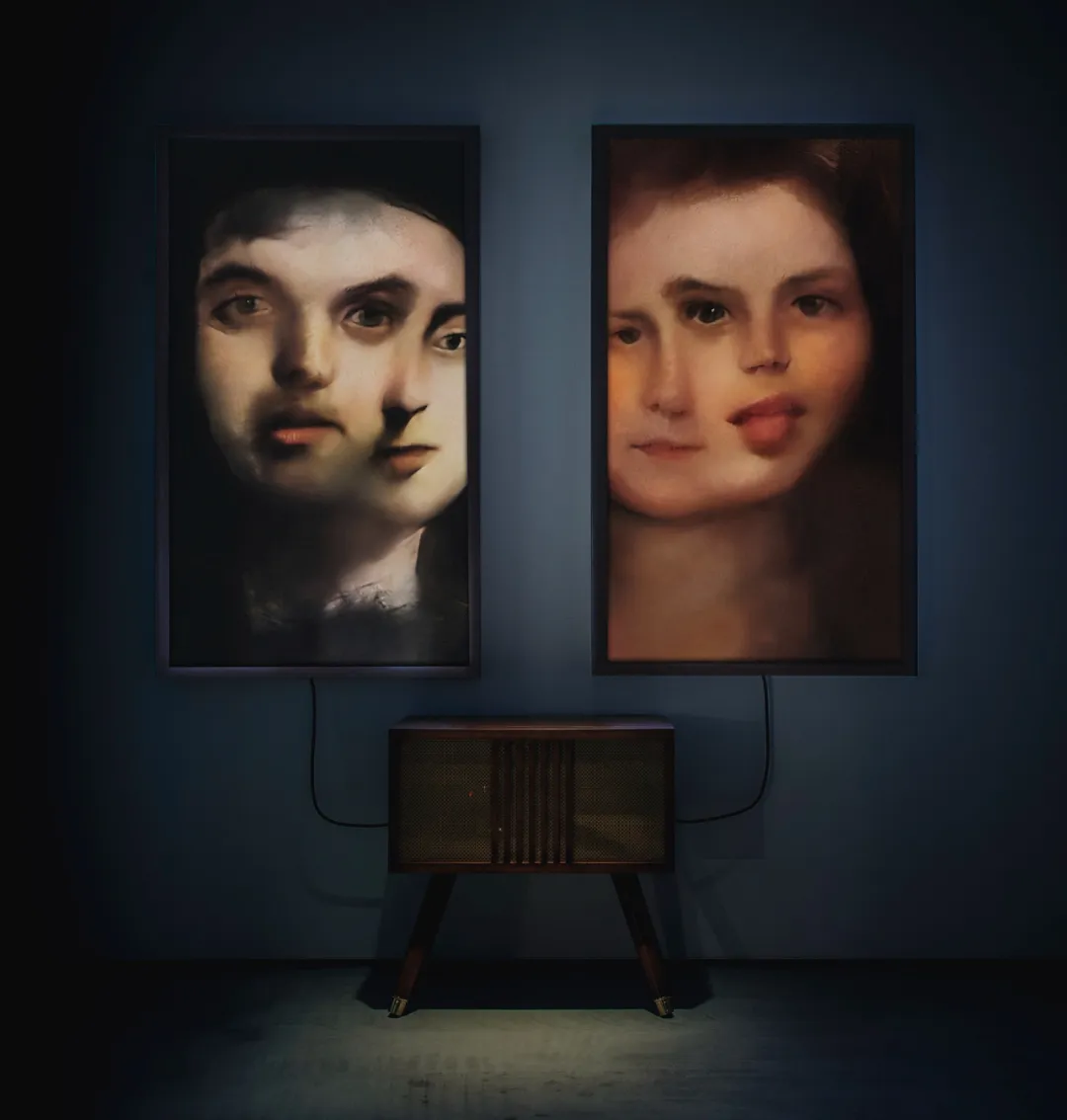
Rather than use the general large models provided by tech giants and built on public internet data, forward-looking artists can begin to build their own ‘personal database.’ This database can contain all the artist’s own works, sketches, notes, photographs, images that influenced them, texts they have read, and so on. Then, working with technical experts, they can fine-tune a bespoke AI model on this highly personal database. Such a ‘private model’ will have its generated style and content deeply stamped with the artist’s personal mark, becoming a unique ‘gene’ no one else can replicate. The artist Anna Ridler, for instance, trained a GAN model on thousands of tulip photographs she had taken herself, creating the work My Mother’s Garden, which ingeniously binds personal memory, history (the Dutch tulip mania) and AI technology together.
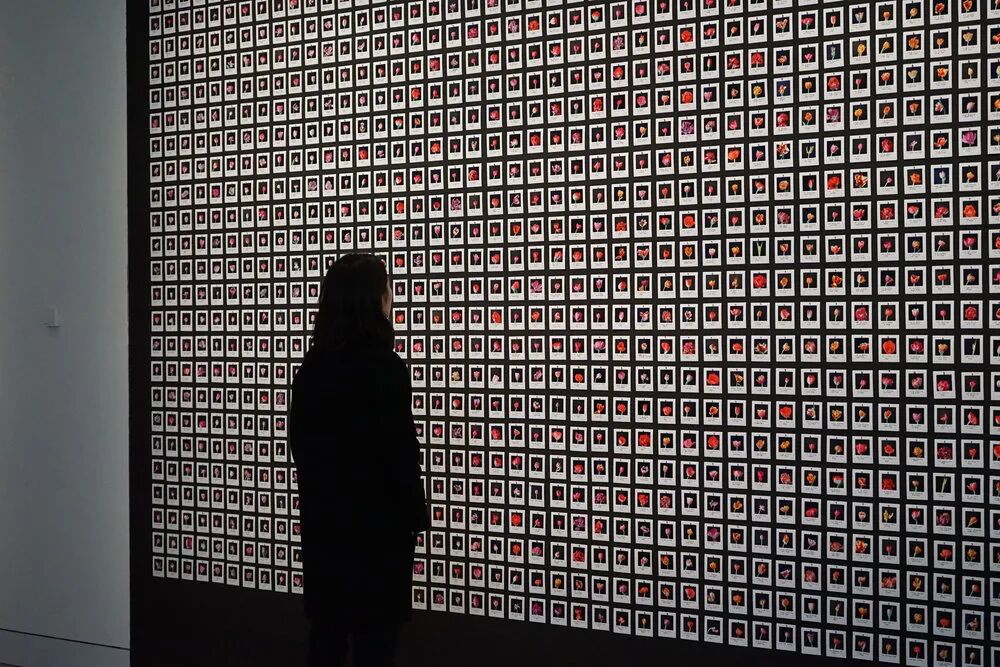
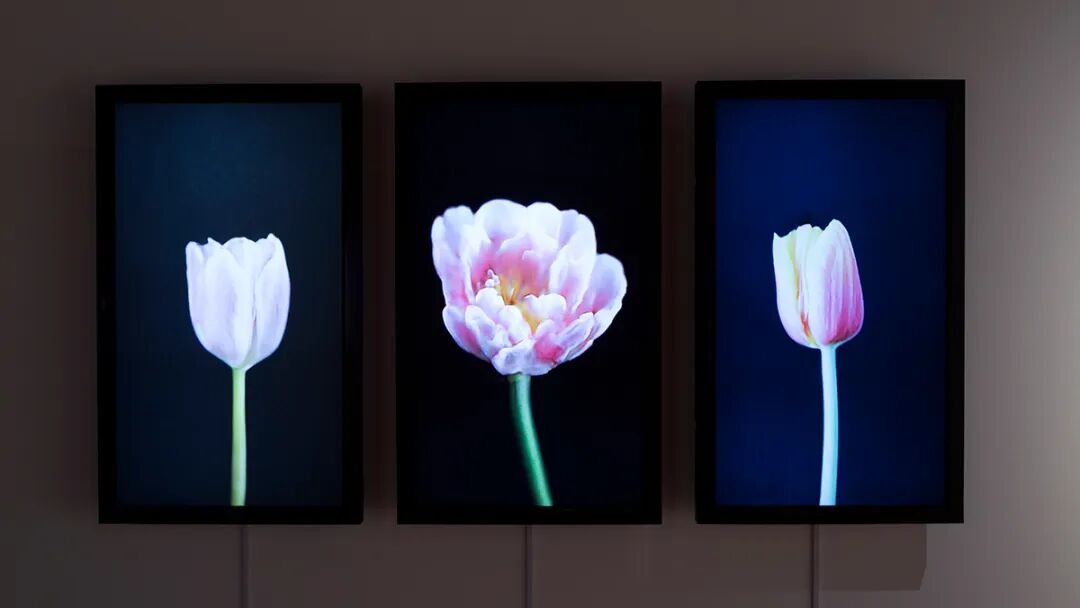
The artist Anna Ridler trained a GAN model on thousands of tulip photographs she had taken herself
2. Cross-media ‘World-building’
Artists can borrow the ‘world-building’ methods of film, games and literature, constructing a complete, self-consistent artistic universe around a core concept or worldview through multiple media (painting, sculpture, image, text, interactive installation). AI can play various roles within this—generating world-settings, character images, scene concept art. The audience’s experience of the artist’s work will no longer be viewing an isolated piece but immersing themselves in an imagined world, full of detail and story, created by the artist. This systemic, narrative-driven creation can build a powerful fan community and brand effect, whose value far exceeds that of any single AI image.
(5) Methodology Five: Reshape the Value Network
The development of AI technology, especially its combination with blockchain and NFTs (non-fungible tokens), is giving rise to new models of artwork ownership, circulation and commerce.
1. Embrace a Rationally Adjusted NFT Market
Although the NFT market went through a bubble and violent fluctuation in 2021–2022, its long-term value persists as a technical substrate for confirming the ownership and provenance of digital assets. By 2025 the market had grown calm and rational. The naturally digital character of AI-generated art gives it a good point of connection with NFTs. Artists can issue limited-edition NFTs to sell their digital artworks, and through smart contracts earn royalties on every future resale. This provides digital artists with a sustainable income model. Of course, this must be considered in light of the art market and relevant policy.
2. Explore the Edition Release of ‘Generative Art’
For artists who create with algorithms and AI, a new mode of edition release can be explored. Rather than selling a fixed image, the artist designs a generative algorithm and can sell the ‘single-run right to the algorithm.’ Each collector, upon purchase, receives a unique, non-repeatable result generated by that algorithm. This mode both guarantees the work’s scarcity and fully manifests the dynamic and random beauty of generative art.
3. Develop Business Models Based on ‘Experience’ and ‘Service’
The artist’s income need not be limited to selling works. In the age of AI, artists can supply more of the ‘experience’ and ‘service’ that AI cannot replicate—for instance, high-end, small-group art workshops emphasising offline interaction and personalised guidance; bespoke, deeply participatory art-project consultancy and creation services for enterprises or individuals; or immersive art experiences requiring the audience’s bodily participation. The core of these business models is the irreplaceable value provided by the artist’s person—full of intellect and emotional warmth.
In an era of accelerating technological iteration, the artist’s career of ‘one trick plying everywhere’ is gone for good. The artist must transform himself into a lifelong learner and an integrator of interdisciplinary knowledge.
1. Actively Learn Technical Knowledge
The artist need not become a programmer or AI scientist, but should at least have a basic grasp of AI’s fundamental principles, the characteristics of different models, the use of mainstream tools and the relevant technological ethics. This not only helps the artist use AI better but gives him more say when collaborating with technical personnel. A wealth of online courses, communities and workshops now offer AI technical education for artists.
2. Broaden an Interdisciplinary Horizon
AI art is itself a highly interdisciplinary field, fusing knowledge from art, computer science, philosophy, cognitive science, sociology and more. Artists should proactively read books and papers in related fields, expanding their intellectual boundaries. A little cognitive science, for example, helps the artist design better interactions with the audience; a little post-humanist philosophy can provide a deeper theoretical grounding for creation. Between 2024 and 2025, research on the relations of AI with cognition, education and culture proliferated in great numbers—all precious intellectual resources for the artist.
For Chinese artists, beyond the general methodologies above, they should fully exploit their own unique cultural context to find a differentiated path of development.
1. Dig Deep into the ‘Data Rich Mine’ of Chinese Traditional Culture and Aesthetics
Chinese civilisation possesses millennia of accumulated, vast visual and intellectual resources—a ‘data rich mine’ not yet fully excavated. Chinese artists can take ancient Chinese painting, calligraphy, artefacts, architecture, poetry and philosophical thought as the core of a ‘private database,’ training AI models with distinctly Eastern aesthetic features. One might train a model specialised in the spirit and brushwork of Song-dynasty landscape painting, or one that translates the philosophical thought of the Daodejing into visual language. Such AI art creation rooted in deep local culture can form a unique ‘Chinese style’ within globalised AI aesthetics, with extremely high recognisability and cultural value.
2. Participate in Social and Cultural Construction in Tandem with National Development Strategy
As noted above, our country is vigorously advancing the ‘AI+’ action. Artists can proactively combine their own creation with the national cultural digitalisation strategy, smart-city construction, the revitalisation of rural aesthetic education and the like. They might use AI to revitalise local intangible cultural heritage, design interactive public art installations for historical and cultural districts, or develop AI art-education curricula for schools in remote areas. This path of joining artistic creation with social service not only secures more resource support but lets art play a real role at a broader social level, manifesting the artist’s social value. The emergence of Zhiyin Guoman Band—the country’s first AI-driven virtual band—is a local case of combining AI technology with popular culture and commercial operation.
Returning to that anxious question at the very start: ‘The image AI generates in one minute is more perfect than the composition I spend a month painting—should I still paint?’
We can now give a firm and clear answer: yes—and more necessary than ever to paint, to create.
For this question itself contains a false premise: equating the value of art with the efficiency of producing ‘perfect images.’ Here in 2026, we must thoroughly discard this outdated notion. AI did not appear to compete with the artist over who can paint the ‘perfect’ image faster; it is, rather, like a mirror, reflecting those things in human art that are truly precious and truly irreplaceable.
For the artist of 2026 and beyond, AI is not a terminator but a filter and accelerator. It will filter out the ‘pseudo-art’ that merely lingers at the level of technical imitation and formal repetition, while accelerating the emergence of those artists who truly possess thought, emotion and a unique perspective.
Technology is forever changing, but humanity’s search for meaning, resonance of emotion and longing for beauty are eternal. So long as these eternal needs exist, art will never perish, and the artist’s value is irreplaceable.
订阅艺术评论
订阅即赠《2024中国当代艺术关键词》内部思考笔记 PDF
每周免费获取最新当代艺术批评与研究