Introduction
Within any work of contemporary art, the “critical” unquestionably occupies a central position. It is often regarded as the very soul of contemporary art, and the key that distinguishes it from traditional aesthetics, the formal explorations of modernism, or purely decorative art. The critical enables art to transcend mere visual pleasure and become an intellectual medium for examining society, interrogating power, reflecting on history, and probing the condition of human existence.
Yet for many creators and viewers encountering contemporary art for the first time, the concept of the “critical,” though important, remains abstract and elusive. It seems to be everywhere, yet is hard to grasp with precision. It is held in the highest esteem, yet the concrete means of realising it are a matter of endless dispute. As contemporary art grows ever more institutionalised, the definition of the “critical” is becoming diluted, and its original sharpness and depth risk being blunted.
This essay sets out to address that problem by proposing a methodological framework with practical guidance. We do not offer a fixed, immutable recipe for creation; rather, by synthesising existing critical theory, art-historical lineages, and cases of artists both at home and abroad, we aim to provide practitioners and researchers of contemporary art with a set of workable, adaptable tools for thinking and making.
This essay was written in haste, with limited experience and modest learning. Its twenty-odd thousand words do no more than skirt the fringes of contemporary art, without entering its inner sanctuary. Yet the purpose of this rough draft is twofold: first, to offer fellow enthusiasts a text for reflection and inspiration, in the hope that it may aid them in their own artistic thinking; and second, to open a path of inquiry for lovers of art, so that they may glimpse the true essence of contemporary art. I offer this essay respectfully, and earnestly invite the field’s elders, teachers and colleagues to recognise my sincere intent, and to offer their candid correction and counsel, that I may be guided aright.
I. The Theoretical Framework of the “Critical”
No practical methodology can stand without solid theoretical support. The criticality of contemporary art is no castle in the air; it is deeply rooted in the turbulent philosophical and social currents of the twentieth century and after. Understanding these intellectual sources is the artist’s first step in transforming a vague “critical impulse” into a clear, effective, and intellectually serious artistic language.
Here we foreground several core theoretical frameworks that have most profoundly shaped the critical dimension of contemporary art.
A. Defining the “Critical”: From Negation to Construction
Before entering the theoretical framework, we must first clarify the core definition of the “critical.” At its most basic level, the critical is an attitude of interrogation, a keen perceptiveness, a subtle capacity for discernment, and a circumspect judgement; it demands that the artist not be content with the simple representation of reality, but penetrate beneath the skin of appearances to reach the power relations, ideologies and social structures hidden behind things.
1. Critique as “Negation”
The philosophers of the Frankfurt School—above all Theodor Adorno—provide us with vital theoretical weaponry for understanding art’s criticality. Adorno held that a genuine work of art exercises its social-critical function precisely through its “negativity.” By constructing an autonomous aesthetic world distinct from empirical reality, the artwork negates and criticises the reified, fictitiously homogenised society of the “culture industry.”
In his late work Aesthetic Theory, Adorno stressed that art’s sociality lies precisely in its opposition to society—and that such oppositional art only emerges when it becomes something autonomous.
Thus art’s criticality is not realised by shouting political slogans or illustrating social problems directly; rather, through the internal logic of its form, through its “function of being purposeless,” its “function without function,” it quietly—and all the more profoundly—resists the coercion and alienation of the external world.
2. Immanent Transcendence as “Negation of the Negation”
Some theorists deepen this concept further, arguing that the criticality of contemporary art is not limited to the critique of external social reality, but also entails an immanent criticality of “negation of the negation.” This means art must critique not only society but also itself unceasingly—interrogating its own language, boundaries, institutions and history. This self-critique ensures that art’s critical edge is never blunted by institutional co-optation or the staleness of its language.
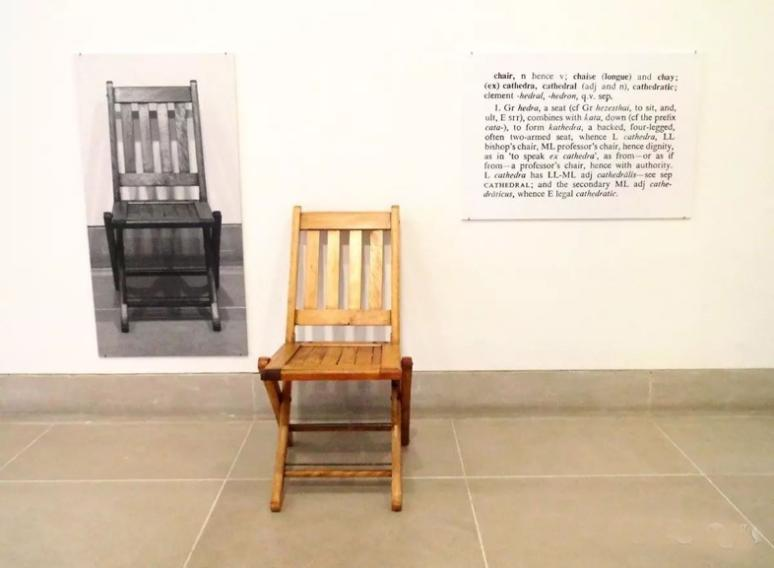
For example, the Conceptual art that emerged in the 1960s was a profound critique of modernist formalism and its “fetishistic” tendencies. In 1965, the artist Joseph Kosuth, in his work One and Three Chairs, juxtaposed an actual chair, a photograph of the chair, and the dictionary definition of “chair,” thereby calling the nature of art into question and probing the relationship between concept, representation and reality, shifting the centre of gravity of art from the material object to the thinking process. This interrogation of “what is art” is a classic instance of immanent critique. Likewise, the Belgian artist Marcel Broodthaers, through his fictive Museum of Modern Art, Department of Eagles, parodied and criticised the museum institution’s classificatory, collecting and discursive power.
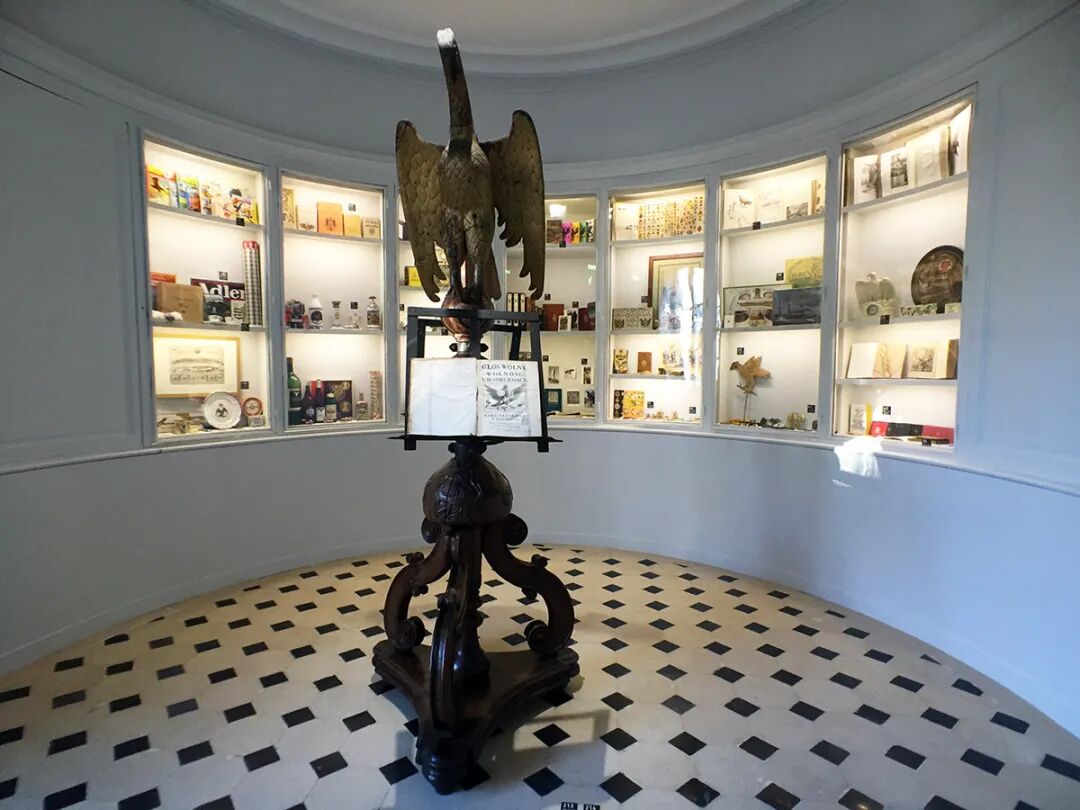
Marcel Broodthaers (Belgian), Museum of Modern Art, Department of Eagles
In 1968, Broodthaers announced the founding of the “Museum of Modern Art, Department of Eagles” in his Brussels apartment—a wholly fictive museum department with no physical building, constituted solely through a series of “exhibitions,” publications, labels and archives. He systematically collected images and objects of the “eagle” across cultural contexts, from ancient emblems and military insignia to commercial advertising and works of art, spanning the symbolic expression of the eagle in different historical periods and cultural settings. By creating a “pseudo-museum,” Broodthaers exposed the essence of the museum as an “authoritative bearer of knowledge”—its classification of collections and its exhibition narratives are not objective or neutral, but a construction of discursive power.
3. As a Social Practice of Identifying and Challenging Inequality
Criticality also manifests at a broader level of social practice: the identification and challenge of social inequalities, power structures and dominant ideologies.
This criticality is of a piece with critical pedagogical theory, insisting that art is not merely a tool for “knowing the world” but a latent force for “changing it.” In 1968, the Brazilian educator Paulo Freire, in Pedagogy of the Oppressed, advanced the concept of “conscientisation,” which profoundly influenced many socially engaged art practices. As he wrote: “Education either functions as an instrument that enables the young to integrate into the logic of the present system and to conform to it, or it becomes the practice of freedom, the means by which men and women deal critically and creatively with reality and discover how to participate in the transformation of their world.”
Art is thus regarded as a medium capable of awakening the subject’s consciousness and challenging oppressive structures, and its significance as a social practice of identifying and challenging inequality is thereby established. A case in point: since the 1970s the American artist Suzanne Lacy has staged a series of large-scale public performance projects—such as Three Weeks in May—which, by mapping the locations of rapes across Los Angeles and organising a sequence of public discussions and actions, transformed art directly into an effective instrument for intervening in social issues and empowering victimised communities.
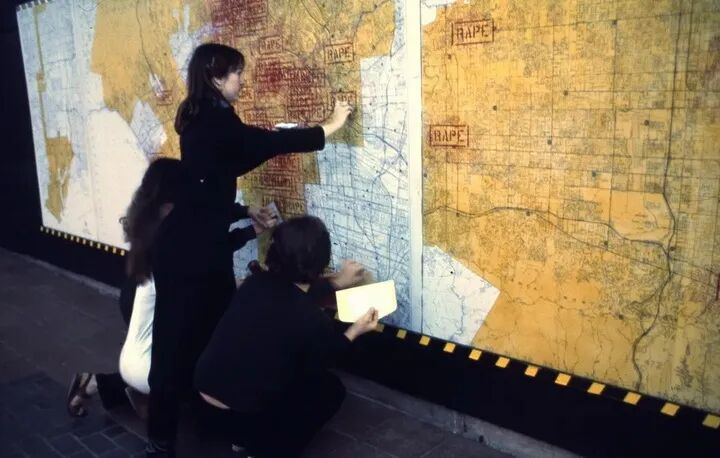
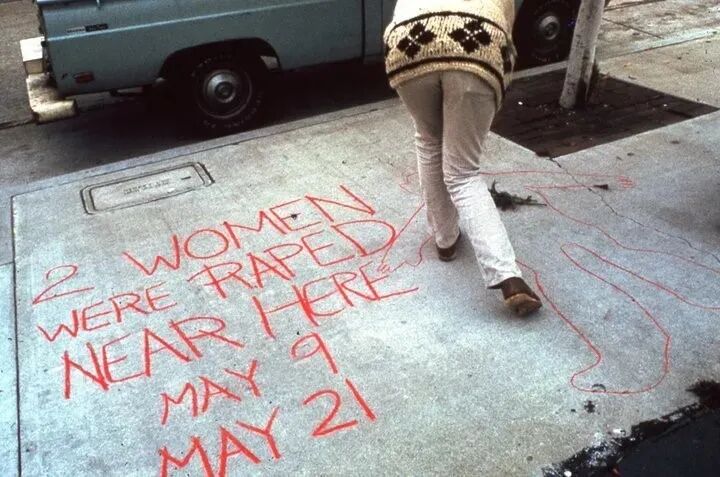
Suzanne Lacy (USA), Three Weeks in May, 1977
B. The Legacy of the Frankfurt School: Art’s Social Function
As the most important academic current of Western Marxism in the twentieth century, the Frankfurt School laid solid foundations for critical art theory. Its core members—Max Horkheimer, Theodor Adorno, Herbert Marcuse and Jürgen Habermas—each offered profound analysis of art’s role in modern capitalist society.
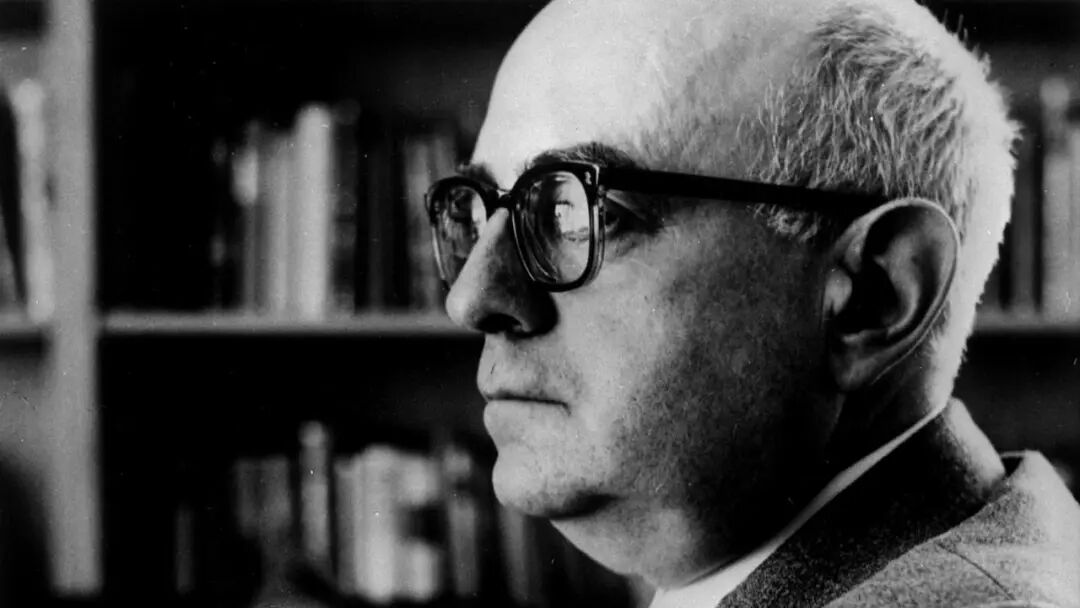
Adorno’s Dialectic: Art as the “Social Antithesis”
As noted above, Adorno’s Aesthetic Theory is a core text for understanding art’s criticality. He argued that the artwork is a “social fact mediated through itself.” Art’s critical force derives from the dialectical tension between it and society: it is both a product of society and, through its “autonomy,” must become society’s “antithesis.” Artistic autonomy means that art follows its own intrinsic formal laws and submits to no external utilitarian purpose—whether political propaganda, commercial exchange, or mere entertainment.
In Adorno’s view, this posture of “art for art’s sake” is precisely the noblest and most effective resistance to a society in which instrumental reason runs rampant and everything is drawn into a system of exchange value. The obscurity, difficulty and dissonance of modernist art are proof of its refusal to be easily consumed and assimilated by the “culture industry.”
Habermas’s Public Sphere: Art as a Catalyst for Rational Communicative Action
In 1962, Jürgen Habermas—the second generation’s central figure—in his early work The Structural Transformation of the Public Sphere, supplied another crucial dimension for understanding art’s social-critical function.
Habermas traced the rise of the bourgeois “public sphere” in eighteenth-century Europe, discovering that the literary public sphere—the rational, critical discussion of literary and artistic works in salons, cafés and periodicals—was a vital precondition for the formation of the political public sphere. Art criticism and social criticism interwove in this space, becoming a key practice through which citizens exercised reason and formed public opinion.
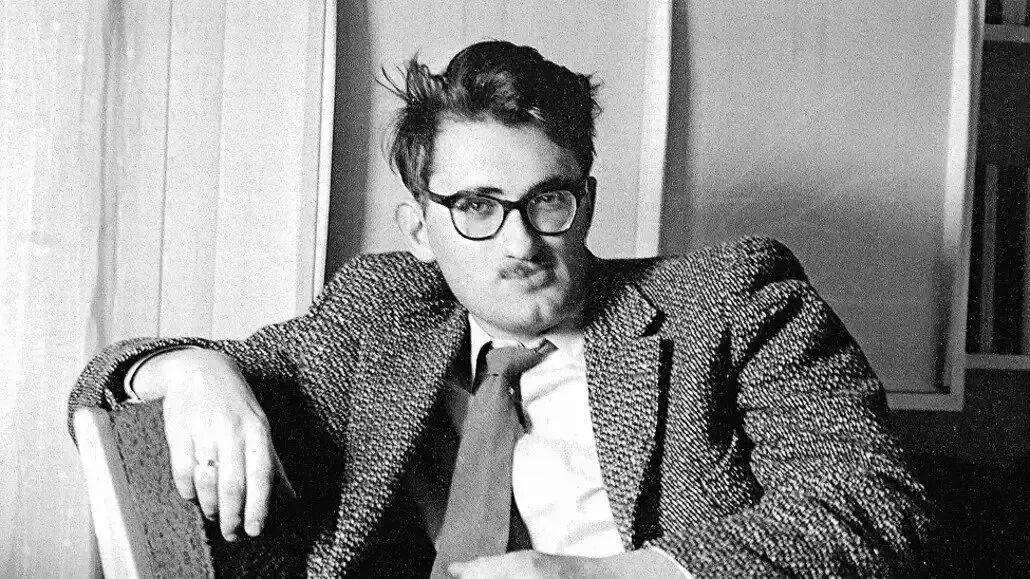
Although Habermas held that the rise of modern mass media led to the “refeudalisation” of the public sphere, his theory prompts us to ask: how can art create or activate a provisional “public sphere,” stimulating social dialogue and rational communicative action?
Nicolas Bourriaud’s “relational aesthetics,” proposed in the 1990s, answers this question in a sense. Bourriaud argued that the focus of contemporary art is no longer the creation of autonomous objects, but the construction of a situation of human relations and social exchange.
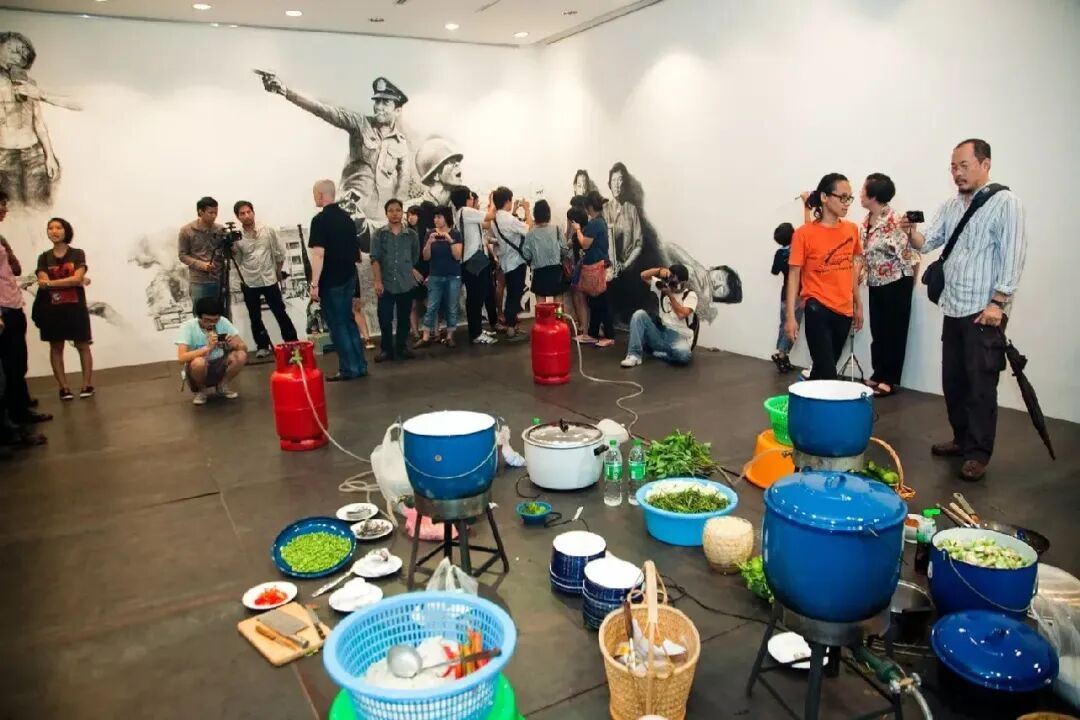

Rirkrit Tiravanija (Thai) cooking curry in the gallery
For instance, the Thai artist Rirkrit Tiravanija cooks Thai curry for visitors in the gallery, inviting them to share food and conversation; the essence of the work is precisely this constructed, transient social moment. Such practice transforms the gallery from a space of passive looking into a “micro-public-sphere” of active exchange and dialogue.
C. The French Post-Structuralist Perspective: Power, Knowledge and Discourse
If the Frankfurt School revealed art’s critical potential within the macro-structure of society, then the French post-structuralist thinkers equip us with keen instruments for analysing power, knowledge and discourse at the micro level. The ideas of Michel Foucault, Jacques Derrida, Pierre Bourdieu and others have profoundly shaped the critical practice of contemporary art.
Foucault’s “Power-Knowledge”: Making the Invisible Visible
Foucault’s central contribution lies in his subversion of our traditional understanding of power.
In his view, power is not merely top-down oppression (such as that of a monarch or state), but a diffuse, productive network that, through knowledge, discourse, discipline and institutions, shapes our bodies, identities and desires. Knowledge and power are a “power-knowledge” complex that is mutually entangled and two sides of the same coin.
Thus, under Foucault’s lens, art’s criticality becomes a kind of “archaeology of knowledge” and “genealogy of power”—revealing how those systems of knowledge we take as natural and eternal (medicine, psychiatry, the science of sexuality) and those mechanisms of power (the prison, the school, the hospital) were constructed under specific historical conditions.
In The Order of Things: An Archaeology of the Human Sciences, Foucault examines how the “episteme” of different historical periods determines the way we see and think about the world. Artists can deploy analogous methods to reveal the “episteme” behind visual representation.
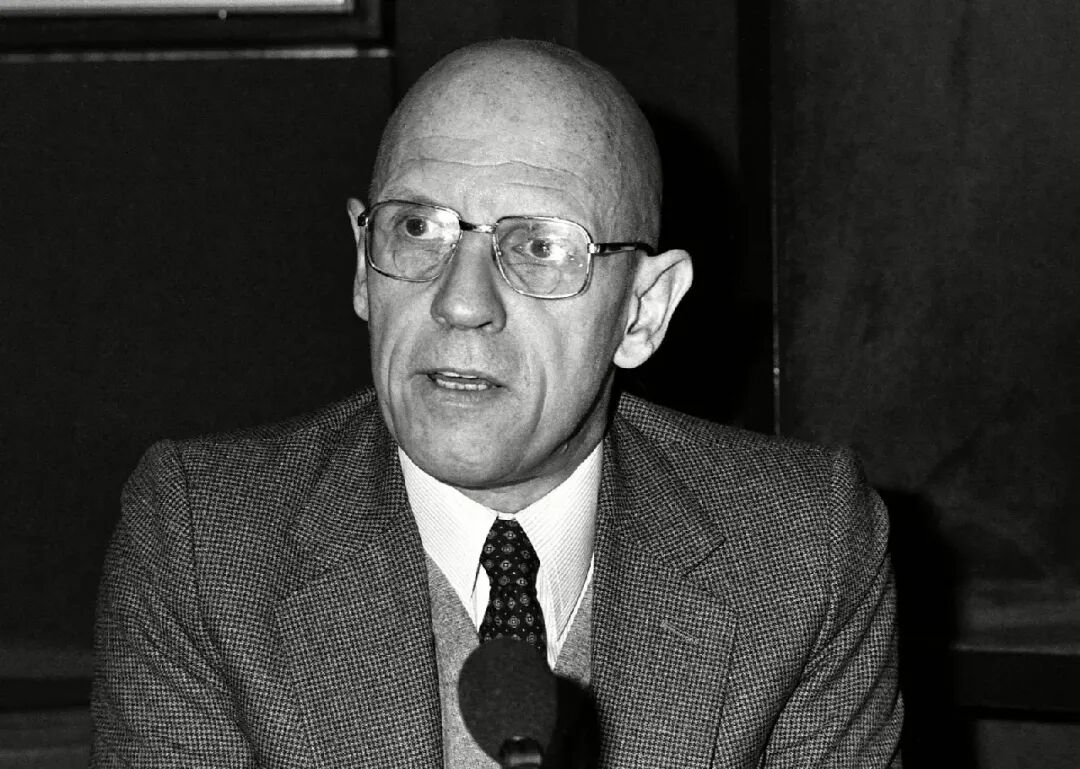
Derrida’s Deconstruction: Taking Apart Binary Oppositions and Centred Discourse
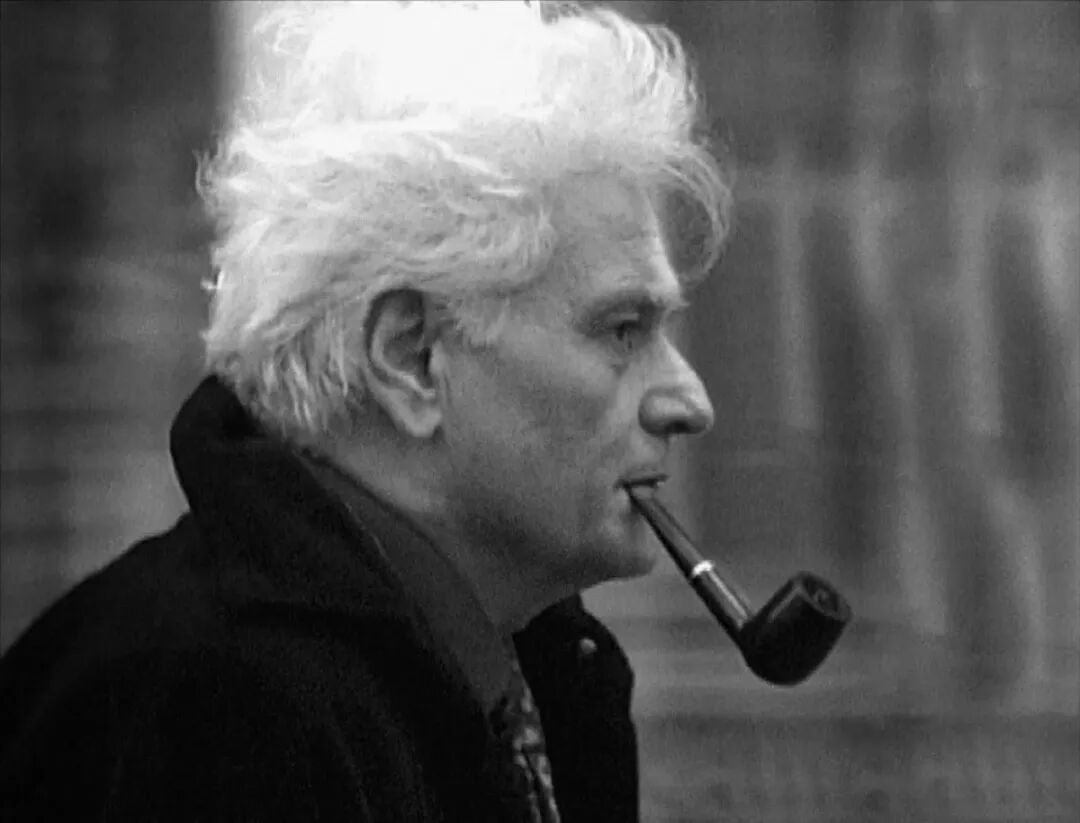
Jacques Derrida’s theory of “deconstruction” supplies another powerful methodology for artistic critique.
Derrida argued that the whole history of Western thought is built upon a series of rigidly hierarchical binary oppositions: presence/absence, speech/writing, male/female, white/black, West/East. In each pair, the former is always granted priority and centrality. The task of deconstruction is, through meticulous textual analysis, to overturn and dismantle the hierarchical structure of these binaries, exposing their internal contradictions and instability.
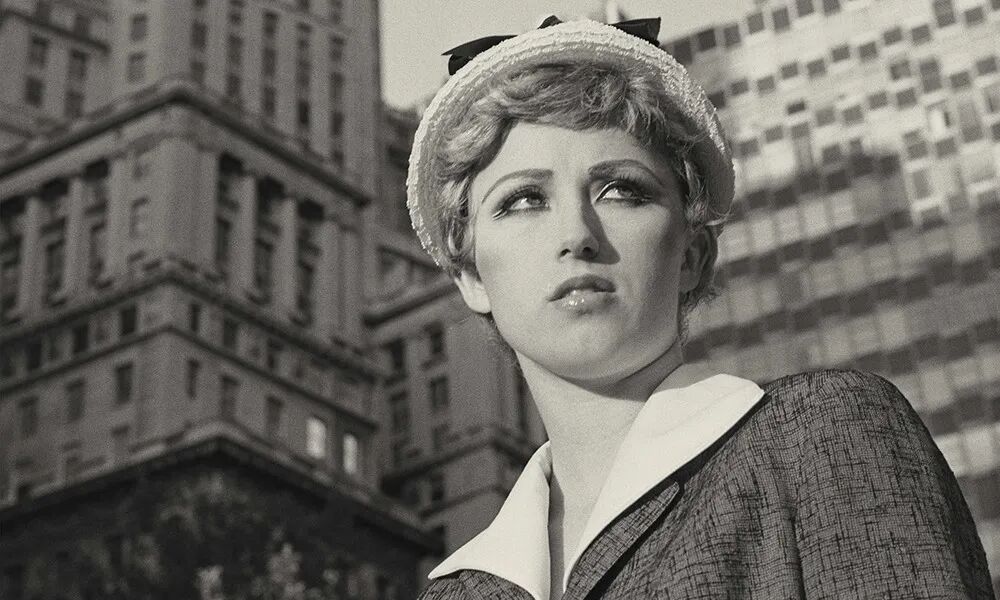
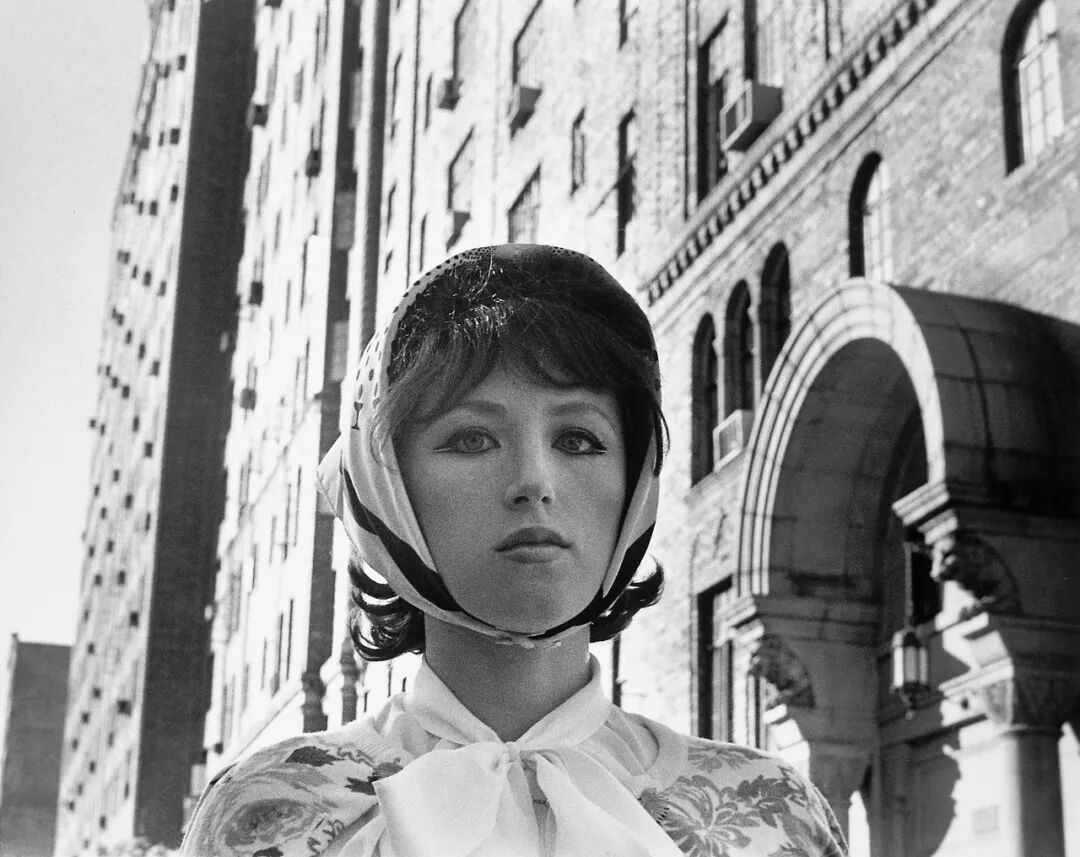
In the field of art, the strategy of deconstruction means challenging categories and boundaries that seem self-evident. There are many cases here: Cindy Sherman’s Untitled Film Stills series, for instance, is a classic deconstruction of the binaries “male/female,” “looking/being looked at,” “real/fictional.” By playing various female stereotypes, she both reveals the constructedness of these images and, through the “excess” and “imperfection” of her performance, renders the act of imitation itself suspect, thereby shaking the very foundation of the notion of “female essence.”
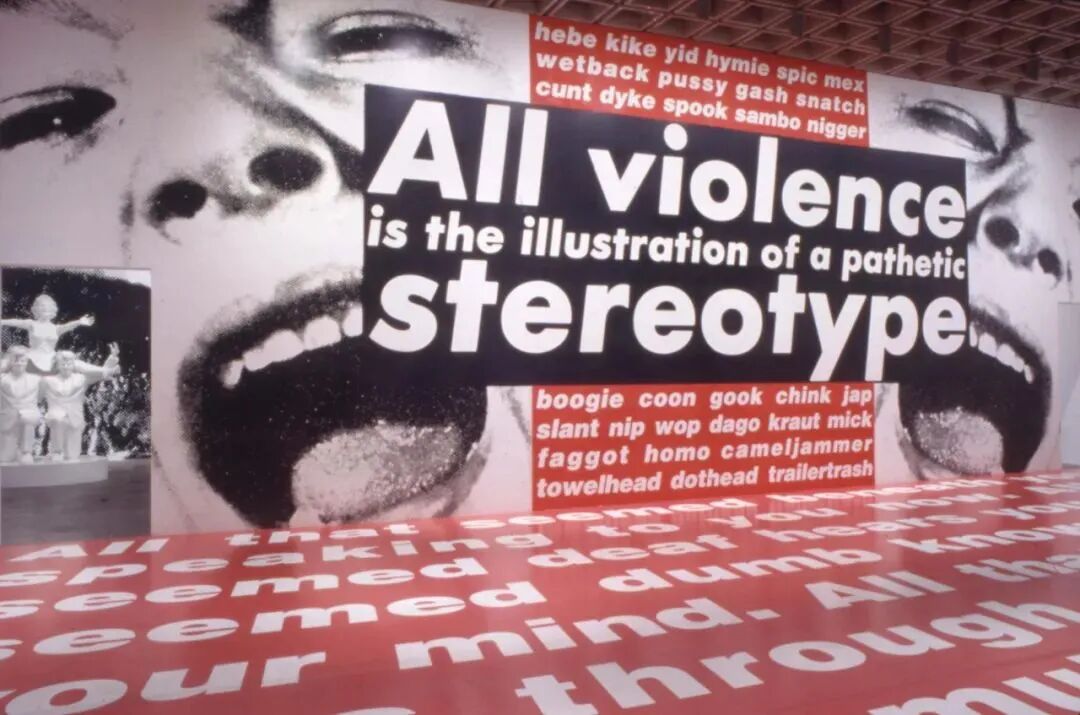
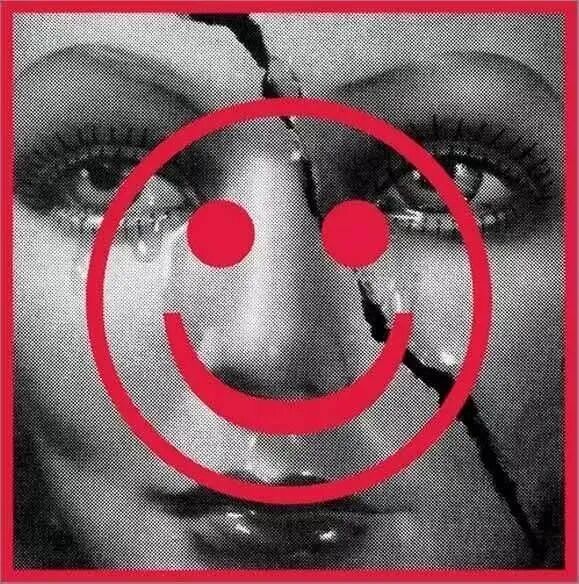
Another American artist, Barbara Kruger, combined images appropriated from advertising and magazines with terse, punchy critical texts (such as “I shop therefore I am” and “Your body is a battleground”), directly assaulting the core of consumer culture and patriarchal discourse. Her work deconstructs the seductive language of advertising, turning it into a slogan of political critique.
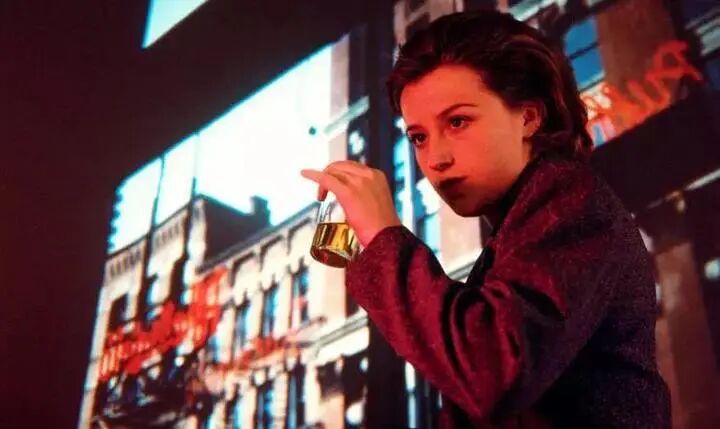
Bourdieu’s Field Theory: Revealing the Social Distinction of Taste
In 1979, the sociologist Pierre Bourdieu launched a devastating attack on the Kantian notion of “pure aesthetics” in his magnum opus Distinction: A Social Critique of the Judgement of Taste. Through extensive sociological investigation, Bourdieu demonstrated that people’s aesthetic “taste” is neither a gift nor a purely personal choice, but the product of their class “habitus” and position within the social “field.”
The capacity to appreciate high art is in fact a form of “cultural capital”—an important instrument by which the ruling class “distinguishes” itself and legitimises social inequality. Bourdieu’s theory provides a solid sociological basis for art’s “institutional critique.” The artist may critique not only society but the operating logic of the art world itself.
To take a related example: in 1989, the American artist Andrea Fraser, in her performance Museum Highlights, played a fictional tour guide named Jane Castleton, using passionate, inflated rhetoric to explain the museum’s various “facilities” (such as the water fountain and coat check) to visitors, while interlacing a profusion of commentary on art patrons, class and wealth. In this way she parodied the museum’s elite discourse and exposed the complex web of economic and social interests behind arts institutions.
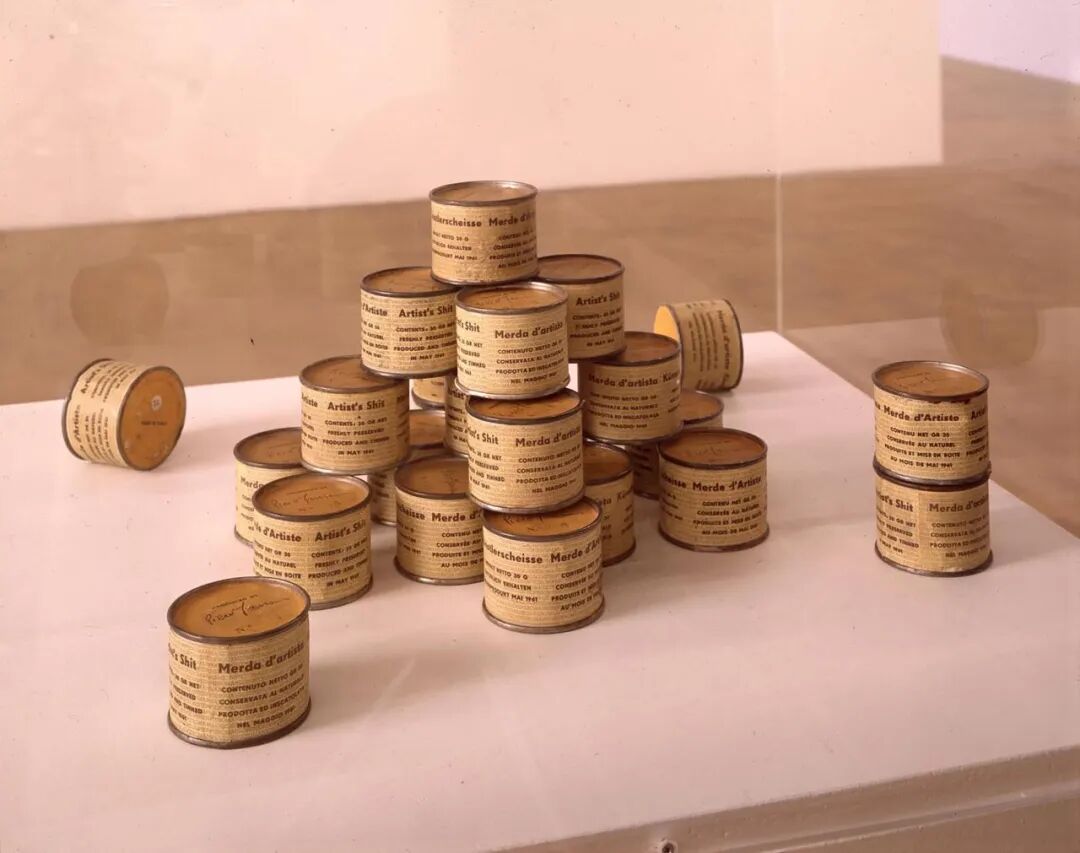
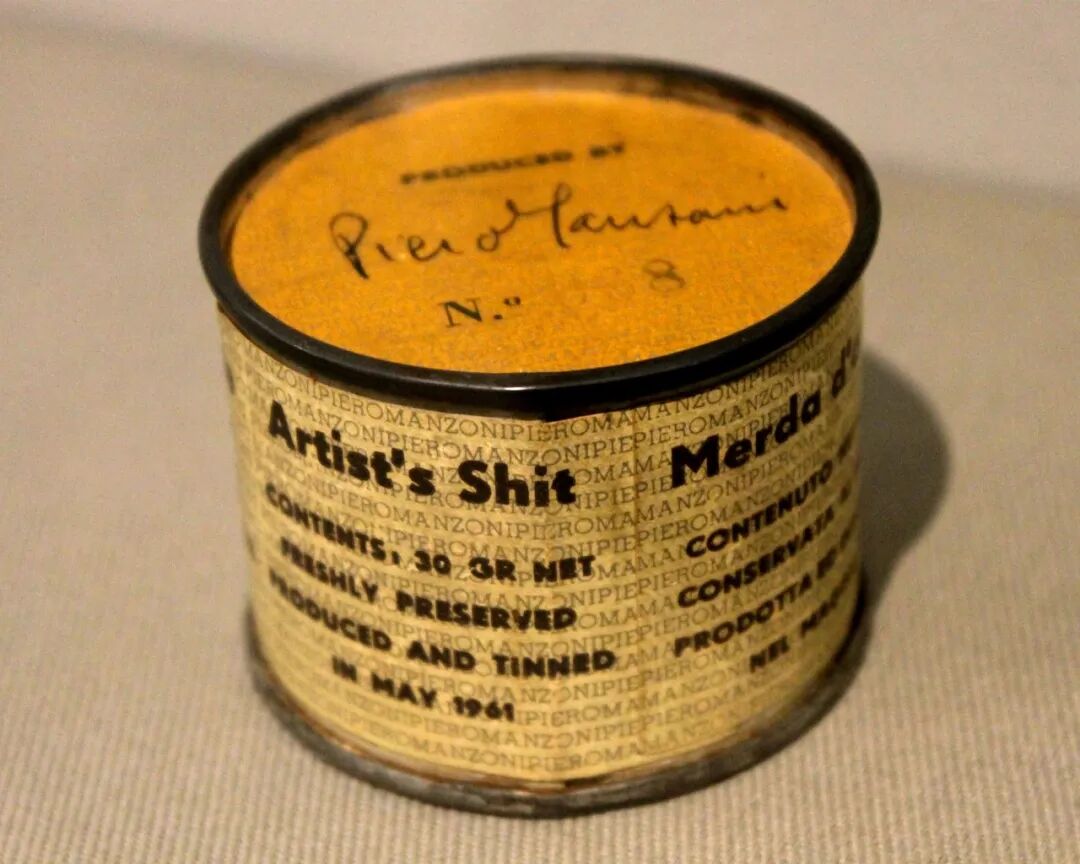
The Italian artist Piero Manzoni, in his 1961 work Artist’s Shit (Merda d’artista), canned his own excrement and sold it at the prevailing price of gold—the most caustic and direct Bourdieusian critique of artistic value, the myth of the artist, and the art market.
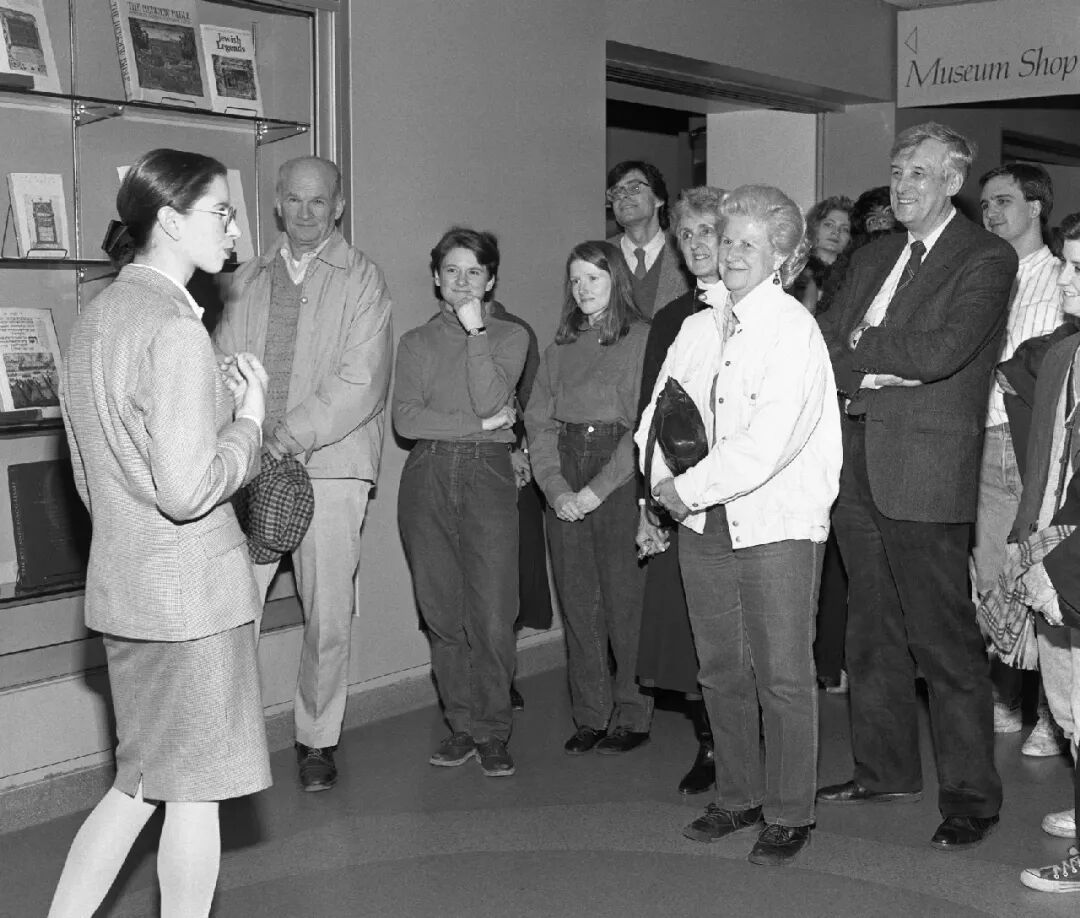
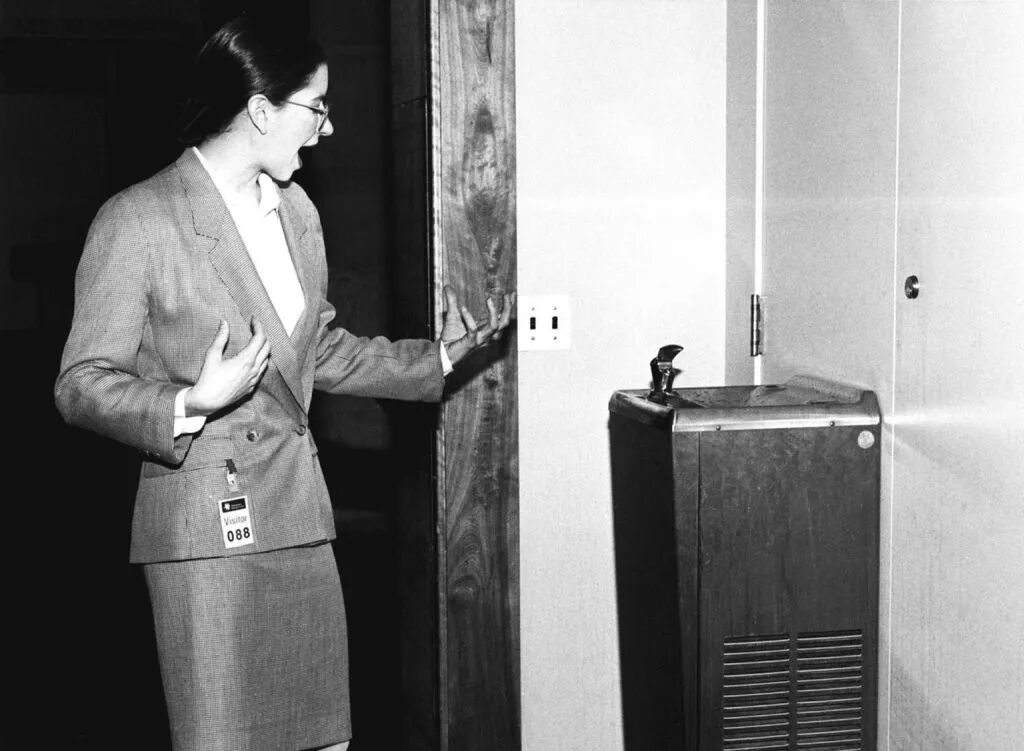
Andrea Fraser (USA), Museum Highlights, live performance
II. The Methodology of “Critique”: Observation, Intervention and Translation
Having mastered the theoretical weaponry, the artist must translate it into concrete creative action. Here we decompose the generation of criticality in artistic creation into three interrelated and progressively deepening stages: critical observation, critical intervention and critical translation. This is not a linear, rigid procedure, but a dynamic, recursive model of thinking and practice.
A. Stage One: Critical Observation—Discovering the Fractures in the Social Fabric
The starting point of critical artistic creation is not empty whimsy but a keen and profound observation of the real world. This observation differs from everyday, habitual looking; it is an active, questioning “anatomical” gaze.
Cultivating the Perspective of “Defamiliarisation”
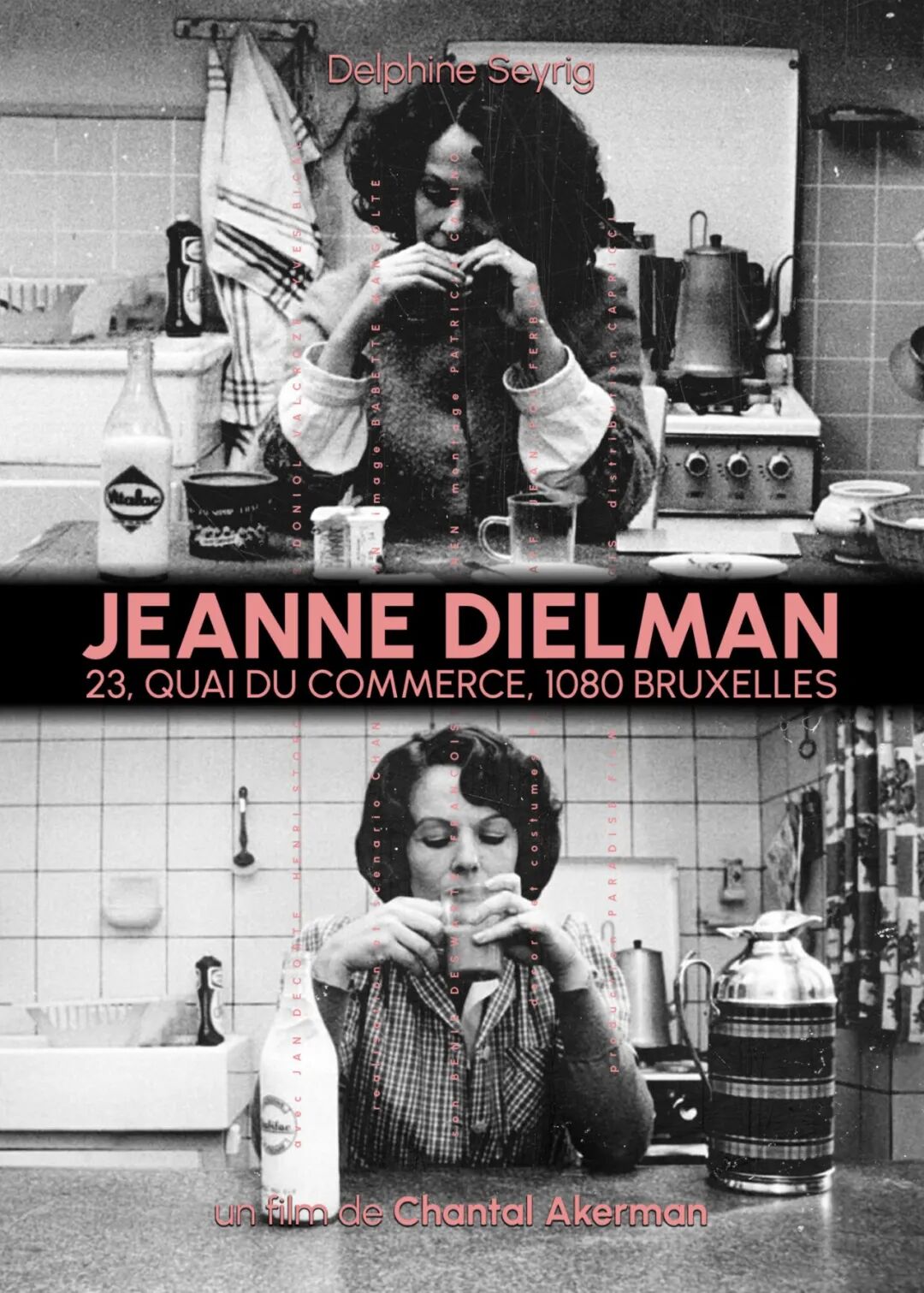
The concept of “defamiliarisation” (ostranenie), proposed by the Soviet art historian Viktor Shklovsky, is crucial to the artist’s critical observation. As he wrote: “Art exists in order to make one feel things, to make the stone stony. The purpose of art is to impart the sensation of things as they are perceived and not as they are known. The technique of art is to make objects “unfamiliar,” to make forms difficult, to increase the duration and difficulty of perception, because the process of perception is an aesthetic end in itself and must be prolonged. Art is a way of experiencing the making of a thing; what is made is of no importance in art.”
Shklovsky argued that the function of art is to rescue things from “automatised” perception, restoring to us a sense of wonder and strangeness toward the taken-for-granted. The artist must scrutinise the everyday life, social norms and material environment around us as though an anthropologist newly arrived, or an extraterrestrial visitor.
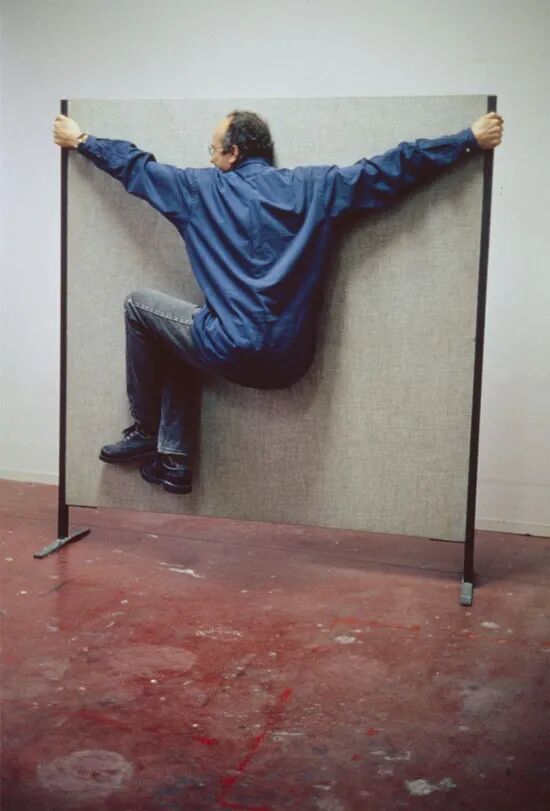
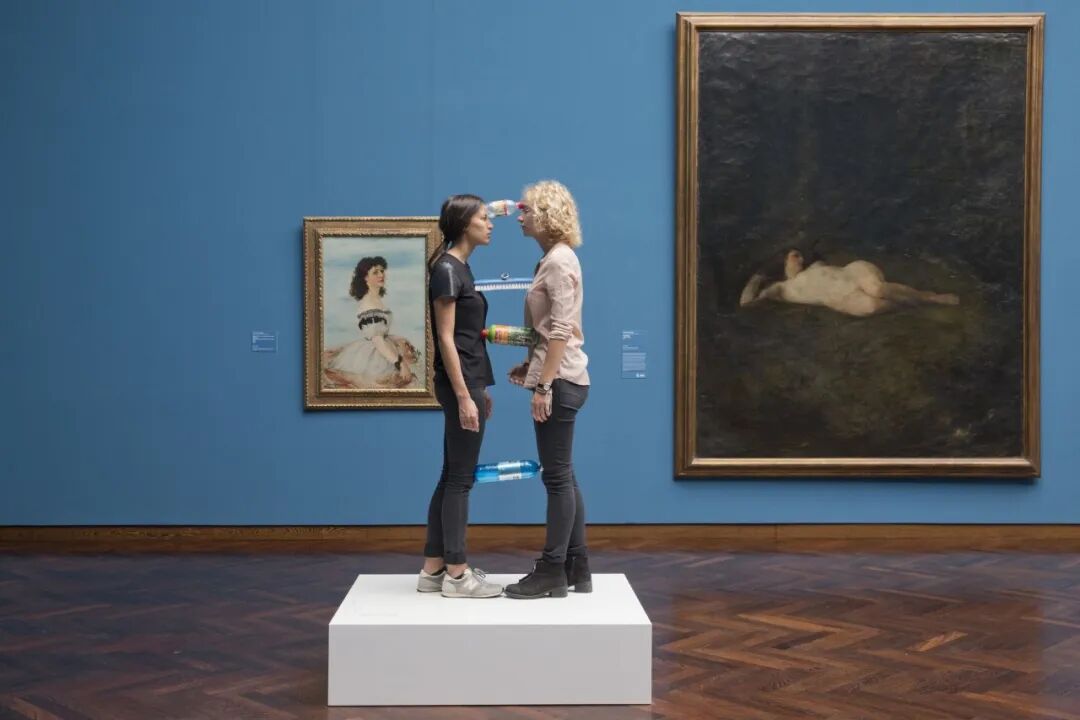
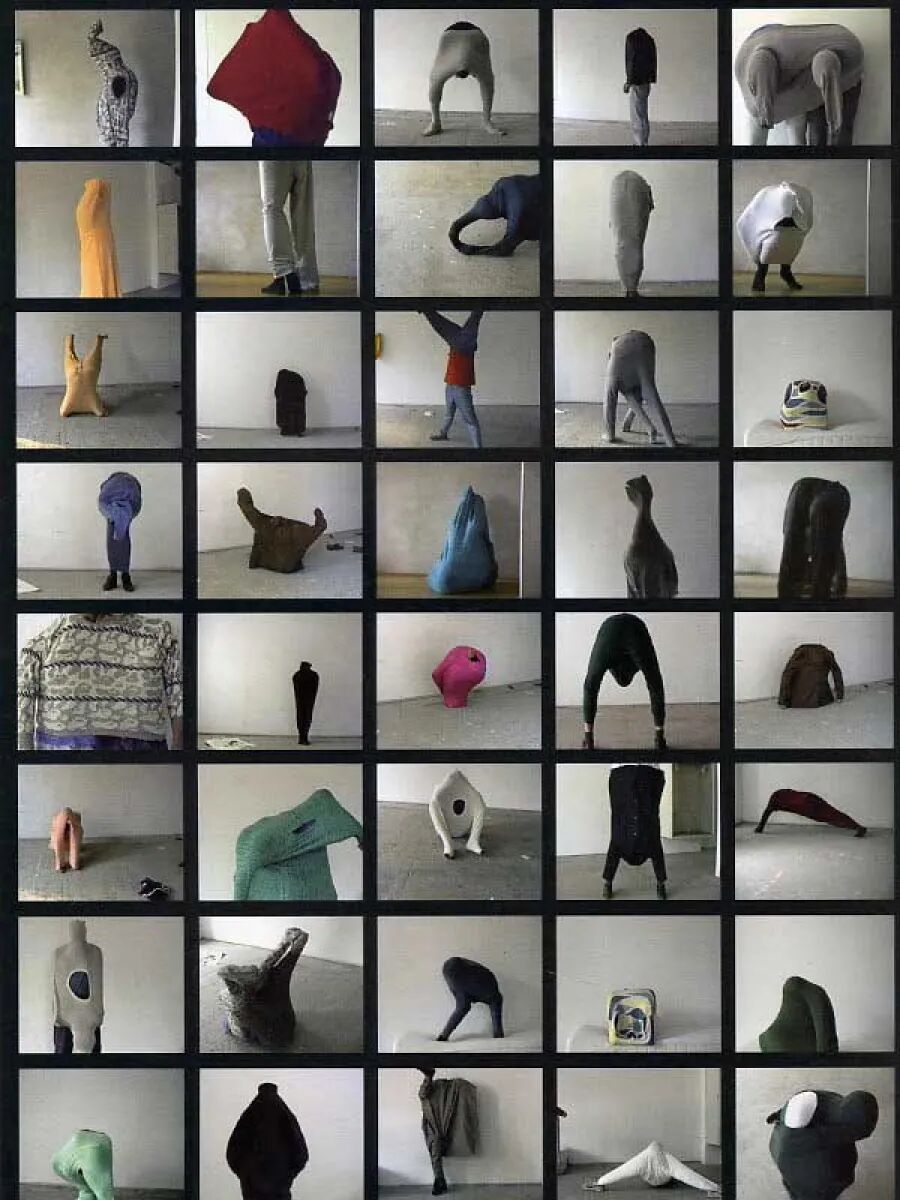
For example, the Austrian artist Erwin Wurm’s One-Minute Sculptures series invites viewers to strike various strange, fleeting poses with their own bodies and everyday objects (such as buckets, tennis balls and chairs). These seemingly absurd, comical acts precisely prompt us to rethink the definition of sculpture, the relation between body and object, and the norms of behaviour in public space.
Chantal Akerman (Belgium), film Jeanne Dielman, 23 quai du Commerce, 1080 Bruxelles
Identifying Power Structures and Discursive Mechanisms
Building on “defamiliarisation,” the artist must further train the ability to identify invisible power structures and discursive mechanisms.
This means asking: who is speaking? Who is permitted to speak? How was a given knowledge or norm established and maintained in its authority?
Media, advertising, textbooks, legal statutes, urban planning—all are fields in which discursive mechanisms operate.
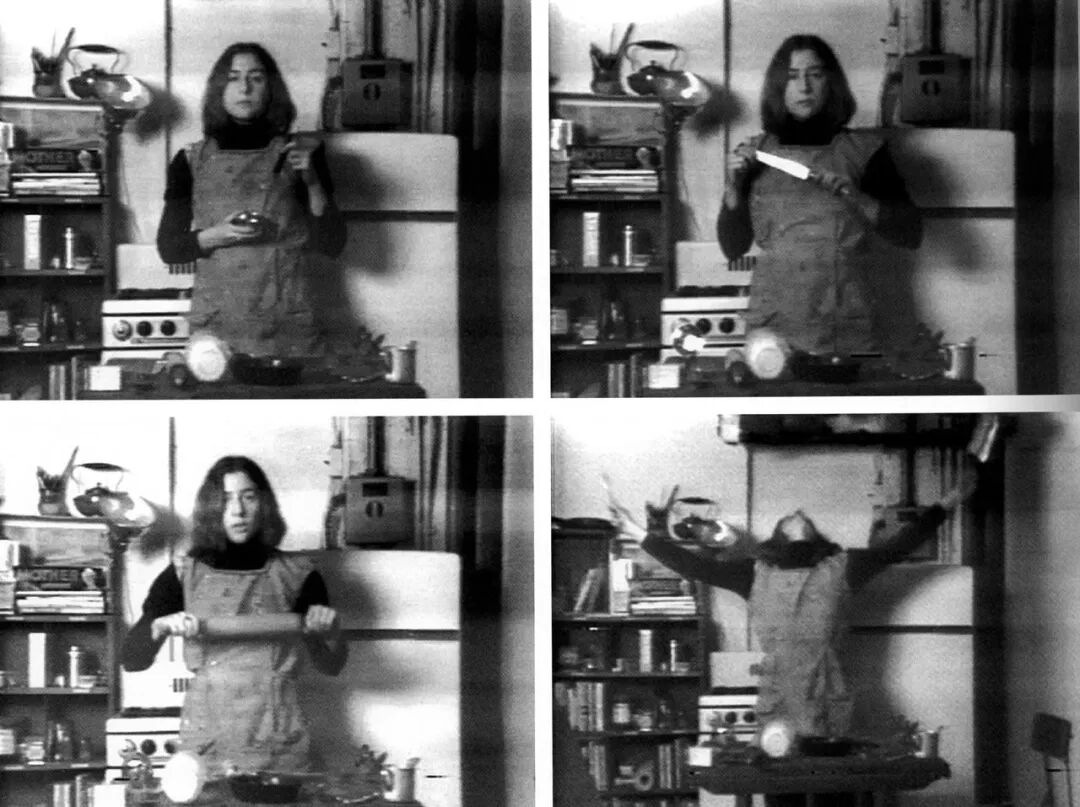
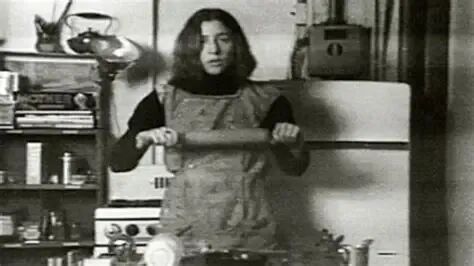
In 1975, the American artist Martha Rosler’s work Semiotics of the Kitchen was a classic case in this regard. In the video, Rosler demonstrates various kitchen utensils in alphabetical order, with a serious, even angry expression. She turns tools meant for cooking into a series of aggressive gestures, as if wrestling with some invisible oppressive force. The work transforms the kitchen—presumed a feminine, private space—into a political field saturated with semiotic struggle and power relations.
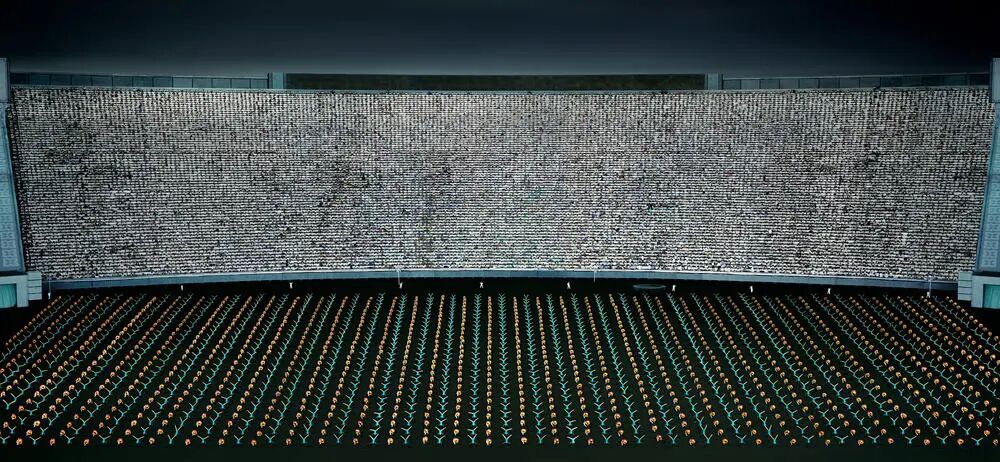
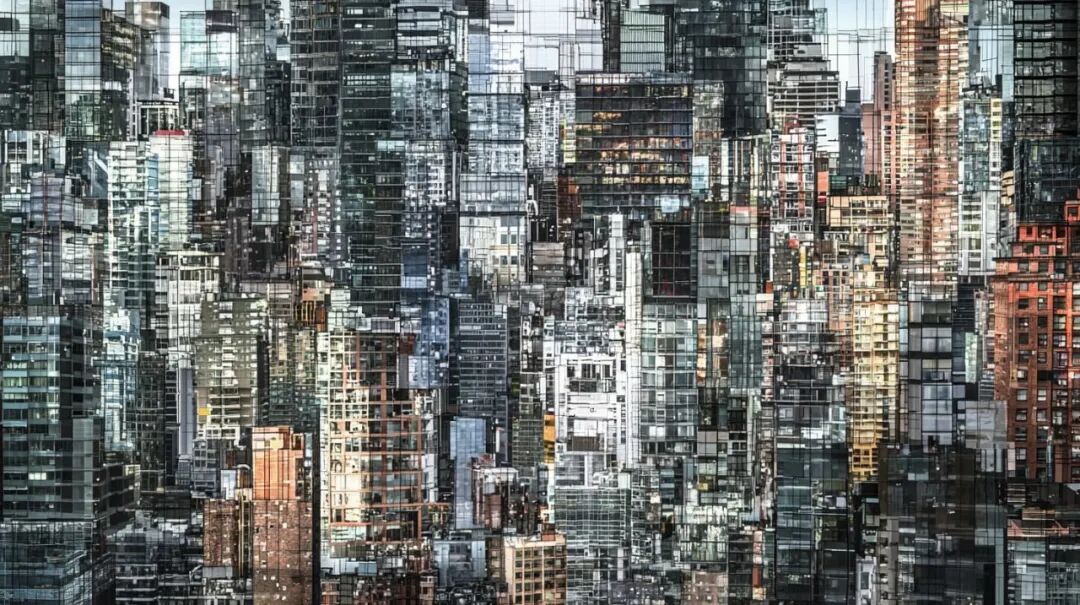
Similarly, the German photographer Andreas Gursky is known for his large-format, high-saturation, digitally processed panoramic photographs. His images of globalised landscapes—Amazon’s logistics centres, the Hong Kong Stock Exchange, mass-production factories—reveal, through a cool, detached, near-God’s-eye perspective, the vast scale, abstract logic and dehumanising essence of the capitalist system.

Attending to the Margins and Suppressed Voices
Critical observation also means turning the gaze toward society’s margins, history’s dark corners, and the groups and voices repressed or forgotten by dominant narratives. This requires the artist to cultivate a capacity to “listen”—to the stories of the silenced, the failed, the victimised.
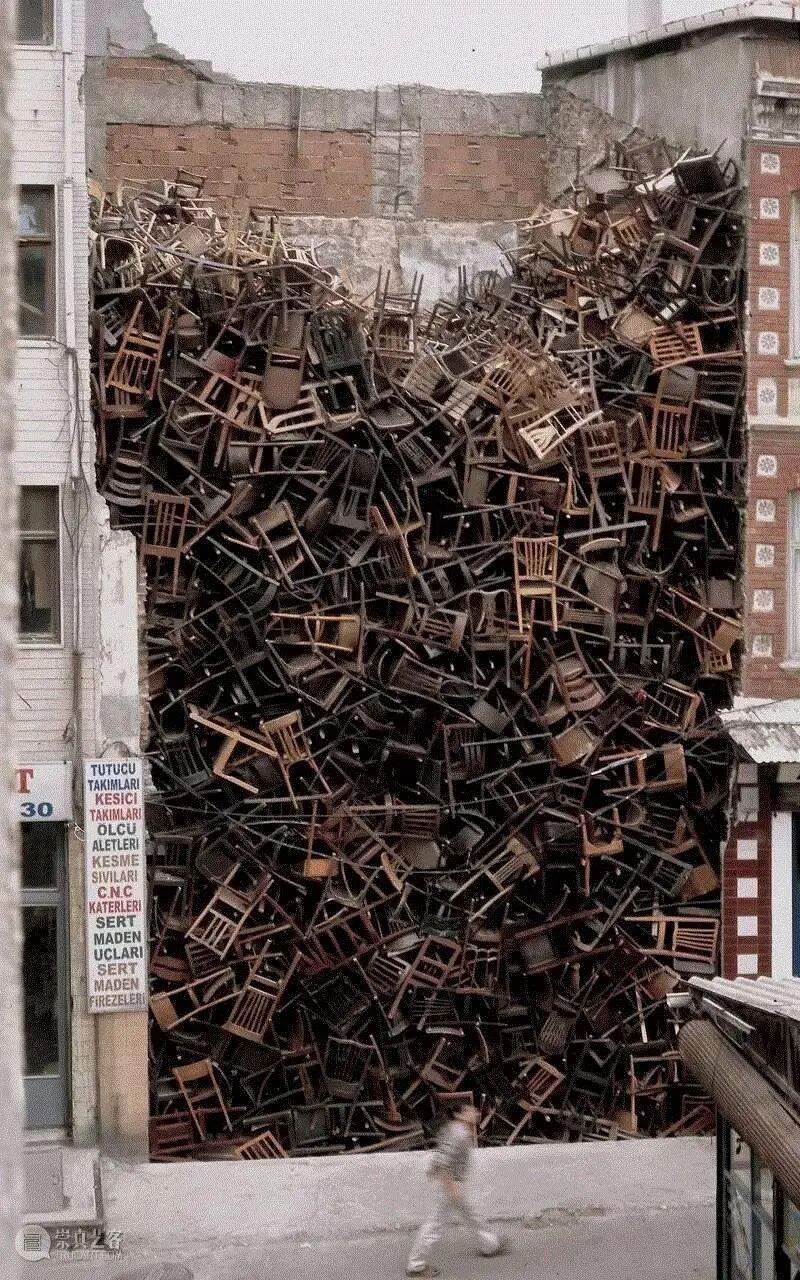
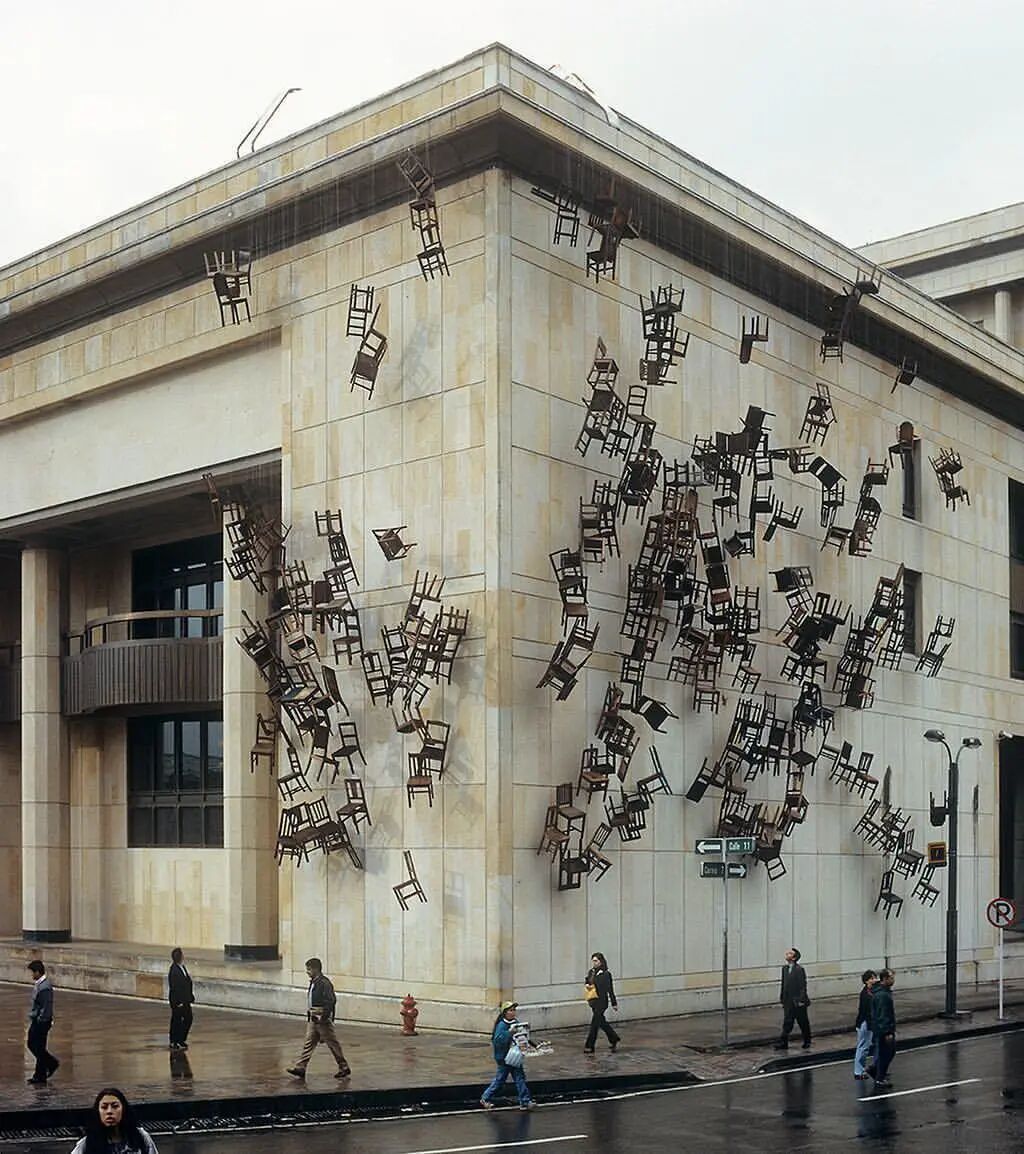
The most exemplary case is the Colombian artist Doris Salcedo, whose work is pervaded by mourning for and remembrance of the disappeared and the victims of Colombia’s protracted political violence. In her work she fills real furniture (wardrobes, bedframes) with cement, as if sealing the traces and traumatic memory of those lost lives into the material itself. Her works never depict violence directly; rather, through these silent, scarred objects, they summon a profound and unsettling “presence of absence.”
B. Stage Two: Critical Intervention—Choosing Medium and Strategy
Once the artist has, through critical observation, fixed upon a subject and a concern, the next step is to choose an appropriate medium and strategy for an effective “intervention” in reality. Such intervention is not always physical; more often it is a conceptual, semiotic intervention.
Appropriation and Parody: Subverting the Authority of the Original
Appropriation and parody are among the most common critical strategies of postmodern art.
By “borrowing” or “imitating” existing images, texts or styles and placing them in a new context, the artist subverts their original meaning and authority.
The artists of the American “Pictures Generation” were masters of this. Sherrie Levine directly rephotographed the works of modernist photography masters such as Walker Evans and Edward Weston, signing them with her own name. Her act directly challenged the myths of originality, authorship and the uniqueness of the art object.
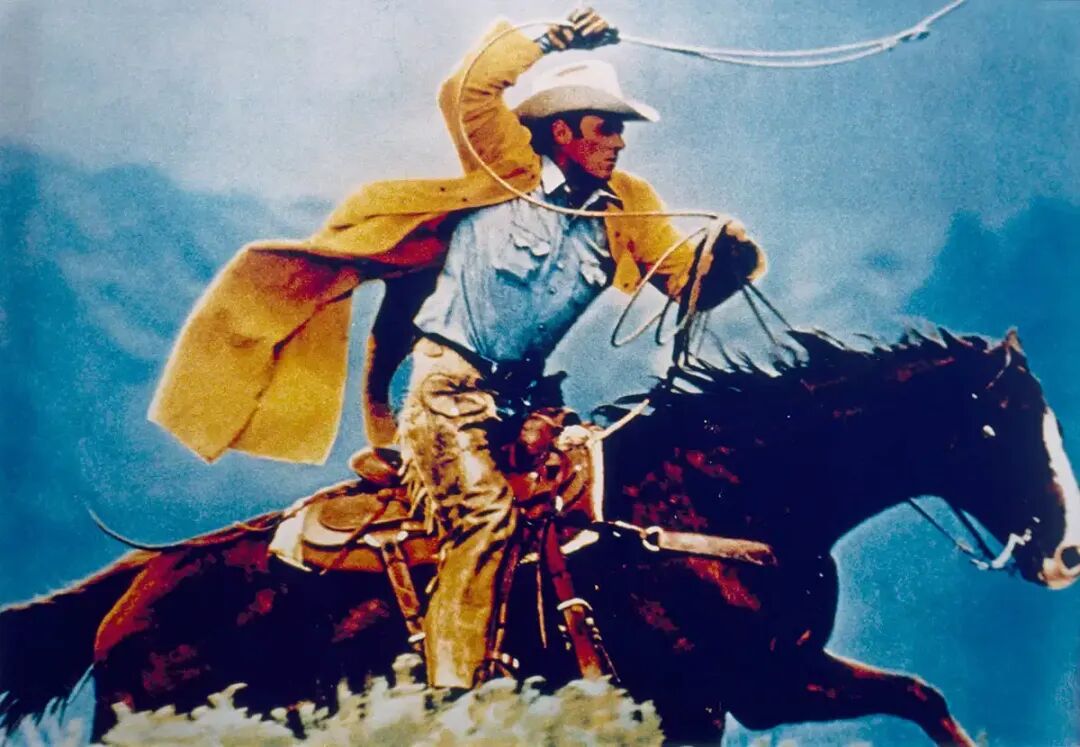
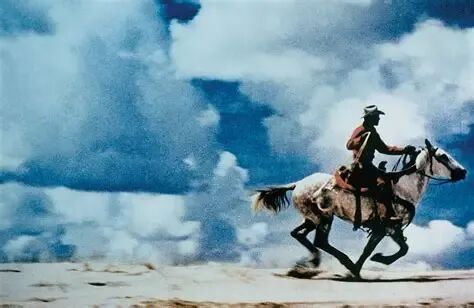
Richard Prince appropriated the cowboy figure from Marlboro cigarette advertisements; through cropping and rephotographing, he transformed a quintessentially masculine commercial icon into an ambiguous, melancholic cultural sign, exposing the mechanism of desire concealed behind advertising. The efficacy of this strategy lies in the fact that it does not attack authority from without, but dismantles it from within.
The Body as Battlefield: The Criticality of Performance Art
Performance art has borne a fierce critical charge from the day of its birth.
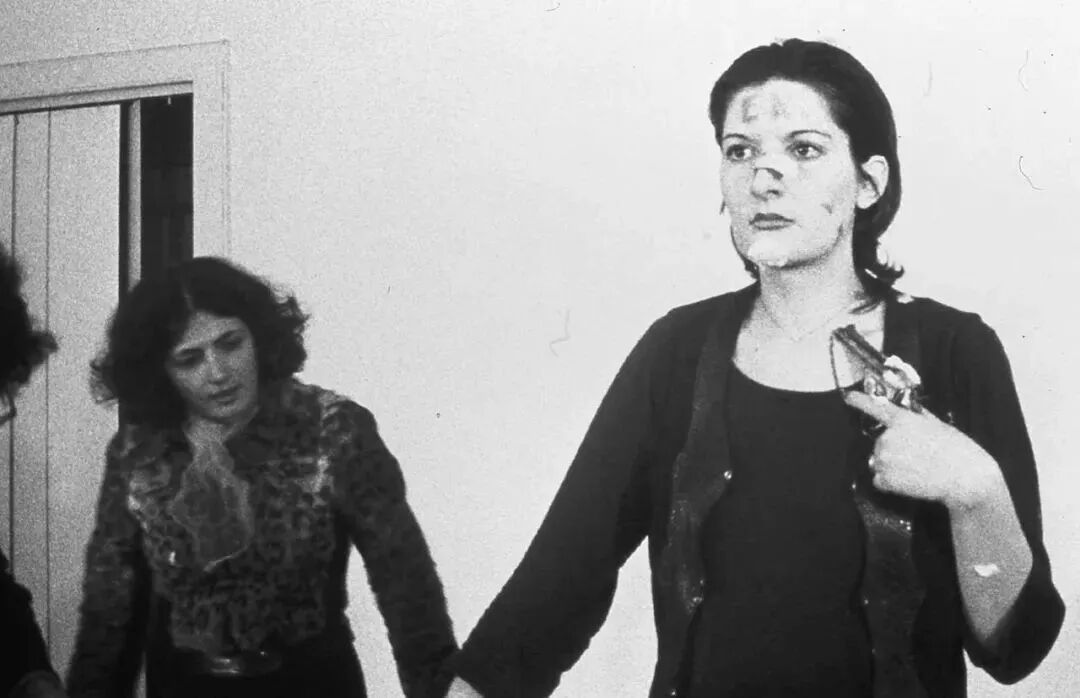
It takes the artist’s own body directly as medium and site, challenging the notion of art as an object to be collected and traded. Marina Abramović’s early work—above all Rhythm 0 (1974)—pushed criticality to its extreme. In the gallery she anaesthetised herself and laid out seventy-two objects on a table (including a rose, feathers and honey, but also scissors, a blade and a loaded pistol), allowing the audience to do anything to her body over six hours. The piece became a terrifying socio-psychological experiment, revealing the latent violence and sadism within human nature when unrestrained by rules.
The artists of the Austrian “Viennese Actionism”—such as Hermann Nitsch and Günter Brus—through highly offensive, blood-soaked, ritualistic performances, challenged postwar Austrian society’s repression of its Nazi history and the hypocrisy of the Catholic Church.
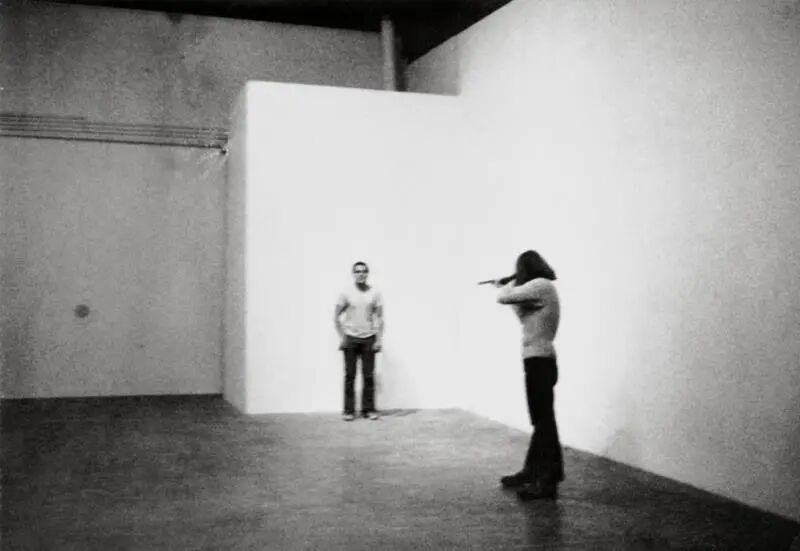
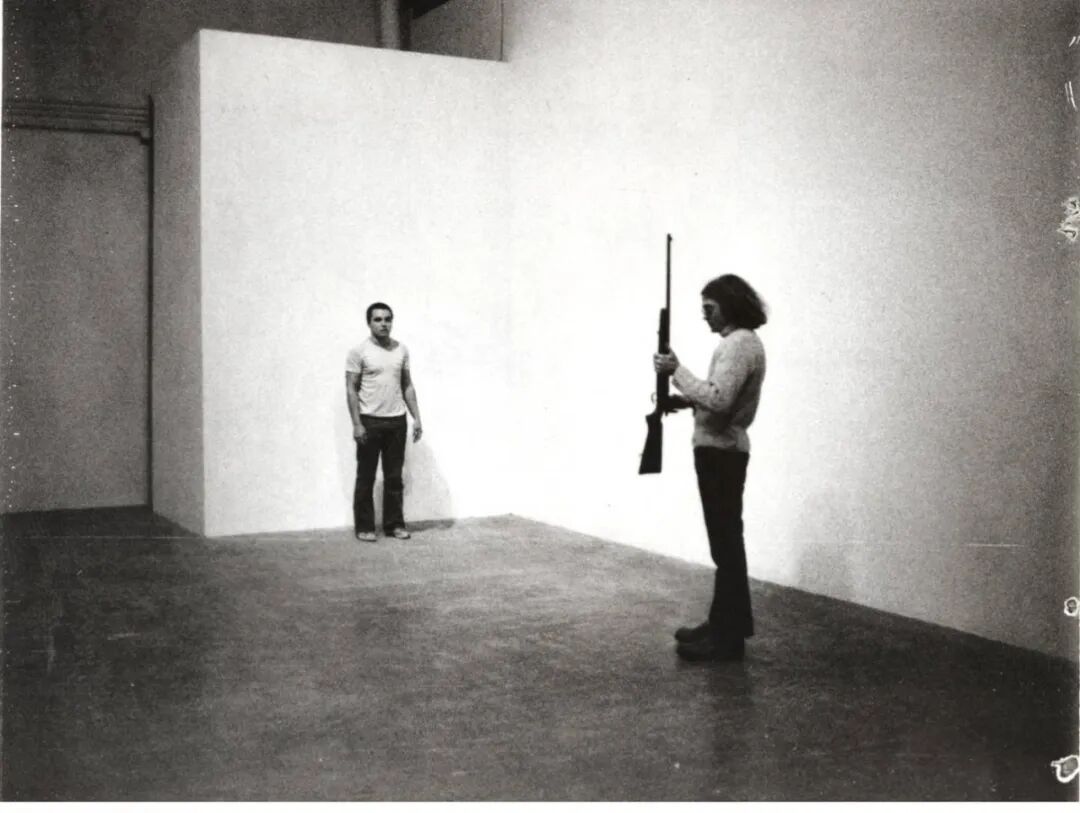
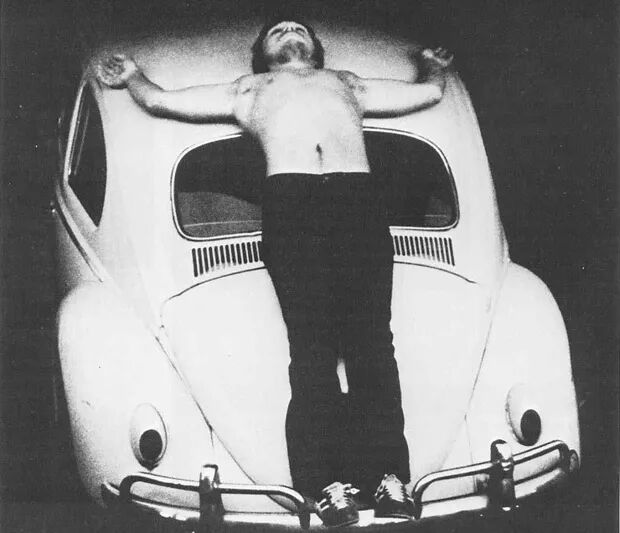
In his early works the American artist Chris Burden had a friend shoot him in the arm (Shoot, 1971), and had himself nailed to a Volkswagen Beetle (Trans-fixed, 1974), probing the questions of violence, pain and media representation in an extreme mode.
Intervening in Public Space: Street Art, Social Sculpture
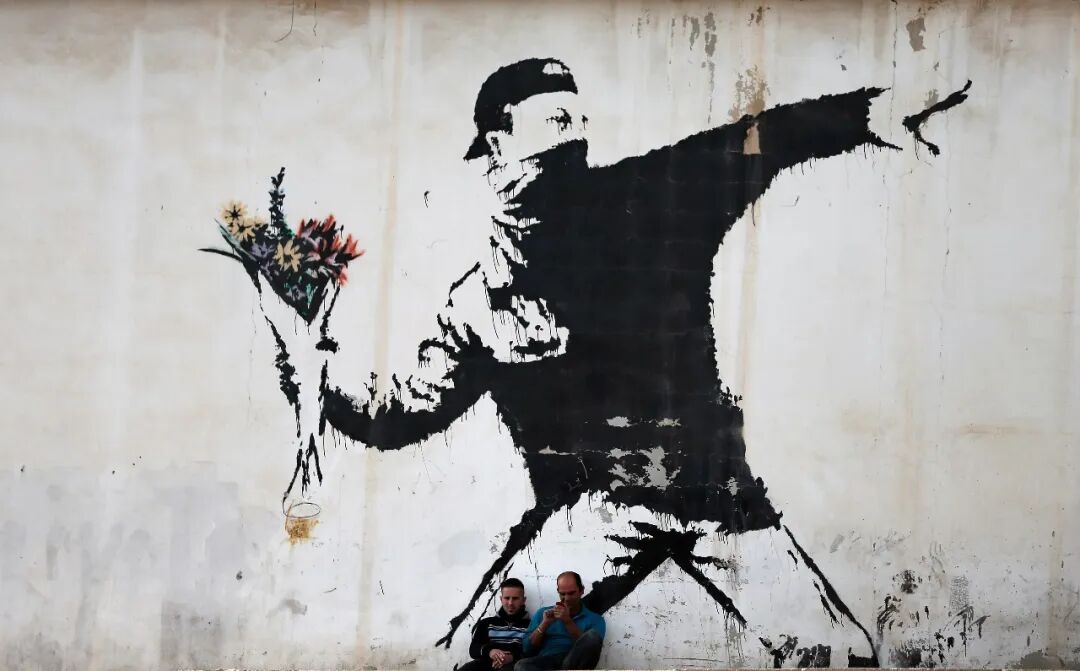
Freeing art from the gallery and museum’s “white cube” and intervening directly in public space and social reality is another important critical strategy. Its representative figure is the British street artist Banksy. Using the rapid, efficient method of stencil graffiti, Banksy has left a profusion of politically satirical, black-humoured images on city walls around the world. He critiques capitalist consumer culture, ironises war and violence (the soldier hurling a bouquet of flowers at a child), and mocks the art market itself.
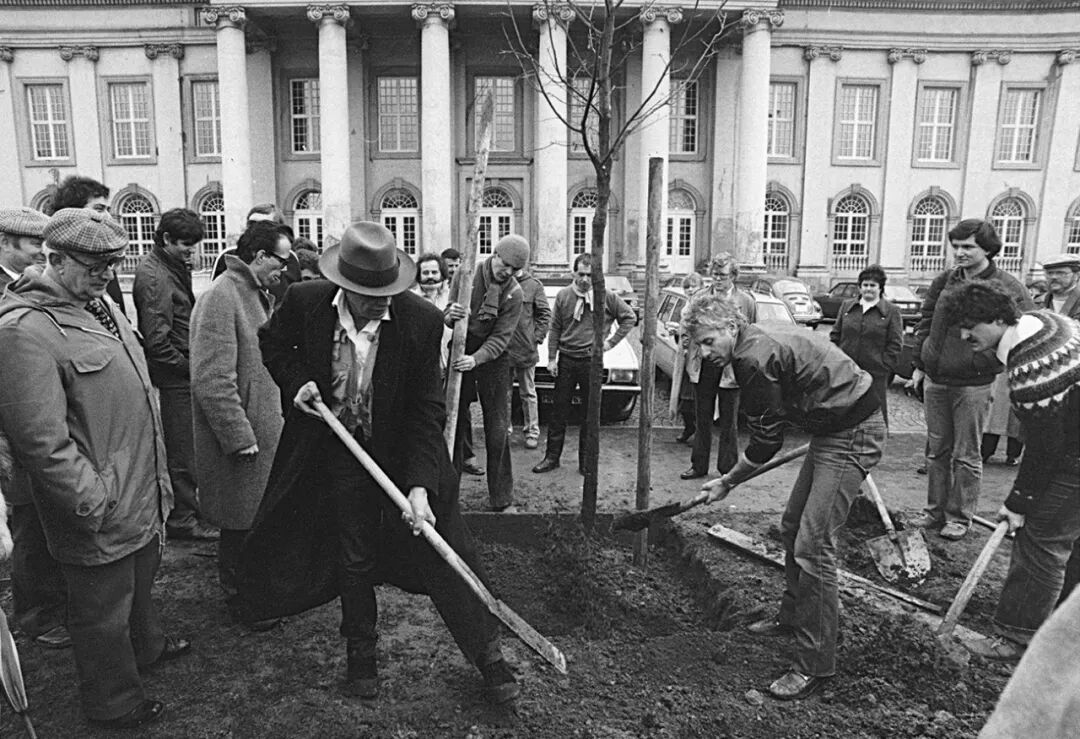
The German artist Joseph Beuys’s concept of “social sculpture” expands the boundaries of art without limit. He held that “everyone is an artist,” that society itself is a vast artwork to be shaped through each person’s creative action. His work 7000 Oaks, in which seven thousand oak trees were planted across Kassel, Germany—each accompanied by a basalt stone—was a five-year project integrating ecological action, urban transformation and public participation, and the classic embodiment of the idea of “social sculpture.”
Critique in the Digital Field: New Media and Algorithmic Politics
With the spread of digital technology, cyberspace, social media, big data and artificial intelligence have become new fields for contemporary artists’ critical practice.
The criticality of this field lies in reflecting on the ideological character of technology itself. “Critical making,” for instance, is a concept that emphasises combining critical thinking with hands-on practice, using the fabrication of physical and digital objects to reflect critically on digital technology.
C. Stage Three: Critical Translation—Formal Language and the Conveyance of Concept
Having critical observation and a strategy of intervention, the artist must still confront a core challenge: how to “translate” complex ideas and critical reflection effectively into a powerful artistic formal language capable of communicating with the viewer. Form is not the mere handmaiden of concept; form itself is charged with thought and with the political.
The Politicality of Form: Letting Materials Speak
Adorno incisively noted that art’s social content is precisely sedimented within its formal structure. Thus the choice and handling of material is itself a critical expression.
The Ghanaian-Nigerian artist El Anatsui is known for monumental, sumptuous tapestry-like installations woven from discarded bottle caps and metal fragments. These caps come from the various alcoholic drinks consumed across Africa. As a commodity introduced during the colonial trade, alcohol is bound up with the slave trade and colonial history. Thus Anatsui’s work is not merely a spectacular reuse of waste, but a profound reflection on postcolonial history, globalised consumption and cultural identity. The material itself carries the memory of history and the weight of the political.
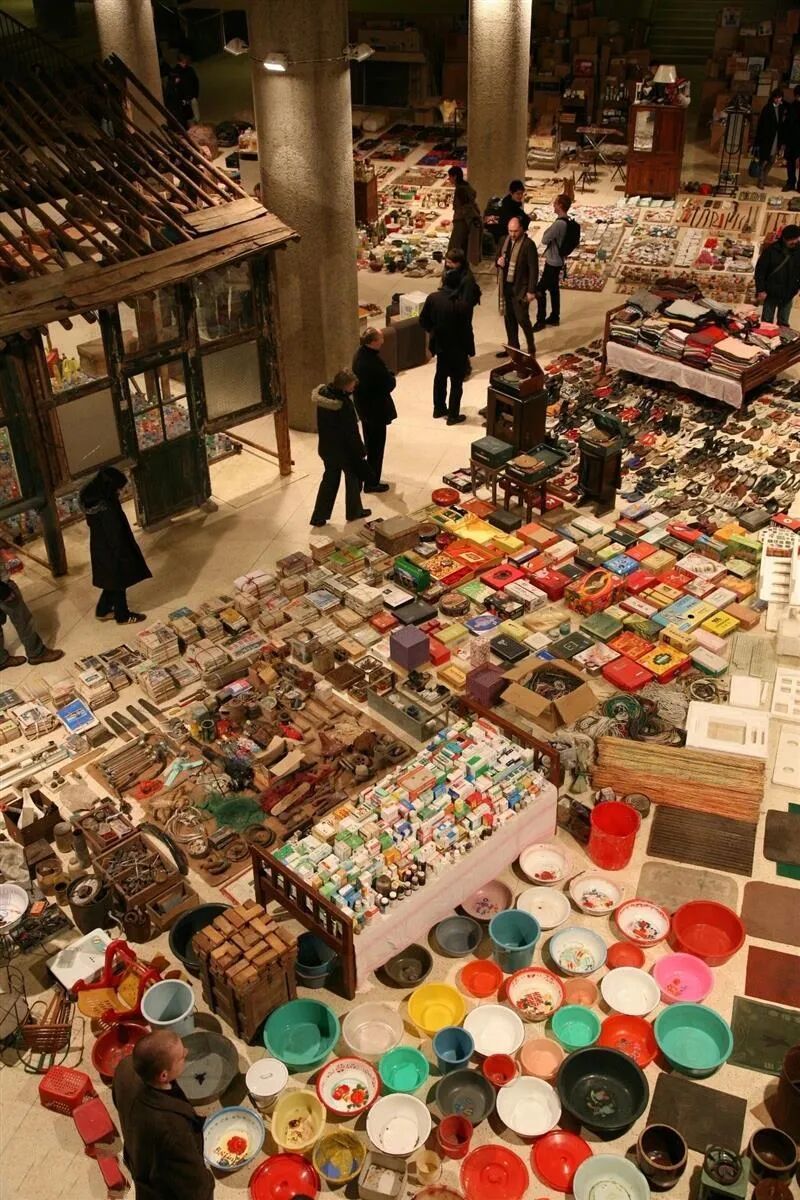
The Chinese artist Song Dong’s Waste Not exhibited the tens of thousands of everyday objects his mother had accumulated over a lifetime. These seemingly useless “junk” compose a personal chronicle and reflect the particular consumer mentality and emotional structure formed by China’s older generation after an era of material scarcity. Here, the piling-up and classification of objects becomes a language at once tender and critically reflective.
The “De-articising” Presentation of Concept
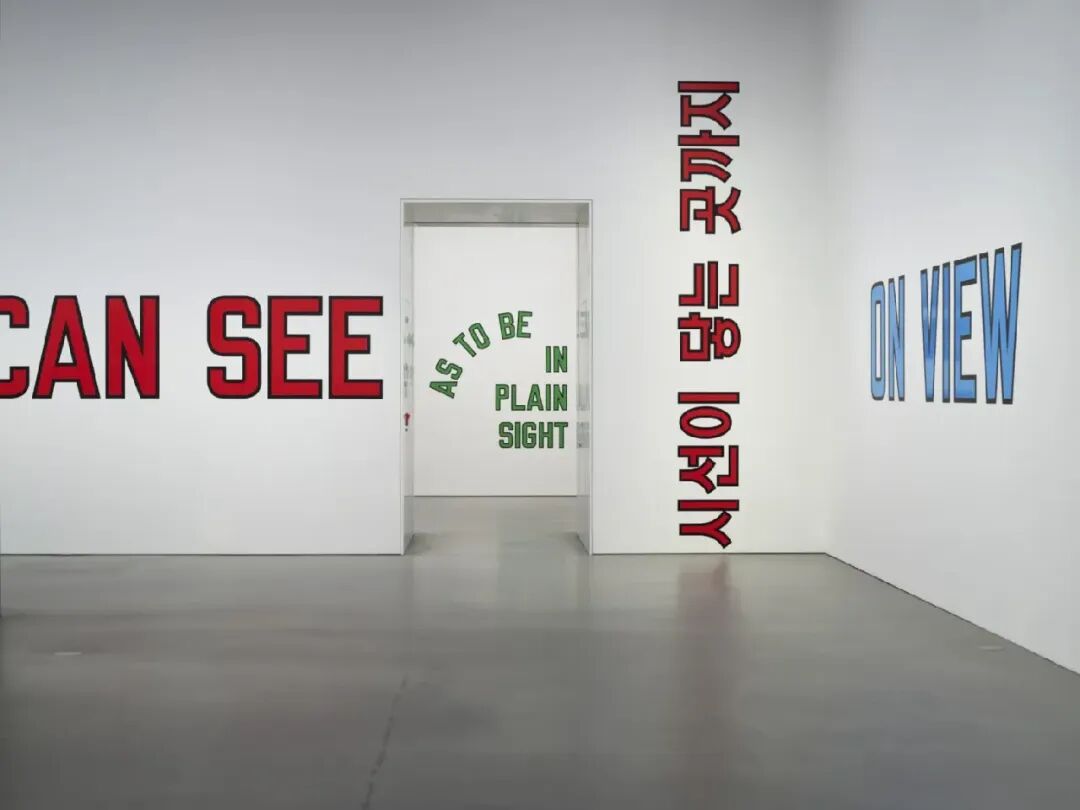
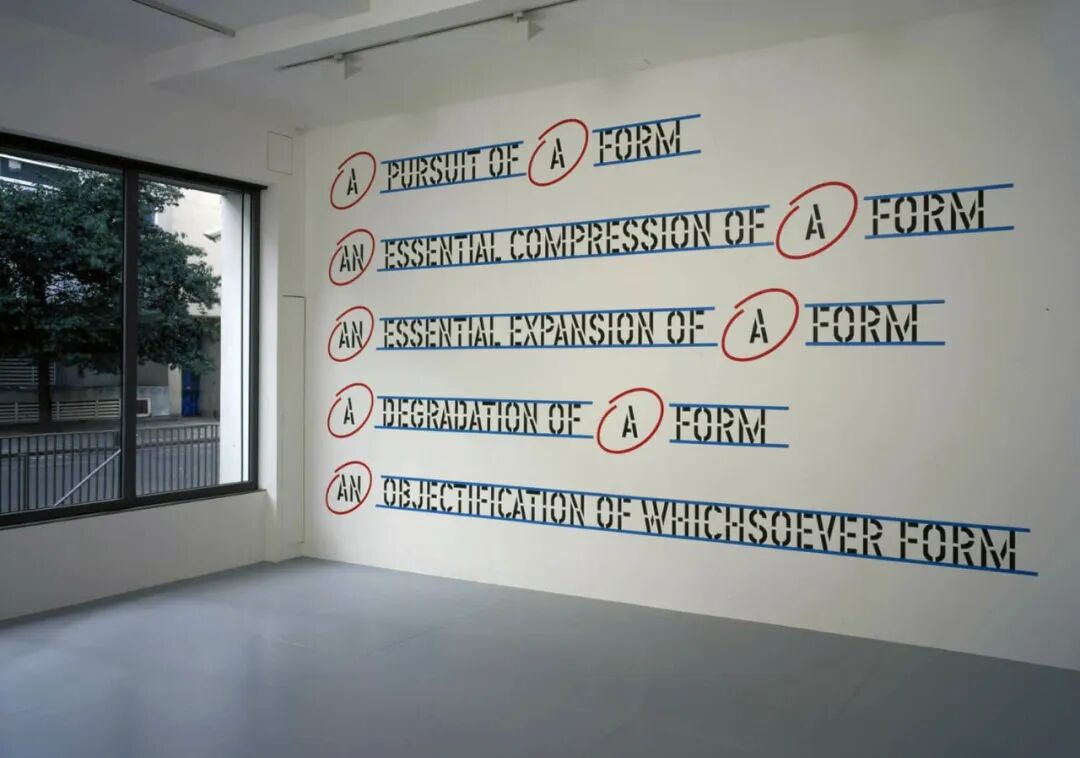
To make the concept itself more salient, many artists deliberately adopt a “de-articised” or “anti-art” formal strategy, weakening the work’s visual pleasure and artisanal feel. This is especially pronounced in Conceptual art. The American artist Lawrence Weiner’s works are typically just a sentence of declarative text written on a wall—for example, “A STONE TOSSED INTO THE SEA.” The viewer may imagine the action in their mind, or choose to realise it themselves. The artwork is no longer a material object but a concept that can be disseminated and executed.
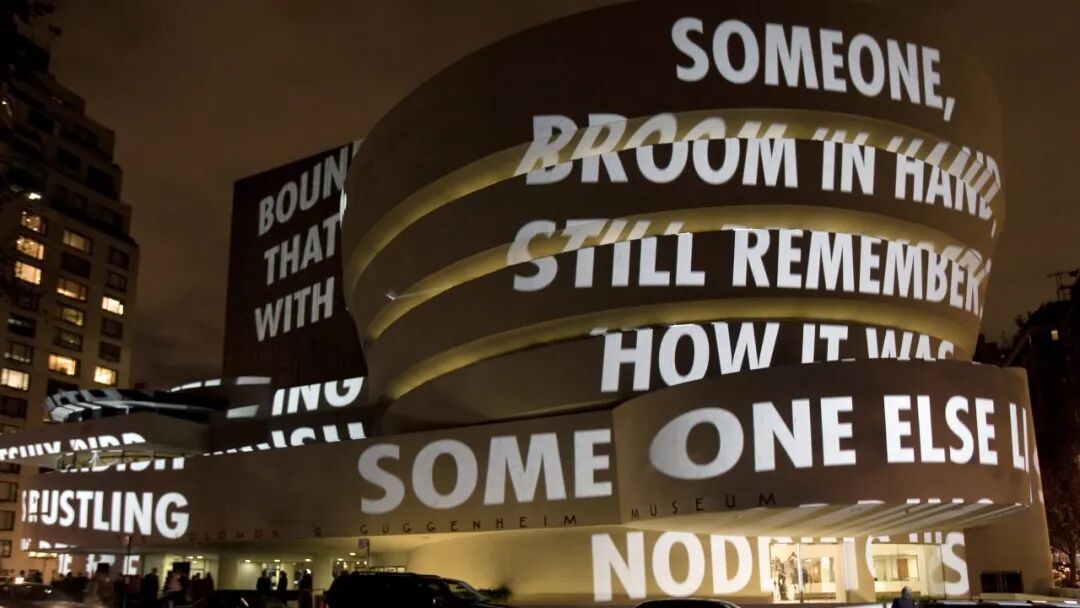
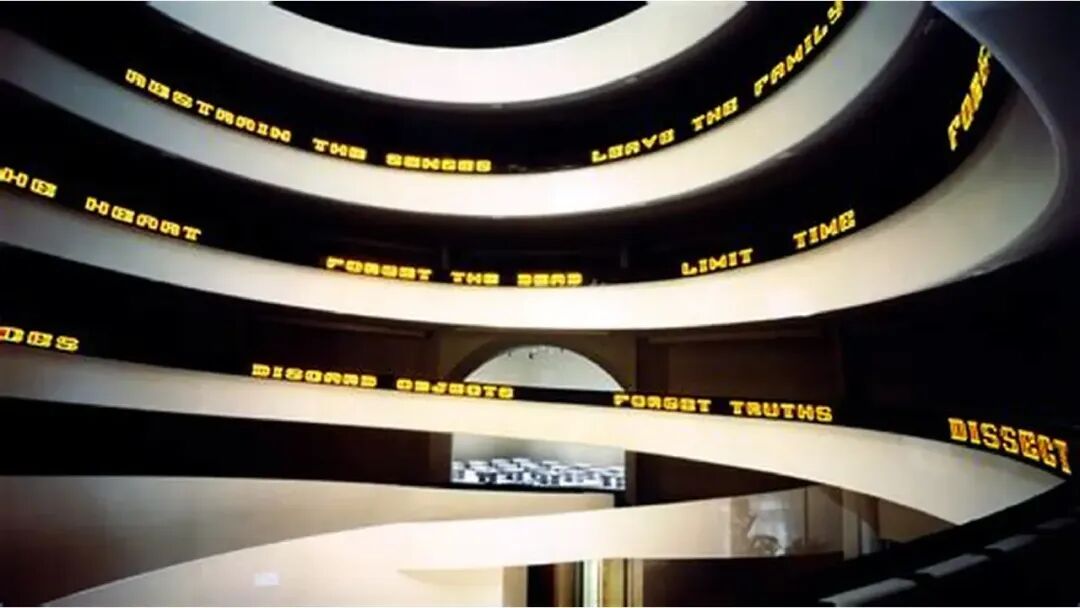
The American artist Jenny Holzer is known for her Truisms series, in which she prints seemingly aphoristic yet mutually contradictory or contentious sentences (such as “ABUSE OF POWER COMES AS NO SURPRISE” and “PROTECT ME FROM WHAT I WANT”) on posters, T-shirts and LED billboards, and projects them into public space. By borrowing the form of public-information dissemination, her critical messages spread like a virus, seeping into the interstices of everyday life.
The Viewer’s Intervention and the Generation of Dialogue
The realisation of criticality is often completed in the viewer’s participation and interpretation. Thus many artists endeavour to create an open structure that invites the viewer in, turning the work from a closed declarative sentence into an open interrogative one.
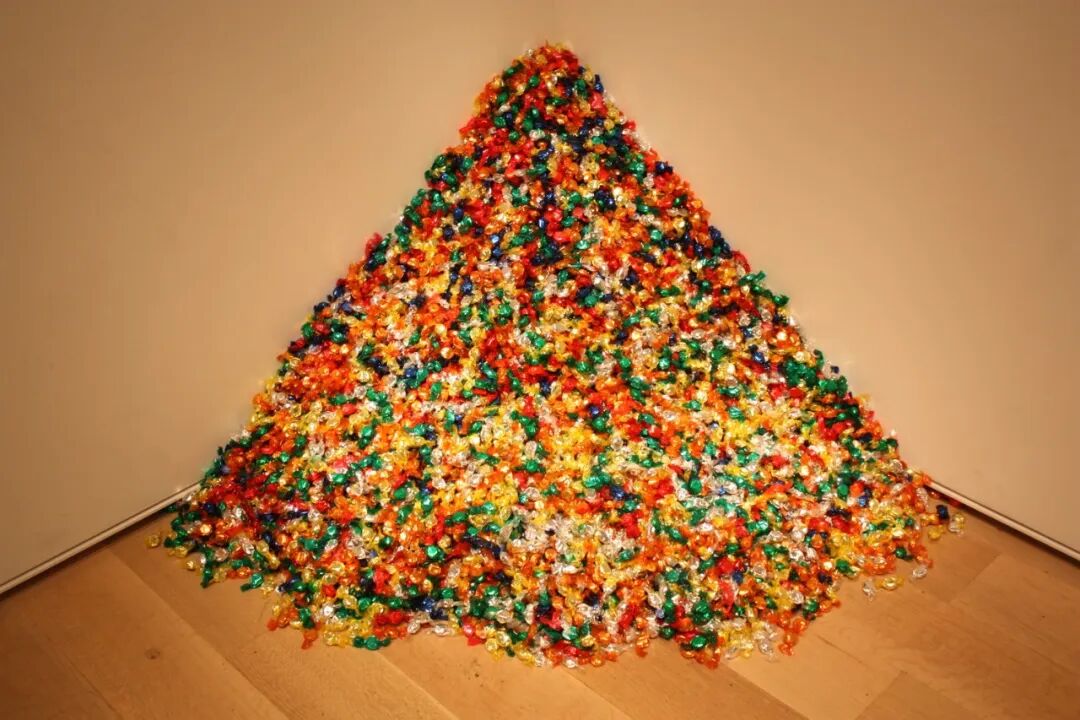
The Cuban-American artist Felix Gonzalez-Torres often composed his works of everyday objects the viewer could take away—piles of sweets, or stacks of posters. For example, his 1991 work Untitled (Ross in L.A.) is a pile of sweets weighing 175 pounds (the weight of his partner Ross at the time of his health). It is a sorrowful work: viewers are invited to take sweets freely, and as they do the pile’s weight diminishes, symbolising Ross’s body wasting away from AIDS. Each day the exhibitor replenishes the sweets back to 175 pounds, symbolising the eternity of love and memory. Through the viewer’s participation, the work completes a profound narrative of love, loss, illness and remembrance, and its criticality is generated and amplified in the interaction with each participant.
III. An Interdisciplinary Toolkit: Borrowing from Other Fields
The reason contemporary art’s criticality can be continuously deepened and expanded is, in no small part, that it keeps drawing intellectual resources and analytic tools from other disciplines.
The artist is like a “nomad” of thought, moving through the vast intellectual terrain of philosophy, sociology, anthropology, psychoanalysis, gender studies, postcolonial theory and ecology, and applying these theoretical tools creatively to artistic practice. Here we introduce several interdisciplinary toolkits of vital importance to the critical practice of contemporary art.
A. Gender Studies and Feminist Critique
Since the second-wave feminist movement of the 1960s, feminist theory has been one of the most active and subversive forces in contemporary art’s critical discourse. It has not only generated a wealth of art themed on women’s experience, but fundamentally challenged the male-dominated art-historical narrative and the regime of visual looking.
Challenging the Gaze and Deconstructing Stereotypes
In her 1975 essay “Visual Pleasure and Narrative Cinema,” the feminist film theorist Laura Mulvey advanced the ground-breaking concept of the “male gaze.” Mulvey argued that in classic Hollywood cinema the camera, the male protagonist and the male spectator conspire to objectify and spectacularise the female character, making her a desiring object to be looked at. This theory was quickly applied to visual-art analysis. The Cindy Sherman Untitled Film Stills series, mentioned repeatedly above, is a classic artistic deconstruction of the female stereotype under the “male gaze.” Through self-impersonation, Sherman both reveals the prevalence of these stereotypes (the housewife, the femme fatale, the career woman) and, through the subtle incongruities of her performance, exposes their artificially constructed nature.
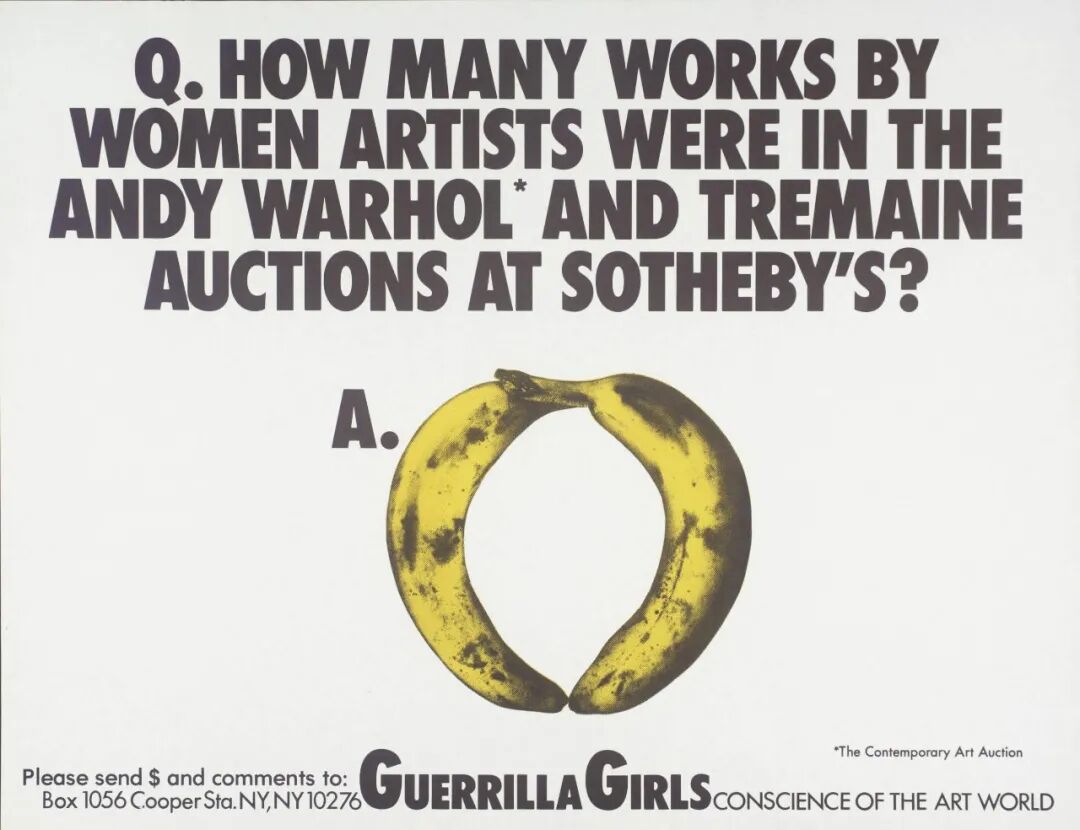
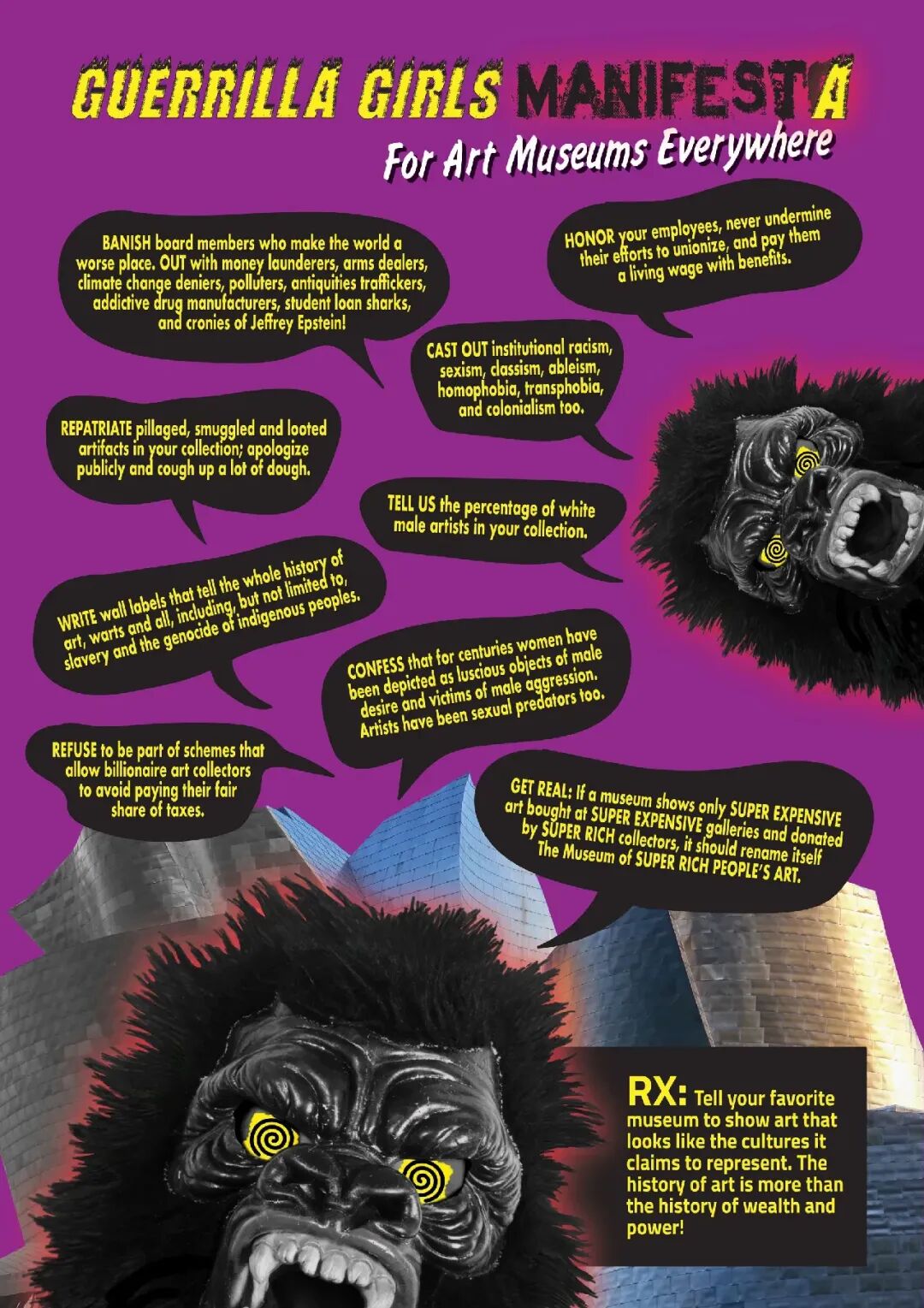
Likewise, the artist collective Guerrilla Girls, since 1985, wearing gorilla masks and acting anonymously, has used posters, billboards and public protest to expose, with humorous yet incisive data, the gender and racial inequality within the art world (especially museums and galleries). One of their most famous posters asks: “Do women have to be naked to get into the Met. Museum?” This direct, data-driven mode of critique forcefully punctures the hypocritical veil of the art institution.
Performativity Theory and the Fluidity of Identity
In 1990, the American queer theorist Judith Butler, in Gender Trouble: Feminism and the Subversion of Identity, further developed the theory of “gender performativity.” Butler argued that gender is not an innate, internal essence but an effect “performed” through the repeated, ritualised social behaviours (modes of speech, dress, gesture). Gender is more like a verb than a noun. This theory greatly liberated the treatment of identity in art. It implies that identity is not fixed but fluid, capable of being enacted and subverted.
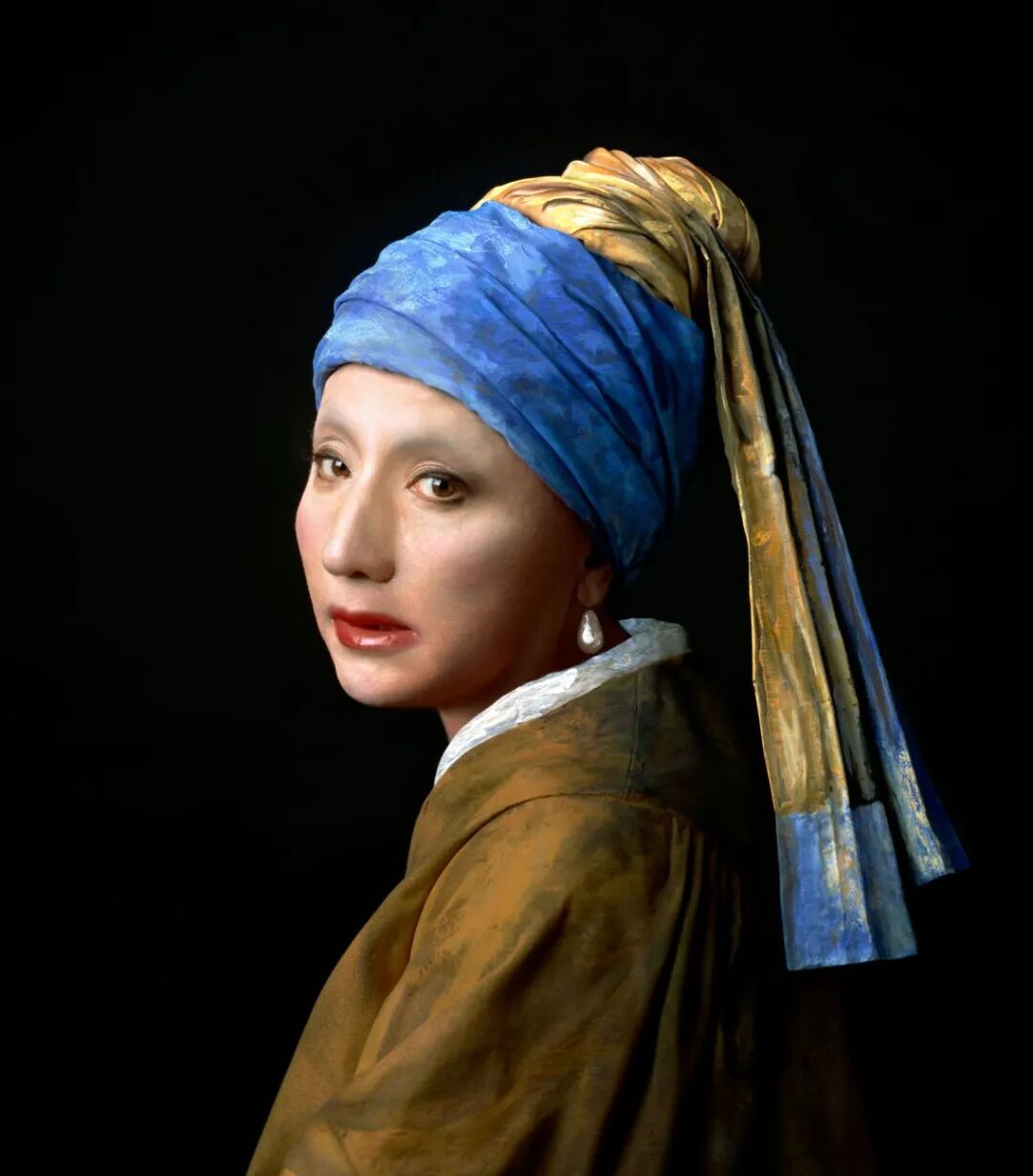
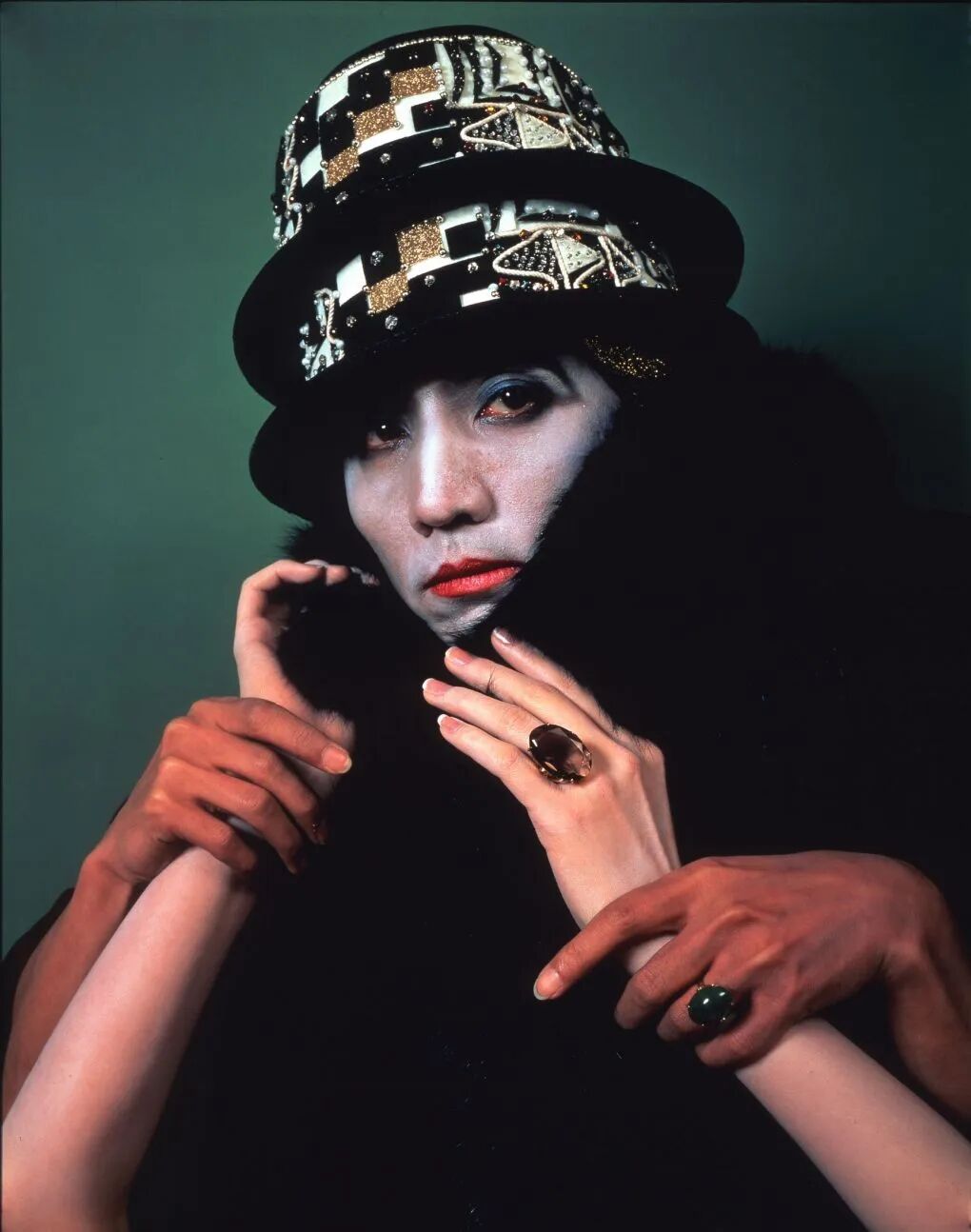
The work of the Japanese artist Yasumasa Morimura is an excellent footnote to “performativity” theory. Through make-up and props, he disguises himself as the female figures in canonical Western art-historical paintings—Manet’s Olympia, Velázquez’s Venus with a Mirror. Through this cross-gender, cross-racial, cross-cultural “drag” performance, Morimura not only deconstructs the canon of Western art history but also calls into question and problematises the stability of identity.
Ecofeminism: Connecting the Oppression of Gender with the Exploitation of Nature
Ecofeminism is a current of thought that joins feminism and ecologism, holding that the oppression of women and the exploitation of nature share the same root, both stemming from the dominative logic of patriarchy, capitalism and colonialism. Ecofeminist art thus emerged, with artists exploring through their work the profound connections between body, land, spirituality and ecology.
The Cuban-American artist Ana Mendieta was a pioneer of this field. In her brief but luminous career she created the renowned Silueta series (1973–1980). Using her own body, she imprinted silhouettes in natural environments (earth, grass, sand) or outlined human figures with natural materials such as flowers, branches, blood and fire. These works are at once a return to the ancient worship of the earth goddess, a poetic proclamation of the primordial bond between the female body and nature, and a healing ritual for the trauma of violence and exile.
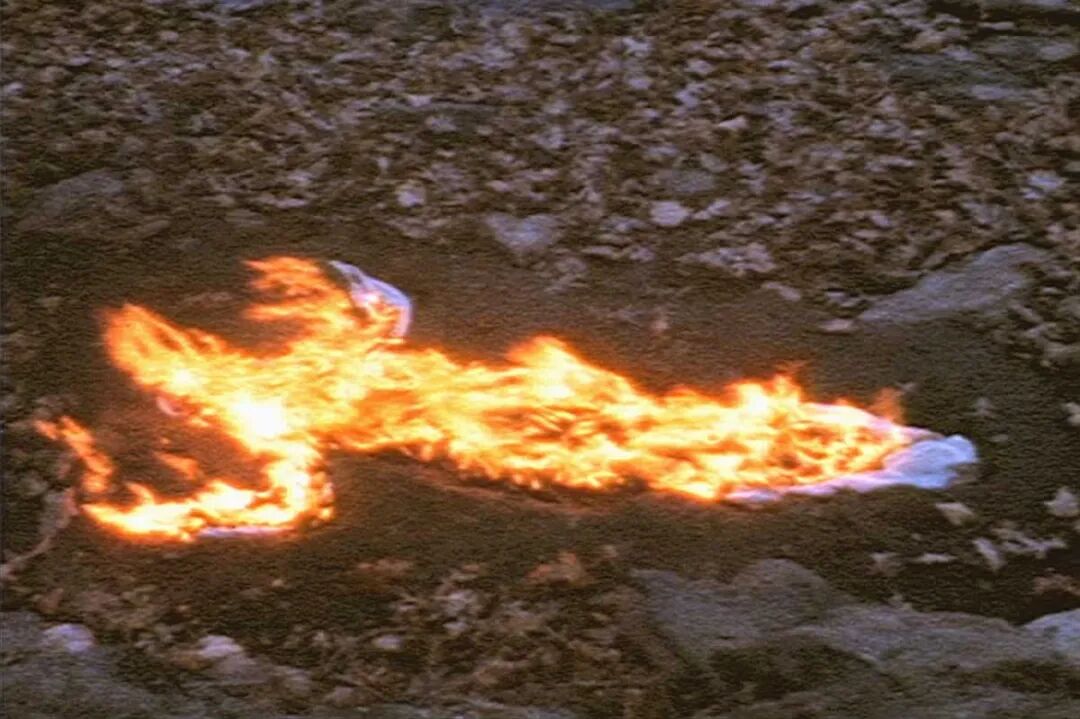
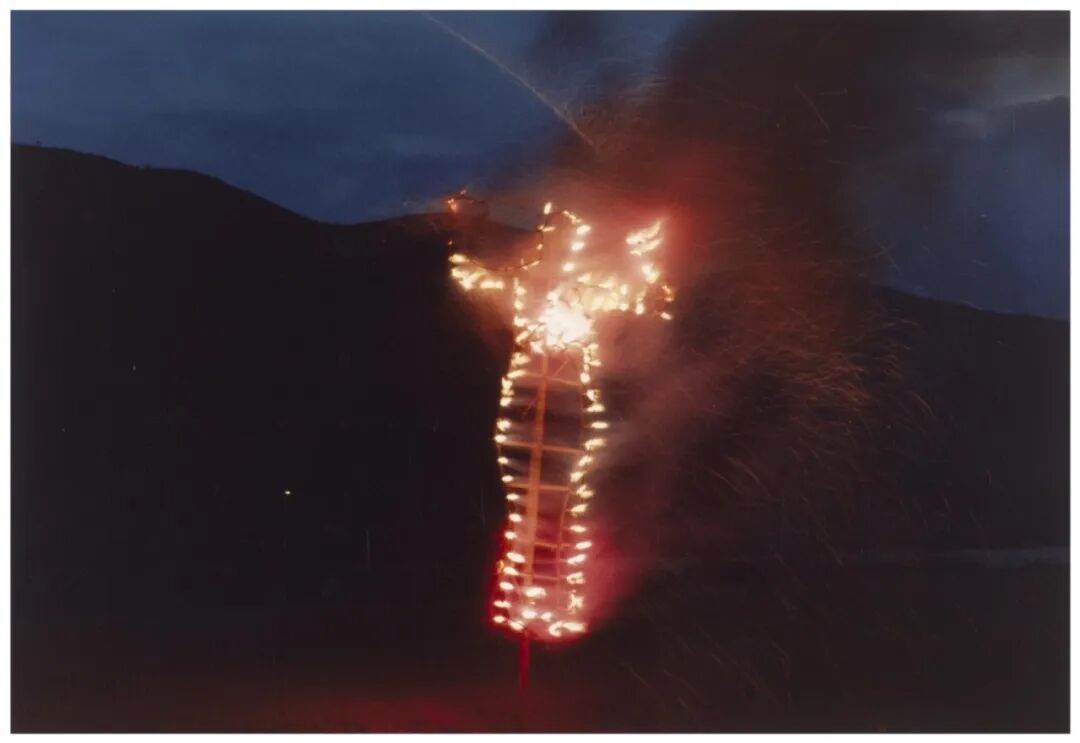
Ana Mendieta (Cuban-American), Silueta series (1973–1980)
B. Postcolonial Theory and the Critique of Globalisation
Postcolonial theory arose in the latter half of the twentieth century, concerned mainly with the cultural, political and economic relations between metropole and former colony, and criticising Eurocentrism and cultural imperialism. It furnished artists from the non-Western world with vital theoretical weaponry for reflecting on their own history, remaking cultural identity and critiquing the inequalities of globalisation.
Subverting the Eurocentric Narrative
A core task of postcolonial art practice is to challenge and rewrite the Eurocentric history of art and of the world. Through appropriation, parody and the retelling of history, artists reclaim the discursive power of the “othered” identity.
The work of the British-Nigerian artist Yinka Shonibare is an outstanding example. He frequently uses brightly coloured “Dutch wax” fabric to make eighteenth- and nineteenth-century European aristocratic dress, worn by headless mannequins. This cloth, though seemingly “African,” in fact originated in Indonesia, was produced by the Dutch in Manchester, England, and then sold in large quantities to West Africa. The fabric itself is a microcosm of the complex history of global trade, colonialism and cultural hybridity. By using this cloth to recreate European historical scenes, Shonibare subtly reveals the hidden cultural exchange and power relations within colonial history, subverting the myth of any pure “European” or “African” identity.
“Hybridity”: The Remaking of Cultural Identity
The postcolonial theorist Homi Bhabha advanced the important concept of “hybridity.” He argued that in the contact zone of colony and postcolony, culture is not a simple relation of domination and subordination, but undergoes complex negotiation, imitation and translation in a “third space,” thereby producing new, hybrid cultural forms and identities. Many artists’ work explores precisely the potential of this “hybridity.”
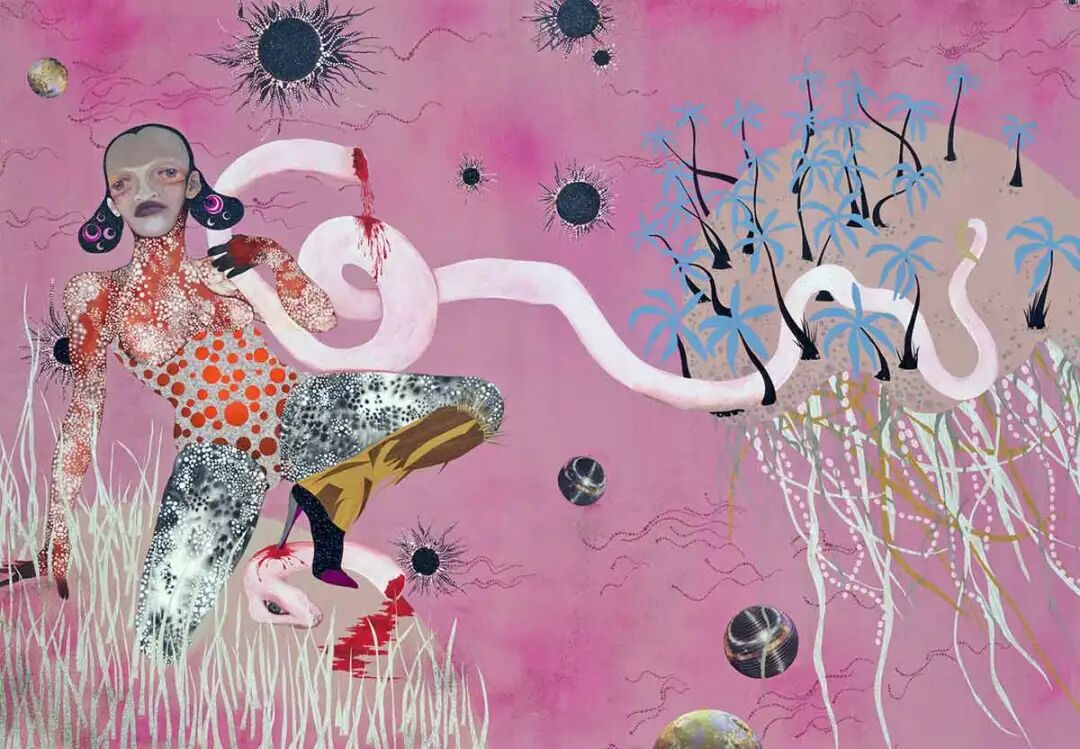
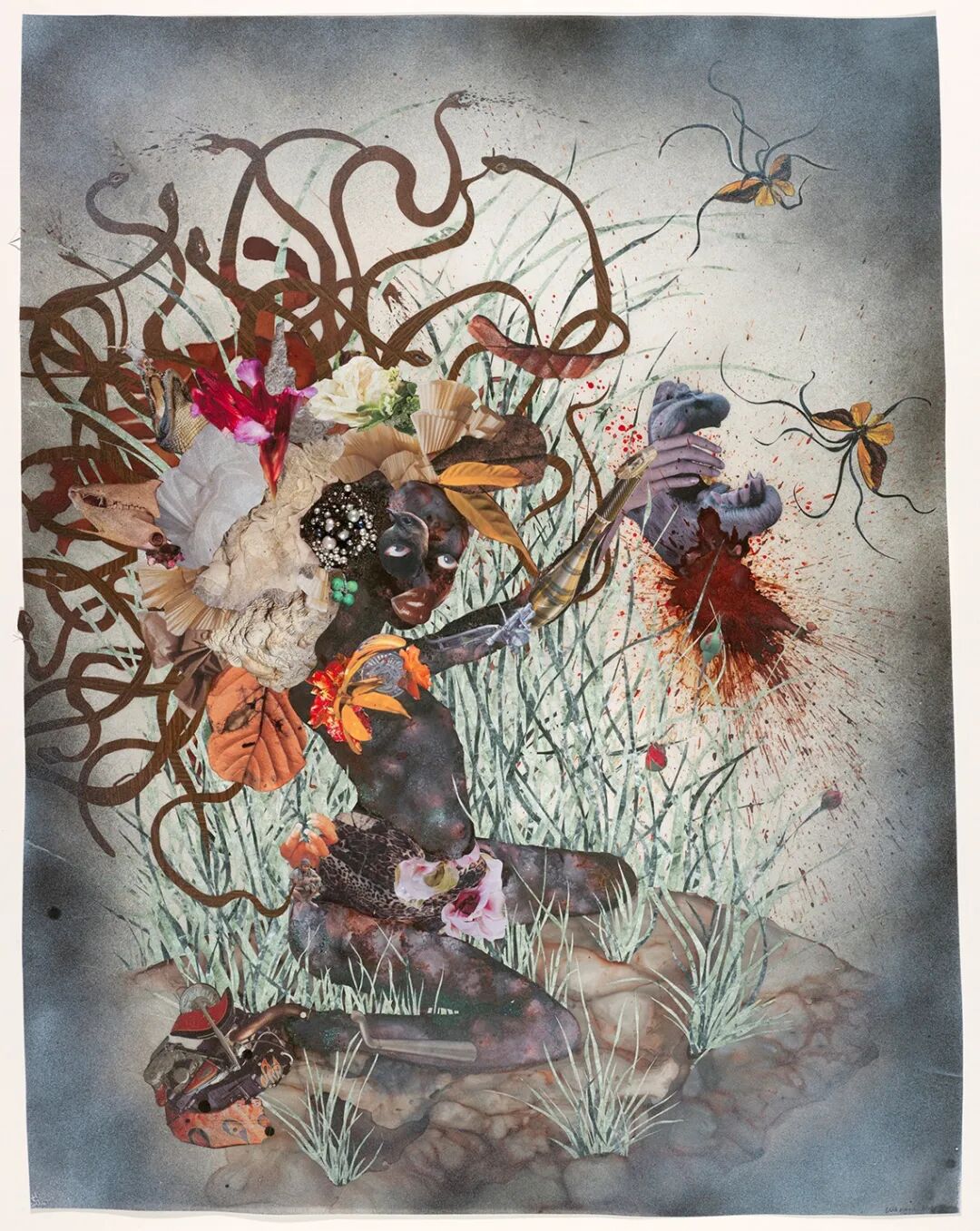
The Kenyan-American artist Wangechi Mutu is known for her complex collages. She combines fragments cut from fashion magazines, medical journals, pornographic publications and ethnographic images with drawing, creating strange, grotesque, beautiful half-human, half-animal female figures. These “hybrid” bodies criticise both the media’s objectification and exoticisation of the Black female body and symbolise a powerful female subjectivity that mutates, recombines and regenerates within postcolonial and globalised contexts.
Critical Regionalism: Resisting Global Homogenisation
Critical regionalism was first proposed by the architectural theorist Kenneth Frampton, seeking an architectural strategy that resists the cultural homogenisation brought by globalisation. It holds that architecture should absorb the universality of modern technology while responding to the climate, terrain, light, culture and traditions of a specific place. This idea can equally be applied to contemporary art practice. It encourages artists, within a globalised context, to seek a “third way” that is neither blindly exclusionary localism nor wholesale Westernising cosmopolitanism. The art practice and theory of the Korean artist Lee Ufan may be regarded as a model of “critical regionalism.”
C. Sociological and Anthropological Fieldwork Methods
The fieldwork methods of sociology and anthropology also provide rich inspiration and operational models for the critical practice of contemporary art. Increasingly, artists step out of the studio and, like sociologists or anthropologists, immerse themselves in specific communities and sites, creating their work through long-term observation, interviews and shared living.
Participatory Observation and Artistic Practice
“Participant observation” is a core method of anthropology, requiring the researcher to immerse themselves in the culture under study and experience its way of life first-hand. Borrowing this method, the artist can endow their work with a critical perspective that comes from within and is rich in detail and warmth.
Archival Research and Historical Reconstruction
The archive is a site where power and knowledge converge; official archives often record only the history of the victors. Thus the critical study, reorganisation and even forgery of archives becomes an important means for artists to reveal repressed histories and challenge official narratives.
IV. Case Studies
Theory and methodology must ultimately be tested in concrete works of art. Here we select several representative contemporary artists and offer close readings of their work, showing how they synthesise the various theoretical tools and practical strategies outlined above to build the critical density of their art. These cases serve as vivid exemplars, offering practitioners wisdom they can draw upon.
A. Fernando Botero: Satirising Power through Exaggerated Volume
The Colombian artist Fernando Botero is known worldwide for his distinctive “Boterismo” style, in which his figures and still lifes alike display a monumental, exaggerated corpulence. Yet behind this seemingly naïve, humorous style lies a profound insight into, and sharp satire of, social reality, political corruption and historical violence.
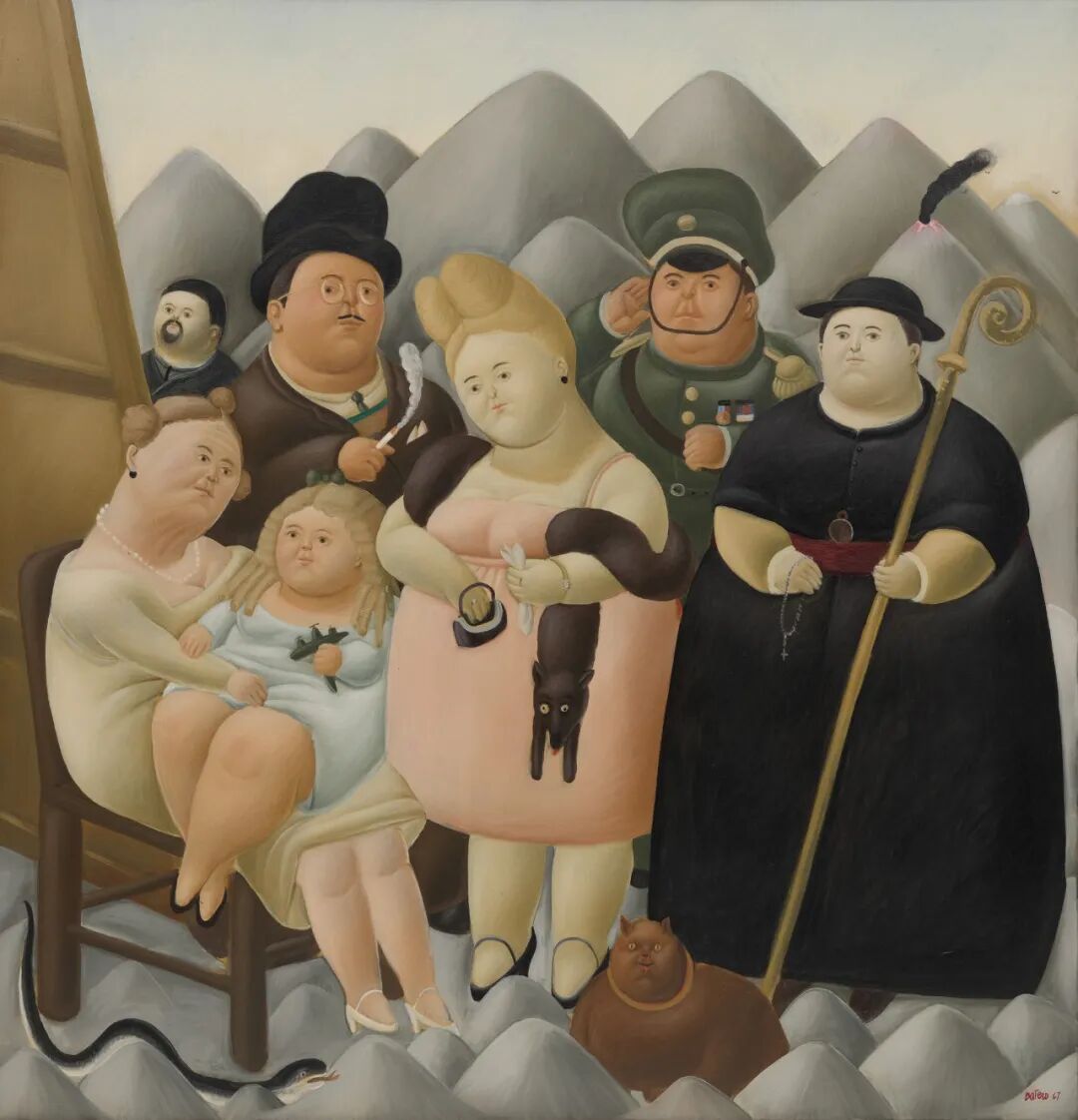
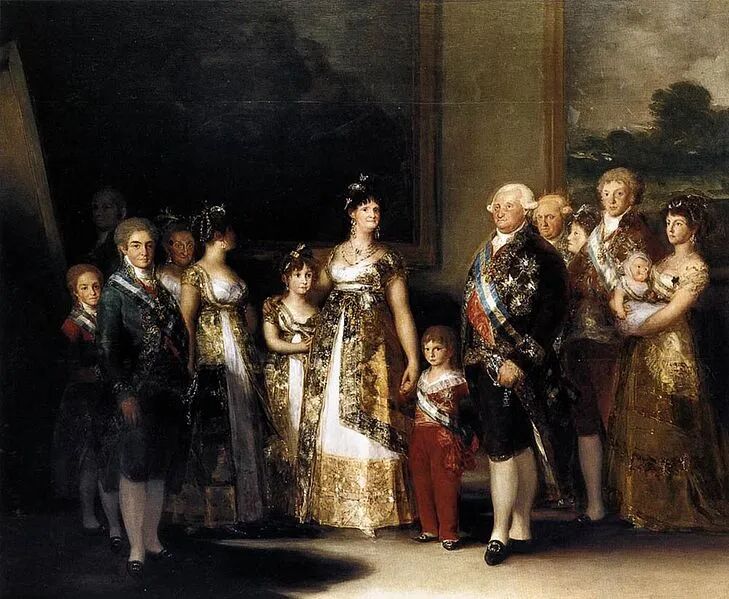
The generation of Botero’s criticality is first evident in his creative “appropriation” of and “parody” upon the European art-historical tradition. His work The Presidential Family is plainly a parody of Goya’s celebrated painting Charles IV and His Family. In Goya’s original, the mediocrity and vanity of the royal family are keenly captured by the painter. In Botero’s hand, a Latin American dictator and his kin are rendered as a brood of bloated, vacant, richly dressed puppets. This extreme exaggeration of volume is not a celebration of fatness but a symbolic device to satirise the swelling of power, the emptiness of spirit and the stupidity of the ruling class. Botero deftly borrows the solemn form of classical portraiture while injecting it with comic-strip satire; the enormous gap between form and content produces a powerful critical effect.
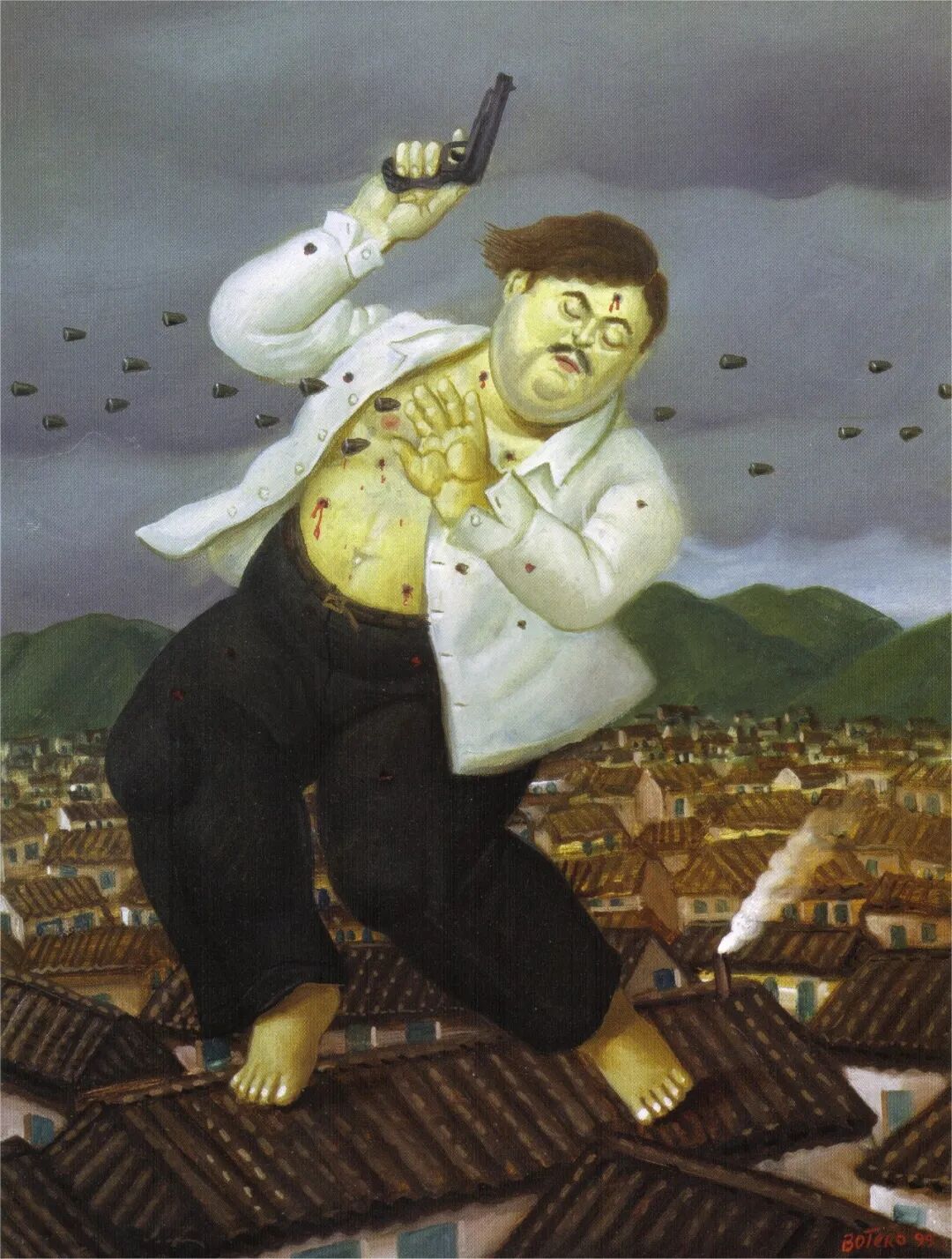
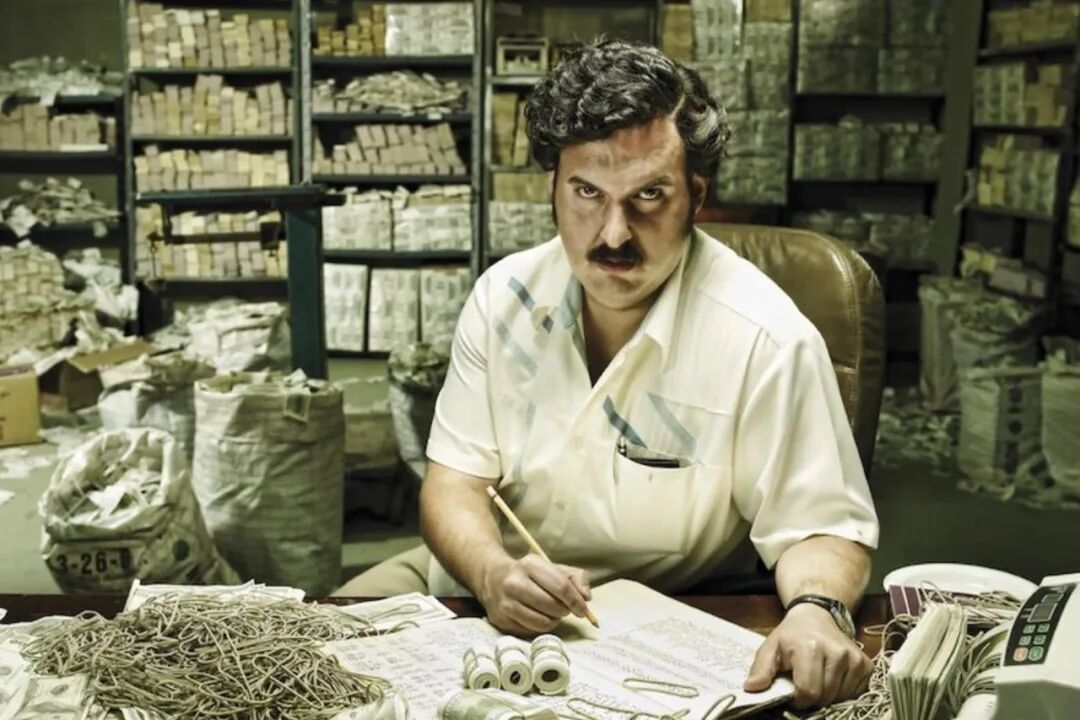
Secondly, Botero’s criticality is directed squarely at the Latin American—and specifically Colombian—social and political reality. In 1999 he made a series of works on the Colombian drug lord Pablo Escobar, such as The Death of Pablo Escobar, depicting this notorious figure as a grossly bloated giant shot dead by police on a rooftop. This is at once a record of a violent era and a critique of the absurd relation between power and violence.
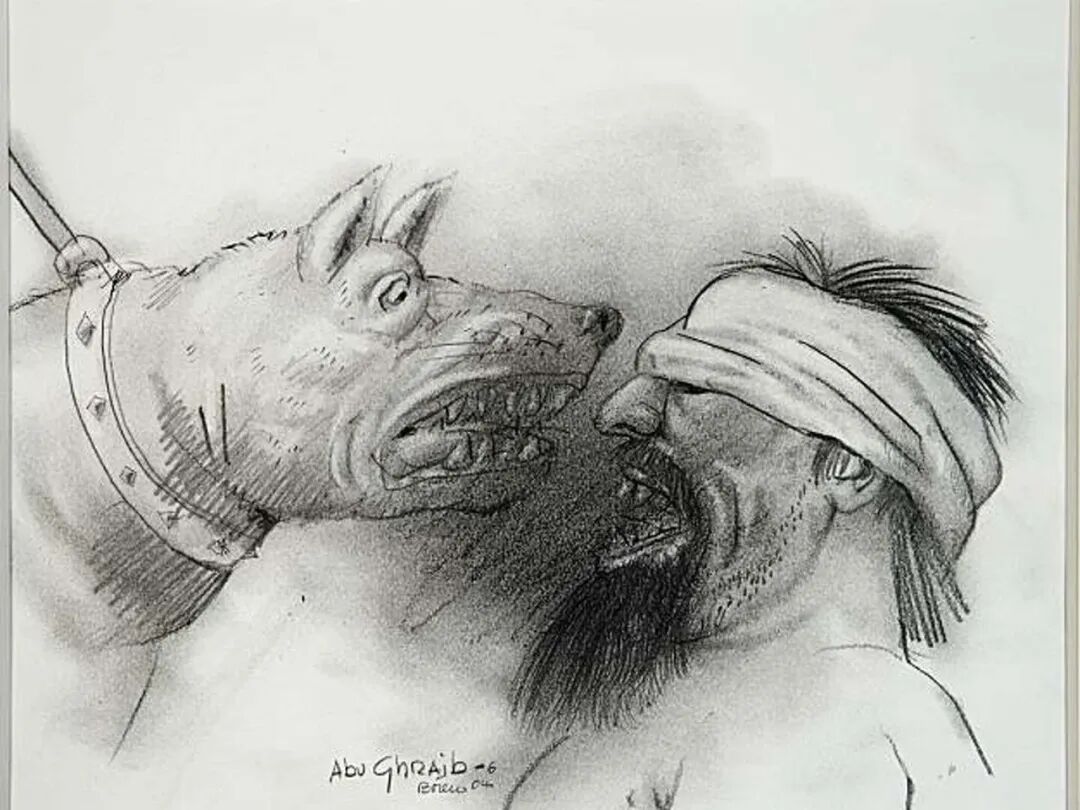
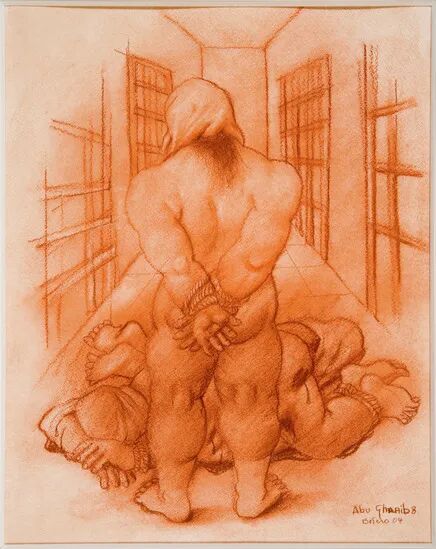
Even more striking are the Abu Ghraib series he produced in his later years, around 2005. On learning of the scandal of US abuse of prisoners at Abu Ghraib prison in Iraq, Botero produced over eighty paintings and drawings, depicting in his signature style the humiliated, tortured prisoners. These figures are likewise “fat,” but the fatness here carries no satirical intent; rather it intensifies the suffering and humiliation borne by the body. The critical edge of these works points directly at American imperialism and the violence of war, manifesting an artist’s moral conscience and social responsibility.
Botero’s practice tells us that a highly personalised artistic style, seemingly apolitical, can become a powerful weapon for intervening in major socio-political issues. He successfully translated a formal language (exaggerated volume) into a universally legible critical sign.
B. Marina Abramović: Bodily Limits and the Social-Psychological Experiment
Marina Abramović’s practice takes the body as the ultimate medium for exploring consciousness, pain, endurance and the limits of human relations. Her criticality is directed not only at the art institution itself (such as the dissolution of the artwork’s materiality) but, more profoundly, at the darkness within human nature and the hidden recesses of social psychology.
The generation of Abramović’s criticality lies at its core in her “objectifying” her own body and placing it in a rule-bound, uncertain situation, so as to test the limits of herself and her audience. Rhythm 0 (1974), mentioned several times above, is the concentrated embodiment of her critical method. The work’s critical force lies not in the artist’s “performance” but in what it reveals about the audience’s behavioural logic. In the first few hours, the audience was gentle and tentative. But as time passed, and they realised the artist had wholly abandoned resistance and bore no responsibility for their actions, some people’s behaviour escalated, becoming ever more invasive and violent. The work is like a mirror, reflecting the fragility of the social contract and moral norms. In an extreme mode, it enacts Foucault’s theory of the microphysics of power: power relations are not always oppressive; sometimes they reside precisely in the sadistic desire aroused in one party by the other’s complete submission.
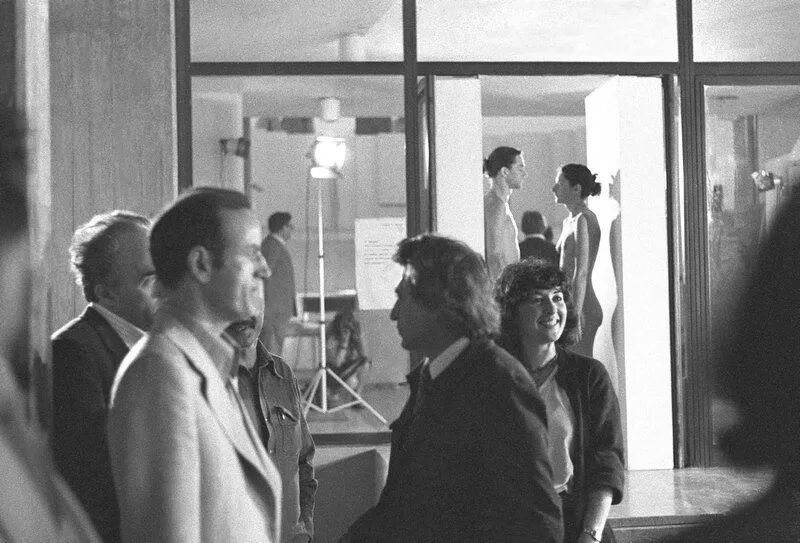
Another famous work of Abramović’s, made with her then-partner Ulay, Imponderabilia (1977), is likewise profoundly critical. The two stood naked, facing each other, on either side of a narrow museum entrance; the viewer had to squeeze between them to enter the gallery. This simple setup forced every viewer to choose: to pass facing the male or the female body? Quickly, or with hesitation? The work adroitly placed the question of bodily politics in public space before the viewer. It criticises society’s established norms regarding nudity, gender and personal space. Each viewer’s passage became a miniature social performance, exposing their internalised notions of gender and bodily taboo.
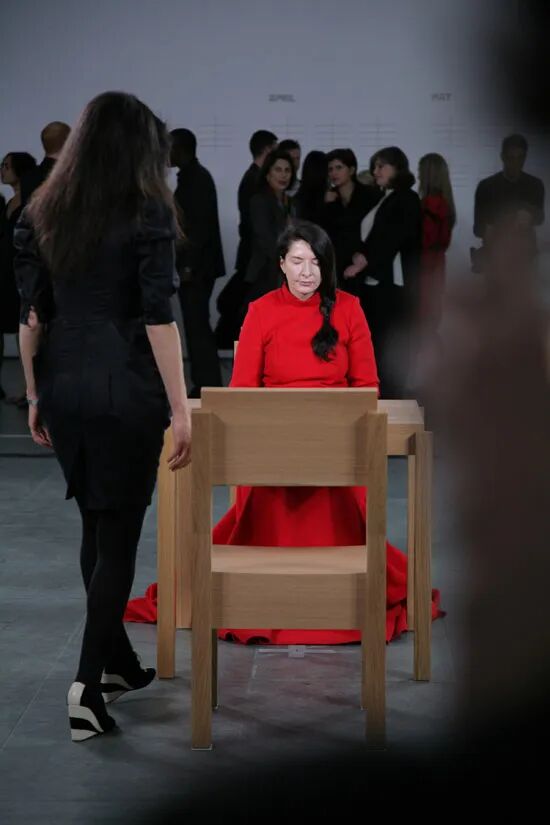
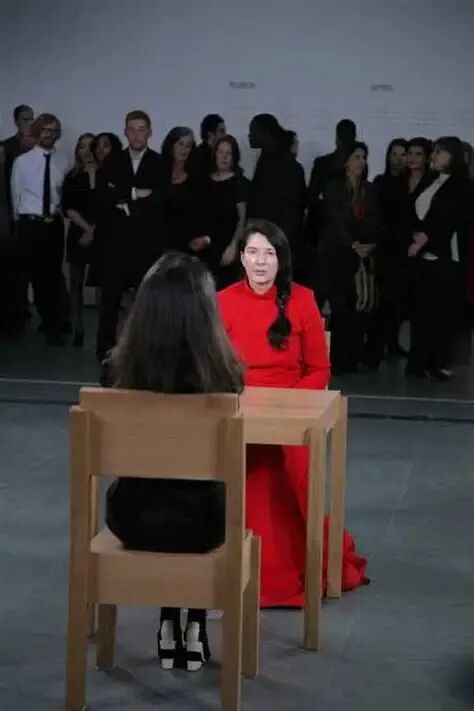
By 2010’s The Artist Is Present, Abramović’s criticality turned toward a more restrained, spiritual form. For over three months at the Museum of Modern Art (MoMA) in New York, she sat still for more than seven hours each day, holding a silent, one-to-one gaze with the thousands of visitors who queued to meet her. In an age of extreme noise and rapid consumption, this prolonged, pure “presence” and “gaze” is itself a powerful critique. It criticises the alienation of human relations and the fragmentation of attention in modern society. The work created a sacred field of emotional encounter, in which countless viewers wept before her gaze. It proves that art needs no elaborate props or violent action; merely through the most basic form of human exchange—the gaze—it can generate immense emotional and spiritual force.
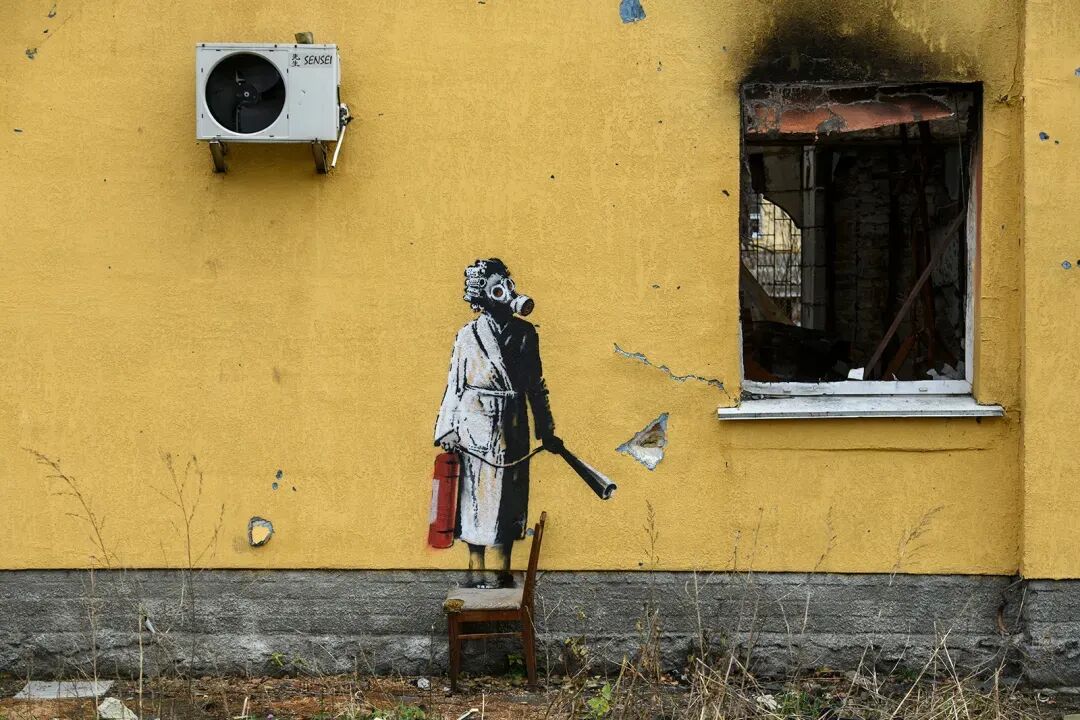
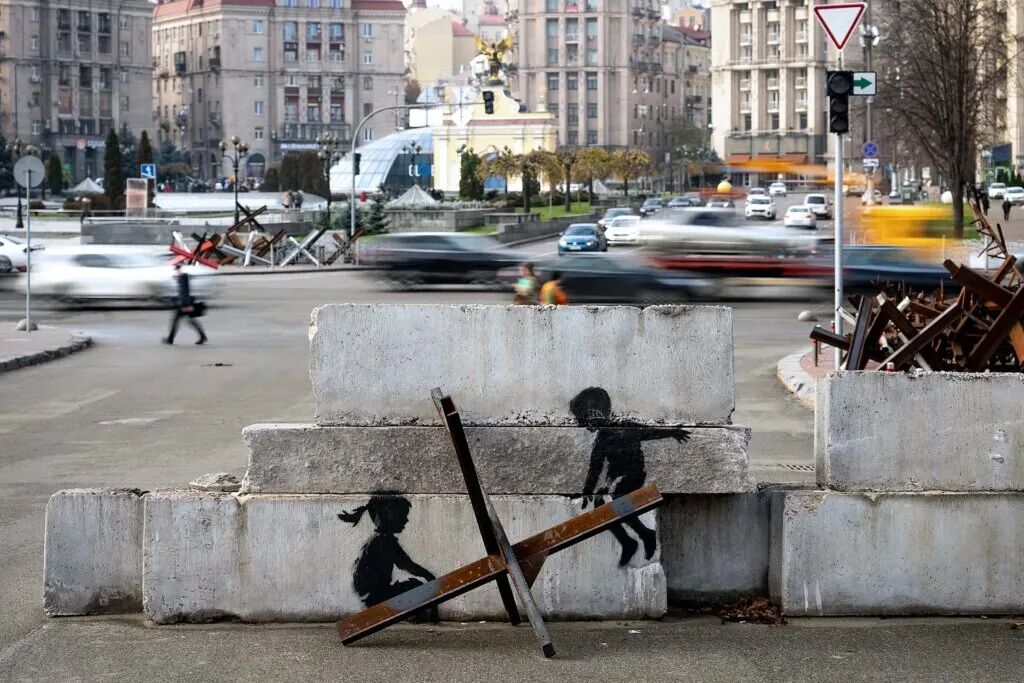
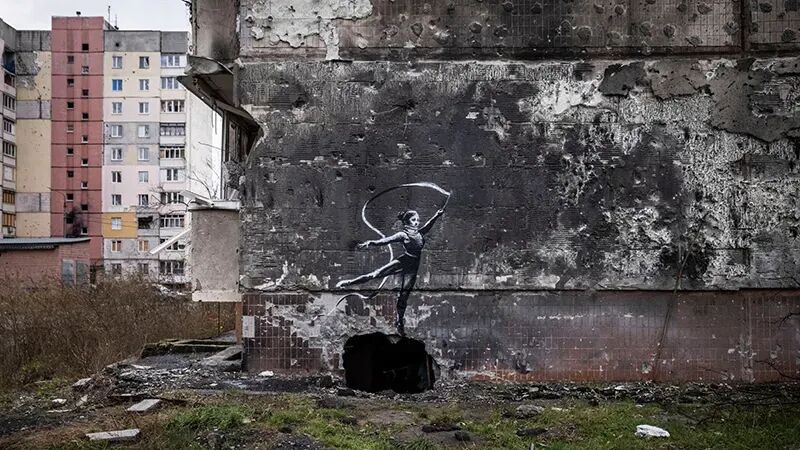
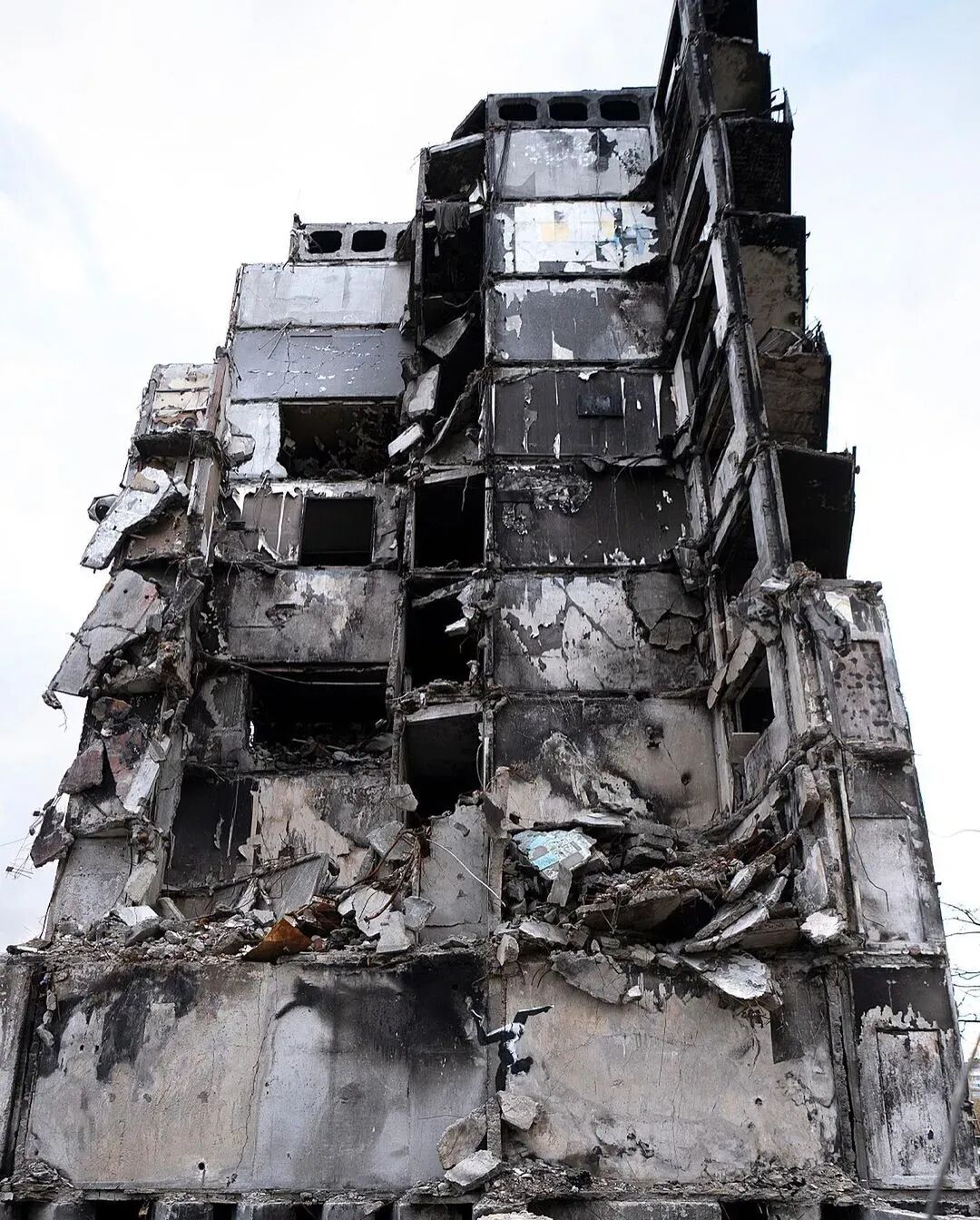
C. Banksy: Anonymity, Commodity Fetishism and Public Discourse
Banksy is a singular presence in the contemporary art world. He is at once a globally famous cultural icon and an anonymous “ghost” of unknown identity. His practice revolves around anonymity, public space and the critique of capitalism, building a supremely efficient and subversive methodology.
Banksy’s criticality is first evident in his deconstruction of the myth of the “author” and his contestation of public discursive power. By insisting on anonymity, he resists the art market’s logic of turning the artist into a star and a brand. The value of his work derives more from the disseminative and subversive power of the image itself than from the artist’s signature.
He chooses the street as his canvas, delivering his voice directly to the widest public, bypassing the elite “gatekeeper” system of galleries, museums, curators and critics. This “guerrilla” mode of practice is itself an open challenge to the hierarchical order of the “art field” described by Bourdieu. His work I Can’t Believe You Morons Actually Buy This Shit prints an image of an auction scene directly onto a print, accompanied by this mocking text, caustically criticising the blindness of art collectors and speculators.
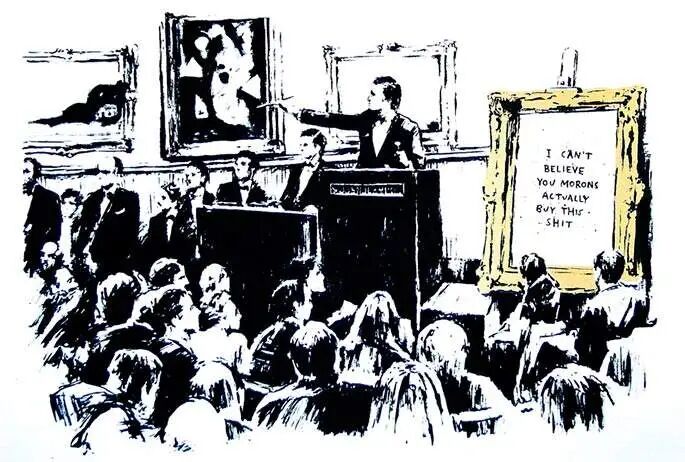
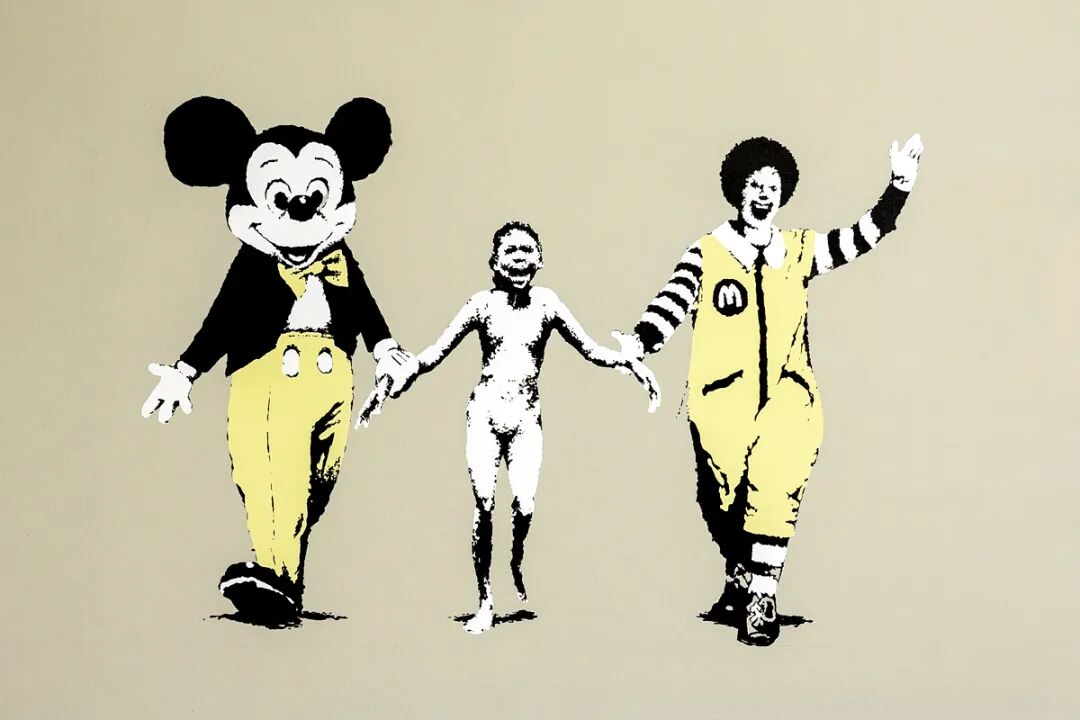
Secondly, Banksy’s criticality is deeply rooted in his satire of capitalism, consumerism and the politics of war. His visual language is simple and accessible, adept at using the rhetorical device of “juxtaposition” to produce irony. For instance, he paints kissing policemen, deconstructing the majesty of power; he paints Mickey Mouse holding an AK-47, criticising the confluence of American cultural imperialism and military hegemony; he paints a maid cleaning an “A” graffiti symbolising “anarchism,” exposing the labour concealed in class society.
One of his most famous works, Napalm (1994), appropriates the renowned photograph by AP photographer Nick Ut—The Terror of War (the “Napalm Girl”)—but adds figures of Mickey Mouse and Ronald McDonald on either side, each holding the girl’s hand. The image is chilling: it juxtaposes the horror of war and the suffering of a child with two great symbols of American consumer culture, profoundly criticising the hypocrisy of global capitalism and its indifference to violence.

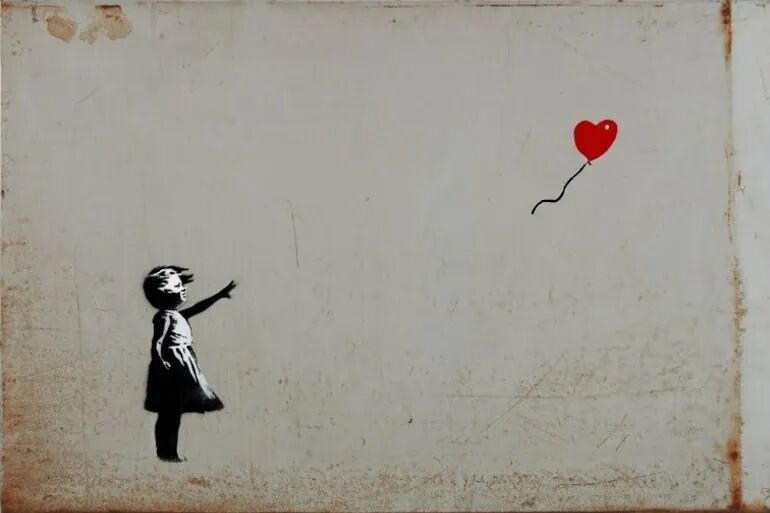
Finally, Banksy’s criticality is also evident in his continual provocation of artistic value and commodity fetishism. The self-destruction of his work Girl with Balloon at auction in 2018 was a perfect synthesis of performance art, institutional critique and media spectacle, sparking a global debate over whether artistic value resides in the material support or in the concept itself. Banksy’s practice proves that, in an age of highly developed media, critical art can achieve maximal disseminative effect and public impact by manufacturing “events” and “spectacles”; he is a “culture jammer” who understands the arts of communication intimately.
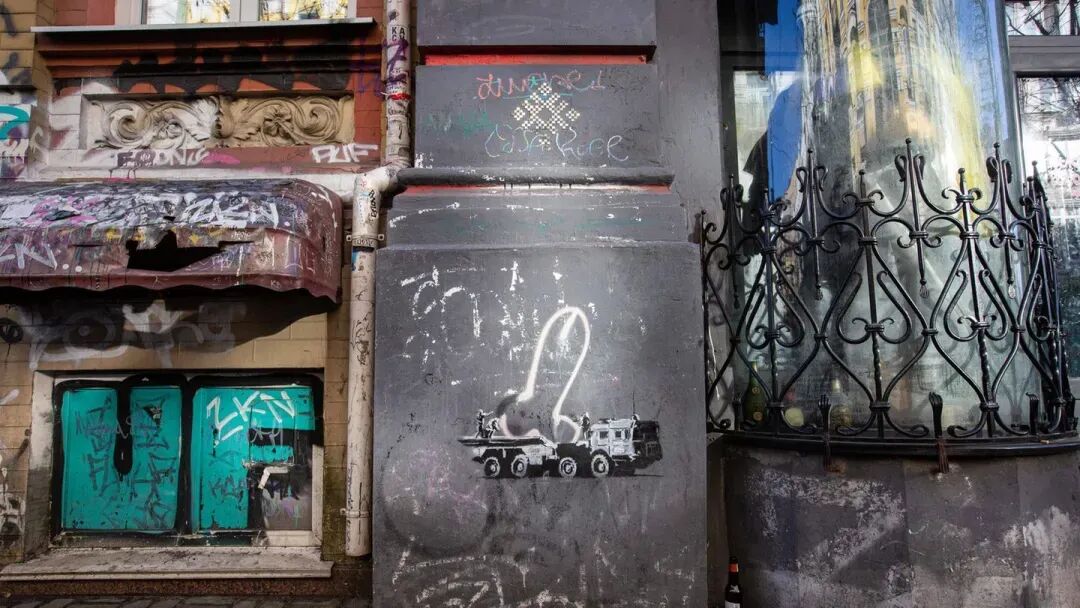
D. El Anatsui: The Aesthetics of Waste
El Anatsui’s practice shows us how, through a profound understanding of material and its creative transformation, one may weave a grand narrative of postcolonial history, globalisation and the environment. His works are at once visually staggering aesthetic artefacts and critical texts charged with the weight of historical memory.
The generation of Anatsui’s criticality springs from his choice of “material.” His best-known works are made of tens of thousands of discarded bottle caps—flattened, kneaded, then strung together with copper wire. These caps are “trash” readily to hand in Africa, yet in Anatsui’s hands they are transformed into shimmering, fabric-soft monumental “tapestries.” This act of turning waste into art is itself a “revaluation of value,” challenging the hierarchy between “noble” and “base” materials within the Western art system.
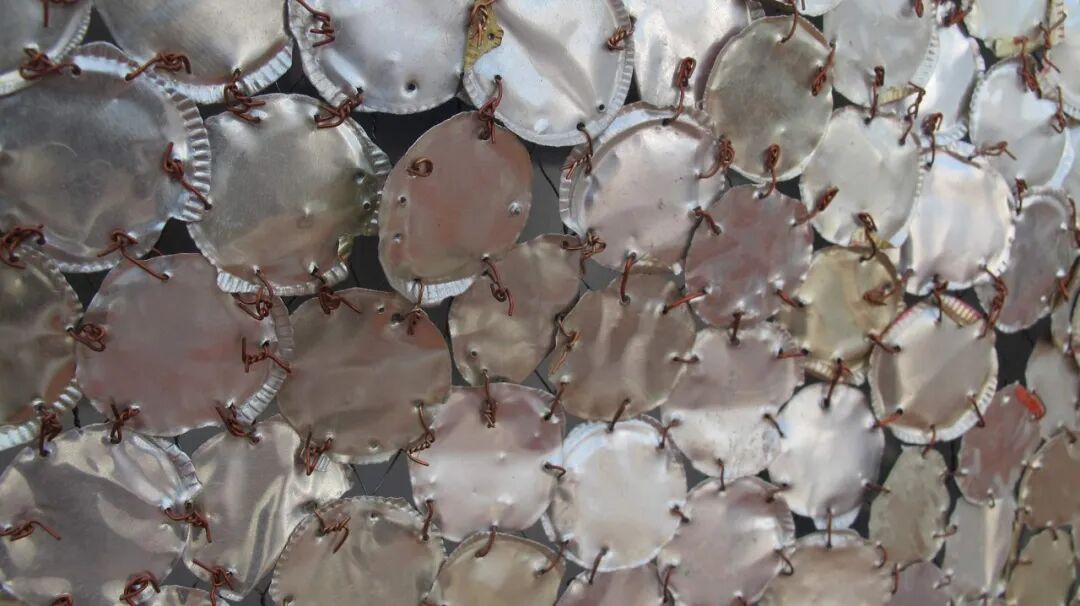
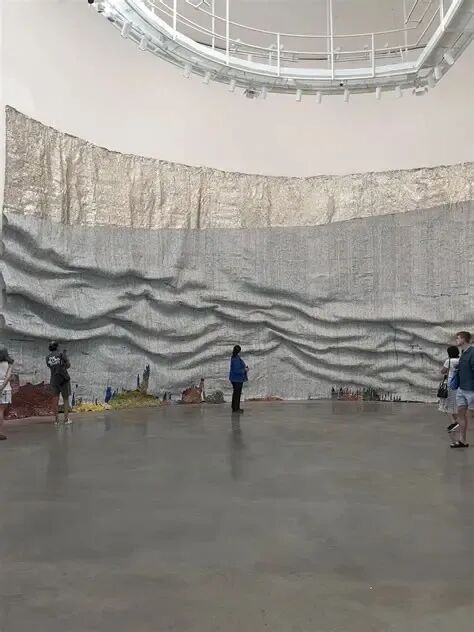
A deeper criticality lies in the history and social meaning carried by these caps. Alcohol, especially spirits, was one of the key commodities in the triangular trade (slaves, guns, alcohol) between Europe and Africa. It was both an instrument of colonial rule and a force that profoundly altered Africa’s social structure and culture.
Thus the shimmering caps in Anatsui’s work are in truth fragments of postcolonial history and the scars left by colonial trade. His work Between Heaven and Earth—even its title is charged with tension, suggesting that these materials connect both the “ground” of consumption and waste and the “sky” of spirit and history. The beauty of the work’s form, set against the humble origin of its materials and the violent history behind them, generates a powerful inner tension—precisely the “truth content” in Adorno’s sense.
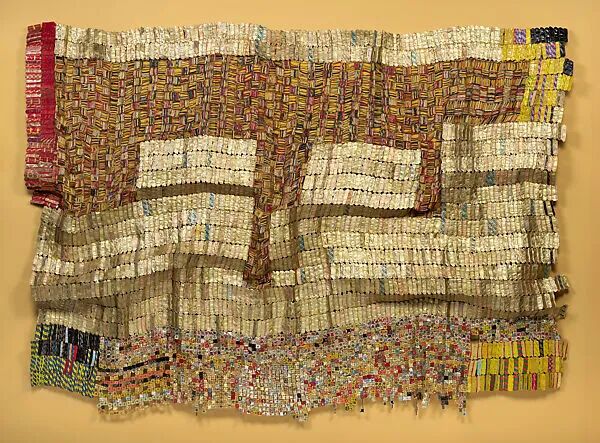
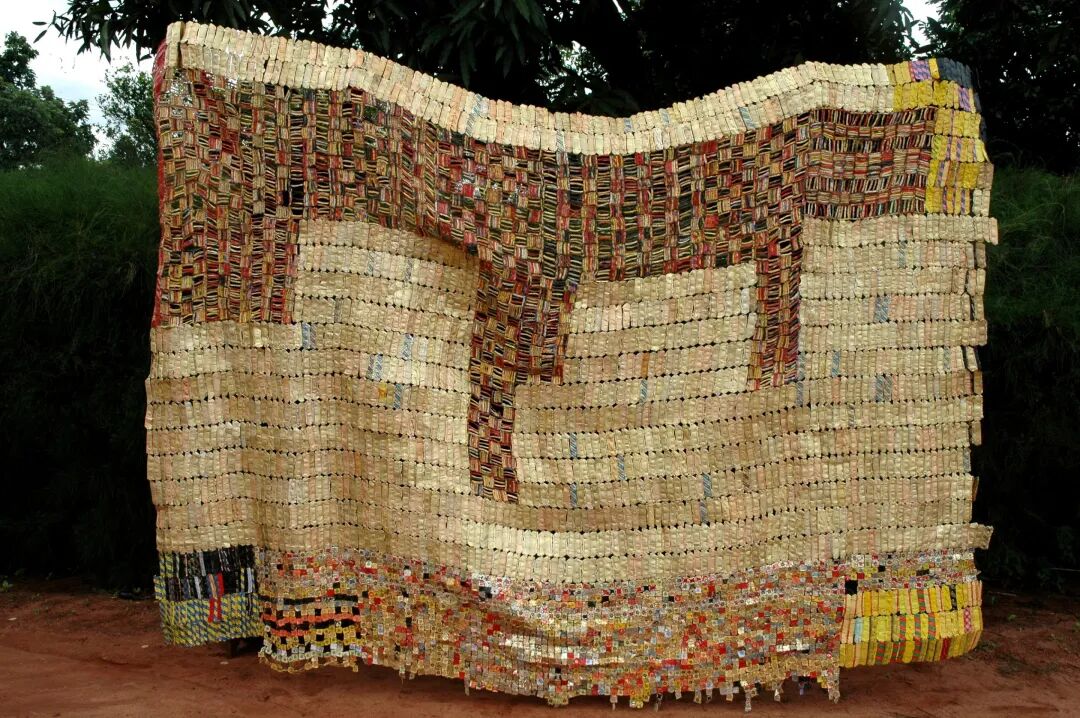
In exhibiting the work, curators are usually given great freedom to decide how it hangs, so that each installation takes a different form. This gives his work an openness and indeterminacy, refusing to become a fixed, ossified “masterpiece.” This renunciation of authorial control and of the work’s final form may be read as a subtle resistance to the art institution’s need for certainty and control. Anatsui’s art shows us that postcolonial critique need not be realised only through direct political imagery; it can be lodged deeply in the choice of material, the construction of form and the process of making, unfolding its profound critical force in a more poetic and restrained mode.
Conclusion: Critical Practice as Sustained Reflection
Through the systematic mapping and in-depth analysis above, we can sketch a path—complex yet still clear—for the generation of criticality in contemporary art. This path begins with the mastery of theoretical weaponry, requiring the artist to possess an interdisciplinary intellectual horizon, adeptly wielding the Frankfurt School’s social-critical theory, post-structuralism’s tools for analysing power, and the subversive perspectives of feminism and postcolonialism, to arm their own mind.
On this basis, the three-stage practical methodology of “observation–intervention–translation” proposed in this essay offers artists an operable procedure for translating theoretical reflection into concrete creative action. Stage One, “critical observation,” stresses that the artist must cultivate a “defamiliarising” eye, to discern the fractured folds within the social fabric, the traces of discursive power, and the suppressed voices at the margins. Stage Two, “critical intervention,” explores how the artist chooses an apt strategy—whether through appropriation and parody, the extreme performance of the body, the occupation of public space, or the critique of the digital field—to effect an effective semiotic intervention in reality. Stage Three, “critical translation,” focuses on art’s central question: how to translate critical ideas effectively into a powerful artistic formal language, whether by activating the politicality of the material itself, adopting a “de-articised” presentation of concept, or constructing a dialogic structure that invites the viewer’s participation.
It must be emphasised that what this essay offers is not a manual capable of producing “critical art” once and for all. “Criticality” is in its essence a never-satisfied, never-ceasing process of self-reflection and self-transcendence. A critical strategy that seemed subversive yesterday may by today have grown stale, even co-opted by the institution. Thus the true challenge for the contemporary artist of the future lies not merely in mastering existing critical methodologies, but in remaining constantly vigilant, perpetually subjecting their own era, their own language and the institutions they rely upon to a continuous “negation of the negation.”
The ultimate aim of contemporary art may not be to provide definite answers but to pose the right questions. It is not to topple everything, but to reveal the structures that have been obscured; it does not merely moralise to the viewer, but opens an independent space in which they may think and feel freely. In this sense, a work of profound criticality is like a carefully cast mirror: it reflects not only the symptoms of our age but also prompts each of us to examine ourselves before it. For those who aspire to this, the path of mirror-casting is undoubtedly full of challenge—yet it also leads to the most exhilarating heights of thought and spirit that contemporary art can reach.
订阅艺术评论
订阅即赠《2024中国当代艺术关键词》内部思考笔记 PDF
每周免费获取最新当代艺术批评与研究