Preface
Imagine, for a moment, that we are standing in the halls of this year’s Art Basel. The air is not scented, as it is in an artist’s studio, with the familiar smells of turpentine and linen, but with a specially compounded fragrance of money, of expensive perfume, and of expectations about return on investment. This place, once celebrated as a temple where the global art world’s ideas collided, now resembles a supremely luxurious, duty-free shopping mall tailored for the world’s richest one per cent. The vast white walls stand like cold, smooth tombstones, hung with the “masterpieces” crowned by capital. Perfectly lit, glittering with the aura of assets, they radiate little warmth of the soul. Visitors and would-be buyers move briskly in their suits; the time their eyes linger on a work often depends on the number of zeros on its tag. Conversation no longer turns on aesthetic revolution or social critique, but on an artist’s market “upward trajectory”, the auction house’s guarantee price, and how to avoid tax through a freeport.
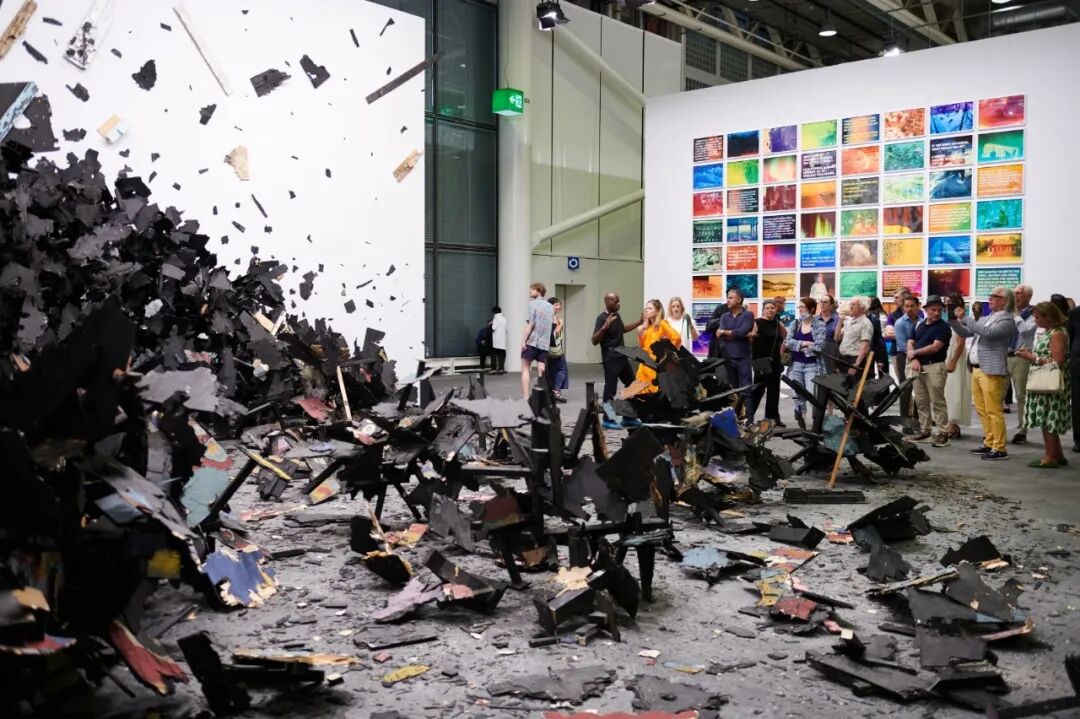
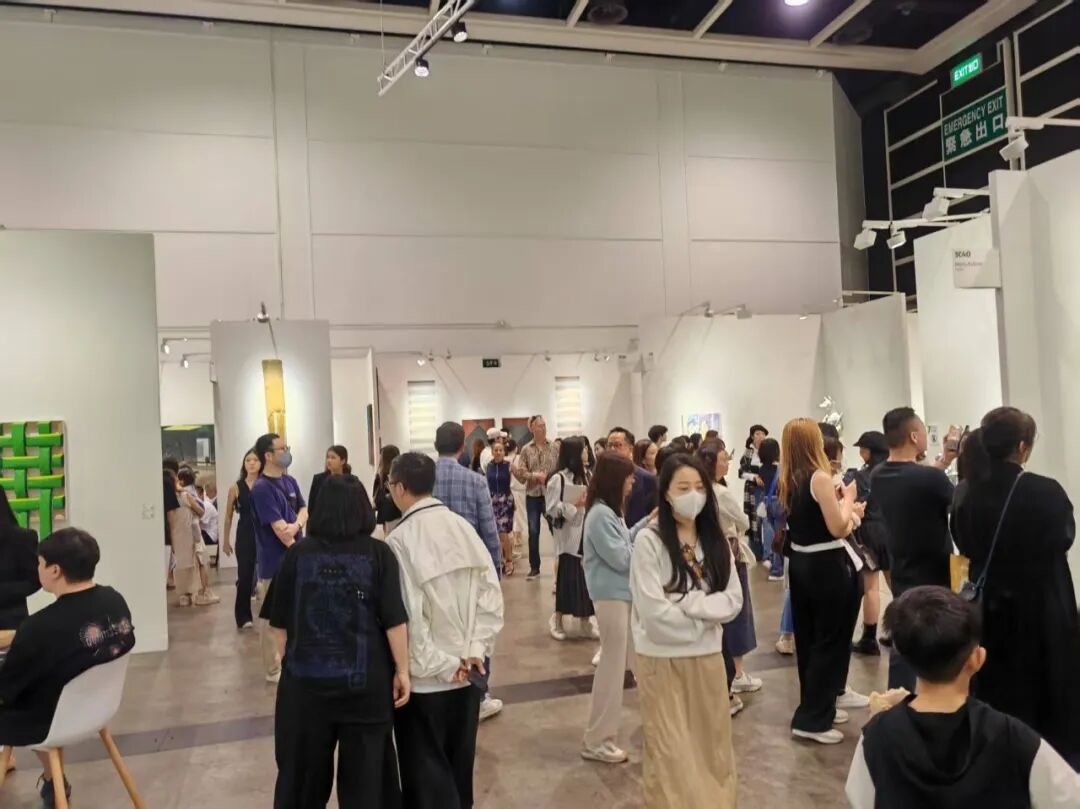
This is not a celebration of art but a gilded mortuary. In a sense, what is displayed here are “safe” artworks tamed by the logic of capital, screened by market algorithms, stripped of every edge and every offence. They are visual luxury goods, perfect wall-fillers, and the elite’s unspoken badge of status. And the masters of ceremony at this grand funeral are the super-galleries whose names ring out everywhere: Gagosian, Hauser & Wirth, Pace, David Zwirner. These institutions long ago outgrew the definition of a traditional gallery; most are conglomerates of multinational corporation, art bank, cultural trust and power-broker. They are no longer the midwives of art, but its gatekeepers, its animal-trainers, and, in the end, its reapers.
This essay sets out to expose the internal logic of this system and its devastating consequences. The process of “Walmartisation” led by the super-galleries is systematically destroying the diversity of the artistic ecosystem. Just as Walmart, through its unrivalled economies of scale, its absolute control of the supply chain and its standardised goods, strangled countless distinctive family-run shops, the super-galleries are driving the vibrant, risk-taking mid-size galleries to extinction by monopolising top artists, seizing control of the discourse in the secondary market, and promoting a globally homogenised “safe aesthetic”.
This is a tragedy of how capital’s endless thirst for certainty stifles the uncertainty that artistic creation requires. When every gallery, every collector, even the artists themselves fix their gaze on a handful of blue-chip artists proven to have “investment value”, we cannot help but ask: is there any room left for the experimental, the obscure, the non-commercial, the offensive art that truly reflects the complexity and the painful truth of our age? If we stay silent about this, then in the near future art will completely lose its functions of critiquing reality, consoling the soul and exploring the unknown, and will be reduced entirely to an exquisite chip in capital’s game of self-multiplication. History will record this era’s astronomical transactions, yet find no trace of its spirit.


Walmart operates more than 10,900 stores worldwide, across 19 regions, making it the largest brick-and-mortar retailer, with 2.1 million employees globally.
I. To understand the collapse of today’s art ecosystem
To understand the collapse of today’s art ecosystem, one must first dissect its core of power — the super-gallery.
These institutions are no longer simple intermediaries selling artworks; they have evolved into an entirely new power complex, whose mode of operation fuses the traits of the multinational corporation, the financial institution and the cultural oligarch. Their core driving force is not a love of art but the cold will of capital’s expansion.
(1) An imperial map: art as a tool of global asset allocation
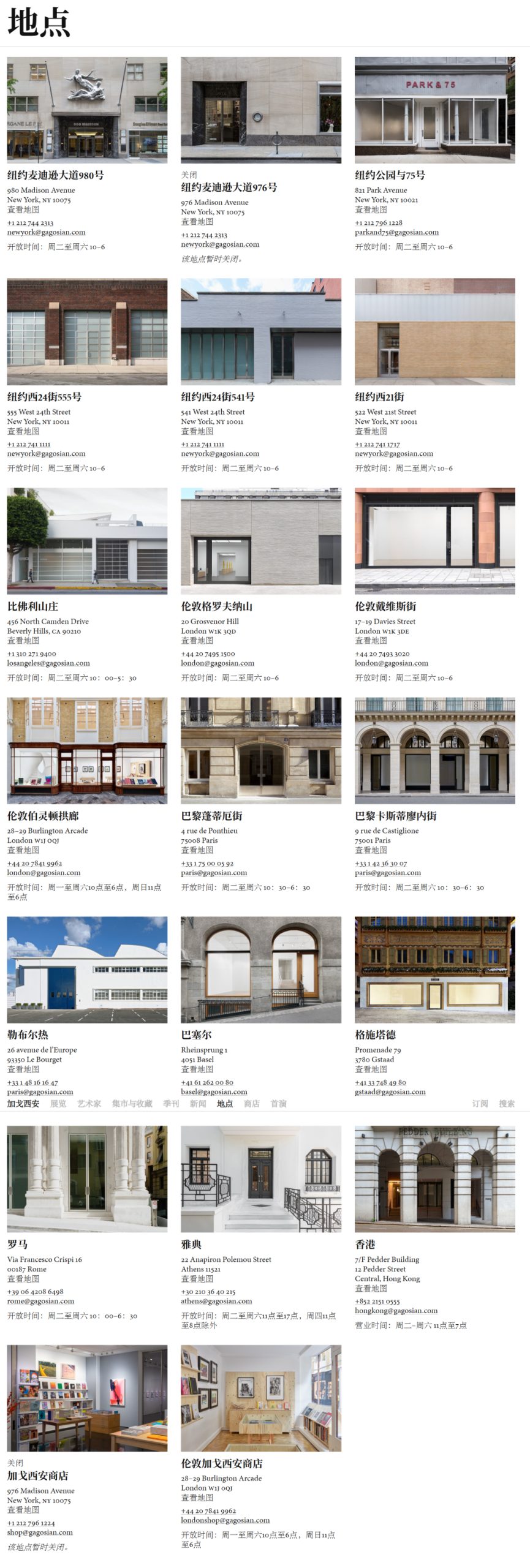
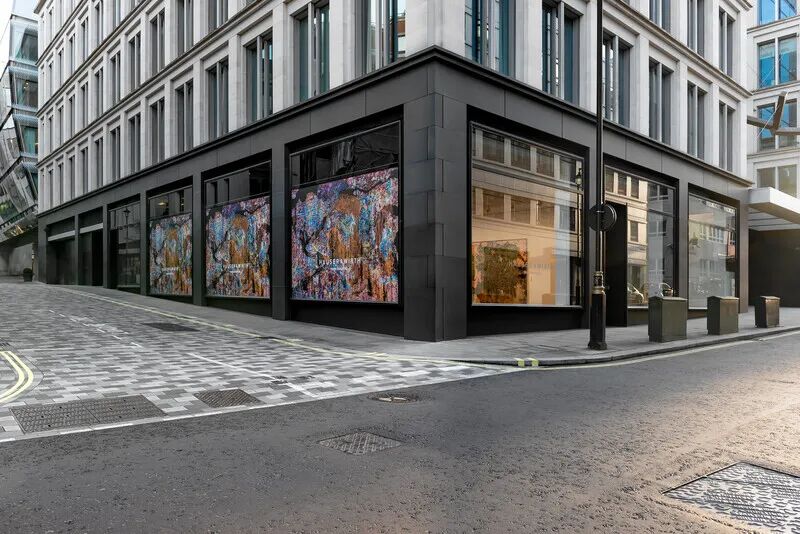
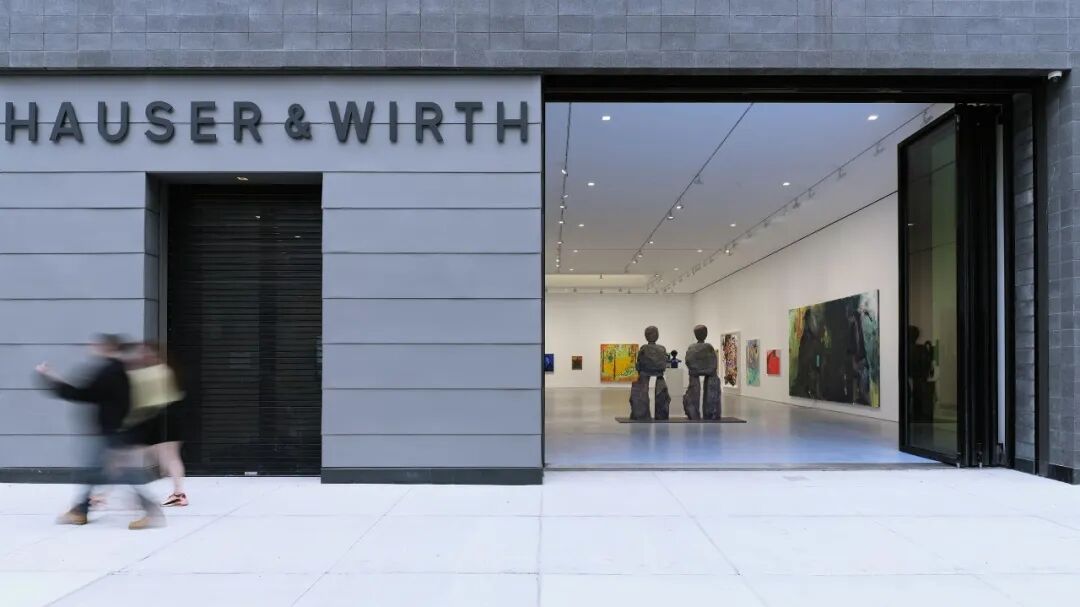
The power of the super-galleries is first visible in the global layout of their physical spaces. Gagosian commands nearly twenty spaces worldwide, from Madison Avenue in New York to Mayfair in London, from the Champs-Élysées in Paris to Central in Hong Kong; its siting strategy makes clear that it serves not a local art community but a globally mobile capitalist class. Hauser & Wirth, David Zwirner, Pace and others follow a similar path of expansion, erecting “flagship stores” in the world’s financial centres whose architectural specifications rival those of small museums.
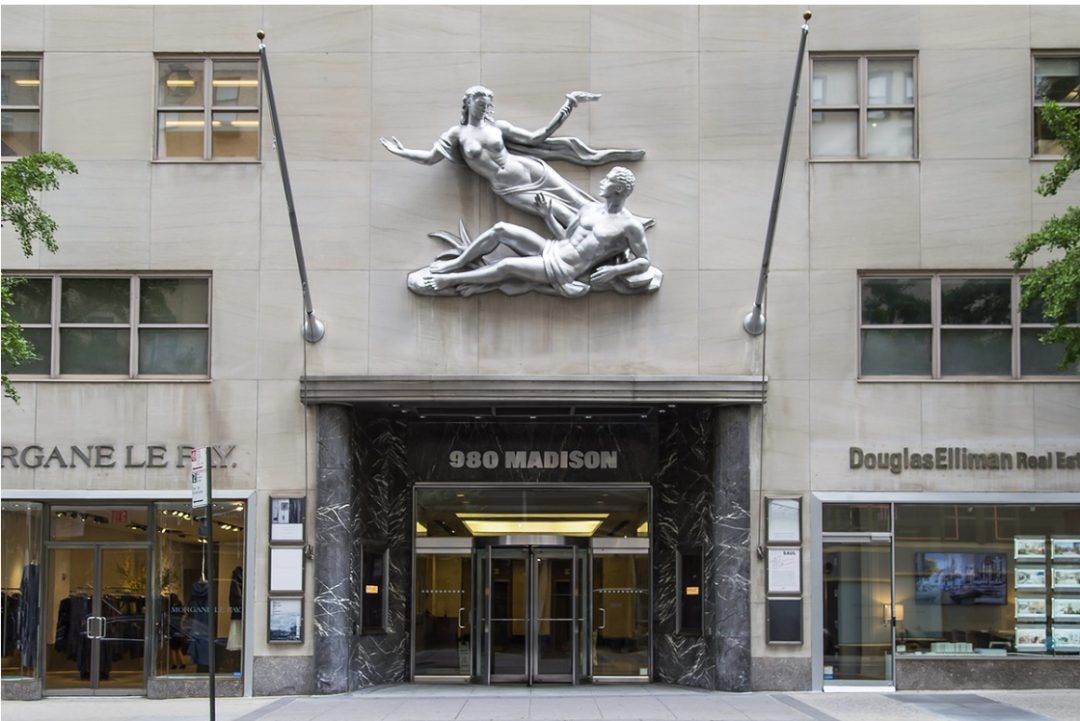
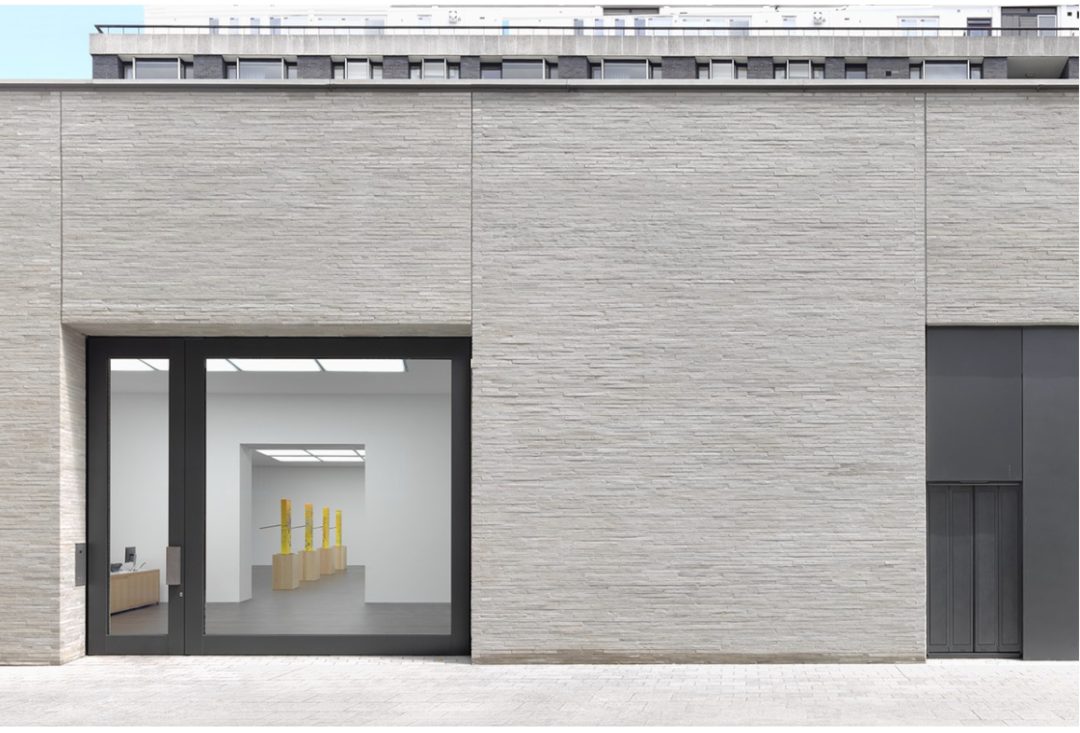
Behind this spatial layout lies a profound shift in commercial logic. What the super-galleries sell has long ceased to be merely the artwork itself, and become a financial product called “global liquidity” and “a sense of asset security”. A work bought in New York, for instance, can easily be resold at a fair in Hong Kong or stored in a freeport in Geneva, its value underpinned by a global, highly coordinated market system. For the global rich who seek to diversify their assets and hedge risk, a painting kept in a climate-controlled warehouse is in essence no different from a share certificate or a gold bar.
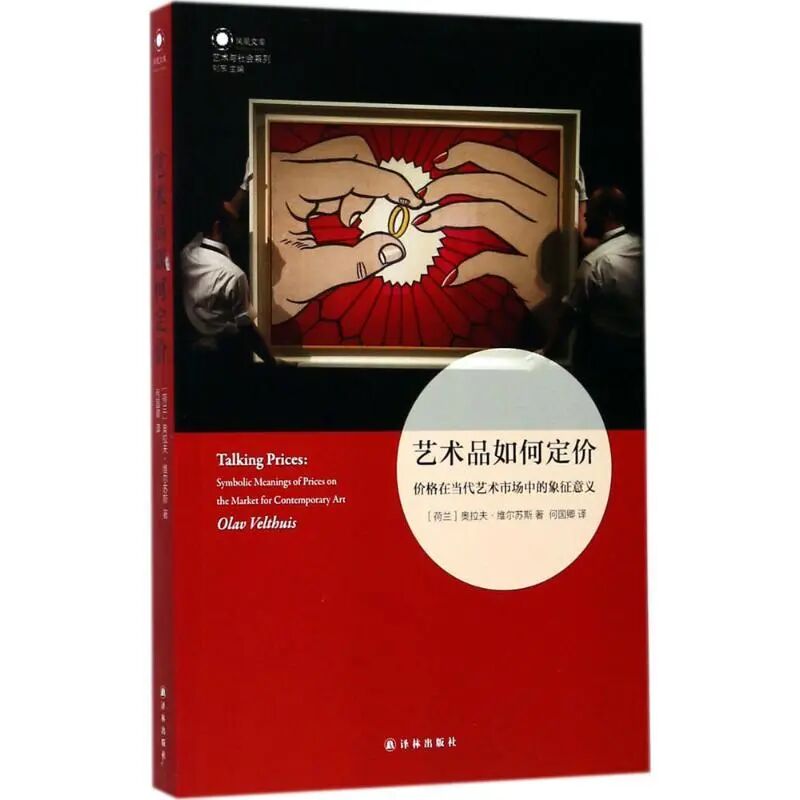
The sociologist Olav Velthuis writes in his book Talking Prices that the price of an artwork is not merely an assessment of its aesthetic value but a complex social construction, one that incorporates a consensus about the artist’s reputation, the gallery’s brand and expectations of the future market. The super-galleries are precisely the makers and final arbiters of that consensus.
Their vast global networks ensure that the artists they represent are exposed simultaneously in the most important markets, maximising the manufacture of demand. An exhibition can open at the same time in London and Los Angeles, with an accompanying scholarly symposium in Paris, while Asian collectors preview it through the Hong Kong space. This global operating capacity is beyond the reach of any mid-size gallery; it raises an insurmountable moat that divides the art market into two worlds: the world of the super-galleries and the world of everyone else.
If global expansion is the super-galleries’ horizontal extension of power, then the monopolistic representation of deceased masters’ estates is the bedrock of their vertical power. This is a modern “enclosure movement” in the art world: by controlling the sources of art history, it secures a continuous cash flow and an unrivalled market position.
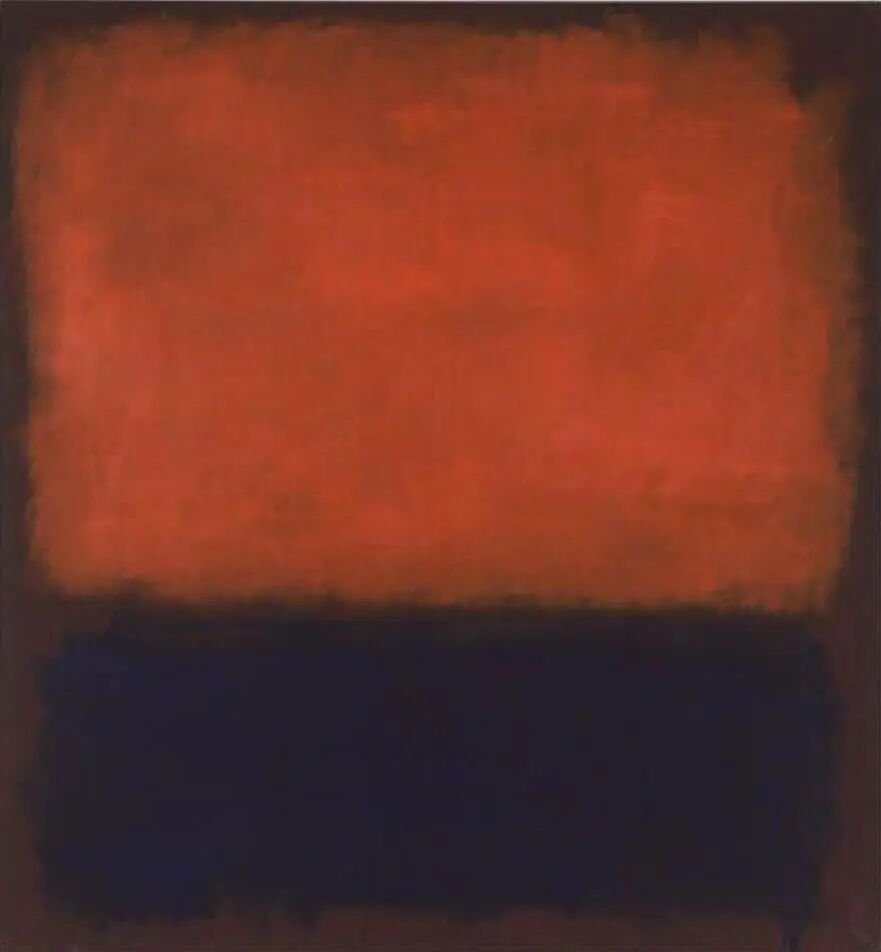
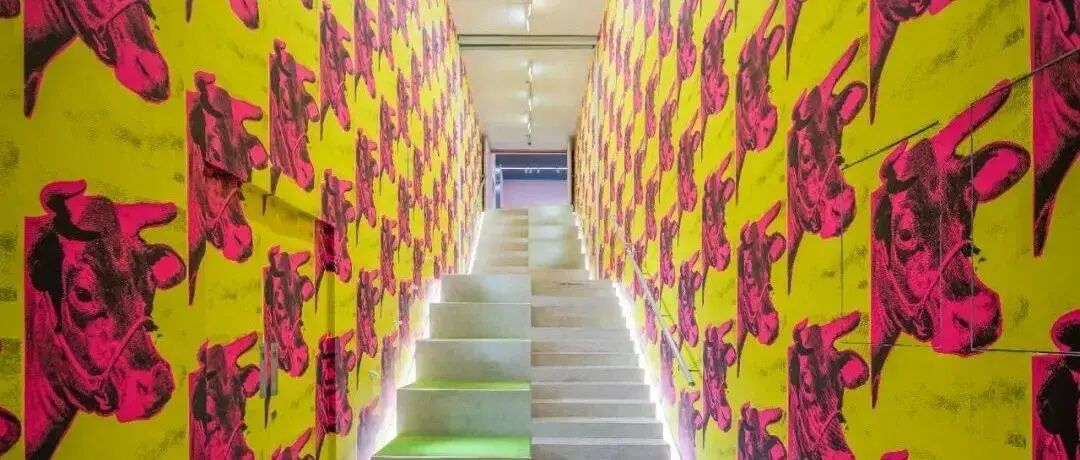
When an artist dies, the organisation, authentication, exhibition and sale of their work passes to their heirs or to a foundation they set up. Relying on their vast capital, their global exhibition networks and their deep museum connections, the super-galleries have become the ideal commercial partners for these artists’ foundations. Hauser & Wirth represents the estates of dozens of major artists including Philip Guston and Eva Hesse; Pace has long managed parts of the Rothko and Alexander Calder estates; Gagosian maintains close cooperation with the foundations of art-historical titans such as Picasso and Andy Warhol.
The power of this model of cooperation is staggering.
First, the market value of the masters’ works is relatively stable and high, making them the gallery’s most reliable source of income. The sale of a single Picasso or Warhol can exceed a mid-size gallery’s entire annual turnover. This steady, almost risk-free income provides the super-galleries with the substantial capital to wage their “war” on the contemporary art market. They can use it to pay astronomical art-fair booth fees, to mount museum-grade exhibitions for young artists, and, most importantly, to poach the rising stars who first emerged at mid-size galleries.
Second, representing the masters’ estates greatly enhances the gallery’s brand credibility and academic standing. When a gallery’s name stands alongside Picasso’s and Rothko’s, it is no longer merely a merchant but is invested with the aura of a guardian of art history. This symbolic capital, as the sociologist Pierre Bourdieu put it, “can easily be converted into economic capital”. When a gallery representing the Rothko estate recommends an unknown young abstract painter to a collector, the weight and credibility of its words are beyond the reach of any ordinary gallery. It implies a historical lineage, a guarantee of quality, and thus greatly lowers the resistance to selling new work.
By monopolising these deceased masters’ estates, the super-galleries in effect control a share of the narrative right over art history. They can decide which works enter the market, at what price, and which institutions collect them. This control over the past becomes their most powerful weapon for shaping the future, giving their adventurous and speculative moves in the contemporary sector an impregnable backing.
(3) The curators’ slide into servitude: the erosion of scholarly independence
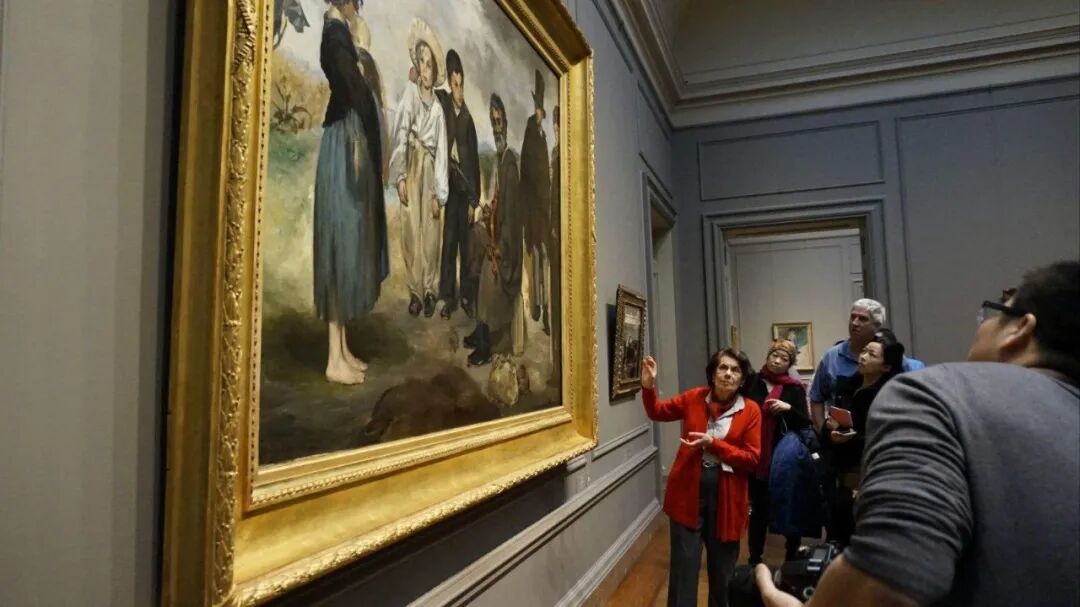
The value of an artwork depends to a great extent on the endorsement of the scholarly system. And the museum, above all the top public museums, is the core of that system. Yet within the super-galleries’ power network, the independence of museums is being quietly eroded, and the curator — a role that should preserve scholarly neutrality — faces the danger of being reduced to a house servant.
The “revolving-door mechanism” is an open secret in the art world: out of one door, in through the other. Many curators at top museums, having accumulated enough prestige and connections, jump ship to super-galleries as senior directors or partners. They bring immeasurable resources: a deep understanding of how museums operate, personal ties with global collectors and museum colleagues, and, most importantly, that halo of “scholarly correctness”. For example, Klaus Biesenbach, former director of MoMA PS1 in New York, joined Galerie Max Hetzler after leaving the Neue Nationalgalerie in Berlin, while David Zwirner has absorbed curatorial talent from major museums around the world — a very common phenomenon.
This movement of personnel runs in both directions, and its effects are subtle. When a curator knows that their future career may lie in a super-gallery, can they still maintain a fully objective critical stance toward the artists that gallery represents when curating an exhibition at a museum? When a museum seeks sponsorship for a major show, the cash-rich super-gallery is naturally the partner of first choice. These intricate ties of interest make it very hard for museums to free themselves entirely from the super-galleries’ influence in matters of exhibition selection and acquisition.
The result is that scholarly independence has in large part become a footnote to the galleries’ power to set prices. A solo show at Tate Modern or the Centre Pompidou, which should be the highest affirmation of an artist’s scholarly value, is now often read by the market as a perfect “price-boosting operation”. As the exhibition opens, the prices of the artist’s works in the gallery rise in response; the valuation of contemporary art is ever more deeply bound up with the logic of financial capital, and scholarly discourse is no longer the market’s guide but rather its ratifier and embellisher.
In this way the super-galleries have successfully converted public, non-profit scholarly resources into private, profit-seeking commercial advantage. They have not only beaten their rivals commercially but also, in terms of discourse, imposed a “top-level design” on the entire art ecosystem, ensuring that their commercial interests are packaged as indisputable art-historical verdicts. This leviathan of power thereby realises its global map, its monopoly over history and its penetration of scholarship, building an impregnable empire.

II. In the shadow of the super-galleries
In the shadow of the super-galleries, the most direct and most tragic victims are the mid-size galleries, a crucial link in the healthy circulation of the entire art ecosystem. They were once the “middle class” of the art world, the bridge connecting raw art-school graduates to the mature art market, the guardians of artistic diversity. Yet in this winner-takes-all age they are disappearing at an unprecedented rate. Their tombstone is inscribed with a tragedy of systematic plunder.
(1) The tragedy of the “incubator”: discovering, nurturing and tolerating failure
Historically, the mid-size galleries have played a vital “incubator” role. Most of their owners are genuine art lovers, with a keen eye and a willingness to take risks. They are prepared to step in at the artist’s most immature, least marketable stage, to offer a first or second solo show, to help build a CV, and to introduce them to critics and early collectors. The process is full of uncertainty; the owner invests enormous time, money and feeling, with no guarantee of any return.
A young artist graduating from art school generally needs several years, even more than a decade, to form their own distinct artistic language. In that time they may try different media, undergo failed creations, and challenge mainstream taste. The mid-size gallery is precisely the refuge willing to “tolerate failure”. It does not demand that the artist sell out the first show, nor force them to replicate fashionable styles. Its function is to feed a constant stream of fresh blood into the art ecosystem, the “venture capitalist” of art. Many artists now priced at millions of dollars in the super-galleries began their careers in an obscure mid-size gallery that may well have since closed.
Yet this niche is being ruthlessly squeezed. The incubator’s tragedy is that it bears the highest risk in the nurturing process yet enjoys none of the greatest fruits of success. In a healthy ecosystem, the relationship between gallery and artist is a long-term, mutually trusting partnership. The gallery’s early investment is repaid through sales once the artist becomes famous, and that return can then support the next, younger generation of artists. This is a sustainable cycle. Today, however, that cycle has been violently broken.
Predatory poaching is the most direct cause of the mid-size gallery’s death. The mechanism is cold and efficient, almost formulaic. When an artist, nurtured over several years with a mid-size gallery’s support, has gradually built a reputation, their prices have entered a critical range, and they begin to attract museum shows or the attention of major biennials, the super-gallery’s “radar” goes off.
What follows is a war of unequal strength. Representatives of the super-gallery contact the artist directly, armed with weapons the mid-size owner cannot match. First comes a huge advance payment or living allowance, letting the artist set aside livelihood worries for years and focus on making work. Second is an irresistible exhibition opportunity: these galleries promise simultaneous solo shows in New York, London, Hong Kong and elsewhere, with a beautifully printed catalogue written by a famous critic. Third, and most fatal of temptations, is the promise — drawing on deep ties with the world’s top museums — of a museum solo show. For any artist this is the “Holy Grail” of a career.
Faced with such “sugar-coated bullets”, few artists can refuse. This is not a simple moral betrayal but a rational choice within a grossly unequal power structure. An artist leaving the mid-size gallery that nurtured them for years is like a player who shines in a small-town top division being spotted by a giant club such as Real Madrid or Manchester United. Staying put means a visibly low ceiling on one’s career; leaving means a golden staircase to the global stage.
This poaching is devastating for the mid-size gallery. Years of the owner’s labour come to nothing; they lose not only an important source of income but the core asset of the gallery’s brand. Worse still, it sets up a vicious circle. When collectors see that a mid-size gallery cannot hold on to its most successful artist, they are no longer willing to invest here in younger artists’ work, because they foresee that once the artist succeeds they will in any case end up buying the more expensive mature work from a super-gallery. The mid-size gallery thus has the rug pulled from under it, losing both its future “cash cow” and its present sales. Above all, since every year art academies produce ever more graduates — many future artists — the mid-size galleries can only increasingly fall back on reducing trial-and-error and squeezing the young.
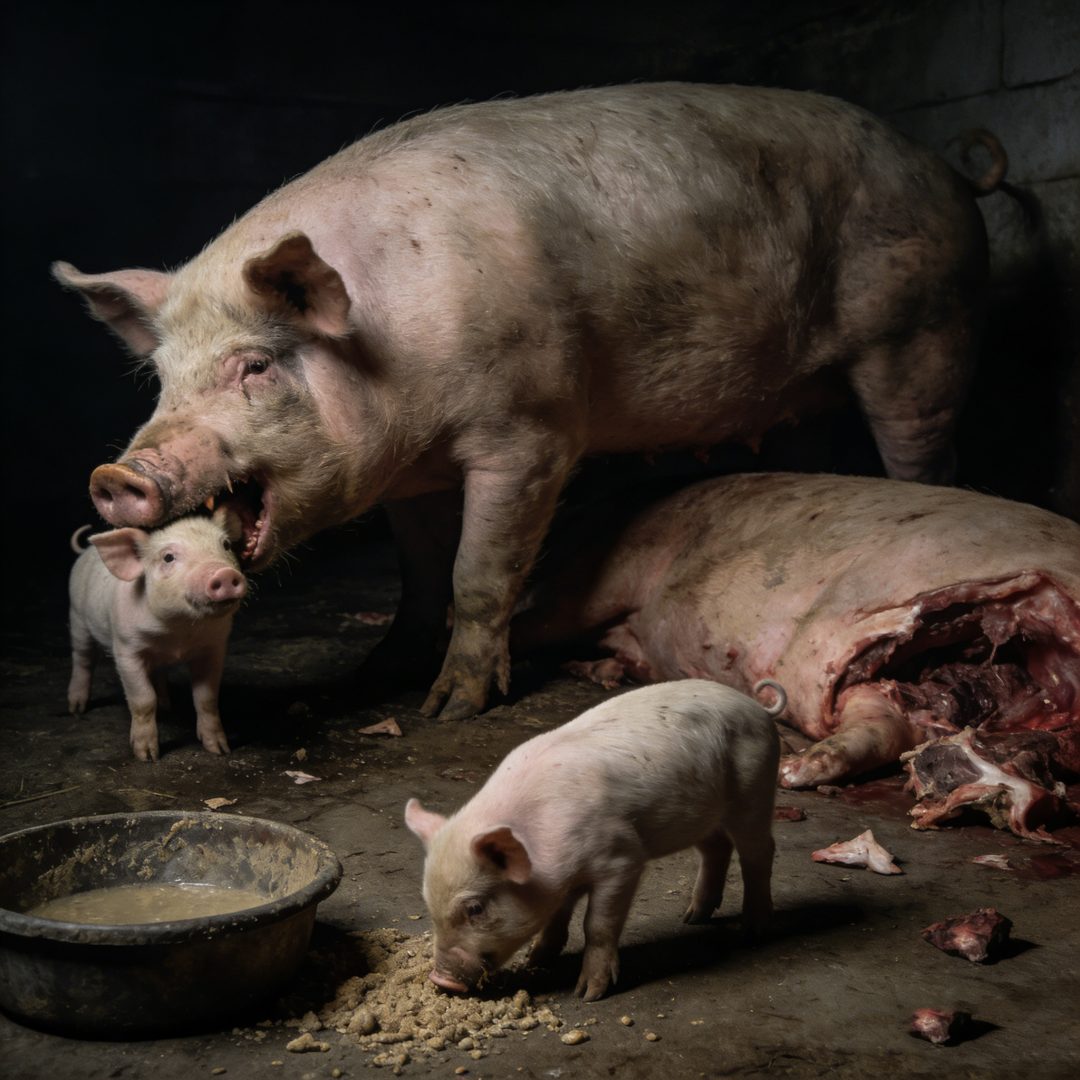
Beyond having the rug pulled from under them, mid-size galleries also face ever heavier pressure from operating costs. This is a noose that keeps tightening, narrowing an already fragile living space.
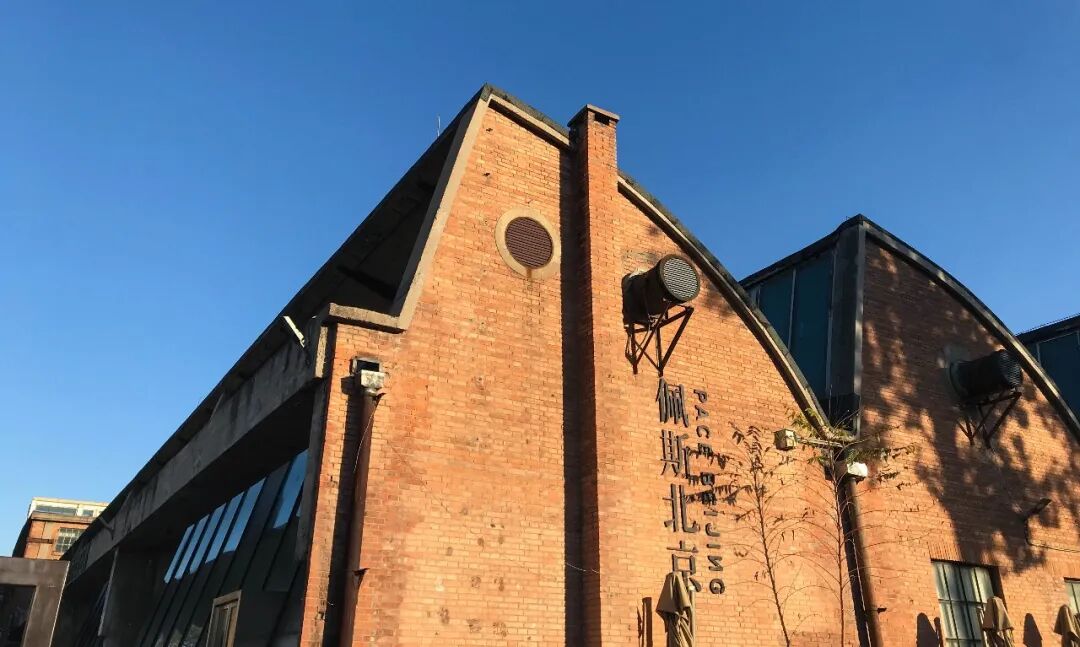
First is the rent on space. Especially in core art districts such as Chelsea in New York, Mayfair in London and 798 in Beijing, the relentless rise in rents has become the last straw that breaks many galleries. These districts underwent rapid development, and the art galleries themselves were, ironically, both the catalyst and the victim of that process. They raised the neighbourhood’s value with their cultural vitality, only to be forced to move away or close because they could no longer afford the inflated rents.
Second is the cost of attending top art fairs. In the contemporary art world, the art fair has replaced the biennial as the most important platform for display and sales. But for a mid-size gallery, attending a Basel or Frieze fair, or a domestic art fair, is almost always a gamble. The fee for a standard booth, the transport and insurance of the works, the travel and lodging of staff — together these routinely run well into the hundreds of thousands. According to the 2025 Global Art Market Report published by UBS and Art Basel, for large galleries with annual turnover above 10 million US dollars the fair is an important source of sales, accounting for nearly half of annual turnover, yet for small and mid-size galleries this outlay can consume most of the year’s profit. If sales during the fair are poor, a single appearance can plunge the gallery into serious financial crisis.
More serious still, according to market-report data from Western countries, the entire art market shows a trend of polarisation. Although in 2024 the sales of small galleries (defined as annual turnover below 250,000 US dollars) grew by 17 per cent, the sales of galleries with turnover between 5 and 10 million US dollars fell by 3 per cent, and those of top galleries above 10 million US dollars dropped by as much as 9 per cent. This seemingly contradictory data precisely reveals the mid-size gallery’s predicament: the high end of the market has contracted under macroeconomic uncertainty, while the low end, though active, yields thin profits. The mid-size galleries are caught exactly in the middle, unable to reach the stable profits of the high end and forced to compete in an ever more costly low end against countless smaller, more flexible institutions. This “middle squeeze” is becoming the norm.
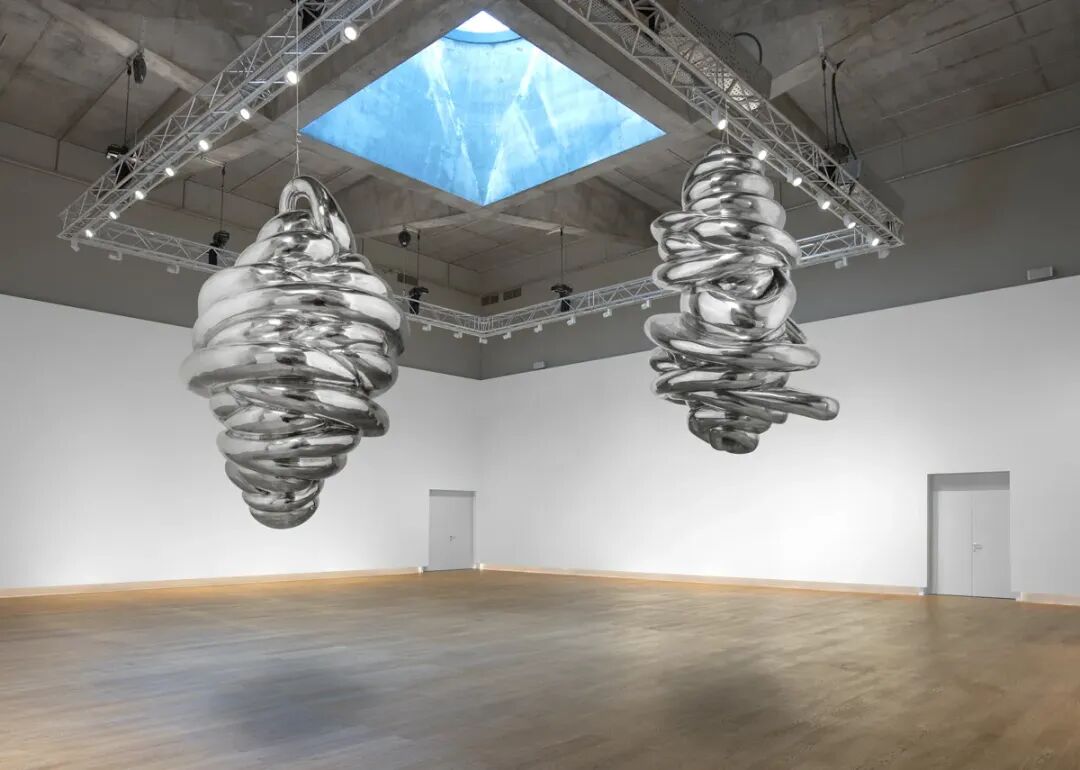
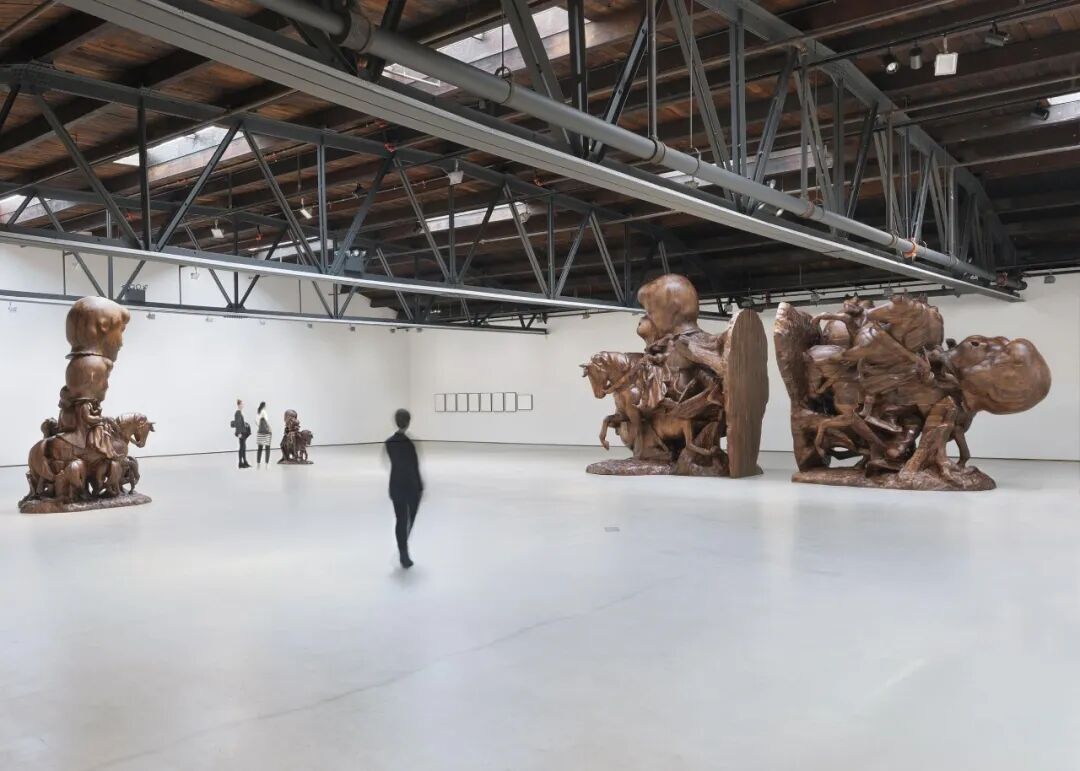
III. The crisis of the primary market (galleries)
The crisis of the primary market (galleries) is inseparable from the runaway expansion and usurpation of power of the secondary market (auction houses). In the traditional art ecosystem, the primary market was the discoverer of value and the secondary market its confirmant, and between them obtained a relatively healthy balance of power. Today, however, this relation has been completely inverted. Oligopolistic auction houses such as Sotheby’s and Christie’s are no longer content to be the ratifiers of history; with unprecedented force they directly intervene in, shape and even manipulate the value system and the historiography of contemporary art.
(1) An inverted causality: from “good art, therefore expensive” to “expensive, therefore good art”
The logical chain of artistic judgement, historically, should have run as follows: the artist produces a groundbreaking work, a far-sighted gallery discovers and promotes it, critics and museums sort and endorse it academically, a consensus gradually forms, and finally its market price rises as a reflection of that consensus. This is a process of “because the art is good, it is expensive”.
But today this causal chain is completely overturned by the secondary market. The logic becomes: “because this work sold for a high price at auction, it is good art.” Auction records — above all the astronomical records set in evening sales as a small clique of billionaires bid against one another — have become the sole, and crudest, gold standard for measuring artistic value. When a work by Basquiat changes hands for over 100 million US dollars, the number itself becomes the most powerful “scholarly argument”. The media effect and public influence it generates far outweigh any rigorous academic paper or carefully staged museum retrospective.
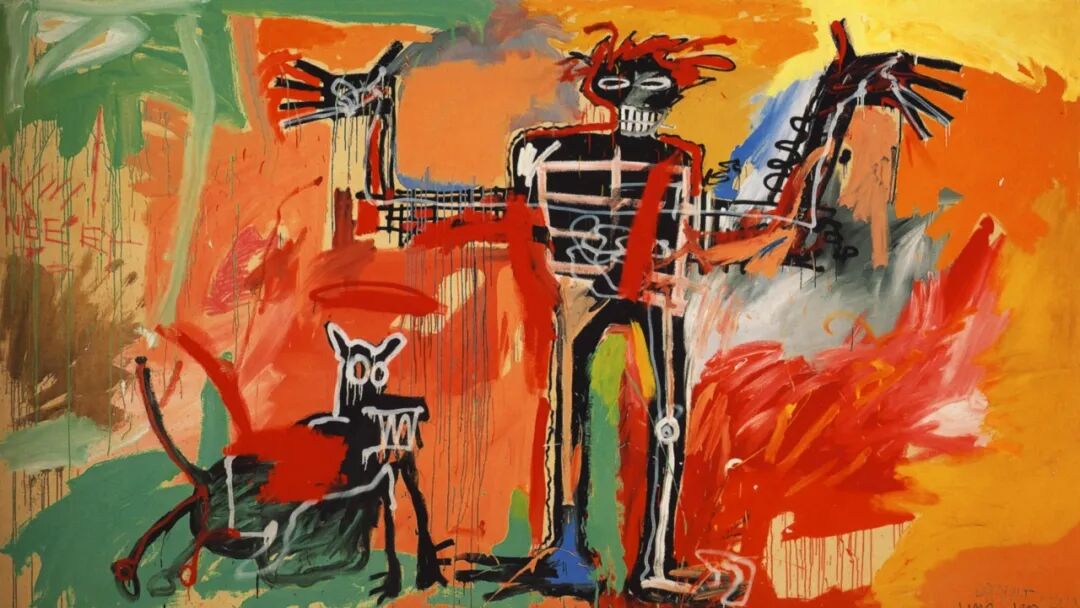
This inversion of value judgement has catastrophic effects on the whole ecosystem. It hijacks collectors: many new collectors no longer trust their own aesthetic judgement, nor the professional advice of gallery owners; they treat auction databases (such as Artnet, Artprice and Artron) as gospel and buy only the work of artists with “hard-currency” auction records. This makes the work of excellent artists who have not yet entered the secondary market, or who perform only modestly there, hard to sell even in the primary market.
It also hijacks art criticism and art history. When critics discuss an artist, they can hardly avoid their staggering auction price. Price becomes an inescapable context, even part of the work’s meaning. The writing of art history, too, begins to tilt toward these market stars. Fifty years from now, when later generations look back at the art of our time, the first thing they will likely see is this gilded “rich list of artists” compiled by the auction houses. Those who truly captured the spirit of the age — perhaps lacking market liquidity because of radical form or obscure concept — may be utterly forgotten.
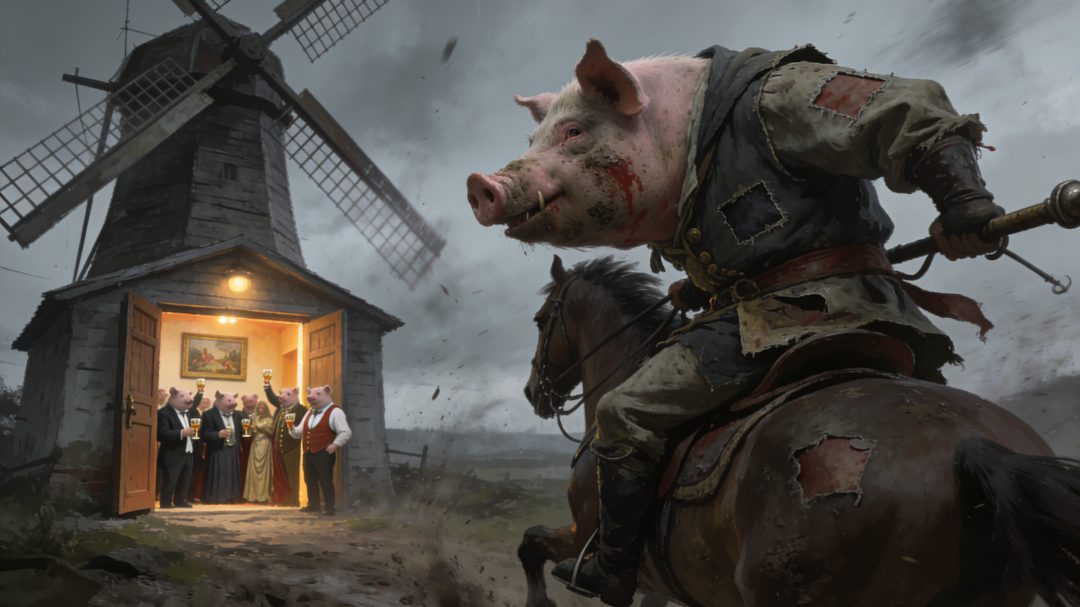
The over-activity of the secondary market has spawned a speculative behaviour called “flipping” and made it the norm. In traditional collecting ethics, the collector was seen as the artist’s patron, buying work out of support for and love of the artist’s creation, usually holding it for the long term and perhaps eventually donating it to a museum. This was an act carrying a sense of cultural responsibility.
Yet many of today’s “collectors” have degenerated into pure speculators. They buy the work of hot young artists from the primary market at rock-bottom prices (sometimes at ten per cent or less of value), and only months or a year or two later rush it to auction to pocket a staggering markup. This behaviour is known in the art world as “flipping”.
The prevalence of “flipping” culture does great harm to artists and to the primary market. First, it disrupts the normal rhythm of an artist’s career development. A young artist’s market should grow step by step, steadily; an exorbitant price at auction too early only places huge pressure on the artist, forcing them to burn through their creative talent too fast to satisfy the market’s speculative demand, and if an auction unfortunately fails to sell, the blow to their market credibility is devastating.
Second, it directly damages the interests of the primary market. The gallery labours to nurture the artist and stage exhibitions, yet watches the biggest profits carved up by speculators and auction houses. In most countries and regions the artist themselves receives no royalty from secondary-market resales. This makes the whole system profoundly unjust: the risk is borne by the artist and the primary gallery, while most of the profit flows to the secondary market’s speculators.
To counter flipping, many galleries are forced into defensive measures, such as requiring buyers to sign agreements promising not to sell the work within a set number of years, or to offer it back to the gallery first on resale. But these gentlemen’s agreements often collapse before the lure of huge profit. The super-galleries, for their part, use their market influence to maintain a “blacklist” that excludes speculators with bad records from the list of those eligible to buy top works. Yet this only deepens market inequality: only the “loyal” collectors the super-galleries approve of qualify to buy “blue-chip” art, turning art collecting into a privileged game requiring vetting.
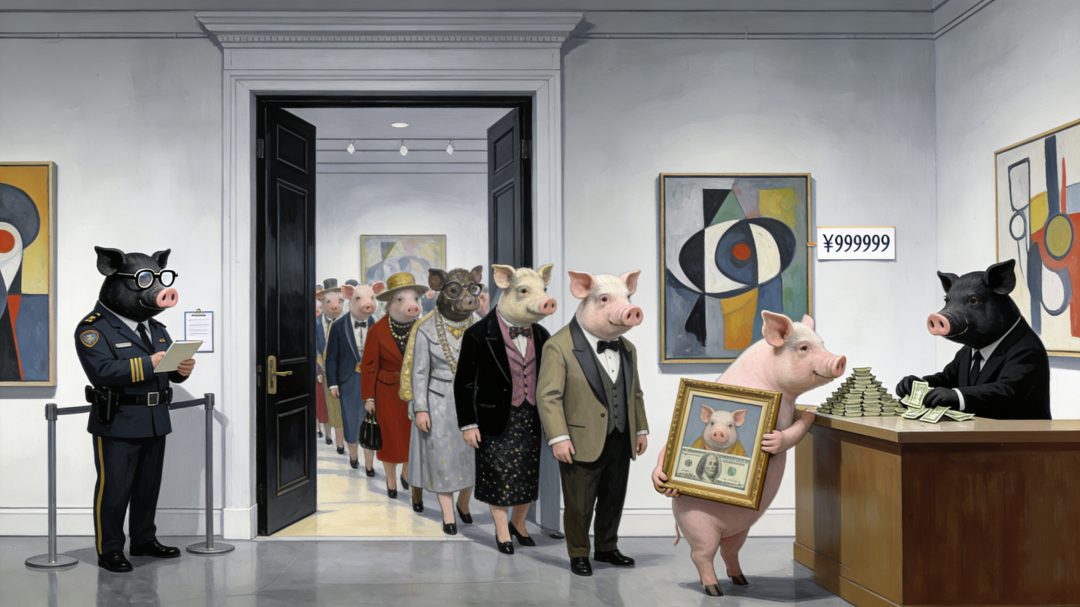
In the end, the secondary market’s usurpation evolves into a “tyranny of price”. The artwork no longer invites people to look, to feel, to think, but uses its price tag to intimidate, to define and to proclaim its value.
At an auction preview, what people discuss in front of a work is often no longer brushwork, composition or concept, but its estimate, potential bidders, and whether it can break the artist’s personal record. The number replaces the experience of looking. A work’s value no longer resides in its own material and spiritual attributes but is entirely externalised as a string of currency symbols flickering on a screen.
The consequences of this tyranny are far-reaching. It trains a generation of “price-sensitive” viewers and collectors whose understanding of art is reduced to knowledge of its market performance. In their eyes, art history is a history of rising prices. This way of thinking greatly weakens art’s critical potential. For a highly priced artwork is, essentially, beyond criticism. Its price alone forms an impregnable halo; any questioning of its aesthetics or concept seems powerless before such vast monetary value.
When the auction hammer falls, its crisp sound seems to drown out every faint breath on the canvas. It announces the completion of a transaction, and perhaps the death of a genuine aesthetic experience. In this era dominated by the secondary market, art faces the danger of being thoroughly “financialised”; it resembles stocks, futures and cryptocurrencies more and more, and itself less and less.

IV. The super-galleries’ commercial monopoly and the secondary market’s tyranny of price
The super-galleries’ commercial monopoly and the secondary market’s tyranny of price must in the end produce a disastrous aesthetic consequence: the global homogenisation of taste. When the main function of an artwork is alienated from spiritual exploration into asset allocation, its form and content inevitably converge toward what is “safe”, “generic” and “easy to understand”. We are witnessing an age in which “zombie formalism” and “lobby art” hold sway — the “McDonaldization” of the art world.
(1) Pictures fit to hang behind the sofa: serving the average taste of the global rich
The super-galleries’ client base is the global nouveau riche. They may be tech upstarts from Silicon Valley, hedge-fund managers from Wall Street, energy oligarchs from Russia, or royal family members from the Middle East, or celebrities — the rich and the noble alike. What this group shares is vast wealth coupled with a general lack of systematic art-historical knowledge and long-term collecting experience. They do not buy art primarily to begin a spiritual adventure but to display their wealth, taste and international standing. The art they seek must therefore satisfy several basic conditions:
1. Strong visual impact: huge size, bright colours, fine execution. Such a work can easily dominate the hall of a several-metre-high mansion and look conspicuous enough.
2. Safe and harmless subjects: nothing too radical in political critique, no uncomfortable bodily exposure, nothing that challenges religious or ethical red lines. Any element that might provoke controversy or embarrass dinner guests is unwelcome.
3. Easy to explain: the work’s “concept” is best captured in a phrase or two of fashionable jargon — sounding profound enough, yet requiring no real thought. It should be like the brand story of a luxury handbag: easy to remember and repeat.
4. Highly decorative: whatever the concept behind it, the work itself must be “good-looking” and complement expensive interior design. It is the ultimate upgrade of that “picture fit to hang behind the sofa”.
To cater to this demand, a particular artistic style has arisen. It may be minimalist monochrome painting (but using expensive industrial coatings), or colourful abstract-expressionist graffiti (but carefully designed and controlled), or Pop-style cartoon-figure sculpture (but cast in stainless steel and perfectly polished). What these works share is that they strip away the sharpness and rawness that made those styles truly revolutionary in art history, keeping only the visual shell and turning into finely made but spiritually hollow ornaments. The critic Walter Robinson once nicknamed such work “zombie formalism”, because it looks like the walking dead of a formalism that has already perished — all appearance, no soul.
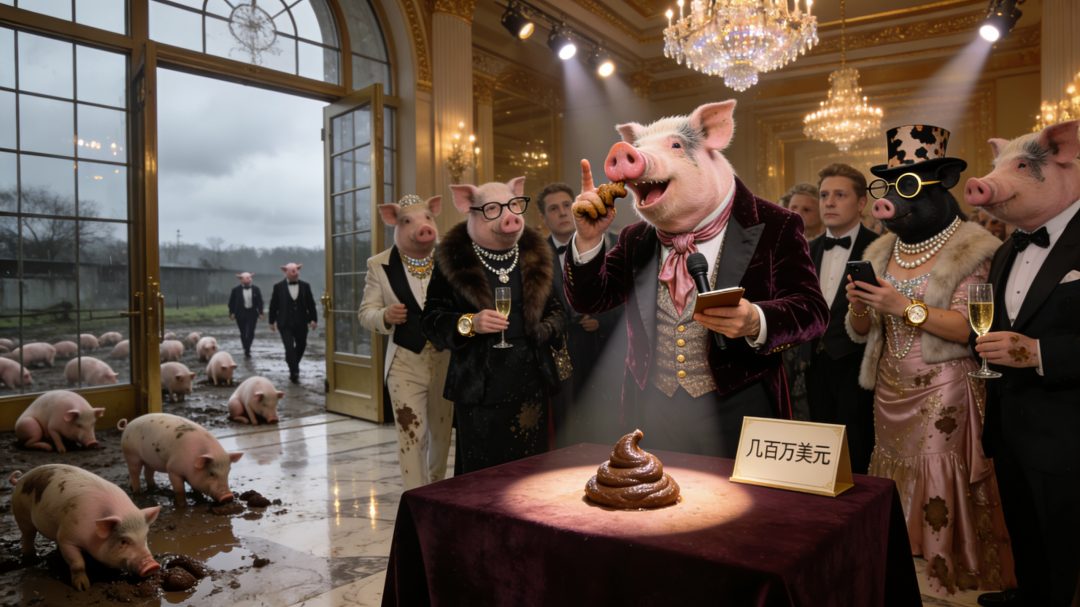
(2) The lure of “safety”: why has experimental art disappeared?
In a market dominated by a “safe aesthetic”, art that is truly experimental and challenging loses its soil. Forms that are obscure, dirty, ephemeral, hard to preserve, conceptually complex, and demand that viewers invest large amounts of time to understand — radical performance art, conceptual documentary installation, strongly socially engaged projects — have been almost entirely driven out of the sight of mainstream galleries and fairs.
The reason is simple: not only are they hard to sell, more importantly they make the nouveau riche uneasy. These forms challenge the very definition of the “artwork” as a commodity to be owned and traded. They pose more questions than answers, bringing confusion rather than pleasure. For a class that treats art as investment and a badge of identity, this “insecurity” is intolerable.
The logic of capital always seeks advantage and avoids harm, always pursues certainty. A dot painting precisely made by countless assistants in a factory, infinitely reproducible (just change the colour), clearly carries far lower market risk than a performance that exists only once and is full of contingency. Thus the entire market system — from the gallery’s choice of artist, to the museum’s exhibition planning, to the collector’s purchasing decisions — tilts, wittingly or not, toward “safe” artworks.
This morbid pursuit of “safety” kills art’s most precious quality — its spirit of adventure. The essence of art lies in exploring the boundaries of the unknown, in challenging established cognition and aesthetic habits. Yet when the whole industry rewards repetition, imitation and insurance, real innovation is out of the question. Artists are incentivised to produce “successful products” already validated by the market, rather than to attempt experiments that might fail.
(3) The increasing globalisation of “mediocrity”
This pursuit of a safe aesthetic, against the backdrop of globalisation, ultimately produces a stylistic “international mediocrity”. You will find that whether at the art fair in Basel or at a gallery opening back home, the works you see are often astonishingly similar — the same abstract-painting style, the same neon-text installation, the same cartoon-figure sculpture. Art loses its locality, its cultural specificity and its individuality, becoming a standardised visual language that passes everywhere in the world.
This is the art world’s “McDonaldization”, a concept proposed by the sociologist George Ritzer to describe how social life is increasingly governed by the fast-food model, characterised by efficiency, calculability, predictability and control.
In the field of art, “McDonaldization” means:
Efficiency: the production process of artworks is highly optimised; large studios operate like factories, efficiently mass-producing works of a uniform style.
Calculability: the value of art is reduced to calculable indicators — size, material, auction records, likes on self-media such as Instagram, Xiaohongshu (RED), WeChat Channels, Douyin (TikTok), price, exhibition history, event history…
Predictability: when a collector buys the work of a “blue-chip” artist, they can clearly predict its future value trend and the “brand style” recognisable on any occasion.
Control: the whole system, through the oligarchic control of the super-galleries, the auction houses and a handful of core curators, ensures that only artworks conforming to this standardised taste can enter circulation.
The result is an “international common style” that envelops the entire art world. This style is glossy and finely made, yet like fast food it lacks real nourishment and aftertaste. It flattens difference, dissolves depth, and turns the whole world into one giant, taste-convergent airport duty-free shop. In such an aesthetic landscape we can hardly find works that shock, perplex or even enrage us — yet these very feelings are why art matters. What we get is an utterly comfortable, yet utterly mediocre, art world.
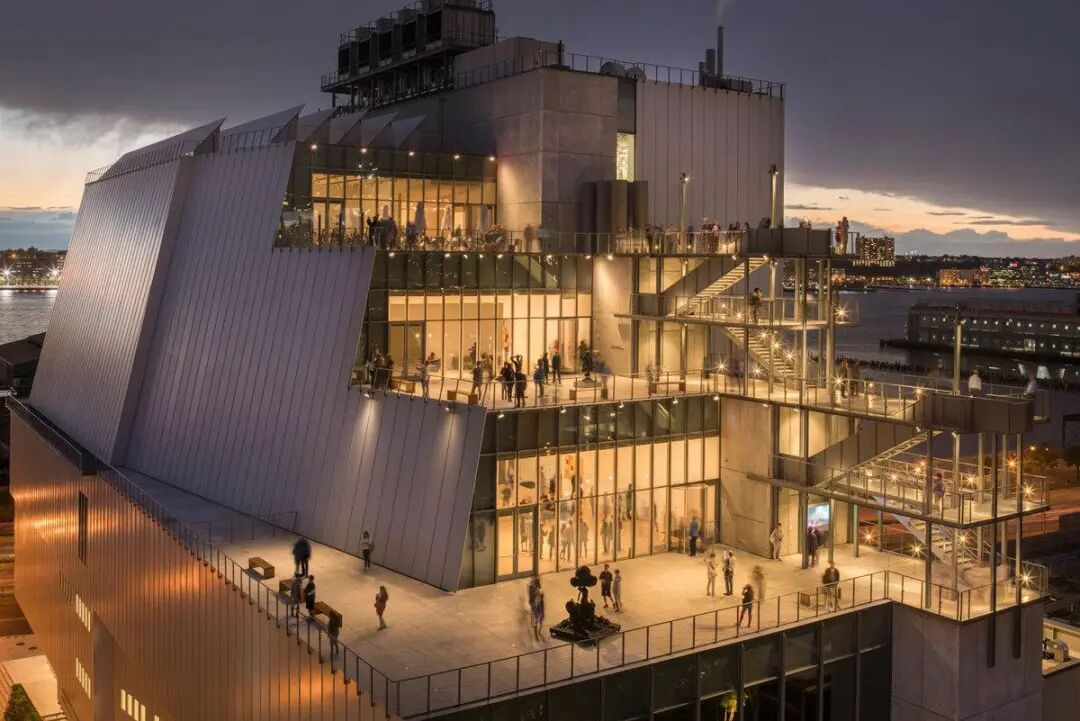
V. Within the precise, efficient commercial machine built by the super-galleries
Within the precise, efficient commercial machine built by the super-galleries, the artist — at the very bottom of the chain of power yet supposed to be the core of the whole system — has undergone a profound alienation of identity and creative mentality. No longer encouraged to be a prophet who resists society, an adventurer exploring the unknown, or a craftsman holding to personal expression, they are systematically shaped and disciplined into efficient “content producers” and “brand managers”. The artist is being tamed across the board.
(1) The algorithmisation of a career: success defined by the “list”
For the young people who harbour artistic dreams today, the reality they face is this: the road to success seems already “algorithmised”. This ideal career path is clearly drawn: graduate from a prestigious art academy, sign with a promising small gallery, soon be spotted by a respected mid-size gallery, have your work enter major group shows and one or two regional biennials within a few years, then be listed on some authoritative “young artists to watch” list, and finally, before the age of thirty-five, receive a call from Gagosian or Zwirner.
Every step on this path is like levelling up by fighting monsters in a game, full of clear metrics and external approval. Young artists no longer ask first “What do I want to express?” or “How can I find a corner in art history no one has entered before?” but first “How do I get onto that list?” and “What kind of work should I make to be noticed by a particular gallery owner or curator?”
The inner motive for artistic creation is replaced by anxiety about managing a career. Social media — especially Instagram, WeChat public accounts and Xiaohongshu (RED) — intensifies this anxiety. Artists are forced to become experts in self-marketing, carefully maintaining their online persona, posting studio photos and detail shots of works to attract attention and be “discovered”. Their studio is no longer a private space for thought but a semi-public stage requiring constant performance. Success depends no longer merely on the quality of the work but on the artist’s ability to manage their own “brand”. This extreme craving for external approval inevitably leads to opportunism and pandering in creation.
(2) Self-censorship in creation: endlessly replicating within the safe zone
Once an artist is drawn into this system, especially after signing with a super-gallery, they face a deeper pressure: to maintain their “brand recognisability” and “market stability”. What the gallery and collectors have invested in is the specific style this artist has already succeeded with. Thus any radical shift away from that style is seen as a dangerous gamble that could drive down their market value.
The artist thus falls into a “self-censorship of creation”. They dare not lightly change medium, style or subject, for it may mean losing the hard-won market. They are forced to keep creating within their safe zone, repeatedly producing the visual signs already proven “marketable”. This behaviour is essentially a kind of “self-plagiarism”.
We see that many accomplished artists, in the second half of their careers, do little but continuously replicate their early successes, making only minor changes in size, colour or material. Their creative passion seems exhausted, replaced by an industrial production aimed at fulfilling orders. This is not merely the artist’s personal choice but the result of structural pressure imposed by the whole system. The system rewards predictability and punishes uncertainty. An artist of shifting, hard-to-classify style is difficult for a gallery to market and for a collector to invest in.
Thus the artist is deprived of the right to err, the freedom to explore and the courage to negate the self — and these are precisely the sources of art’s vitality. When an artist no longer dares to take risks, their art dies with them, leaving only the zombie of a commercial brand still operating.
(3) The studio as factory: the total victory of the Jeff Koons model
This industrial trend in creation ultimately shows up in physical space — the “factory-isation of the studio”. The operating model represented by Jeff Koons and Damien Hirst has now become the object of emulation for many successful artists. In this model the artist themselves hardly ever creates with their own hands, playing instead the role of “creative director” or “company CEO”.
Their studio is a vast factory with dozens or even hundreds of assistants. These assistants are usually art-school graduates on minimum wage, responsible for executing the “master’s” ideas. They are skilled workers who polish, paint and assemble, completing every stage on the work’s production line. The artist themselves mainly devises the concept (sometimes the team devises it together), entertains collectors, gives media interviews, and supervises installation at exhibitions around the world.
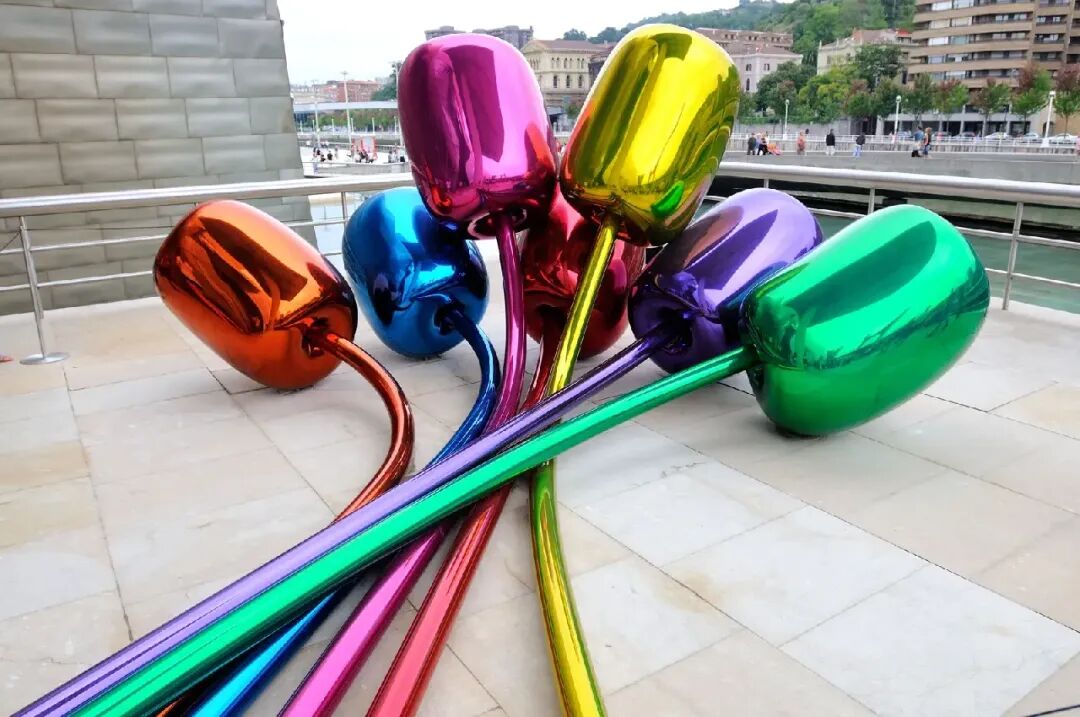
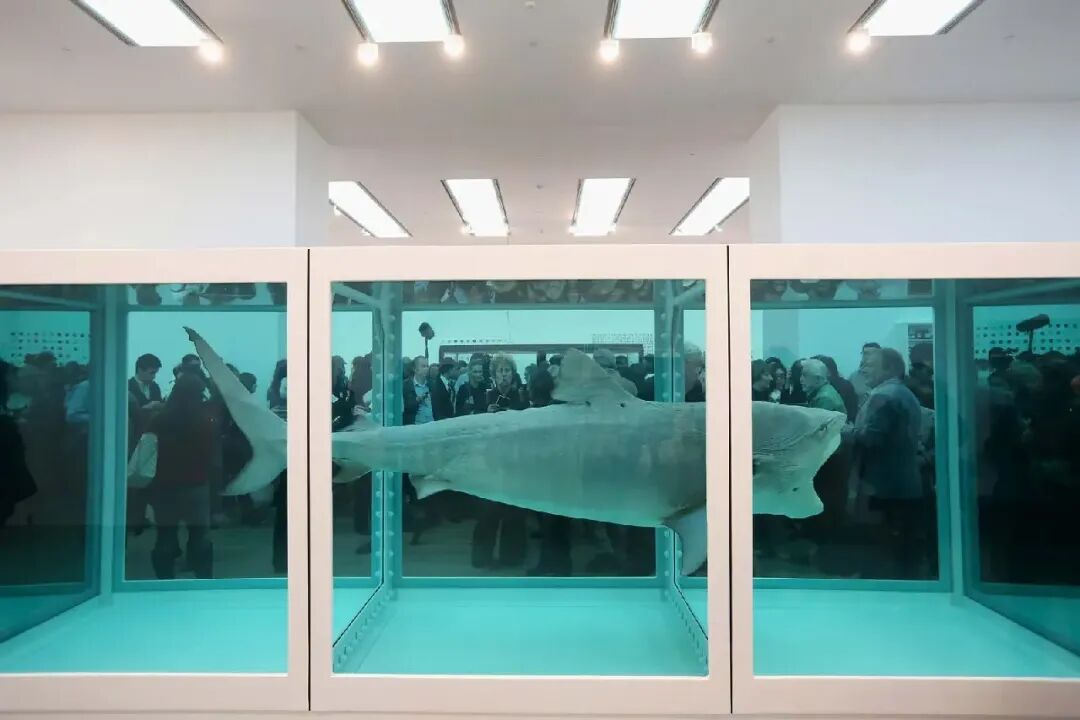
The total victory of this model marks several important deaths of the spirit:
First, the death of the “spirit of the hand”. In artistic creation, the direct contact between the artist’s body and the material, the accidental discovery and improvised adjustment in the making — these auratic aspects are entirely eliminated. The birth of a work is no longer an organic growth full of uncertainty but an industrial manufacture that can be precisely controlled and infinitely replicated.
Second, it leads to the artist’s alienation. They are separated from the fruits of their own labour. They supervise the production of products bearing their name yet may never have touched these “works” with their own hands. They become prisoners of their own brand, driven willy-nilly by a vast machine of galleries, collectors, assistants and media. They achieve enormous commercial success yet may lose the most authentic joy and freedom of creation.
From the anxious young student, to the self-replicating “brand”, to the “CEO” managing a factory — the path so carefully designed by the system leads not to the liberation of art but to a golden cage. The artist has been successfully tamed; no longer a beast that emits dangerous sounds, but a rare animal kept in a cage for others to gaze at.
VI. If the super-galleries’ monopoly system continues to develop unchecked
If the super-galleries’ monopoly system continues to develop unchecked, its ultimate consequence will be not merely a distortion of the art market but a comprehensive cultural-ecological disaster. We will face a cultural desert in which only a few “high-yield varieties” can survive. This is a terrifying future, a dystopian picture in which art has completely lost its essential function.
(1) The extinction of diversity: mono-planting in the art ecosystem
We can borrow a concept from biology to understand this crisis.
The mark of a healthy ecosystem is biodiversity. From tiny insects to towering trees, every species plays an unpredictable yet vital role in the ecological chain. “Mono-planting” — growing a single high-yield crop (such as maize or soy) across vast land — yields high economic returns in the short term, but at the cost of depleted soil fertility, lost biodiversity, and extremely fragile resistance to pests and disease. Once a particular virus or disaster appears, the whole ecosystem can collapse in an instant.


Today’s art world faces the same “mono-planting” crisis. What the super-galleries promote are precisely the best-performing “high-yield crops” on the market: the visually attractive, conceptually safe, globally distributable blue-chip artists and “zombie formalism” works. Yet those “species” that make up the diversity of the art ecosystem — the artistic practices of marginal groups (such as queer art and disability art), strongly localised creation, socially engaged projects based on specific communities, immaterial performance art, and radical ideas that cannot be easily commodified — are rapidly heading toward extinction for lack of the nourishment of a market (soil) and the platform of display (sunlight).
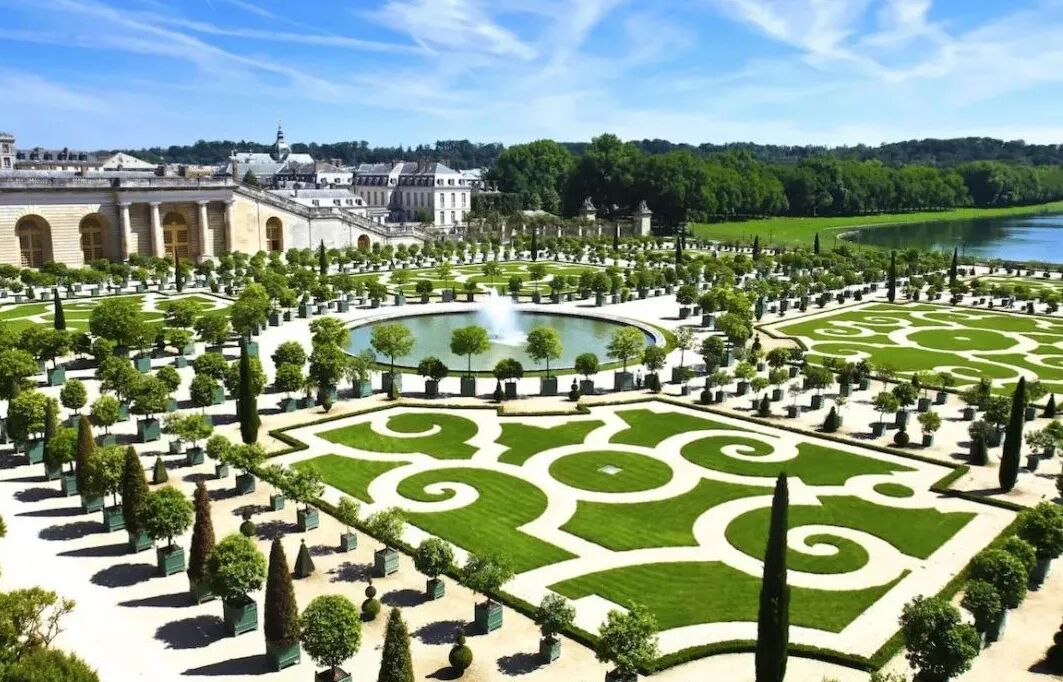
When a gallery system rewards only one model of success, all participants are forced to imitate it. Imagine art academies adjusting their curricula to train more “market-adapted” students, young artists abandoning personal, risk-filled exploration in favour of more “presentable” work, and critics spending more ink discussing those market stars. The result must be a sharp shrinkage of the art ecosystem’s “gene pool”. The art we see grows ever more alike, the topics discussed ever more convergent. The art world becomes like a carefully pruned but lifeless French formal garden, in which all wild, unpredictable growth is cut away.
(2) A rupture in history
This extinction of diversity will directly cause an irreversible consequence: a rupture in history.
Art history has never been a complete record of all art but a history of selection about the art that was seen, discussed and preserved. In the past, although this process of selection was also full of power and bias, at least several different selection mechanisms existed: the official salons and the rebellious Salon des Refusés; commercial galleries and non-profit alternative spaces; mainstream art criticism and underground art magazines.
But today the power of selection is concentrated as never before in the hands of a few commercial giants. Relying on their absolute control of the market and of discourse, the super-galleries and top auction houses are becoming the de facto authors of our era’s art history. They decide whose work gets exhibited, collected, even enshrined in the historical record.
Fifty or a hundred years from now, when later researchers try to understand the art of the early twenty-first century, what will they see? They will see a history composed of auction records and museum collection lists. This history will tell them that the most “important” artists of our time were Jeff Koons, Damien Hirst, and a batch of abstract painters in similar styles. They may conclude that the people of our age lived in a gilded era of visual luxury but spiritual emptiness.
Yet they will not see the art that truly recorded the complexity of our age. They will not see the artists in basements in Songzhuang in Beijing, the Lower East Side in New York or Kreuzberg in Berlin, using rough materials to discuss class, race, gender and ecological crisis, nor the activists who on the sites of social movements use art as a weapon of resistance. Nor will they see the geniuses and brave souls who, because they refused to commodify their creation, remained unknown all their lives. For lack of commercial-gallery support and access to the market, these artists’ works may be scattered and lost after their death, their documents unarchived. They will become the “ghosts” and “dust” of art history — never seen, never recorded.
Thus, from this angle, what we leave to the future will be a severely tampered-with and castrated art history, a history recording only the victors and the survivors. The true spirit of our age, for lack of a platform for display and preservation, may be lost forever.
(3) The hollowing-out of the spirit
The ultimate consequence of this crisis is the hollowing-out of society’s spirit.
Art, in its most fundamental sense, is the mirror in which humanity reflects on itself, the weapon that criticises reality, the space in which to imagine other possibilities. It should make us uneasy, challenge our prejudices, expand the boundaries of our cognition. Yet in an art world thoroughly “Walmartised”, these core functions of art are systematically stripped away.
Art is no longer spiritual nourishment for all, but degenerates into a badge exclusive to a tiny rich minority, used to mark class and display status. As Pierre Bourdieu argued, cultural taste is an important mechanism of class reproduction. The recognition and possession of “good” art becomes a symbolic barrier separating elite from masses. Today this distinguishing function is pushed to its extreme. Owning a KAWS sculpture or a George Condo painting serves exactly the same social function as owning the latest Patek Philippe watch or a superyacht moored in port. All are passes into a particular social circle.
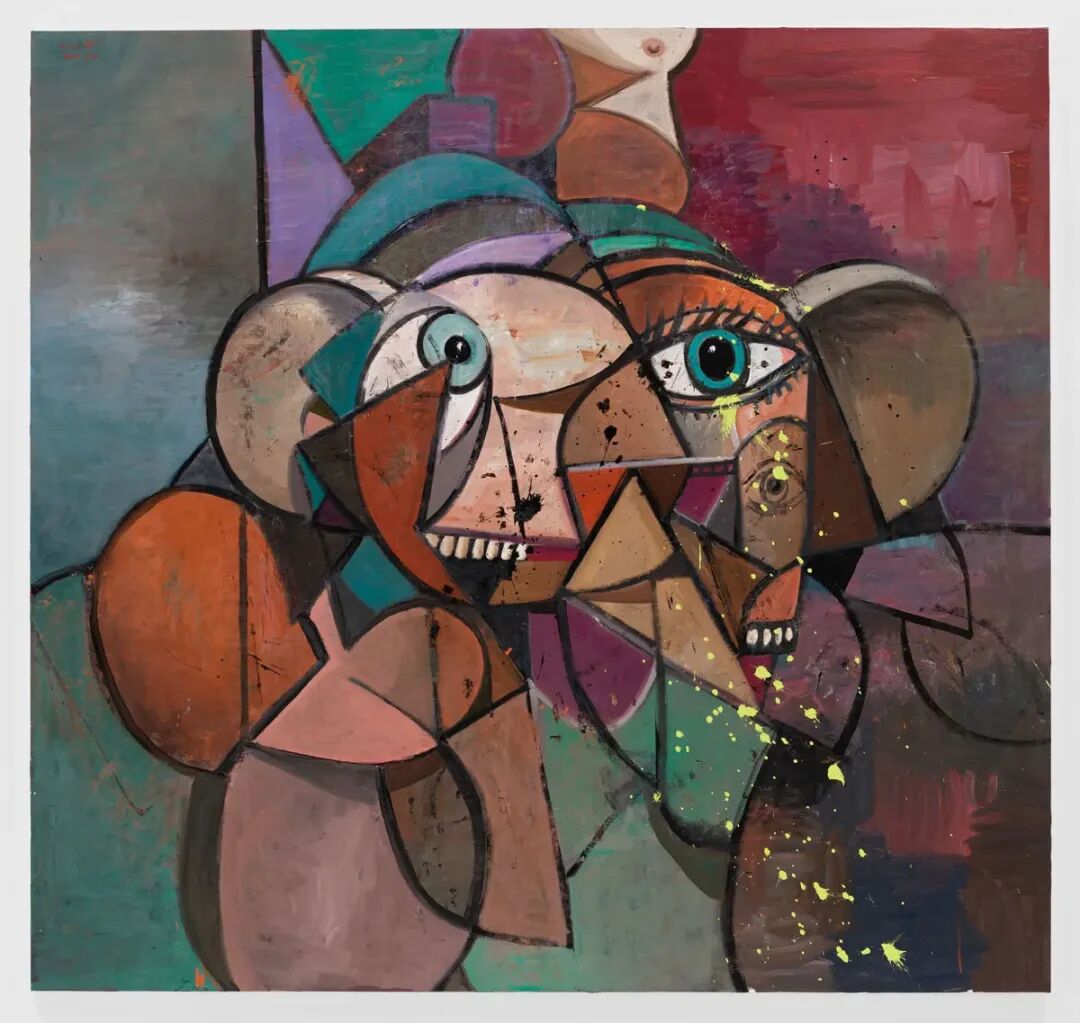
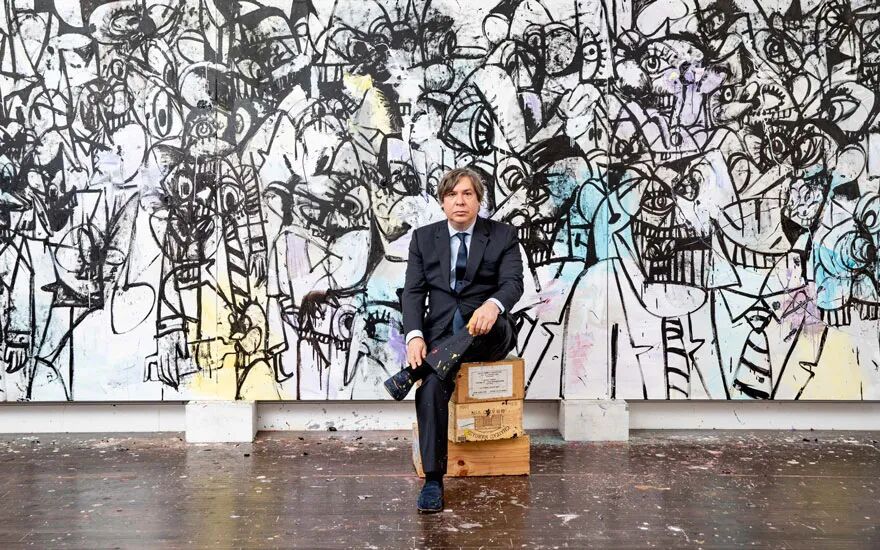
When art’s main function degenerates into a badge of class entrenchment, it loses the ability and the will to dialogue with the broader social reality. It turns inward, closed, talking to itself. The museum is no longer a civic square that sparks public debate but more like a magnificent warehouse where the rich store their tax-free assets. Ordinary members of the public who step into these white-cube spaces, facing those astronomically priced, seemingly unfathomable works, feel not enlightenment but alienation and confusion. Art finally completes its severance from the people, becoming a self-circulating luxury game unrelated to the real world.
This is a terrifying future: an age with only ornaments and no artworks, an age with only price tags and no value judgement, an age with only investment news about art and no real debate about it. In this future, art may die completely — not through any end of theory, but because it will be made into an exquisite specimen.
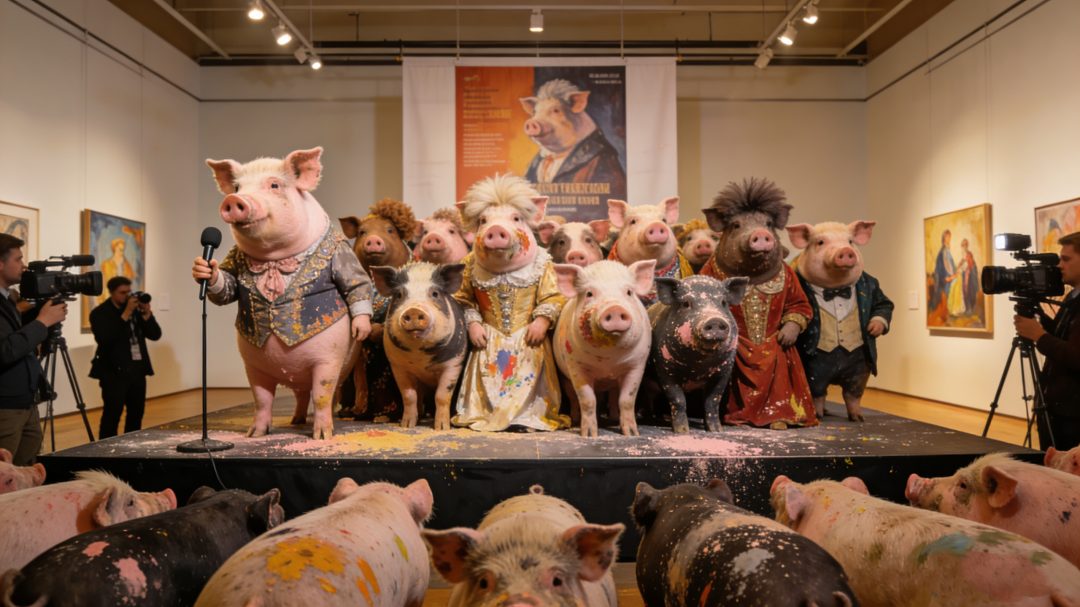
When we strip away the super-galleries’ glossy marble façades and diagnose the rotting core within, we are not merely talking about the win or loss of a business model, but witnessing the necrosis of a civilisational function. Art, in its noblest sense, was humanity’s last bastion against mediocrity, its questioning of power, its exploration of the unknown. Yet today, in the “Walmart-style” empire built by the Gagosians, art is castrated; it becomes an exquisite appendix to the balance sheet, a cold calliper measuring wealth and status.
The stakes of this winner-takes-all game reach far beyond the life or death of mid-size and small galleries. It is a systematic cultural sterilisation of the future. When all capital, all media attention and all scholarly resources flood toward those “safe”, “blue-chip”, “asset-securitisable” visual signs, the experimental creation that truly makes people ask “what is this art for?” is deprived of the air and soil it needs to survive.
But we must recognise clearly: it is precisely this non-commercial art, impossible to price easily, impossible to hang comfortably on a mansion wall, even capable of making people intensely uneasy, that holds art’s true vitality and civilisation’s hope. They are like the canaries exquisitely sensitive to gas in a coal mine, whose faint song warns of the collapse of the whole social structure.
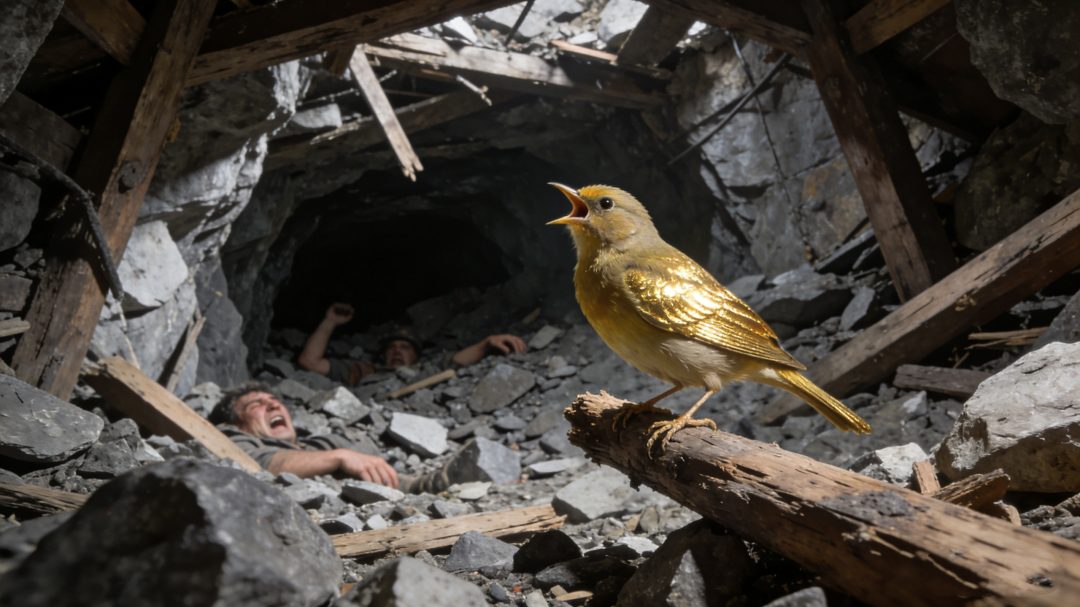
If this process is not halted, the consequence will be an irretrievable cultural catastrophe. We will usher in an age with only commodities and no works. Our museums will degenerate into the private safes and tax-planning tools of global capital holders, and our descendants will inherit from us a vast, barren cultural desert.
In The Rules of Art, Pierre Bourdieu writes that the autonomy of the artistic field is established precisely through a negation of economic logic — a “counter-economic economics”. Thus, for the art worker, it is precisely in the habitual, symbolic proclamation of “art for art’s sake” and the refusal to serve money that they win their unique symbolic capital and the “legitimacy” of their existence. Today we need to reactivate this “counter-economic” logic, turning it from a passive posture into an active, radical strategic choice.
Artists must stay vigilant: non-commerciality must no longer be seen as a helpless failure but must be seen as a conscious strategy of resistance — meaning the artist refuses to repeat themselves to please the market, refuses to reduce the process of artistic creation to industrial production. After all, the super-galleries can buy up every masterpiece in history, but they cannot buy the future. The future always belongs to those who, even in hunger and in being ignored, still have the courage to spit hard at the world’s mediocrity, complacency and spiritual death. Only when the public recovers this awareness will an art mechanism advance under such awareness; only then will art develop better and truly supply energy to society, rather than merely pandering to refined taste and pleasing the senses. For the art world of the future, true value always begins with the force that dares to grow wild atop the ruins.
订阅艺术评论
订阅即赠《2024中国当代艺术关键词》内部思考笔记 PDF
每周免费获取最新当代艺术批评与研究