I. These Years
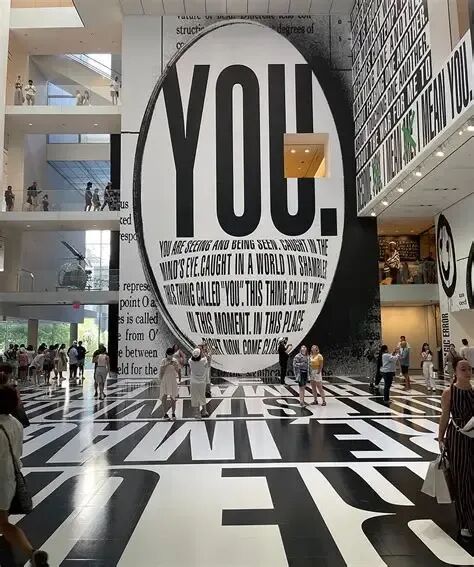
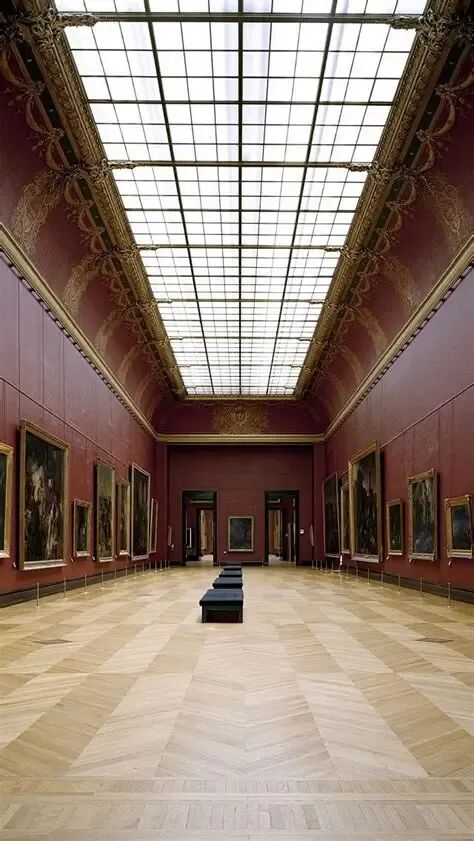
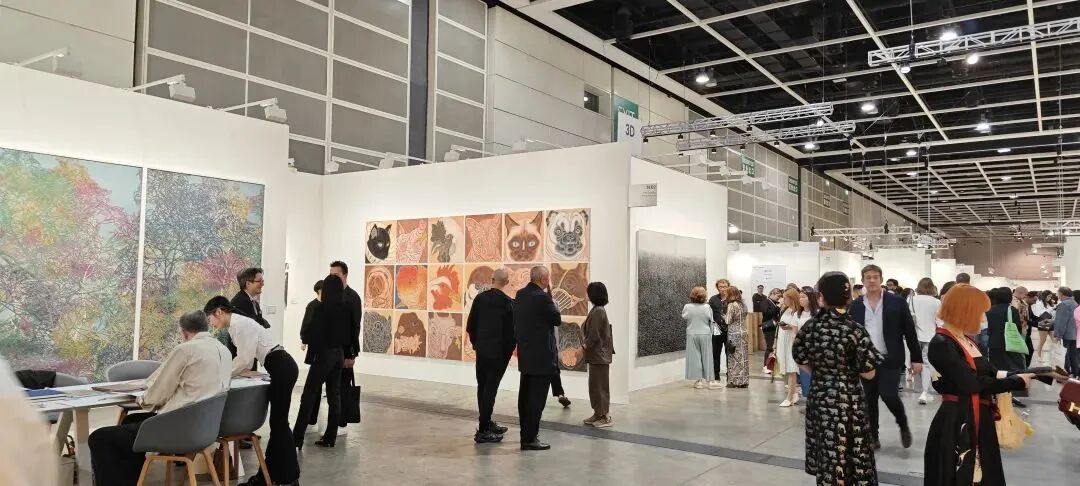
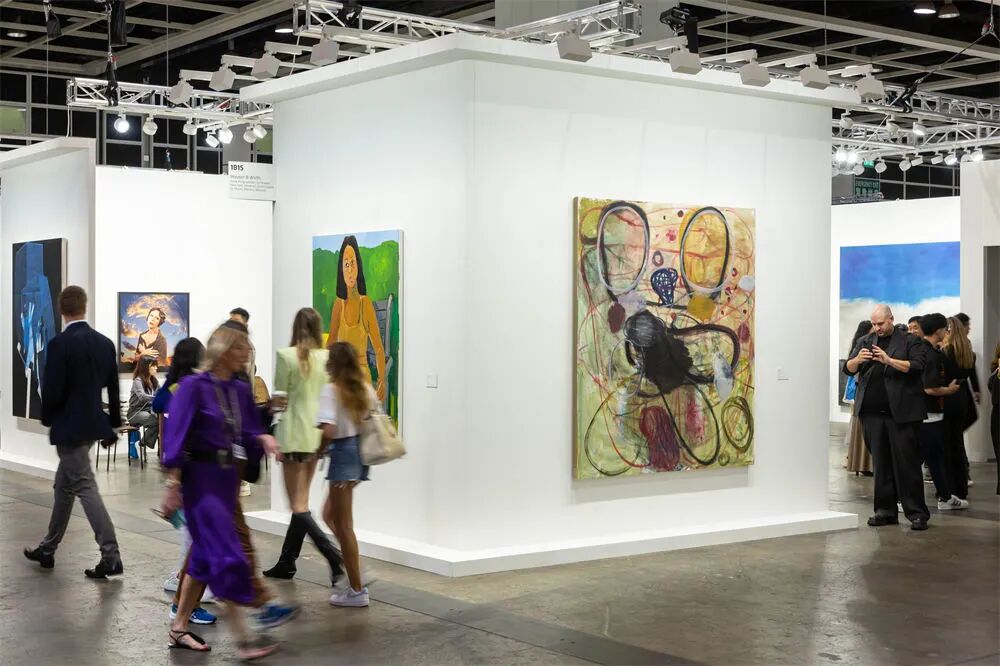
In recent years, every time I step into the opening of any contemporary art exhibition, I am at once enveloped by a carefully choreographed, almost compulsory atmosphere of “positivity.” The air is thick with the fizz of champagne, the gallery owners’ solicitous smiles, and the collectors’ hushed conversations. Yet beneath this superficial prosperity a deeper silence is spreading. You hear no genuine criticism any longer — nothing heartfelt, nothing carrying any intellectual risk. In its place has come a highly homogenised vocabulary of praise: “This work is absolutely brilliant,” “so powerful,” “the concept runs very deep,” “a most timely response to the present,” “visually it has such tension”… These phrases are like pre-recorded canned laughter, replayed at every clinking, convivial occasion, together composing a “compulsory atmosphere of positivity.”
The strangeness of this atmosphere lies in its enormous gap with what is said in private. At the exhibition itself, people stand before mediocre, repetitive, incomprehensible works and still offer the artist their congratulations without batting an eyelid. Yet the moment they slip into a dinner with three or five close friends, or a private WeChat group, entirely different voices surface: “Why is he still painting this stuff?” “It’s pure capital propping him up,” “No sincerity at all — he’s just chasing the art fair.” This vast fissure between appearance and reality reveals an open secret of the contemporary art world: criticism is dead, and in its place stands a public-relations system built around the operations of capital. We have all become bit-part players in this grand spectacle; everyone knows the script is fake, yet everyone recites their lines with gusto.
Why this collective “schizophrenia”? Why do people who in private possess such sharp judgement choose, in the public sphere, to fall silent en masse or to offer praise against their better judgement? The answer is not simple worldliness or hypocrisy, but a profound structural transformation. The contemporary art world — above all after its high degree of financialisation — has evolved from a “judicial system” centred on value judgement into a “public-relations system” centred on the binding of interests and the marketing of value. In this new system, the critic is no longer the “judge” who wields the gavel and decides a work’s life or death; he has been demoted into the gallery’s “star salesman,” the museum’s “docenter,” or the artist’s “brand copywriter.”

Tracing things back to their source, the fundamental driving force behind this transformation is capital.
When the price of an artwork rockets from a few thousand yuan to several million, tens of millions, even over a hundred million, it ceases to be merely an aesthetic object and becomes a financial instrument — an asset bundle bearing enormous capital expectations. Under the reign of financial logic, “negation” becomes extremely dangerous. A sharply worded negative review is no longer simply an academic discussion; it may directly trigger a plunge in a work’s market value, even destroy a gallery’s investments of several years. It offends the artist, the gallerist, the collector, and the entire network of interests connected to them. Thus “praise” becomes the only survival strategy: it is not only safe, it also secures one a place within this chain of interests.
In 1992, the French sociologist Pierre Bourdieu wrote in his book *The Rules of Art*: literature appears in the literary field in two guises, one of which is the “anti-‘economic’ logic of pure art,” which advocates art for art’s sake and “aims to accumulate symbolic capital”. The field he describes is one saturated with power struggles, in which actors contend with one another to seize “symbolic capital.” And so, in today’s PR system, the critic’s praise becomes the most direct exchange of “symbolic capital”: I lend you my academic reputation as endorsement, raising your market value; and your success, in turn, proves my “eye,” thereby increasing the “gold content” of my future praise. A perfect closed loop of interests is formed. What is said matters little; what matters is achieving mutual puffery.
The death of criticism, then, does not merely mean that we have lost a few sharp-tongued “villains” in the mould of Clement Greenberg. What we have lost is the immune system of the entire artistic ecosystem. A healthy ecosystem needs predators to weed out the weak; it needs viruses and bacteria to trigger immune responses. When the immune system of criticism malfunctions, the viruses — that is, those mediocre, opportunistic, unoriginal works — begin to replicate and spread without restraint or limit. In the end, as we so often see, the whole art world becomes a vast organism that looks radiant on the surface yet is full of necrotic tissue within. Audiences feel confused and helpless inside it; they are told that the emperor’s new clothes are the finest silk, while genuinely serious artists are marginalised because they do not fit capital’s need for rapid circulation and conceptual packaging. What we have lost is not some particular critic, but “the courage to make value judgements” itself, and the structural possibility that once sustained that courage.
II. Looking Back at Twentieth-Century Art Criticism
When we look back at twentieth-century art criticism, the names of Clement Greenberg or Robert Hughes stand for a critical posture that today seems almost “barbaric”: an authority that dared to declare in public, “This is good,” “That is bad,” “This is a masterpiece,” “That is rubbish.” In the collection of essays *Art and Culture*, published in 1961, Greenberg constructed a hierarchical modernist lineage centred on formalism. Without mercy he dismissed those art forms failing his standards as “kitsch,” regarding them as the anaesthetic of industrial society, “a substitute diversion for those numbed to the value of genuine culture.” His authority derived not from an embrace and understanding of all artistic practice, but quite the contrary — it was built upon a harsh, elitist “exclusion.” With clear strictures he drew the centre from the periphery, the high from the low, the sincere from the false.
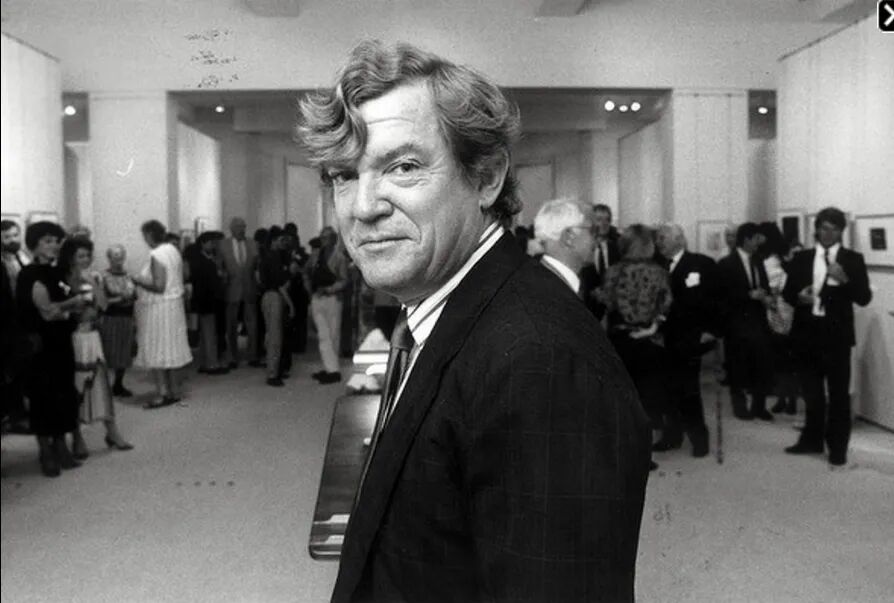
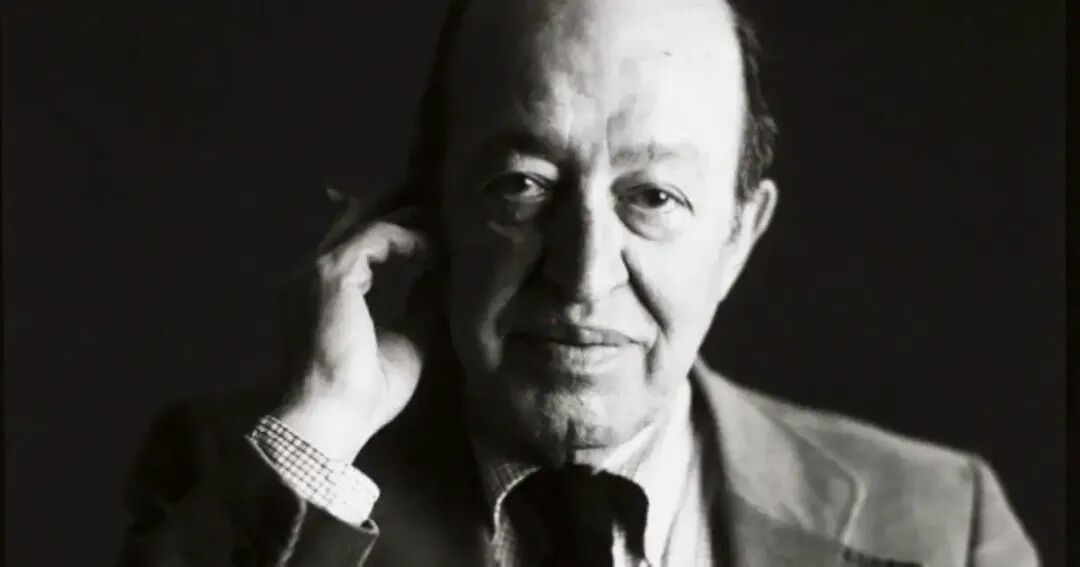
Robert Hughes wrote art criticism for *Time* magazine for seven years.
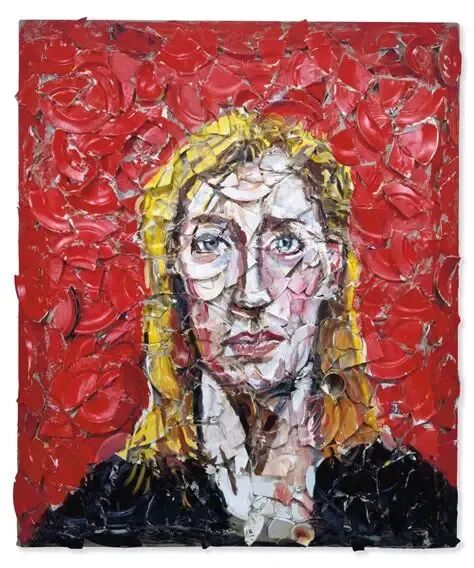
Likewise, the Australian critic Robert Hughes — above all in his 1980 BBC documentary *The Shock of the New* — delivered a merciless verdict on the merits and failings of modern art with an erudite, eloquent and acidly caustic style. He could extol the “unrivalled tension,” the “horrifying, convulsive, solitary or struggling flesh,” the “roaring demons” in Francis Bacon’s paintings, and yet thunder against Andy Warhol’s late work as “randomly cobbled-together dead things,” and call Julian Schnabel one who “fashions himself as an art star rather than a pure artist.”
In Hughes’s view, the critic’s duty is precisely to make distinctions and to defend quality. His articles in *The New York Review of Books*, *Time* and other publications read like a judge’s verdicts, brimming with moral and aesthetic certainty.
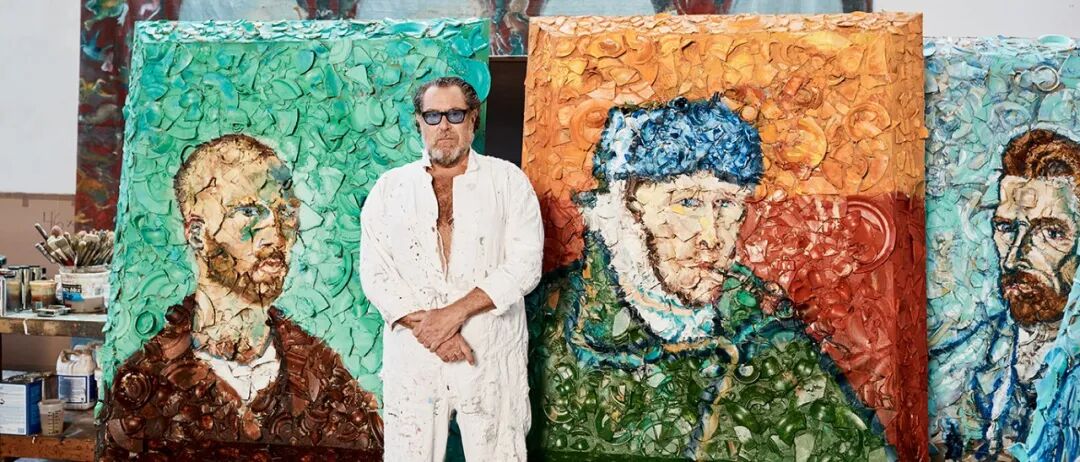
The significance of these “stern father” figures reaches far beyond personal style. They represented a “judicial model” of criticism. Under this model, the critic was granted by the public and the art world a power akin to a judge’s: his task was to try the evidence presented (the artwork) and, in accordance with a relatively stable body of law (aesthetic standards), deliver a final verdict. This verdict would directly affect the artist’s historical standing and market value. The basis of their power lay in their learning and their eye — and, most importantly, in the relative independence they maintained from the market. Of course, we may today reflect critically on the elitism, Eurocentrism, even sexism of this model, among many other problems; yet what we cannot deny is that it supplied the art world with a vital function: the establishment of standards.
This emphasis on “negation” received its most profound theoretical exposition in the philosopher Theodor Adorno. For Adorno, the essence of art lies in its “negativity.” In his late magnum opus *Negative Dialectics*, he launched a fierce critique against the positivist thought that seeks to integrate everything into the logic of identity. For him, genuine thinking and genuine art must maintain a posture of “negation” towards the real world. Through the autonomy of its form, the artwork refuses to be readily understood and consumed, and thereby critically resists a social reality being assimilated by the “culture industry.”
Adorno writes in *Aesthetic Theory*: “Art is a determinate negation of the world… it expresses its insight into the world through its estrangement from the world.”

From this angle, the criticism of Greenberg and Hughes is precisely the embodiment of this “negativity” in critical practice. When Greenberg expelled “kitsch” from the temple of avant-garde art, he was not merely expressing personal likes and dislikes; he was “establishing” the essence of avant-garde art through “negation.” Without a clear definition of the “bad,” praise of the “good” becomes meaningless. If everything is good, then the word “good” loses its value. As Adorno said, the “negation of negation” is not a simple return to the affirmative, but an entry into a deeper level of negation. Likewise, in art criticism, the negation of mediocre work serves precisely to protect the value of masterpieces, to sustain the validity of the yardstick of aesthetic judgement.
This “negative dialectics” is the inner driving force of artistic progress. Every major breakthrough in the history of art — whether Impressionism’s negation of salon convention, or Duchamp’s negation of “retinal” art — has sprung from a decisive spirit of critique. The function of criticism is to discern, amid the contemporary art world’s confusion and clamour, which forces is negative and holds breakthrough potential, and which is merely a repetition and dilution of existing models. Without the capacity for negation, criticism loses its core dialectical function, and can no longer push art forward.
Yet, looking around our present art world, this critical model built upon “negativity” has vanished without trace. Today’s critic resembles more a social worker or volunteer suffering from a “good-person syndrome.” Their primary task is no longer evaluation but “understanding.” Faced with any work, however hollow, clumsy or opportunistic, they always try to “empathise” with the artist’s creative intent, to “dig out” some possibly “interesting” concept behind it, to “interpret” its “connection” to present-day social issues.
Their writing is full of constructions like these: “What the artist attempts to explore is…” “The work prompts us to reflect on…” “Behind this seemingly casual form lies, in fact, the artist’s profound insight into…” They carefully skirt any word that might involve value judgement — “good,” “bad,” “success,” “failure,” “beautiful,” “ugly.” They replace analysis with description, and judgement with interpretation. They seem to believe their duty is to build a positive psychological dossier for every “client” (the artist), helping them better fit into the “community” that is art.
This shift into the “social worker” role presupposes that the artwork itself is neither good nor bad, and that everything depends on how you narrate it. This “suspension of judgement” is disguised as an open, inclusive, pluralistic scholarly posture, yet its essence is the laziness of strenuous thought and a cowardice on the moral plane. When the critic abandons the responsibility of making difficult judgements, he in effect abandons the very reason for his existence. He is no longer the art world’s “legislator” or “guardian,” but has sunk into a parasite upon existing power structures and commercial logic. With well-meaning understanding and tolerance he provides academic shelter for the flood of mediocre work. In a world where everyone is a good person, art itself is dying. What Greenberg represents is not merely a bygone age of authority; it is more like a mirror, reflecting the vast void of our own age — in the clamour of “affirmation,” judgement suspended and standards dissolved.
III. (1) The Critic’s Decline
(1) The Critic’s Decline: Who Decides History?
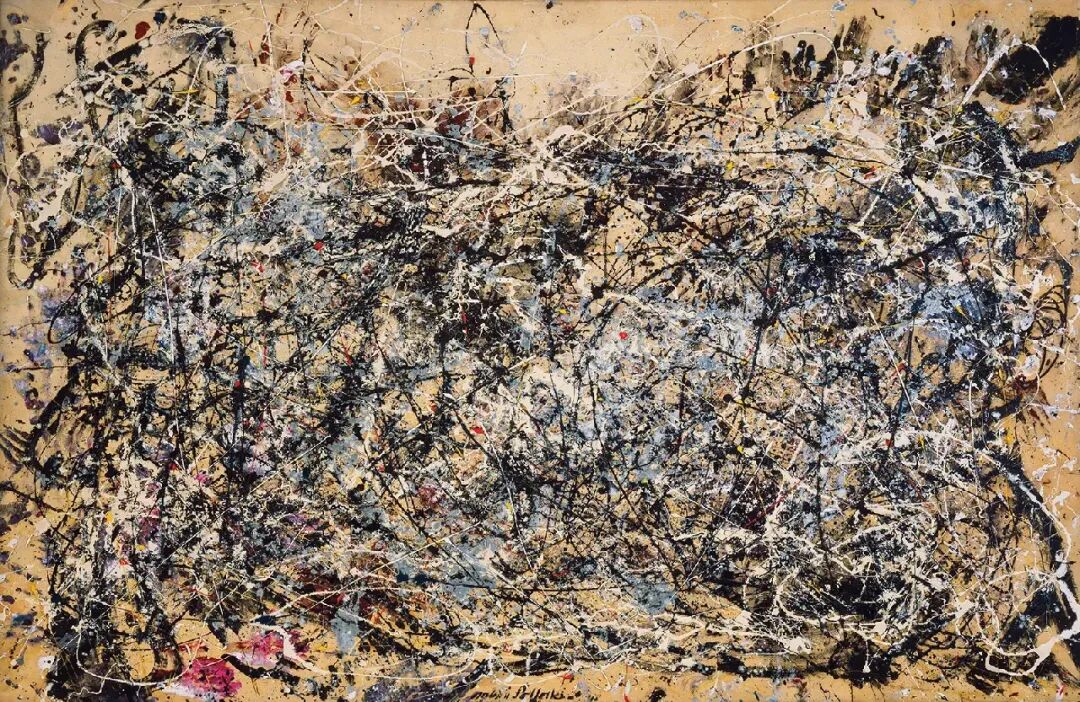
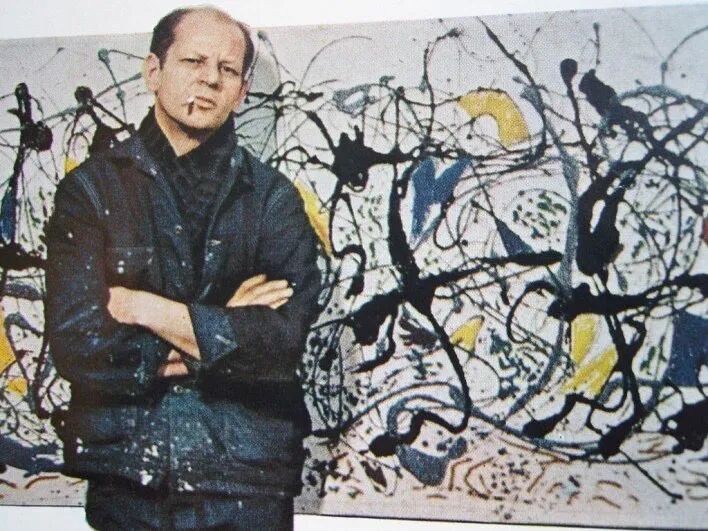
In the mid-twentieth century, above all during the heyday of the New York School, the power structure of the art world was relatively clear. A single review by Clement Greenberg could directly affect the market price and historical positioning of Jackson Pollock. Harold Rosenberg’s concept of “action painting” defined a generation of artists’ practice. Back then, the critic who held the pen was the art world’s true “gatekeeper.” Through writings published in core journals such as *Partisan Review* and *Artnews*, they decided which artists would enter major galleries, be collected by museums, and ultimately be written into art history. It can be said that in that era the critic played, to a large extent, the role of “legislating” for art.
Yet entering the twenty-first century, this game of power underwent a fundamental reversal. The centre of gravity in the art world quietly shifted from the critic to the curator and the major collector. Today, what decides the fate of a young artist is no longer a deep review in *Artforum*, but far more likely being acquired at Art Basel by an influential collector, or being selected by a star curator for the next biennale. Museum acquisition committees increasingly heed the opinions of major collectors (who are often also the museums’ patrons); and the roster of biennale participants is decided almost entirely by the curatorial team.
The critic’s decline has its roots in the loss of their monopoly over channels of information and discursive power. In the past, art journals were the public’s main window onto art. Today, social media, galleries’ press releases, artists’ personal websites, and a flood of online media, mobile phones, short videos, and AI search together constitute a vast, decentralised information environment. In such an environment, a logically rigorous critical essay of five thousand words wields far less influence than a photograph on Instagram, WeChat Official Accounts, Douyin or Xiaohongshu showing a star curator or collector.
The critic’s voice is diluted in the ocean of information; the former “legislator” is now more like a monologist muttering to himself in the square — occasionally someone pauses, but most hurry past. More importantly, the economic base determines the superstructure. The critic’s meagre fee income makes him appear inconsequential when set against the vast market — comprising galleries, auction houses and collectors — that moves hundreds of millions of dollars at will. Power, in the end, flows to wherever it sits closest to money.
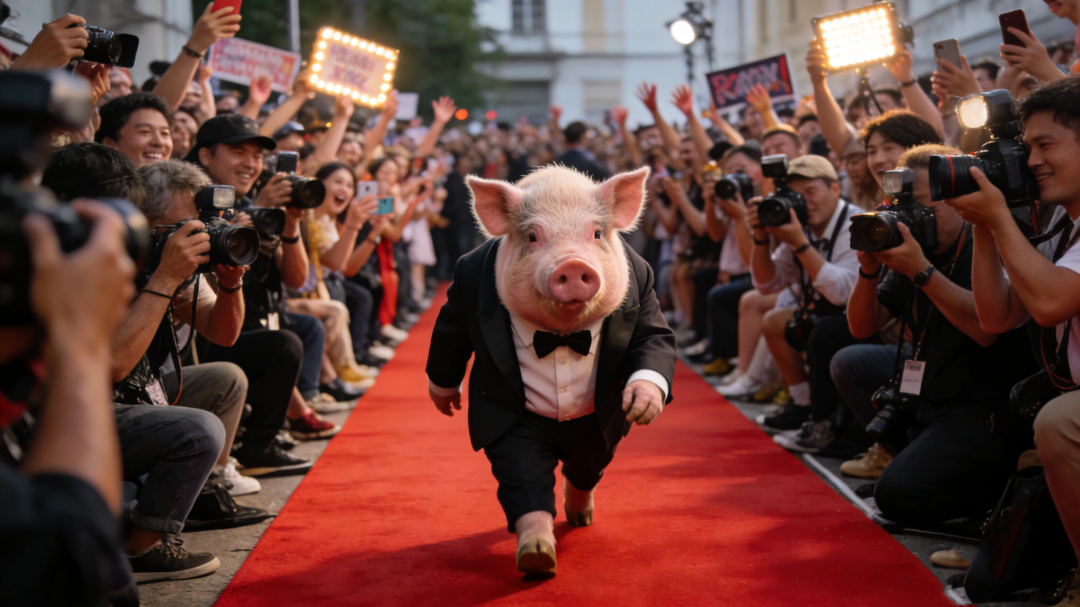
Corresponding to the critic’s decline is the curator’s precipitous rise. The curator — above all the independent curator and the star curator — has become the new power centre of the contemporary art world. Yet the curator’s working logic is fundamentally different from the critic’s. If the core work of the critic is “judgement,” then the core work of the curator is “weaving.”
A successful curator must be an exceptional manager of relationships. To mount a large exhibition he must borrow works from museums and private collectors around the globe, which means maintaining good relations with these institutions and individuals. He must secure enough sponsorship for the exhibition, which means catering to the demands of brands and patrons. He must invite important artists to participate, which means he cannot easily offend any potential collaborator. He must also maintain smooth communication with the key figures at every link — the media, museum directors, gallerists. The curator’s entire career rests upon a complex and fragile web of relationships.
Under the sway of this professional logic, “not offending anyone” becomes the curator’s highest code of conduct. No matter how low a curator’s private assessment of some artist’s work, he can almost never voice negative opinions in public. For a harsh word today may mean being unable to borrow works tomorrow, or losing an important sponsorship opportunity. Thus the curator is naturally inclined toward an attitude of “affirmation.” Through exhibitions they “juxtapose” different artists, works and concepts, manufacturing new “dialogues” and “connections,” yet they strive to avoid judging the quality of these works. Curatorial discourse has thereby developed a distinctive vocabulary — vague and smooth — saturated with words like “possibility,” “fluidity,” “becoming,” “context.” The common feature of these terms is their effectiveness at evading value judgement. Curation has, to a large extent, become an art of “arrangement” rather than an art of “selection.” It concerns itself with how to organise various elements harmoniously, not with the quality of the elements themselves.
If one were to seek a perfect embodiment of this “no-judgement” curatorial model in the contemporary art world, then Hans-Ulrich Obrist (HUO for short) is undoubtedly the man for the job. As Artistic Director of the Serpentine Gallery in London, HUO — with his ubiquitous presence — has become one of the most powerful figures in the global art world. Of course, his power rests precisely upon the systematic suspension of “judgement.”
HUO is best known for his decades-long “Marathon Interview” project. He has interviewed thousands of artists, architects, scientists and thinkers, and published these interviews in collected volumes. The project itself has great documentary value, yet its core methodology reveals, profoundly, the logic of the “PR system.” In these interviews HUO plays not a challenging interlocutor but an almost perfect “information collector” and “network-builder.” He never poses sharp questions that might offend his subject; he never questions the artist’s self-account; he never engages in any form of criticism or screening. His role is to record, amplify and disseminate. He replaces the core critical function of “dialogue-interrogation” with a function of “information-promotion,” devoid of any value judgement. The more artists he interviews, the wider his network grows, the greater his influence. Through vast, undifferentiated “affirmation” he fashions himself into an indispensable hub of art information.
HUO’s curatorial practice is the same. He is known for mounting vast group exhibitions — concept-led, packed with artists. These exhibitions are like gigantic art supermarkets, packaging and presenting art production from all over the globe. Yet within this encyclopaedic display the yardstick of quality is wholly withdrawn. The important and the unimportant, the profound and the shallow, the groundbreaking and the imitative, are all placed side by side on equal footing. HUO is like an art-exhibition production machine that never stops; his job is to keep the production line running, not to inspect the quality of the products. He turns the art world into a busy international airport — efficient, glossy, globalised — yet all the people and goods flow through rapidly, and no one stops to think about where on earth we are headed.
HUO’s “success” marks the complete turn of an era. He represents a new paradigm of power: the power of the so-called “art world” no longer derives from the ability to make difficult judgements, but from the ability to forge the broadest connections. He is the art world’s “super-salesman,” its “chief networking officer,” yet precisely not the “judge” we once needed. His “curatorial overproduction” and his nihilising of criticism are the most potent symptom of the contemporary art world’s slide from “judicial system” to “PR system.”
HUO’s cognitive and operational model is even more common in our own domestic art world; there is no shortage of these flood-prone, assembly-line group-exhibition curators and self-media network-weavers. These people are nothing but clumsy imitations of HUO — they copy the process, scrape together connections, weave cliques, turning the art profession into a vanity fair, using rhetoric to gloss over mediocrity, substituting personal favour for standards, treating high output as value and connections as discursive power. They mouth academic jargon while their heads are full of calculation; they parasitise the artistic ecosystem, doing nothing but muddying the industry and dissolving judgement. Yet everyone seems to do it — the more glossy and radiant they appear, the more it all seems normal.

IV. (1) The Survival Logic of Magazines
(1) The Survival Logic of Magazines: Who Is the Real Client?
The most direct platforms for contemporary art criticism are the various art magazines and online media. Yet a moment’s scrutiny of these platforms’ business models reveals an inescapable structural contradiction: the art magazine’s real client is not the subscribing reader but the galleries and the artists themselves, who buy advertising space — it is merely a tool for self-promotion. Open any internationally renowned art magazine — whether *Artforum*, *Frieze*, or the domestic *Art China* (艺术当代) and *The Art Newspaper* (艺术新闻) — and more than half its pages are occupied by the lavish advertisements of major galleries, auction houses, art fairs and the artists themselves. This advertising revenue is the lifeline that sustains the magazine’s operations and pays staff salaries and authors’ fees.
This survival logic fundamentally determines that the magazine can form no genuinely independent critical relationship with the galleries. Between them is a symbiotic relationship — more precisely, a “collusion structure.” Consider: how could a magazine run, on page 10, a full-page advertisement for a top gallery worth hundreds of thousands of yuan, and then, on page 12’s exhibition review, denounce that gallery’s current show as “an incomprehensible disaster”? That would be commercial suicide. Any rational editor-in-chief would avoid such direct conflict.
The result is that the overwhelming majority of exhibition reviews in art magazines assume a mild, positive, even fawning posture. Negative criticism, when it exists at all, tends to appear in an extremely euphemistic, obscure form, or is aimed only at inconsequential small spaces or young artists with no advertising budget. For those important “advertising clients,” the critical essay often mutates into a carefully composed “soft advertisement.” With academicised language and fashionable theoretical terms they endorse the gallery’s exhibition and manufacture selling points for the artist’s work. Here the critic plays not so much the role of independent intellectual as that of outsourced copywriter for the gallery’s PR department. They bring content to the magazine and “academic legitimacy” to the gallery, while the magazine, through this exchange, secures its advertising revenue. In this closed loop the only victim is the reader who genuinely longs to read sincere, serious criticism.
If the “soft-advertisement” infiltration of Western art media still wears a veil of professionalism, then in our own domestic art world this collusion between criticism and capital takes a yet more naked and localised form: the notorious “exhibition symposium” and “red-envelope review.” This phenomenon deserves to be called an act of “academic prostitution.”
Its operating procedure typically runs as follows: an artist (usually one of some financial means) holding a solo show will, through the gallery or his own connections, invite a batch of so-called “famous critics” and “senior professors” to an “academic symposium.” This meeting is usually held on the afternoon of the opening. The participating critics each receive in advance a “conference packet” containing the artist’s materials and images of the works. At the meeting they are each asked to speak for ten to fifteen minutes. The content of these speeches is, without exception, mostly praise and affirmation of the artist.
The whole symposium is less an academic discussion than a deliberately staged “praise circle,” some of it crudely fabricated. The critics take turns mounting the stage, each “over-interpreting” the artist’s work from his own “specialised field.” Those who study Western philosophy will move from phenomenology and psychoanalysis to Deleuze’s “rhizome” theory, arguing for the work’s “philosophical depth”; those who study Chinese painting theory will cite the classics, moving from “vivid resonance of spirit-energy” (气韵生动) to “contemplating the Way with a clarified mind” (澄怀观道), arguing for the work’s “Oriental spirit”; those adept at sociological analysis will link it to current social issues, arguing for the work’s “concern with reality.” No matter how mediocre the work before their eyes, they can always find a theoretical discourse to package it as profoundly meaningful. This is a typical “inflation of interpretation” — the foam of language masking the work’s essential hollowness.
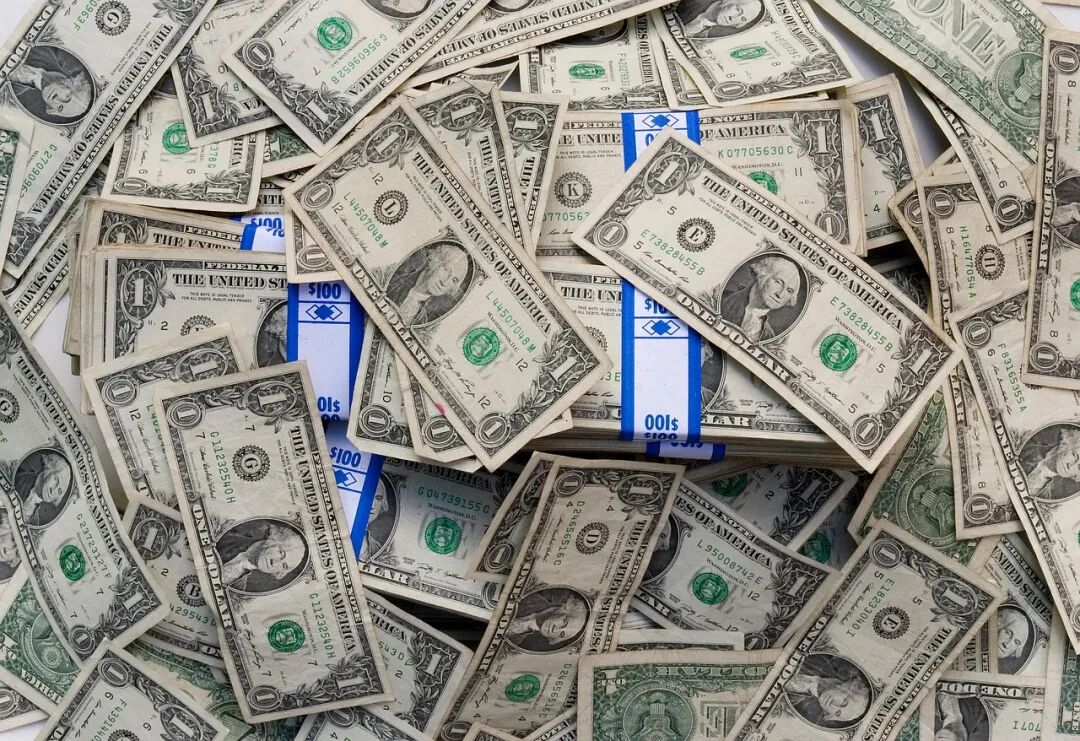
After the symposium, the artist or gallery hosts a banquet, and at the evening’s end presents each participating critic with an envelope containing a sizeable “travel and expense fee” or “service fee” — this is the so-called “red envelope.” The thickness of the envelope determines the force of the praise. Much of some critics’ important income derives from attending such events. This naked monetary transaction utterly destroys the independence of criticism. The critics know full well they have been invited not to offer genuine insight but to complete a “commissioned assignment,” providing “academic” decoration for a commercial event. As an industry insider put it, when the red envelope grows thick enough to block the face, the dignity of scholarship disappears. The widespread prevalence of this phenomenon has severely polluted China’s artistic ecosystem, making serious academic discussion all but impossible, and casting a stain upon the very title of “critic” in the Chinese context that is hard to wash away.
(3) Catalogue Essays: The Critic’s Most Important Grey Income
Apart from symposia, one of the critic’s most important sources of income is writing prefaces or catalogue essays for artists’ monographs. For many artists, publishing a handsome catalogue containing essays by famous critics is an important step in establishing their “academic standing.” They are therefore willing to pay high fees to commission such texts. Yet this commissioning relationship determines the nature of the essay from the outset.
This is not an equal scholarly invitation but a clear client–contractor relationship. The artist is the client, the paying customer; the critic is the contractor, the hired pen. In such a relationship, how could the contractor possibly offer sharp criticism of the client’s “product” (the artwork)? The client’s needs are always paramount. Thus catalogue essays are almost one hundred per cent praise. The critic’s task here is not to discover the work’s problems but to excavate its “selling points,” guaranteeing the work’s value with his academic reputation.
These essays are often erudite and saturated with theoretical depth, yet their core function is no different from commercial advertising copy. They are “user manuals” and “value-authentication reports” tailor-made for a specific “commodity.” This writing constitutes the grey zone of the critic’s income. On the one hand it appears in the form of an academic paper; on the other it is thoroughly commercial writing. Many critics rely on writing such texts to maintain a decent living, yet they pay a price for it: the erosion of their independent spirit and the blunting of their critical edge. Once a critic grows accustomed to writing for money, to deploying his knowledge and talent for packaging and beautification, he can hardly return to the role of “judge” that demands courage and sincerity. This community of interests — composed of advertising, red envelopes and catalogue essays — is like an invisible gigantic net, binding the great majority of critics firmly to the chariot of the “PR system,” making them, willy-nilly, cheerleaders for the art market’s prosperity.
V.
After contemporary art criticism abandoned the value judgement of “good” and “bad,” it urgently needed to find a substitute vocabulary to fill the vacuum. The word had to be vague enough not to offend anyone, yet professional-sounding enough to display the critic’s intellectual superiority.
The word “interesting” fulfils this function perfectly. Today, walk into any exhibition and the most frequent judgement you hear is: “This work is very interesting.”
(1) The Work Is “Interesting”
“Interesting” is an extremely cunning word. It seems a positive assessment, yet in fact it contains no substantive aesthetic or moral position. When a critic says a work is “interesting,” he may be hinting that the work is conceptually innovative, or merely that its form is rather unusual, or he may simply be unable to think of another word yet unwilling to say outright “I don’t like it.”
“Interesting” has become a universal safe harbour, allowing the critic to discuss a work safely without bearing any risk of making a judgement.
This “tyranny of the interesting” reflects, profoundly, the cynicisation of criticism. It assumes that the value of art lies not in its intrinsic quality but in how many topics it can supply for talk. A work no longer pursues “beauty,” “depth” or “moving power”; it need only be “interesting,” capable of stimulating the curators’, critics’ and audiences’ desire to interpret. The artwork itself even ceases to matter; what matters is the “discourse” produced around it. This excessive infatuation with the “interesting” leads art criticism down a path of intellectual gamification: it attends to the ingenuity of concepts and the novelty of citation while neglecting art’s most fundamental sensuous force and formal expressiveness. When everyone is content with “interesting” and no longer asks “good or bad,” the seriousness of art is dissolved into a light, irresponsible intellectual pastime.
(2) The Slide from “Quality” to “Relevance”
Accompanying the flood of “interesting” is a core migration of evaluative criteria. In Greenberg’s era the standard for judging a painting was “quality” — a quality manifested in the purity of its form, its medial self-awareness and its visual impact. Today, the core standard for evaluating artworks has quietly shifted from “quality” to “relevance.”
By “relevance” is meant whether a work touches upon the most fashionable social, political or cultural issues of the moment. When today’s critics and curators evaluate a work, their first questions are often: “Does it respond to postcolonial discourse?” “Does it explore the identity politics of gender fluidity?” “Does it employ the latest AI technology?” “Does it attend to global warming and the ecological crisis?”… A work’s value no longer depends on whether it is “well painted” or “brilliantly made,” but on how thoroughly it can be “linked” to these fashionable theoretical discourses.
This slide toward “relevance” shelters a great deal of formally crude, conceptually shallow work. An artist may possess no basic representational ability whatsoever, yet so long as he writes in his work’s statement that he is concerned with “the memory of ethnic minorities” or “the body under digital surveillance,” he instantly acquires a halo of “political correctness” that makes critics dare not easily pass negative judgement on him. Artistic creation has, to some degree, become a kind of “issue speculation.” Like media chasing hot topics, artists keep a close eye on the latest trends in academia and social media, then stick these fashionable labels onto their own work.
This transformation of the evaluative system has led to the “textualisation” and “instrumentalisation” of art. The artwork itself no longer matters; it is reduced to an illustration explicating some social issue. Audiences go to exhibitions no longer to gain a unique aesthetic experience but more like attending a visualised seminar on social problems. The autonomy of art — the power, emphasised by Adorno, whereby art resists reality through form — is sacrificed entirely. When art’s value depends wholly upon its “relevance” to the external world, art loses its unique potential to transcend reality and offer another way of seeing the world. It is no longer a beacon leading us to think, but merely an echo repeating what we already know.
(3) Nicolas Bourriaud’s Relational Aesthetics
If there is a theory that supplies the most perfect intellectual weapon for this critical paradigm of “avoiding good and bad” and “emphasising connection,” it is the “relational aesthetics” proposed by the French curator and theorist Nicolas Bourriaud in the late 1990s.
Bourriaud proposes in his book that the focus of contemporary art is no longer the creation of an independent material object for viewing (such as a painting or sculpture), but the creation of a “social interstice” — a temporary situation of interaction between people. In his view, the value of art lies in whether it can effectively organise a new form of human relationship. Thus works such as Rirkrit Tiravanija cooking Thai food for the audience in a gallery, or Philippe Parreno organising a party, become exemplary works of “relational aesthetics.”

Rirkrit Tiravanija (利克里特·蒂拉瓦尼) | *Untitled 1990 (Pad Thai)* | ingredients for pad Thai, tableware, an electric wok and many people

Rirkrit Tiravanija (利克里特·蒂拉瓦尼) | *Untitled 1993 (Café Deutschland)* (detail) | four chairs, one table, a metal bookcase, stacked books, mixed media, Turkish coffee, and many people
Bourriaud’s theory was, in its time, somewhat subversive, for it challenged the traditional conception of art centred on materiality. In practice, however, it provided theoretical shelter for a great deal of mediocre, trivial, even utterly un-artistic “projects.” Beneath the banner of “relational aesthetics,” “everyone eating a meal together,” “chatting together,” “playing a game together” could all be readily defined as art. The fatal flaw of this theory is that it almost entirely dissolves the objective standards of the aesthetic.
What is the standard for judging a “relational aesthetics” work as good or bad? The number of participants? Whether the atmosphere was lively? Or whether the interaction between participants was “sincere”? These standards are all extremely subjective and unstable. More importantly, Bourriaud’s theory means art no longer needs to be rigorously “looked at” and “evaluated,” but only “experienced” and “participated in.” Faced with a pot of curry, the critic cannot analyse its composition, colour and brushwork as he would a painting. All he can do is describe the interactive atmosphere on site, then “link” it to grand theories about “the public sphere” and “social interaction.”
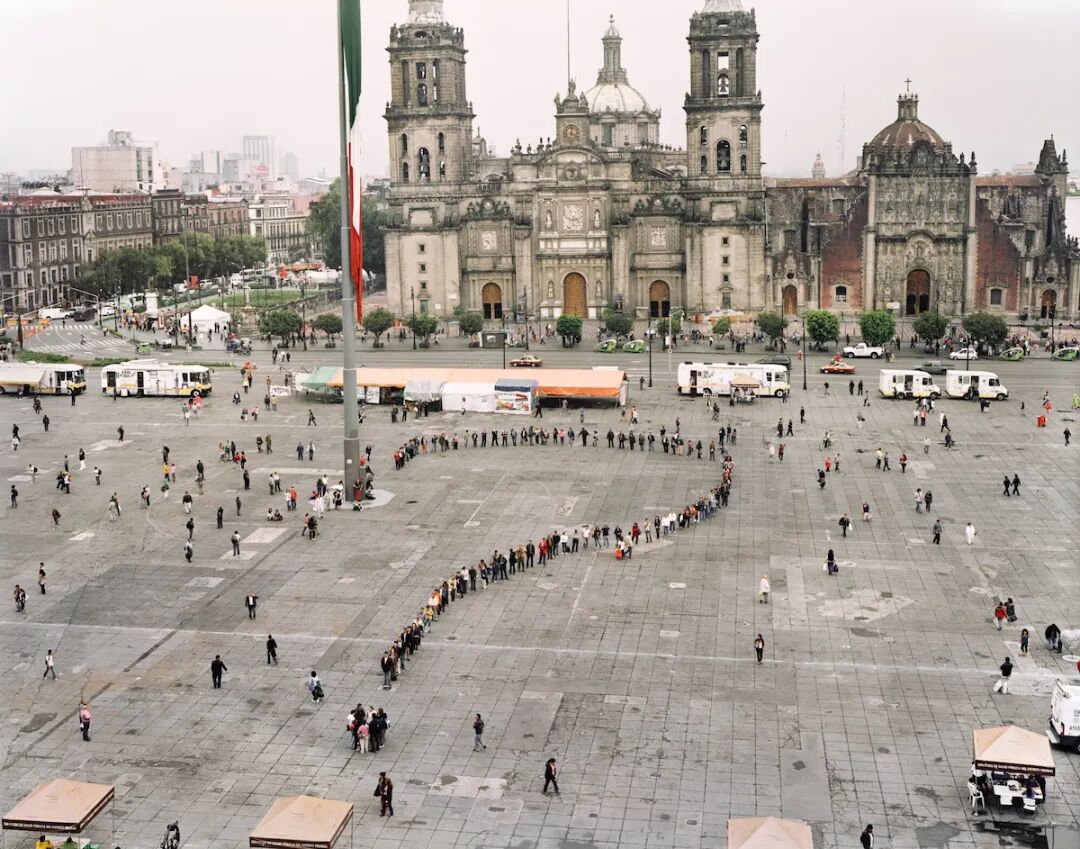
Rirkrit Tiravanija (利克里特·蒂拉瓦尼) | *Untitled 2012 (Remember JK, Universal Futurological Question Mark U. F. O.)* | Zócalo, Mexico City | 2012 | image courtesy of kurimanzutto, Mexico City / New York
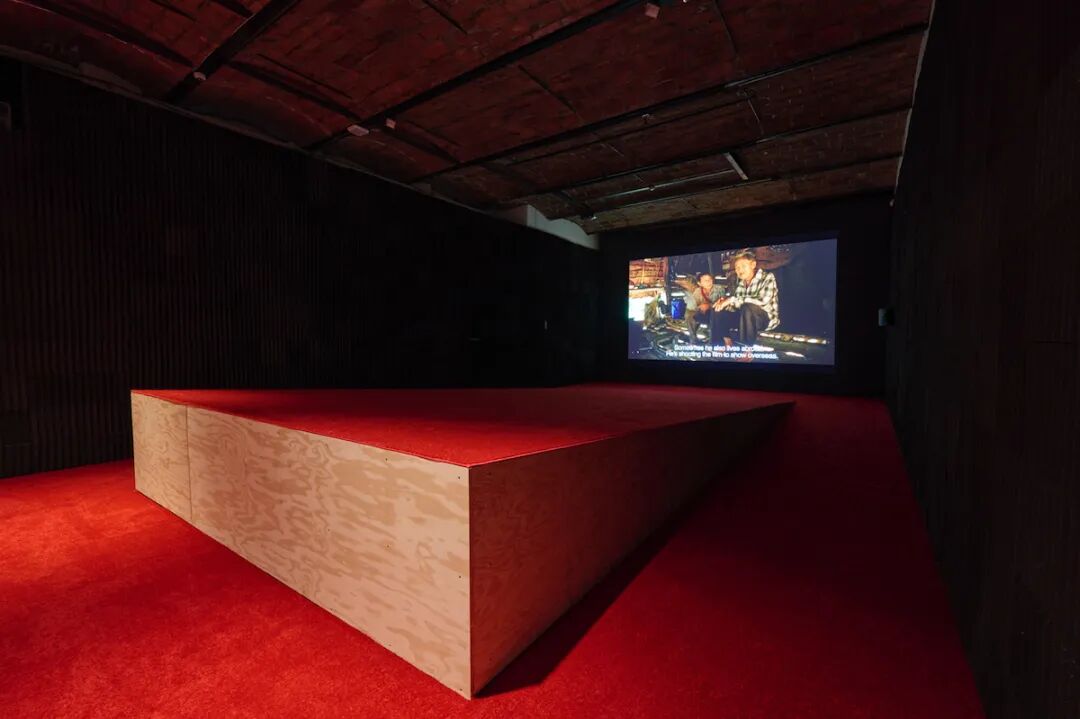
Rirkrit Tiravanija (利克里特·蒂拉瓦尼) | *Lung Neaw Visits His Neighbours* (龙·尼奥拜访邻居) | 2011 | digital video (colour, sound) | 149 min
The popularity of “relational aesthetics” greatly propelled the “de-skilling” and “de-aestheticisation” of art. It lowered the threshold of art to the bare minimum, as if anyone who organised a group activity could declare himself an artist. It supplied the most solid theoretical backing for an artistic practice concerned only with “issues” and not with “form.” With a refined theoretical language Bourriaud successfully defended the “suspension of judgement.”
He tells us we no longer need judges, only the organisers of parties. This theory is like a giant smoke bomb; it releases a thick fog of “interaction” and “participation,” leaving us unable ever again to see the quality and standards that artworks ought to possess.


Philippe Parreno (菲利普·帕雷诺) | *El Almendral* | 2024 | 11 plots of land, representing 30 hectares, equipped with a constantometer, cloud catchers, a weather station, a portable cabin, water tanks, solar lamps, high-speed internet connection, wind cones, beehives, cameras, sensors, microphones, live film, a 12-hour colour-and-sound film recorded for “Sound” at Haus der Kunst, Munich, 2024, certificate of authenticity, land title deed, 100% of the shares of El Almendral S.L., maintenance and installation instructions
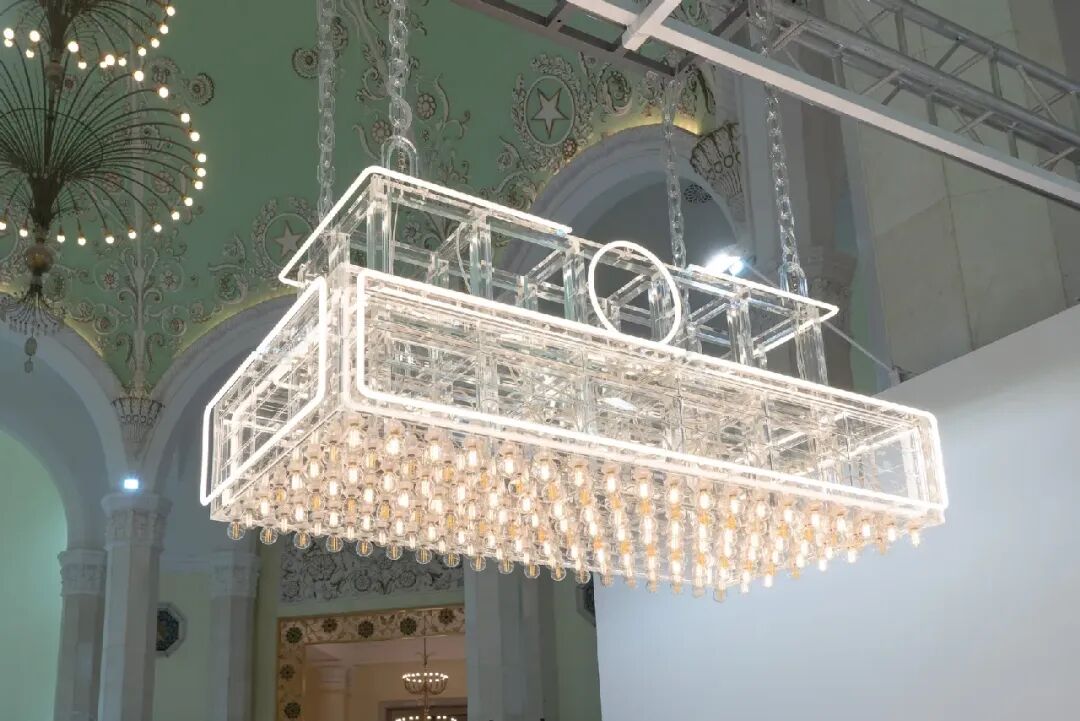
Philippe Parreno (菲利普·帕雷诺) | *Marquee* | 2019 | translucent Plexiglas, 152 light bulbs, 10 neon lights, DMX controller | 178 x 81 x 83 cm / 70 1/8 x 31 7/8 x 32 5/8 in
VI. The Contemporary Art World
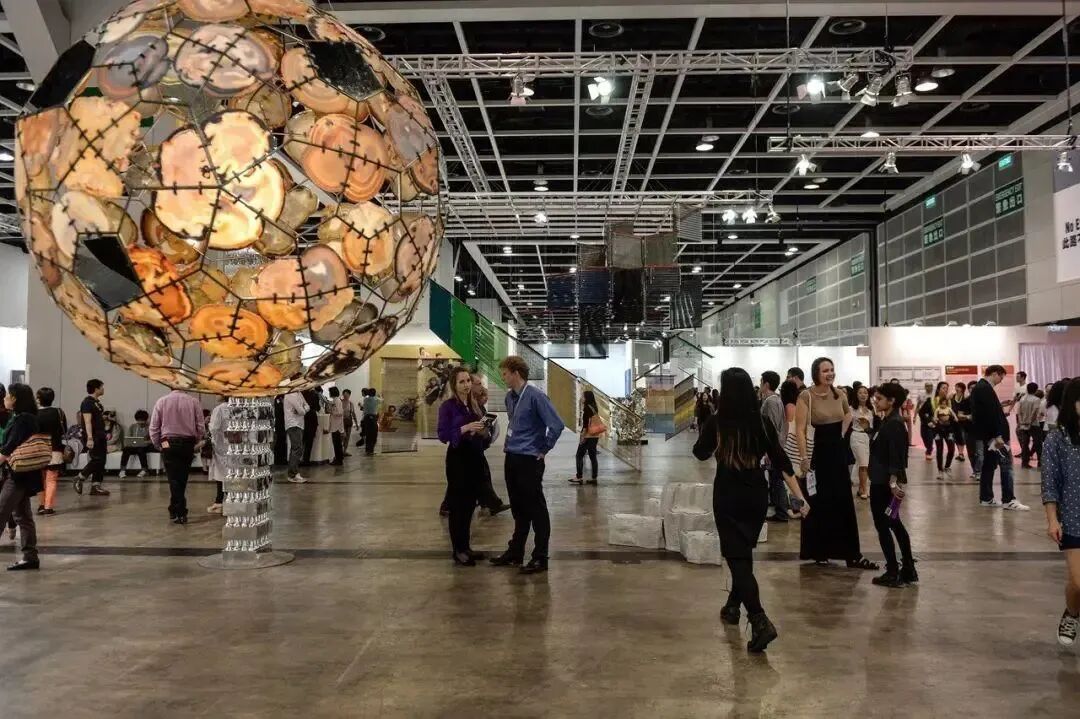
Viewed globally, the contemporary art world seems a vast industry, yet probe into its core and you find it is in fact a very small, highly closed “circle.” Within this circle, curators, gallerists, museum directors, major collectors, auction-house experts and a handful of influential critics form a tight interpersonal network. They meet frequently at the major art fairs and biennales around the globe — Venice, Basel, Miami, Hong Kong — attending the same dinners and parties. For anyone who wants to survive in this profession, maintaining one’s “visibility” and “good relations” within the circle is crucial.
(1) The Fear of Social Death: Swimming in a Small Pond
The nature of this “circle culture” breeds a widespread “fear of social death.” If today you publish, in some magazine, a sharply worded article naming and criticising an artist represented by a top gallery and currently in vogue, what you may face is not merely the displeasure of that artist and gallery; you may find that the artist’s collector (who may also be a trustee of your institution) starts giving you the cold shoulder; the curator closely tied to that gallery “forgets” to invite you to the next project; even an artist you had planned to interview suddenly “has no availability.”
In a small pond, any move sends out ripples. Under the logic of the PR system, a negative review is no longer regarded as normal academic discussion but as an “unfriendly” act of “aggression” that disrupts the circle’s harmony. The consequence is that at the next fair’s drinks reception you may be treated as air, excluded from important exchanges of information and distributions of opportunity. For a practitioner who treats “connections” as core capital, this is tantamount to a career “social death.”
Thus, in order to keep “getting by” in the circle, the vast majority choose “friendliness” and “silence.” They bury the edge of criticism deep, and instead utter harmless, inoffensive pleasantries that offend no one. This fear of exclusion, like an invisible tightening band, strangles most people’s courage to speak the truth in public.
(2) Mutual Back-Scratching: A Ponzi Scheme of Commercial Mutual Praise
On top of the passive defence of “not offending anyone,” circle culture has also spawned a more active mode of collusion: “mutual back-scratching.” This is a systematic, interest-exchange-based mutual flattery, and in essence a “Ponzi scheme of reputation.”
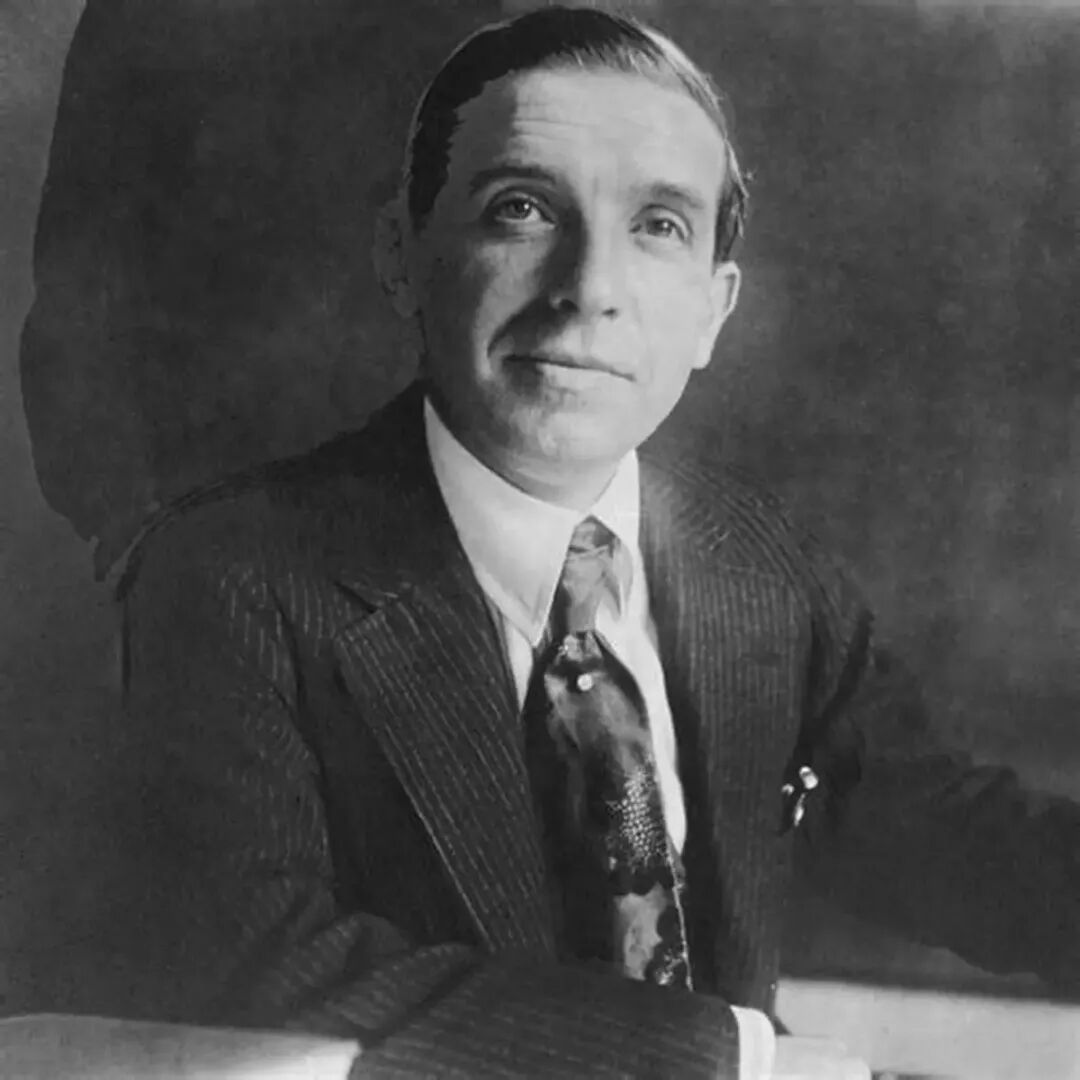
A Ponzi scheme is originally a classic trope in financial fraud, named after an American called Charles Ponzi. Its original, most standard meaning: the swindler declares to the outside world: invest with me and I’ll give you sky-high returns. But he has no real investment project whatsoever, creates no profit at all. Using the money of later investors, he pays the earliest batch of investors as “earnings.” Relying on the illusion that the early people made money, he draws more people in to invest. Once no newcomers come in, the capital chain snaps at once and everyone loses everything.
In short, it is robbing Peter to pay Paul — a fake profit-making scam sustained by constantly drawing in new people. This is exactly the case in the art world; in the art world there is no genuine artistic value judgement, only mutual circle-praising and mutual endorsement, inflating “reputation,” using new connections, new exhibitions, new flattery to sustain the previous “fame bubble.” Once no one keeps on praising and no one takes over, this false reputation collapses at once.
Its mode of operation runs as follows: a curator mounts an exhibition and invites his critic friends to write positive reviews; in return, when that critic publishes a new book, the curator uses his influence to organise a book launch and invites the artists and collectors in his circle to show up. A gallerist represents a young artist and persuades a collector friend to buy the work, promising to sell it on at a higher price in future; that collector’s purchase is then used by the gallery as a “market weathervane” to attract more buyers. Artist A writes the preface for Artist B’s exhibition catalogue; Artist B, at the next group show, recommends Artist A to the curator.
In this system, reputation and money are passed on and amplified like a game of pass-the-parcel. Everyone endorses the next person in the chain, thereby jointly sustaining and raising the total “symbolic capital” of the whole circle. As Pierre Bourdieu analysed, actors within a field accumulate and consolidate their respective capital through mutual recognition. Today’s art world has pushed this to an extreme. Praise is no longer an aesthetic judgement but a social currency, a tool for investment and exchange. The “investment” of a piece of praise in you today is so that tomorrow I can “cash in” some return brought by you or your friends.
The danger of this reputation Ponzi scheme lies in its being a self-circulating, self-validating closed system. So long as everyone in the circle keeps flattering one another, external doubt can hardly penetrate. A mediocre artist can be packaged by this system into an “academic rising star”; a hollow exhibition can be interpreted as an “event of the year.” The reputation bubble this system manufactures is no different from the asset bubbles of the financial market. It depends on the continuous injection of “confidence,” and any honest, negative criticism is regarded as a malicious act attempting to burst the bubble, and is thus collectively excluded by the entire system.
(3) Only “Promoters” Remain: The PR-ification of Criticism
Under this circle culture and structure of bound interests, the traditional “critic” exists in name only. In his place has come a new type of art writer, whom we might call a “promoter” or “art publicist.”
Their core task is no longer to try a work like a judge, nor to analyse it objectively like a scholar, but to act like the copywriter of a professional PR firm — finding “selling points” for the work and communicating them effectively to potential “consumers” (collectors and audiences). Their writing is a typical “marketing-oriented writing.”
Before putting pen to paper they first ask: what is this artist’s “persona”? Is he a “conceptually profound intellectual type” or a “consummately skilled craftsman type”? What is the exhibition’s “core selling point”? Is it that it “employs frontier technology” or that it “responds to a social hotspot”? Their article structure often follows PR-logic: open with a captivating story or theory, then set out the artist’s “core idea,” then analyse a few representative works to confirm that idea, and finally close with a hopeful, laudatory ending hinting that this artist “has great prospects” and is “worth long-term attention” (i.e. “worth investing in”).
These “promoters” are well versed in theoretical terminology and familiar with the lineages of art history, yet they deploy this knowledge not for truth but for “encryption.” With obscure language and complex theory they complicate the simple and deepen the mediocre, thereby erecting a barrier of knowledge between the artwork and the ordinary viewer. The function of this barrier is to make the viewer feel that his “inability to understand” is due to his own “insufficient level,” and thus dare not easily question the work’s value.
At the same time, this “encrypted” writing also sustains the writer’s own elite status as “interpreter.” By monopolising the power of interpretation they become an indispensable link in the chain of art’s value. In this age of nothing but “promoters” and “copywriters,” writing is no longer for clarification but for “manufacturing fog”; no longer for judgement but for “promoting sales.”
VII. So That Our Critique Does Not Degenerate into Empty Moralising
So that our critique does not degenerate into empty moralising, we must direct our gaze and our scalpel precisely at those typical figures and phenomena that played key roles in strangling criticism. Naming names in critique is not for personal attack, but to reveal, through analysing these highly representative cases, how the “PR system” operates in practice.
(1) Jerry Saltz: The “Influencer-isation” and “Theatricalisation” of Criticism
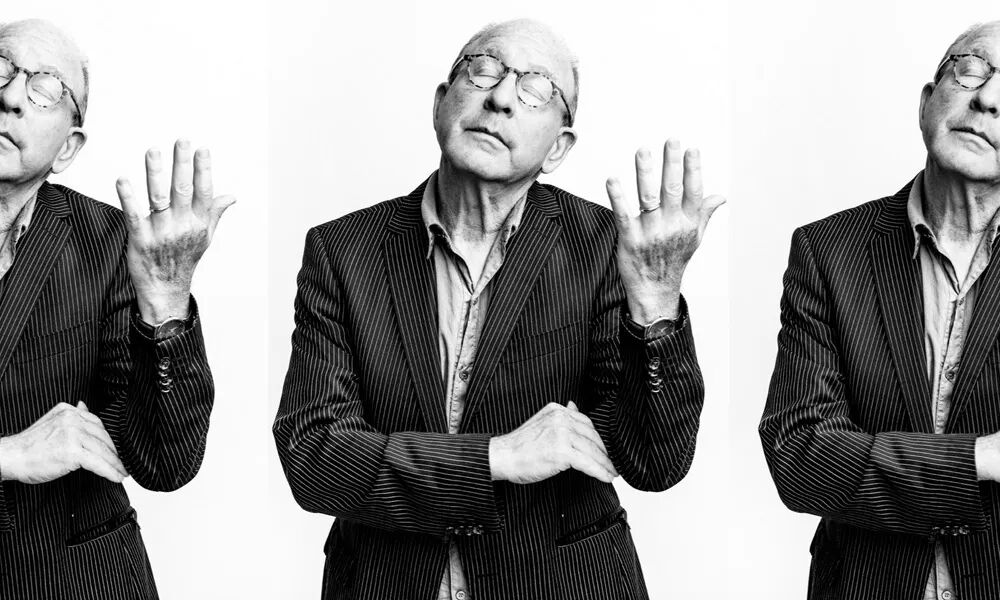
In the United States, Jerry Saltz — Pulitzer-winning critic and senior art critic at *New York* magazine — is an extremely complex and contradictory phenomenon. On the one hand, he is unquestionably one of the boldest, most truth-telling critics in the Anglophone world today. He does not stint on words like “garbage” and “abysmal,” and dares to challenge market titans such as Damien Hirst. From this angle he seems an heir to the Greenberg–Hughes tradition.
Yet we must see the other side of the Saltz phenomenon. He has thoroughly transformed art criticism from a serious, text-based intellectual activity into a “reality-show performance” and “narcissistic carnival” conducted on social media. His main arena has shifted from the magazine page to Instagram and Facebook. With capital letters, exaggerated exclamation marks, vulgar language and various selfies, he has fashioned a “rock-star,” “troll”-style critic persona. His criticism is often not unfolded through rigorous argument but presented as an emotional, slogan-like catharsis.
This “influencer-isation of criticism” carries a double consequence. The positive side is that, in an accessible way, he breaks the elitist barrier of art criticism and attracts large numbers of young readers. But the negative — and more fundamental — side is that he sacrifices the depth and seriousness of criticism in exchange for social media “traffic” and “likes.” Many of his so-called “critiques” resemble a carefully calculated “persona” performance, whose primary aim is not to arrive at the truth of art but to sustain his public image as the “conscience critic who dares tell the truth.” His writing is saturated with self-reference and personal anecdote, and the artwork itself often sinks to the status of a backdrop displaying his own personality.
Jerry Saltz represents another degeneration of criticism in the contemporary media environment: when criticism is no longer co-opted by capital, it may instead be hijacked by the “attention economy.” To stand out in the torrent of information, criticism must become louder, more extreme, more entertaining. In the end, criticism itself becomes a commodity, a consumer good.
Saltz’s success precisely proves that in an age of “amusement until death,” even the seemingly most radical critical posture can be readily co-opted into the logic of consumerism and become part of the society of the spectacle. He is not using judgement to confront the market, but using a new performative form to succeed in another dimension of the market. A similar model has appeared in recent years in our own country, especially in the short-video era: without any strenuous thought or rigorous training, some perform an indignant, blanket-condemnation routine against traditional Chinese painters and oil painters, thereby, through sheer novelty-seeking, becoming pets of worthless traffic.
(2) The Academic Curator: The Academic Bureaucrat
Another force that strangles criticism lurks within what seems the most detached of institutions: the academy. They are the “academic bureaucrats” occupying high positions in the major art academies, holding vast academic resources and administrative power. In our own country this group is especially large and far-reaching in its influence.
These professors and department heads of the academy often also double as curators, biennale jurors, art-award selectors and so on. They hold the discursive power to define “what counts as good art,” shaping the growth paths of generation after generation of young artists. Yet the exhibitions they curate — above all those large government- or institution-funded biennales and themed shows — frequently display a startling mediocrity and conservatism. The exhibition themes are often grand, hollow slogans, and the selection of participating artists is often based on interpersonal relations and circle-balancing rather than genuine artistic standards.
More seriously, this group has formed, within itself, a closed, self-sufficient “honour-exchange” system. The professor at Academy A curates a show and invites the professor at Academy B to be academic chair; the professor at Academy B organises a forum and invites the professor at Academy A to give the keynote. They write prefaces for each other’s edited catalogues, and confer upon each other various named academic awards. This constitutes a “circular internal circulation of power.” Within this circuit, genuine, external, sharp critical voices are systematically excluded. For any criticism of a circle bigwig is regarded as a challenge to the entire academic community, and the challenger will pay a heavy price.
These academic bureaucrats use a seemingly rigorous scholarly language to mask the favour-trading and absence of standards in their curatorial and award practices. They are the chief manufacturers of “inflation of interpretation”: within their web of personal favours they can read profound hidden meaning into any mediocre work. The way they strangle criticism is not through commercial bribery but through a more concealed “academic” suppression. These people have virtually become the “academic warlords” of the art world, the most dangerous enemy of the critical spirit, for in the name of “academia” they practise the strangling of academia itself.
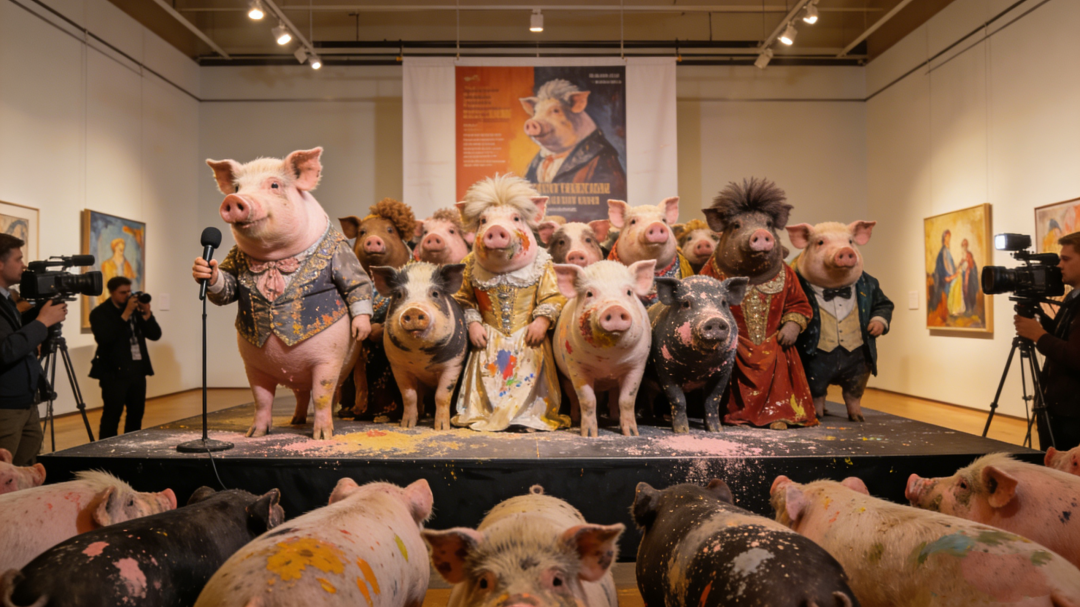
Finally, we must attend to a newly emerged writing phenomenon widely present across the major art public accounts and online media: the so-called “curatorial-speak.” The writers of this style are typically young curators or writers trained in overseas art theory.
The defining features of “curatorial-speak” are: heavy use of long translationese sentences, piling up the latest Western theoretical terms (such as “posthuman,” “the ontological turn,” “the Anthropocene,” “algorithmic governance”), obscure and abstract language, saturated with unnecessary nominalisations and passive voice. Reading these articles you often feel the author is not thinking in Chinese but in a kind of “theoretical English,” then forcibly translating it into Chinese. Especially after the widespread use of AI in recent years, some curatorial-speak copy has become ever more crudely machine-made — so long as the audience can’t understand it, that’s enough.
The popularity of this writing style aims not at clearly elucidating art but, on the contrary, at “encrypting” it. By constructing a discourse ordinary readers cannot understand, the writer fashions himself into an elite who holds “high-level knowledge.” They are like the “priests” of the art world; only through their translation can mortals catch a glimpse of art’s “oracle.” This writing is essentially a display of epistemic power, its subtext being: “If you don’t understand, that’s your problem.”
The “curatorial-speak” writer is a mutation of the “PR system” among the younger generation. They no longer take red envelopes directly like the older generation, but instead monopolise a fashionable, internationalised “theoretical discursive power” in exchange for “symbolic capital” within the art circle. They supply the most perfect “academic packaging” for those artists and galleries equally keen to chase theoretical trends. Their articles are not a bridge to the work but a fog lying between work and viewer; they produce no judgement, only terminology, successfully using linguistic smoke bombs to evade all the difficult questions of “good and bad,” and thereby, beneath a seemingly avant-garde, radical posture, perfectly serve a collusion system that refuses judgement and speaks only of “relevance.”
VIII. (1) Price Is Truth
(1) Price Is Truth
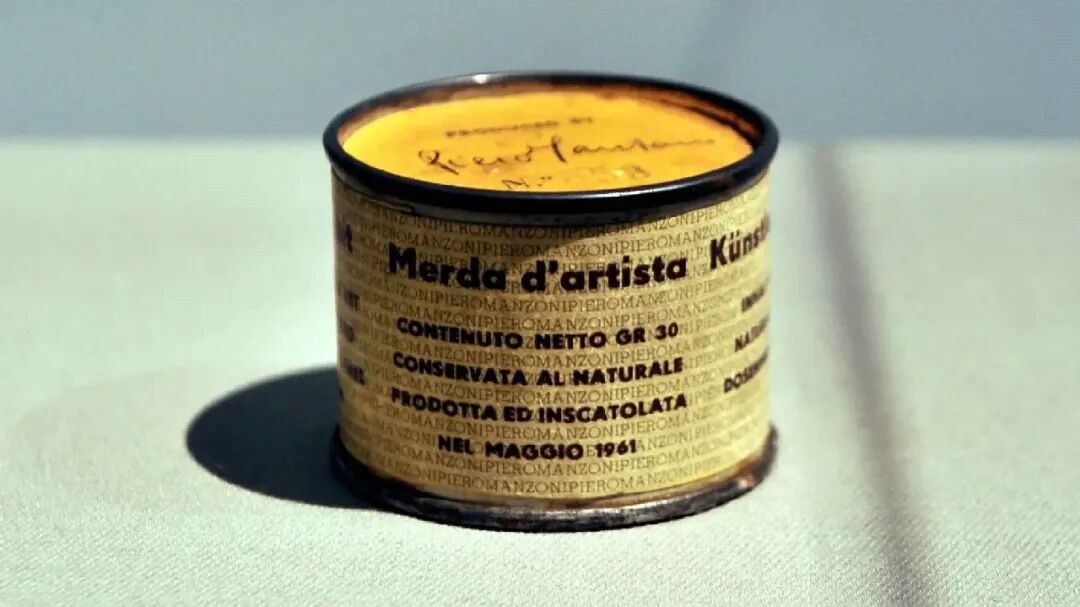
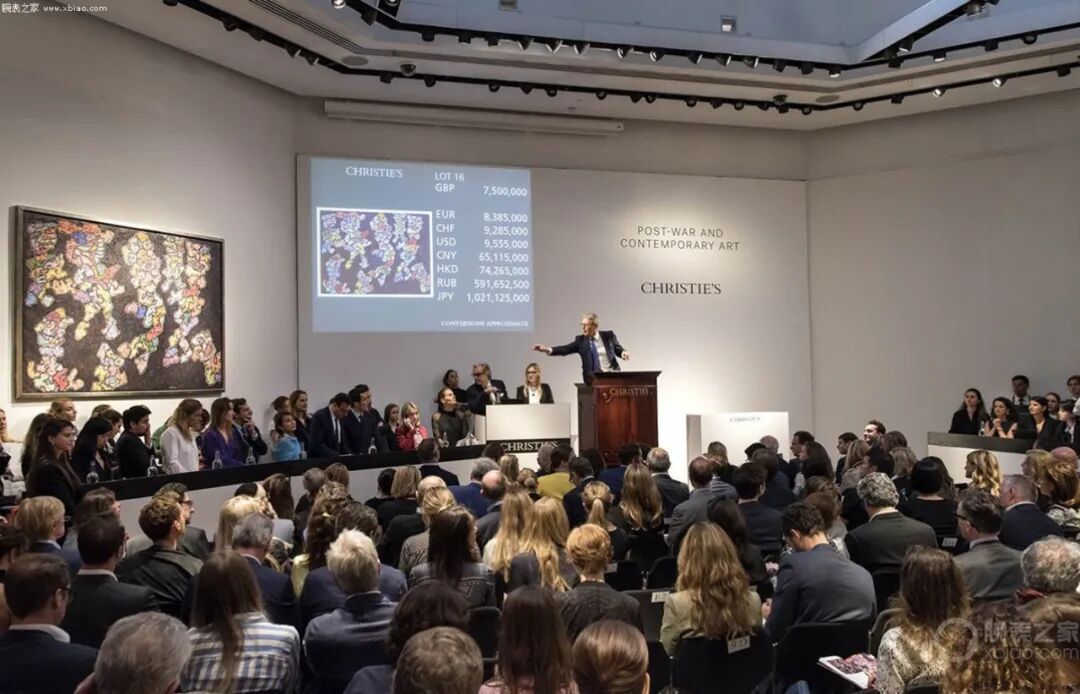
When critics fall silent en masse, when curators focus on weaving relationships, when academia indulges in internal circulation, a vast vacuum of value appears in the art world. In this vacuum only one voice grows ever louder: the voice of the market. The fall of the auctioneer’s hammer becomes the final judgement on an artwork’s value. Price, replacing aesthetic, historical and social judgement, becomes the sole truth by which art is measured.
In the “PR system,” whether a work is good or bad no longer matters; what matters is whether it can be “narrated” into a good investment story. This story needs to contain the following elements: an artist who is “academically important” (demonstrated by the collaborating critic and curator), a clear “market trajectory” (constructed by the gallery through primary-market price management), and the endorsement of several “important collectors.” Once this story is successfully built — like a grand drama that, once begun, cannot stop — the work can be sent to auction, where a public, theatrical bidding war stamps an “objective” seal upon its price. The annual financial reports of auction giants such as Sotheby’s and Christie’s have become documents more authoritative than any art-historical treatise. According to *The Art Market Report 2024* published by Art Basel and UBS, despite market fluctuations the prices in the high-end market remain firm, showing capital’s confidence in top “blue-chip” artworks.
This logic of “price is truth” leads to extreme distortion of the art market, with astronomically priced trash holding sway. Those works with no visual novelty and clichéd concepts can, merely because they come from the hand of some “market star,” fetch staggering prices. And capital’s profit-seeking, in turn, affects the production of art. Artists no longer devote themselves to refining their artistic language and deepening personal experience, but begin to study “what kind of work sells.” They imitate successful styles on the market, manufacturing “luxury goods” easy to collect and display. Artistic creation declines from a spiritual exploration into a market-oriented product design.
The high financialisation of art — above all once artworks are regarded as an asset class no different from stocks or real estate — further intensifies this trend. In *The Art & Finance Report 2025* published by Deloitte and ArtTactic, it is pointed out that a growing number of high-net-worth individuals include artworks in their asset-allocation portfolios, their primary consideration being investment return rather than aesthetic value.
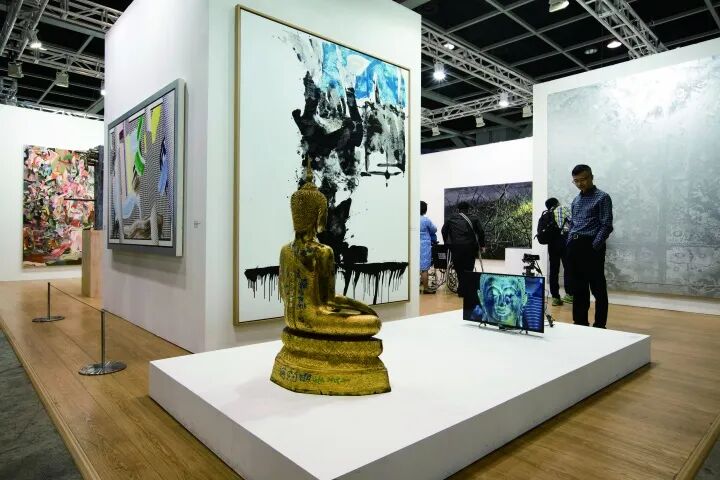
Facing an art world ruled by astronomical numbers and obscure theory, the ordinary viewer feels a double sensation: both alienated and awestruck. When they walk into a museum and see a work that looks like a child’s scribble, or a few pieces of industrial rubbish picked up from the scrap yard, their first reaction is often “What on earth is this?” Yet when they see the price tag of several million dollars and, beside it on the wall, the “curatorial-speak” text saturated with terms like “object ontology” and “non-anthropocentrism,” they immediately begin to doubt their own judgement.
The absence of criticism leaves the viewer without a trustworthy “second opinion”; they have no way to judge whether the work before their eyes is a genuine groundbreaking masterpiece or an over-packaged emperor’s new clothes. Trapped in this information asymmetry, most viewers choose to suppress their true feelings and accept the authoritative conclusion instead. They tell themselves: “Maybe I just don’t get it,” “There must be some profound philosophy here.” Over time they fall into a state of “learned helplessness.” They no longer trust their own eyes and inner feelings, but passively wait for the expert to tell them how they should “correctly” understand a work.
This collective self-doubt is crucial to the maintenance of the entire PR system. It ensures the viewer’s compliance, making them dare not raise questions in public, thereby protecting the fragile value bubble jointly constructed by capital and discourse. Art — a realm that ought to liberate human sensibility and stimulate independent thought — here becomes a place of disciplining and shaming the public. With an elitist posture it constantly reminds ordinary people: “You are laymen; you have no qualification to judge.” The audience’s confusion is precisely the result this system is only too happy to see.
(3) Bad Money Drives Out Good: The Plight of the Serious Artist
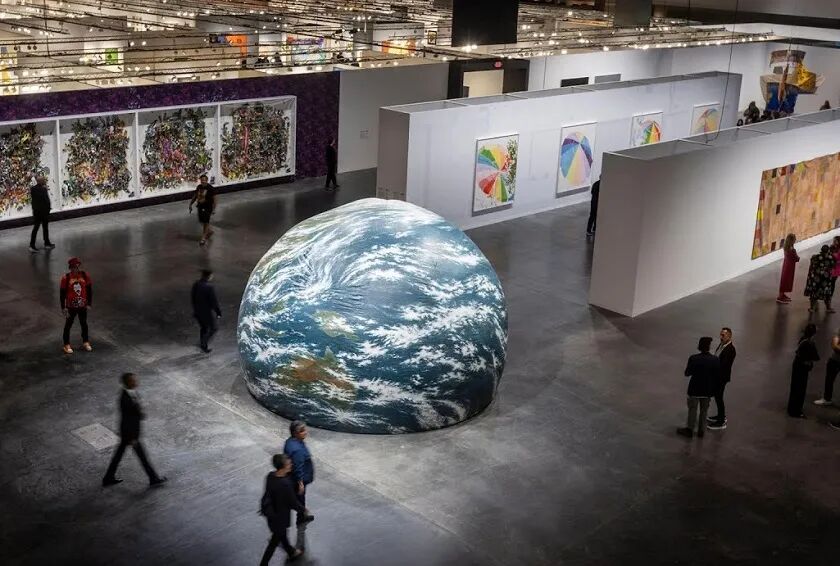
When the market’s carnival merges with the audience’s confusion, the final result is the tragedy of “bad money driving out good” playing out in the artistic ecosystem.
Those artists who are genuinely serious — still quietly honing their personal craft, deeply exploring a unique artistic language — are often marginalised by this system. The importance and “legitimacy” ratio of personal craft and artistic language is another topic, set aside for now; here I only mean that their work may fail to enter the curator’s field of vision for being “not fashionable enough,” may be ignored by critics for “lacking theoretical selling points,” or may fail to win the favour of galleries and collectors for “not mixing in the circles.” They are like farmers who insist on traditional methods, appearing anachronistic, even “inefficient,” in the great flood of industrialised agriculture.
Meanwhile, those “opportunist” artists adept at self-marketing, keeping up with academic trends and skilled in interpersonal relations find it easier to succeed. They may have no singular artistic gift, but they know how to package themselves, how to stick the most fashionable labels onto their work, how to say exactly what curators and collectors most want to hear. Their work, like fast-fashion clothing, is rapidly produced, rapidly fashionable, and rapidly forgotten. Yet they occupy the museum’s exhibition halls, win the media’s column inches, and suck up the vast majority of the market’s capital.
IX. Thus Far
Having argued thus far, what we have depicted is a contemporary art world in which value judgement is suspended, collusion of interests replaces independent thought, and market logic overwhelms everything. Faced with such an apparently impregnable “system,” any attempt at change seems naive and powerless. Yet precisely because the illness has penetrated to the marrow, we need all the more to think about the possibility of a cure. To rebuild a healthy artistic ecosystem, the core lies in rebuilding criticism in its true sense. And the first step in rebuilding criticism may be to rebuild an attitude we have long been estranged from: malice.
(1) Calling for “Toxic” Criticism: Malice as a Cleansing Agent
The “malice” we speak of here is not personal attack or groundless abuse. It is a “sacred malice” — a resolute posture of negation that refuses to be co-opted by the tender “understanding” and “tolerance.” In an art circle where everyone is a “good person,” the responsible art critic must be the one daring to play the “villain.”
This “toxic” criticism is necessary because it is a powerful cleanser. It can wash away the greasy grime of theoretical jargon and commercial rhetoric clinging to the artwork’s surface, letting the work appear as it truly is. It can pierce the reputation bubbles inflated by capital, exposing the emperor’s new clothes; it can also shatter the harmonious illusion of mutual back-scratching within the circle, letting the suppressed truth be spoken.
A “toxic” critic must possess intellectual honesty and moral courage. He must place loyalty to art above the maintenance of interpersonal relations. As Roland Barthes put it, the essence of criticism is to disturb language. Good criticism disturbs the art world’s fluent, smooth, everyone-wins “PR language,” re-introducing judgement, standards and value with a coarse, untimely, even “venomous” language. What we need is not more social workers but more “art police,” patrolling everywhere, ready at any moment to issue a ticket for those “art crimes” (mediocrity, imitation, opportunism). This seemingly “toxic” act is precisely what is needed to “disinfect” the entire ecosystem.
(2) Building an Independent Publishing Platform: Planting Crops on Saline-Alkali Land
“Sacred malice” requires courage, but courage also requires institutional support. In a media environment deeply bound up with commercial interests, independent critical voices can hardly find space to survive. Therefore, building a truly independent publishing platform — free from gallery advertising and commercial sponsorship — has become an urgent task.
This is unquestionably planting crops on saline-alkali land; the difficulty can well be imagined. Such a platform may need to rely on support, or adopt a reader-crowdfunding or paid-subscription model. It must be financially decoupled, completely, from the object of its criticism. Its authors must also be a group who regard criticism as a vocation, not a means of livelihood. They may be scholars within the system who retain a critical spirit, or amateurs entirely outside the art circle. What matters is that this platform must defend one core principle: answerable only to art itself, to no personal favour and no interest.
Such a platform will inevitably be marginal and niche at first. But so long as it consistently provides sincere, incisive, high-quality criticism, it may gradually accumulate credibility. It will become a gathering place for those viewers, artists and young practitioners who likewise feel confused and weary. It will be like a crack letting light into this closed, dark room. In the internet age, the material cost of building such a platform is not high; the real challenge is whether we can still find enough writers possessed of independent spirit and the courage to judge, and readers willing to pay for serious content. This is not merely a media experiment but a social mobilisation around whether we still believe “criticism is possible.”

Calling for “malice,” rebuilding criticism — its ultimate aim is not to destroy art. On the contrary, it is to save art. An art world that has lost criticism is like a body that has lost the sense of pain. It may feel no suffering, yet it also cannot detect the cancer quietly spreading within. Sharp criticism is that discomforting “pain” — it warns us where something is wrong, forcing us to confront and resolve it.
Criticism is not to embarrass the artist but to help him create better. The genuine artist welcomes sincere criticism, for it is the mirror of his self-transcendence. Only the opportunists and frauds fear the sunlight of criticism. Criticism is not to confuse the audience but to equip them with the tools and confidence to judge. It tells the audience: you have the right to trust your own eyes, you have the right to say “I don’t like it.” Criticism is not to destroy the market but to make it healthier and more rational. A market in which criticism exists can effectively allocate resources to art of genuine value, rather than merely rewarding those most skilled at marketing.
Therefore, the negativity of criticism conceals within it the deepest affirmation. It affirms that art has its highs and lows, its sincerity and its falsehood; it affirms that we humans possess the capacity to make aesthetic judgements, and that this capacity is worth defending. What it ultimately affirms is this: art is a serious undertaking concerning the human spiritual world, and it deserves to be held to the strictest standards and treated with the most sincere heart.
订阅艺术评论
订阅即赠《2024中国当代艺术关键词》内部思考笔记 PDF
每周免费获取最新当代艺术批评与研究