I. The Summer of 2022
One midday in the summer of 2022, it was sweltering. A friend came to find me; I dragged myself out, puffing with the heat, joked with him, and we stepped into a restaurant.
He asked how I had come to Songzhuang. I said that after breaking up with my girlfriend at the end of last year I had nowhere to go, and a young painter friend of mine named Wang Ze had helped me move my things to Songzhuang. “Truly wretched,” I said with a bitter smile. “Wang Ze, the driver and I — the three of us saw in the New Year in the back of a Huolala van.”
“That’s bleak enough,” said the friend, lighting a cigarette. “And Wang Ze?”
He knew Wang Ze too; in this line of work it is normal for everyone to know everyone. “He should still be around, I suppose. I haven’t been in touch for half a year,” I said. “I messaged him just the other day.”
I feel deep gratitude towards my friend Wang Ze. At the end of last year, when that girlfriend broke up with me over some fit of pique, the landlord was alarmed and threw me out. “Move out today,” said the landlord. I cursed helplessly. “Let’s move to Songzhuang,” I thought, and dialled Wang Ze’s number.
He came that very evening. I remember that figure. Beijing is full of people, but few will help you when you are down and out — and this was New Year’s Eve, the move finishing after two in the morning.
“Leave the bad luck in the old year; this year can only get better,” he said, in a Tianjin accent with a touch of Tangshan.
As I was thinking this, another friend walked into the restaurant; the three of us exchanged greetings and sat down. “I’m very grateful to Wang Ze,” I said. “But the lad is elusive — I haven’t been in touch for months.”
“Who?” The friend’s expression turned grave.
“Wang Ze,” I said.
“You don’t know yet?” he said, his face heavy as he looked from me to the friend who had just arrived.
I shook my head.
I heard him say, “He’s gone.”
“Gone where?” I asked.
“He liked to drink — I only heard this from others — one night he was drinking with some friends and got into a car crash. He didn’t make it.”
“Who didn’t make it?”
“Wang Ze.”
“What month was it?”
“Mid-March.”
After that, I can no longer recall what they said. The shifting of the world made me forget the stuffiness of the moment. I only remember that just days before I had messaged him saying I had moved, and inviting him over when he had time. He never replied.
I wanted to do something for this friend who had been at my side. I thought and thought, yet found myself at a loss. I searched for his information online and came across the art criticism I had once written for him — he had waited many days for that essay. On Douyin I found his videos, including a clip of him, a little drunk, talking about his own paintings: there was a certain arrogance about him, yet watching it — that arrogance, that measured precision, that meticulousness, even a lovable quality — I felt a pang. I closed the phone; in the vast sea of faces, his figure would no longer appear. Someone said we all board the same bus and meet along the way, the only difference being that we get off at our stop while he simply got off early, to catch another bus.
In terms of the vanity fair, he has exited the stage — as a young painter and calligrapher. From a friend’s perspective, he left without warning; I heard there was a simple funeral at the time, but after all it was a sorrowful thing, a young life cut short, with no elaborate publicity. Yet friends like him are few and far between in anyone’s life. Setting aside the elite taste reeking of art-world commerce, he was for the most part a man of genuine feeling, a man who honoured the loyalties of the jianghu. If that “jianghu” still exists, he deserves to be remembered.
I want to write of his contribution, and of the man himself. I know his information and his paintings can still be found online now, but that will slowly become a luxury. Many art professionals spend their whole lives merely hoping to be searchable; the vanity fair and the public’s attention span are only so large, as one steps down another strides up. Before long, his information will be buried beneath others’. What may remain visible is only a few of his works from life, with no time to spare for the thought that he could have broken through — had he lived, that is. Fifty years on, apart from family and friends, perhaps few will remember that young painter and calligrapher. If so, then if later people read my words and thereby come to know Wang Ze — his art, his arrogant yet gentle and inwardly timid heart, his story — that too is a kind of keepsake for me.
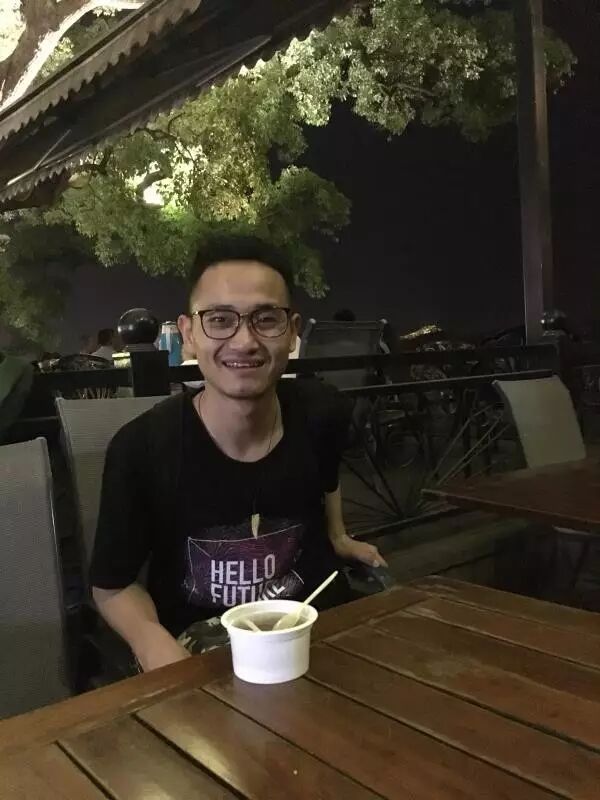
II. Wang Ze Was One Year My Junior
Wang Ze was one year my junior, born in 1989.
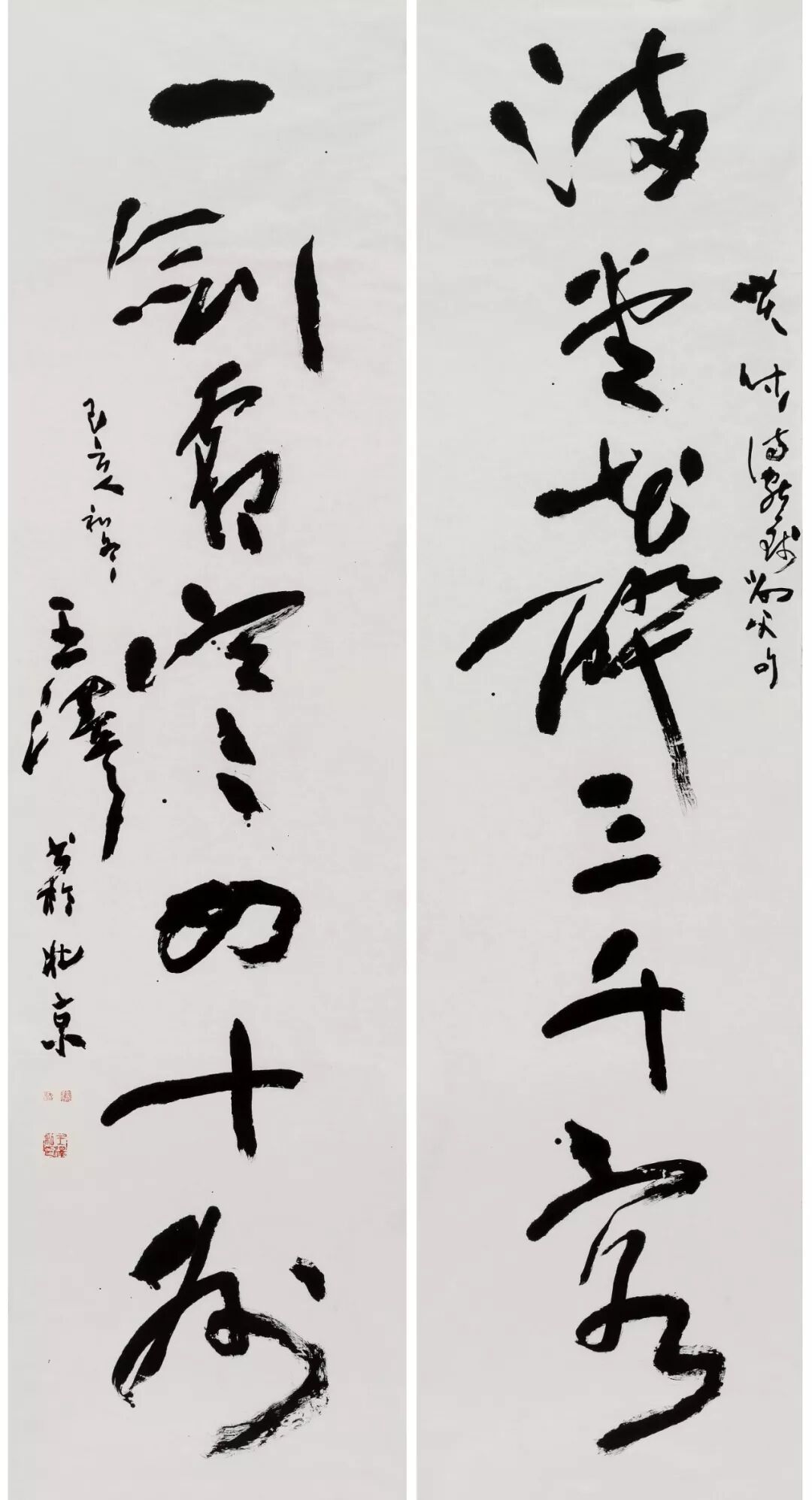
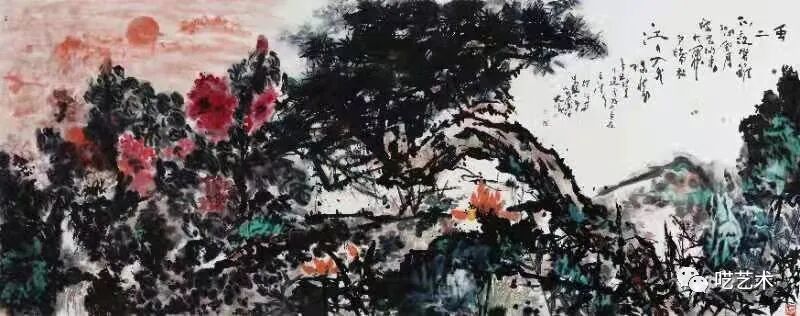
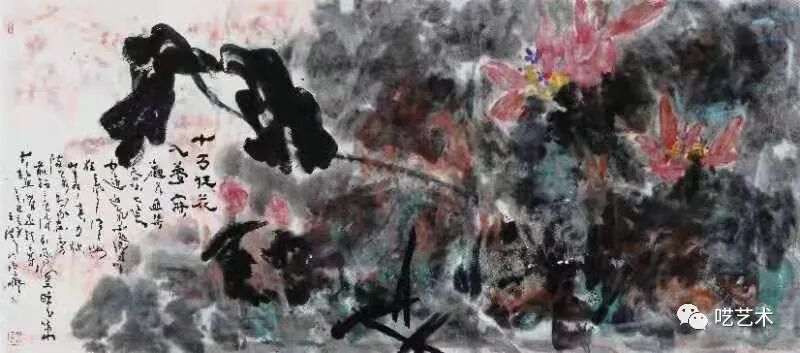
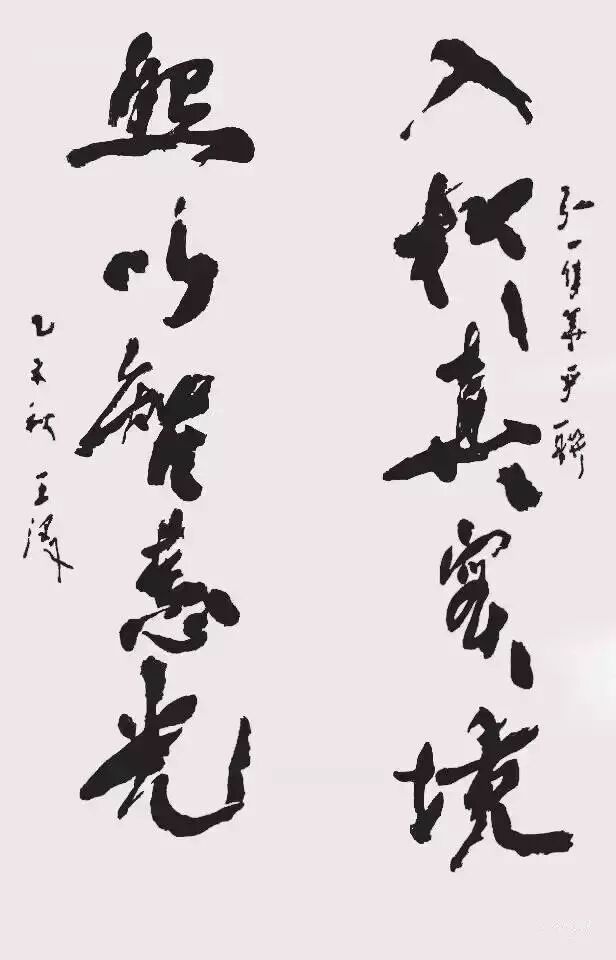
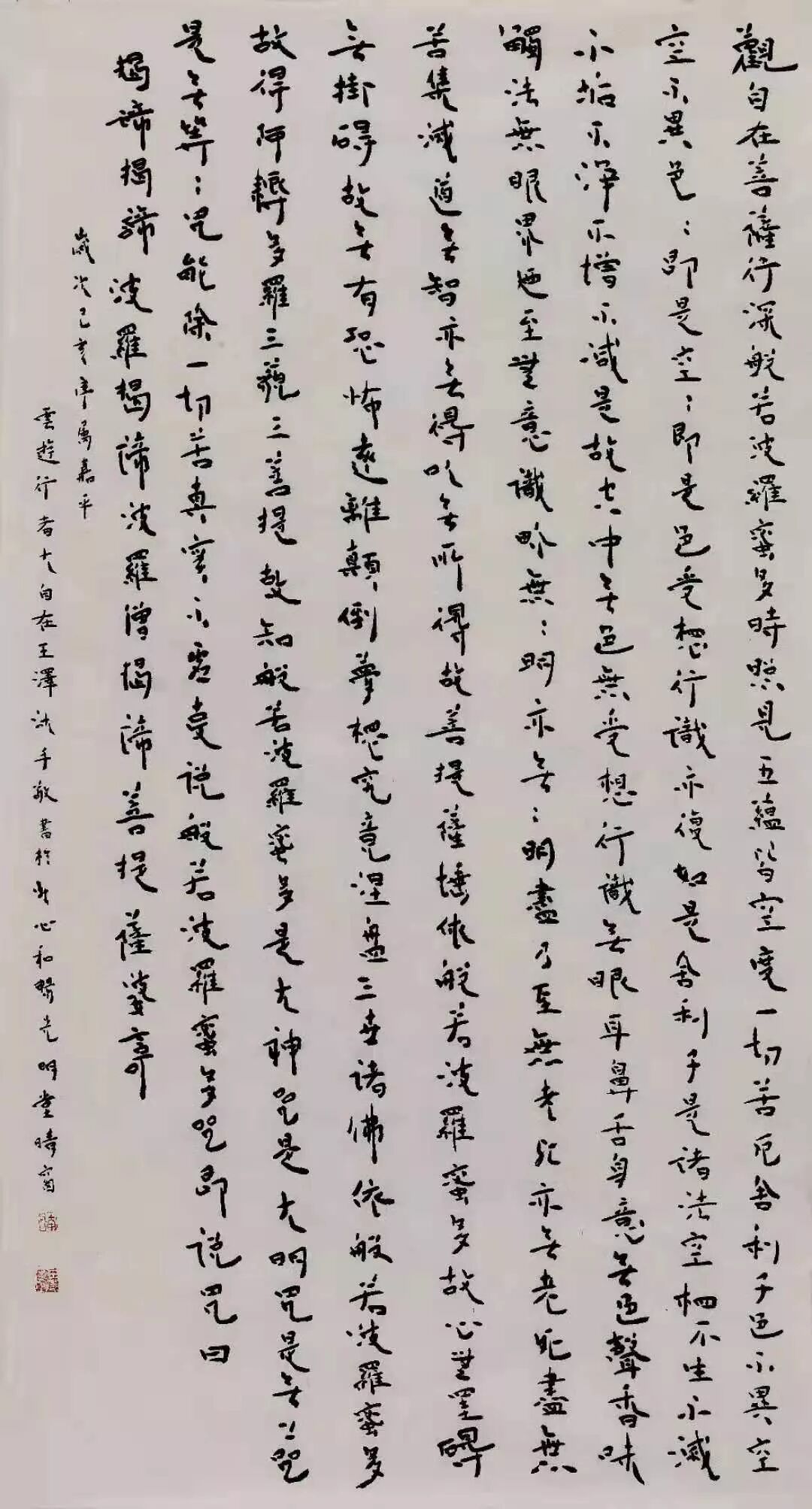
He said he began learning brush calligraphy at nine. At university, in Nanjing, he did not study art. In his twenties, after graduating, he returned to traditional art. With that childhood foundation behind him, the moment he took up freehand brushwork he already conveyed a “world-transforming” momentum, fusing his character into the work; though the brushwork was still loose and unrefined, it withstood interpretation, and an elder once said his works were “elegant, archaic and substantial” — no exaggeration.
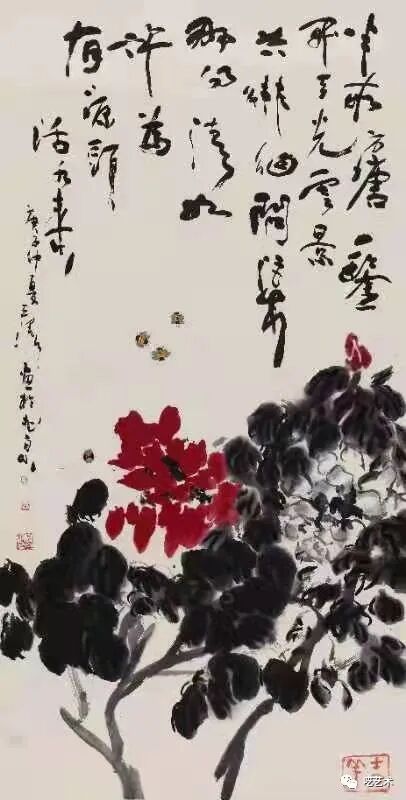
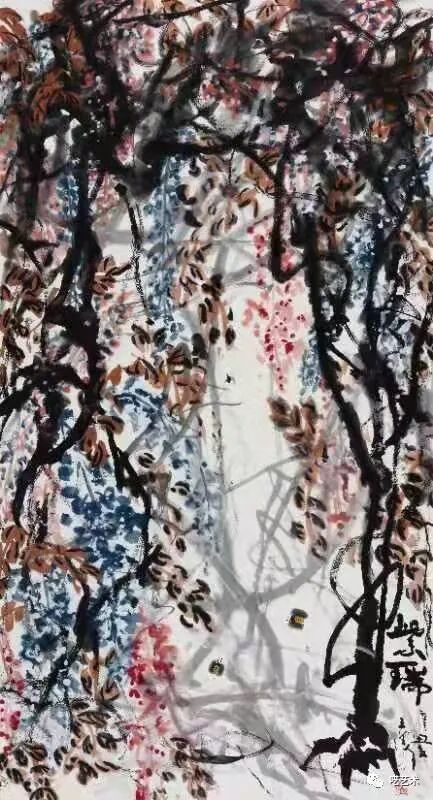
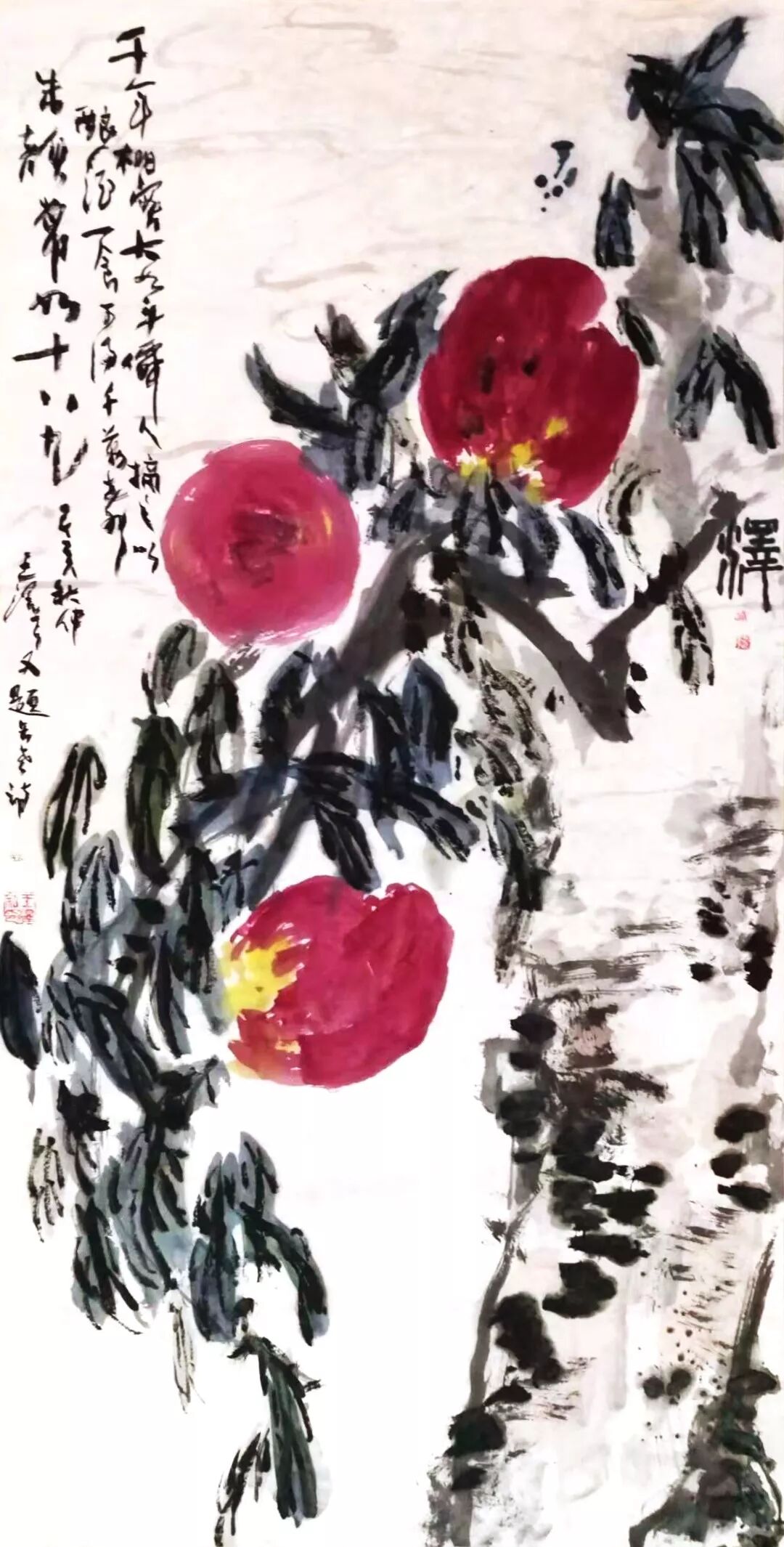
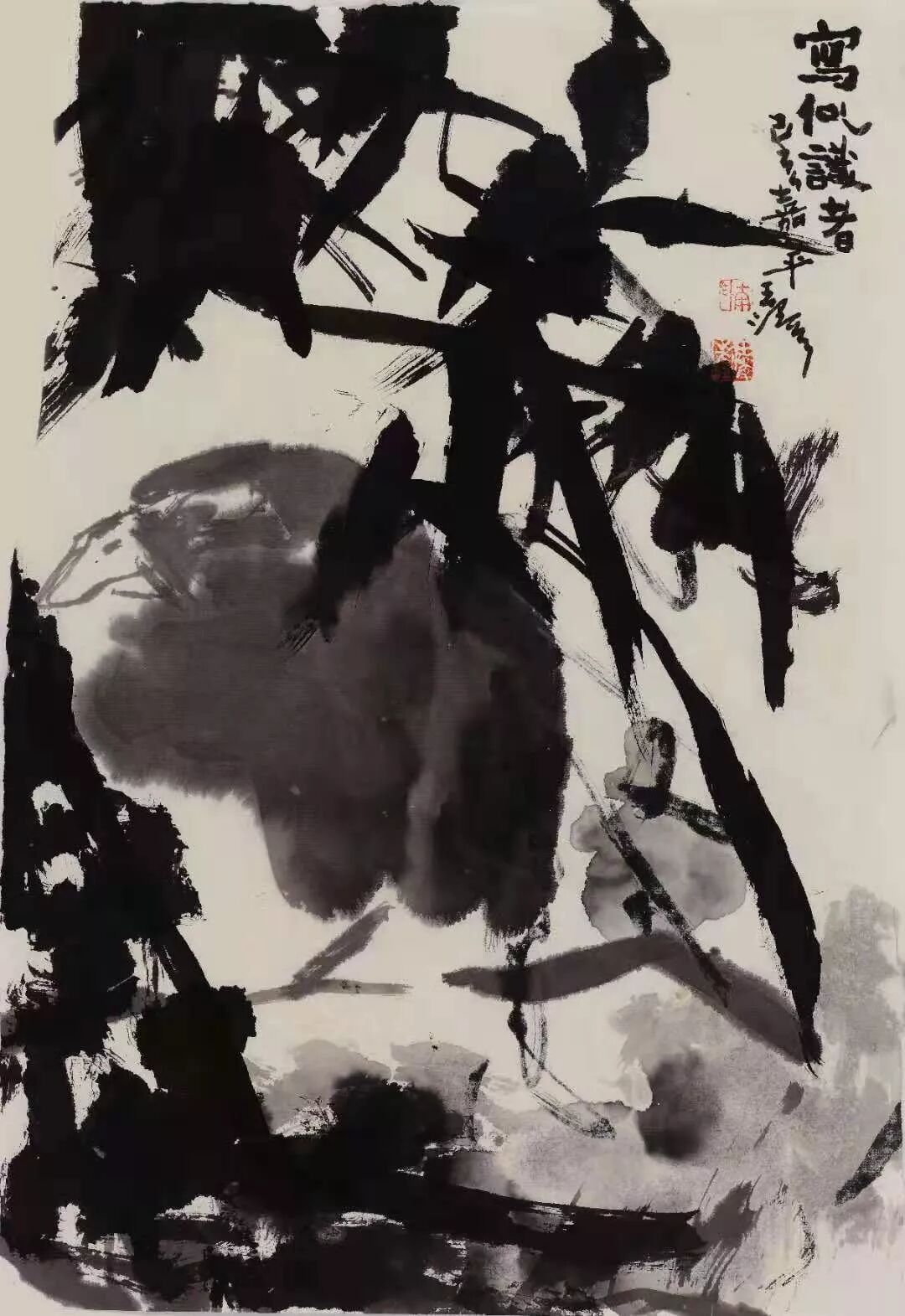
I have always felt that those who practise Chinese painting spend the first fifty years grasping the theory of brush and ink, and after fifty begin to fuse in life experience and character. Perhaps he did, from the very start, what comes after fifty — which is why those who call his brushwork “impetuous” mostly say it without conviction. Those who emerge from the academy, proper and disciplined, naturally keep a certain distance from his work. Thus, speaking of “style”: in the Chinese context it originally described a person, and only later a work; a work’s style has never been separable from the person. He was such a person, inseparable from his style. Though the man is gone, the works remain vivid. Look closely, and some of the vines in his freehand flowers-and-birds paintings carry no acrid sharpness in the stroke — they look rough, yet betray an immediate, living force. I have always felt he lives within these works, fresh each time one returns to them. Perhaps as I grow older I will read his works differently, but I will surely be no less sorrowful, for he is gone, barely past thirty, so unexpected; only the works can carry my feeling — grieving for him, and for myself. “Only the sentimental spring-court moon still shines on the fallen blossoms for those who have left.”
I recall a story: the writer Wang Shuo was working in his villa when a bicycle repairman set up outside the door. Annoyed, Wang Shuo went out and asked, “Master, can you move along?” The repairman apologised. Helpless, Wang Shuo went back in, took the only thirty thousand yuan he had, came out and handed it to the man. “Can you leave now? I’m writing and it’s too noisy,” said Wang Shuo. The repairman, delighted at this windfall, hurried away from the villa. Wang Shuo later regretted it: if he’d come back, there’d have been nothing he could do — he had no more money to give.
Every time I tell this story to others, I say I have a painter friend with just such a character. Later, reading the Bible, I felt that good artists are like Jesus: they burn their earthly life to illuminate their faith, and for the artist that is the life of art itself. That is why good artists are like this — hopeless with money, hopeless at living, devoting everything merely to nurturing their temperament. If an artist becomes too good at living, he has probably divided his mind, or else the artist has turned merchant or official, and that shallow arrogance and feigned bluster become visible at every turn. In my memory Wang Ze was mostly composed, never ill at ease; he would smile with simple sincerity, attend to your feelings, listen to what you said and tell you his own thoughts, unhurried and fluent. Like the growth of a tree, there were many times when he and I forgot our identities as art workers, and found our experiences strikingly alike — as with our generation, who came of age during the transition to a market economy, lived through the reform-and-opening nineties and the consumerist 2000s, and endured the exam-crammed years of cut-throat competition, so that much of our thinking and habit is conventional. In him you saw none of the artist’s affectations, precisely because he loved art — loved that solid, sincere, protracted, laborious artistic work — and only such seemingly slow labour could make his work more valuable. I remember visiting his studio in early 2022 and seeing on the wall a line he had written to spur himself on: “Painting every day, painting every moment, let the work of art rise like the morning sun and shine into every corner of the world.”
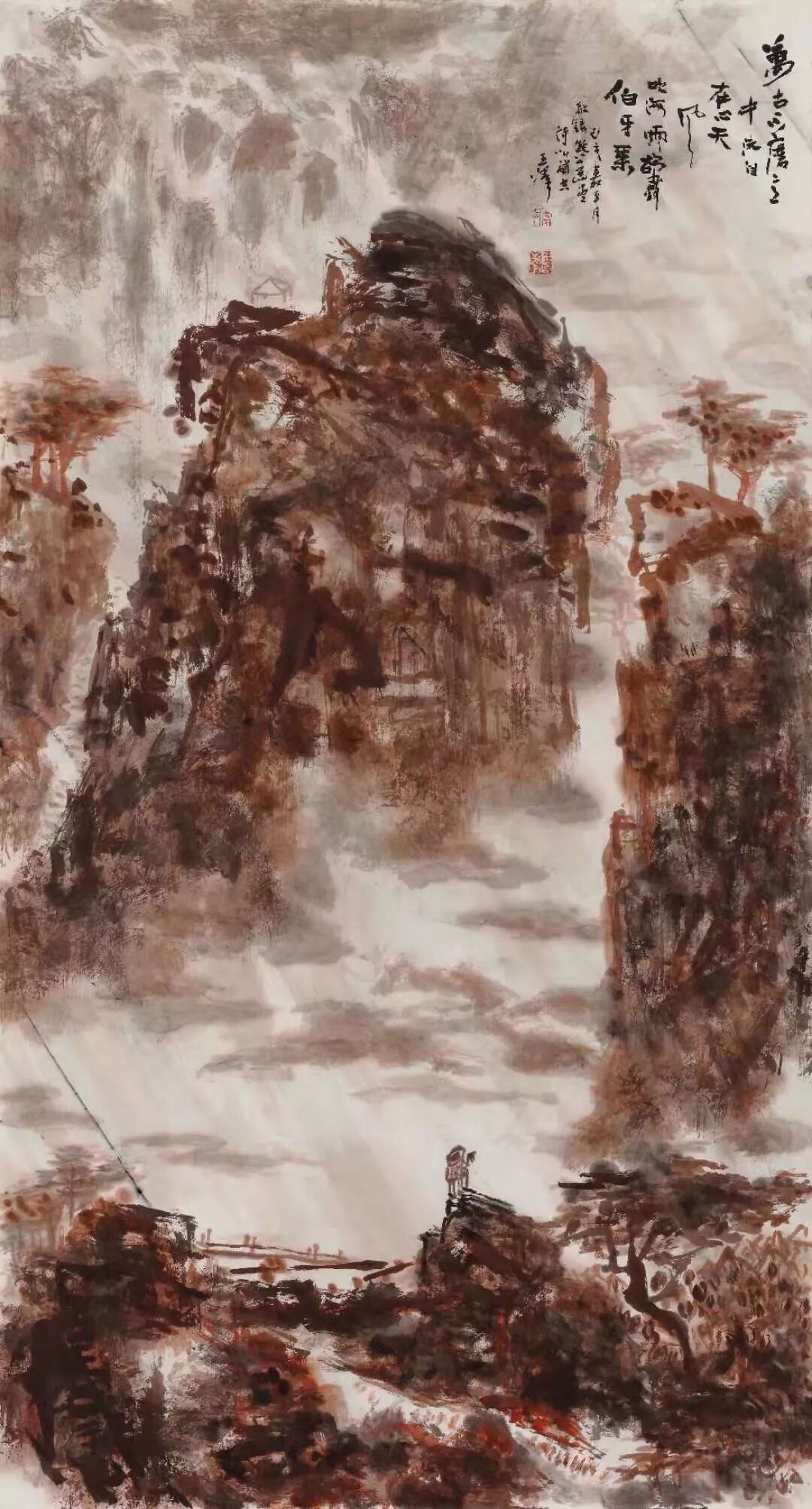
By rights, just past thirty should be an artist’s finest age — blessed with that childhood foundation and having formed his own taste in brush and ink. Across more than thirty years he walked his path full of conviction and passion, and remained unmarried and childless to the end. Many in the field, speaking of his singular gift, mostly felt regret. “Pitiful — bones in barren mounds and deep springs, yet once he wrote earth-shaking prose.” He was clear about his own state; steeped in China’s art-world jianghu and facing all manner of human absurdity, he preferred to speak his own feelings, and so appeared untrammelled and independent — yet in truth this was Wang Ze’s lovable nature and his inwardly well-ordered spirit. He had a warm heart; in his mind, Xu Qingteng, Bada Shanren and Wu Changshuo were towering peaks to look up to, while the few elderly ink-painting masters still living and holding high office were the bedrock of his inner world. He remained modest and self-aware, in contrast to his untrammelled air; in fact, it was precisely by this means that he resisted the shifting tides of the outside world and the vanity fair’s rise and fall. In the end, it was fidelity to the order of his own heart: he allowed himself to speak, just as he allowed himself to place his “self” into his paintings — orderly, and ripening of its own accord.
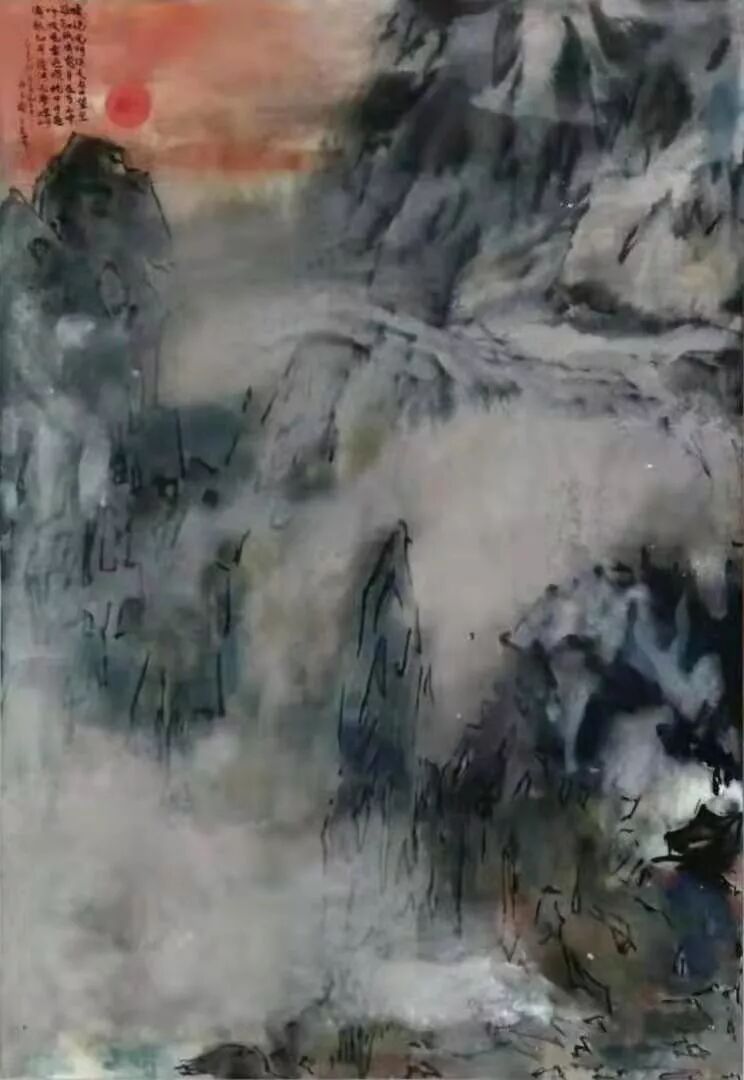
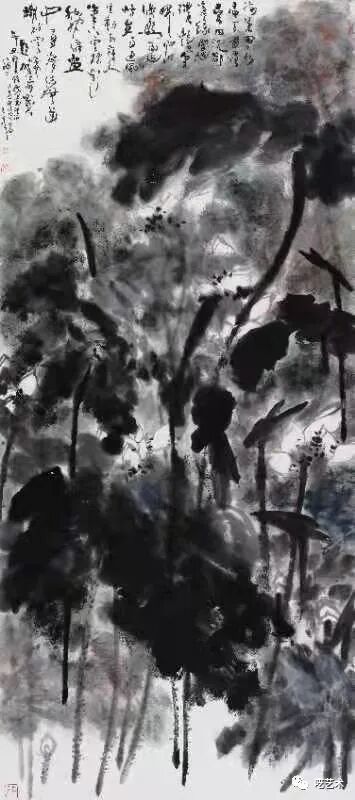
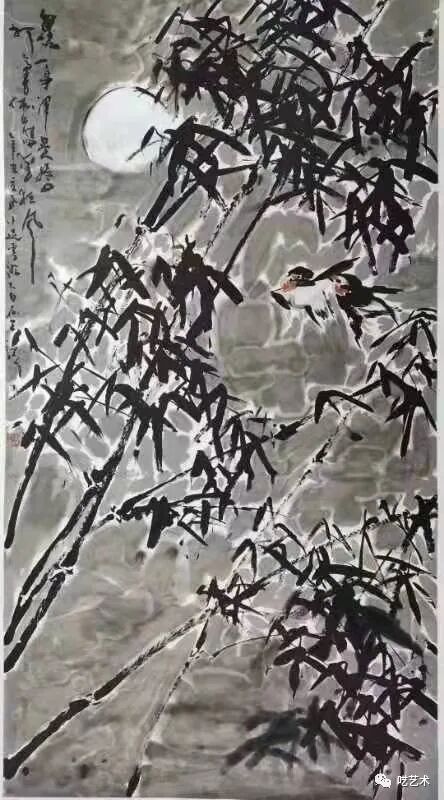
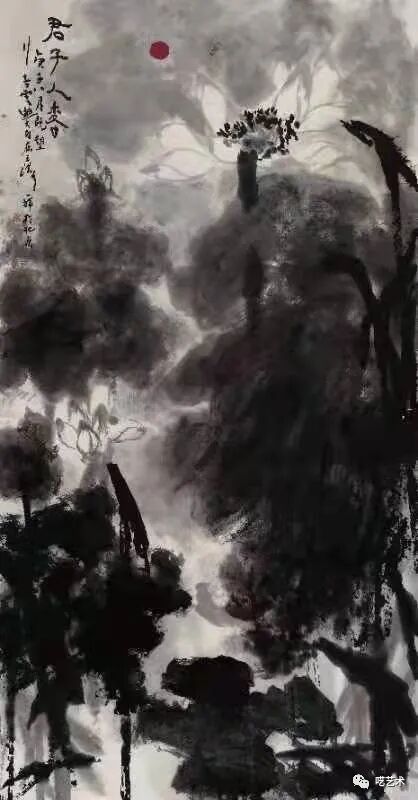
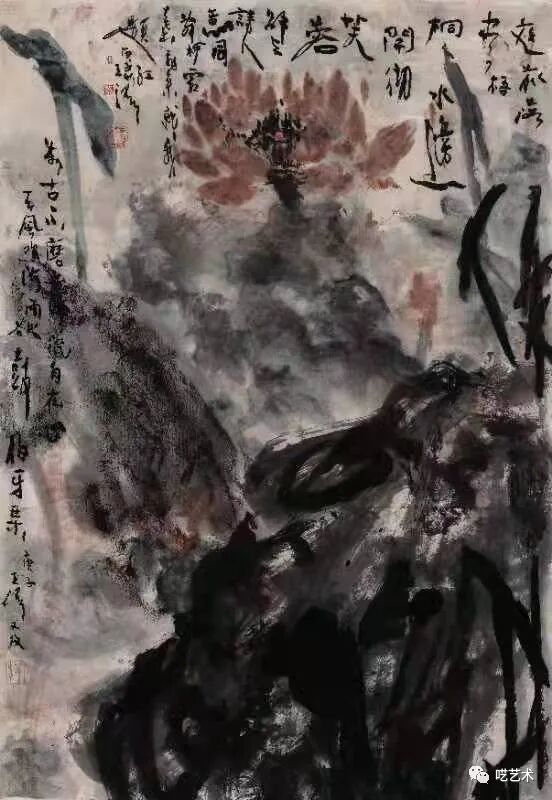
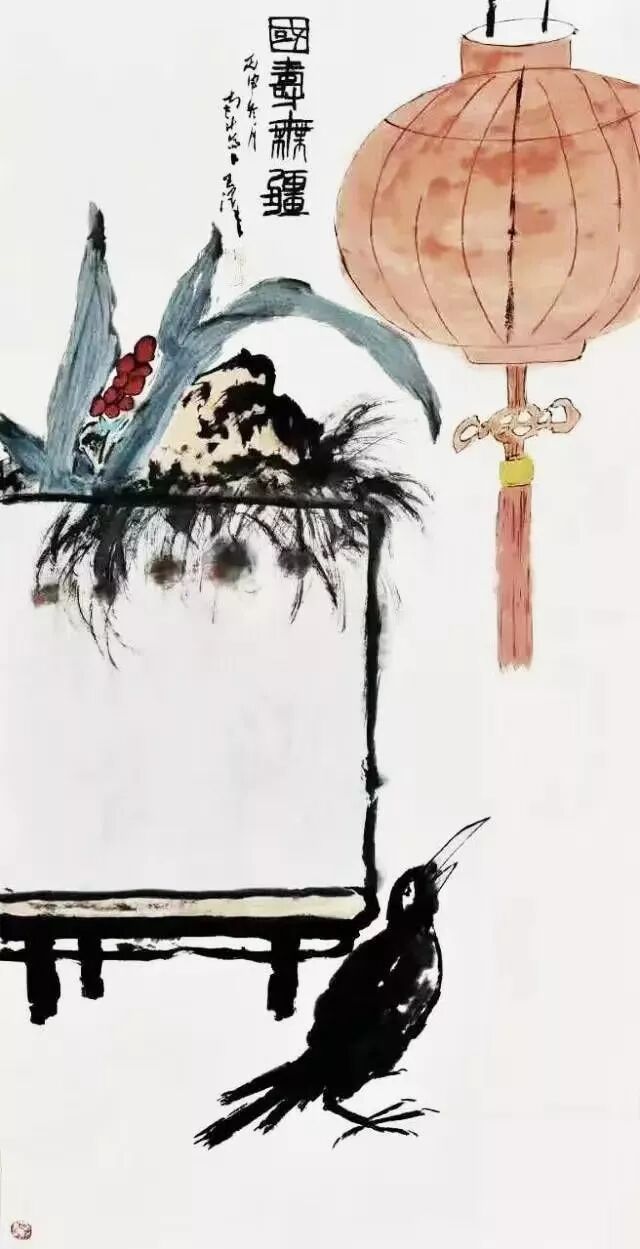
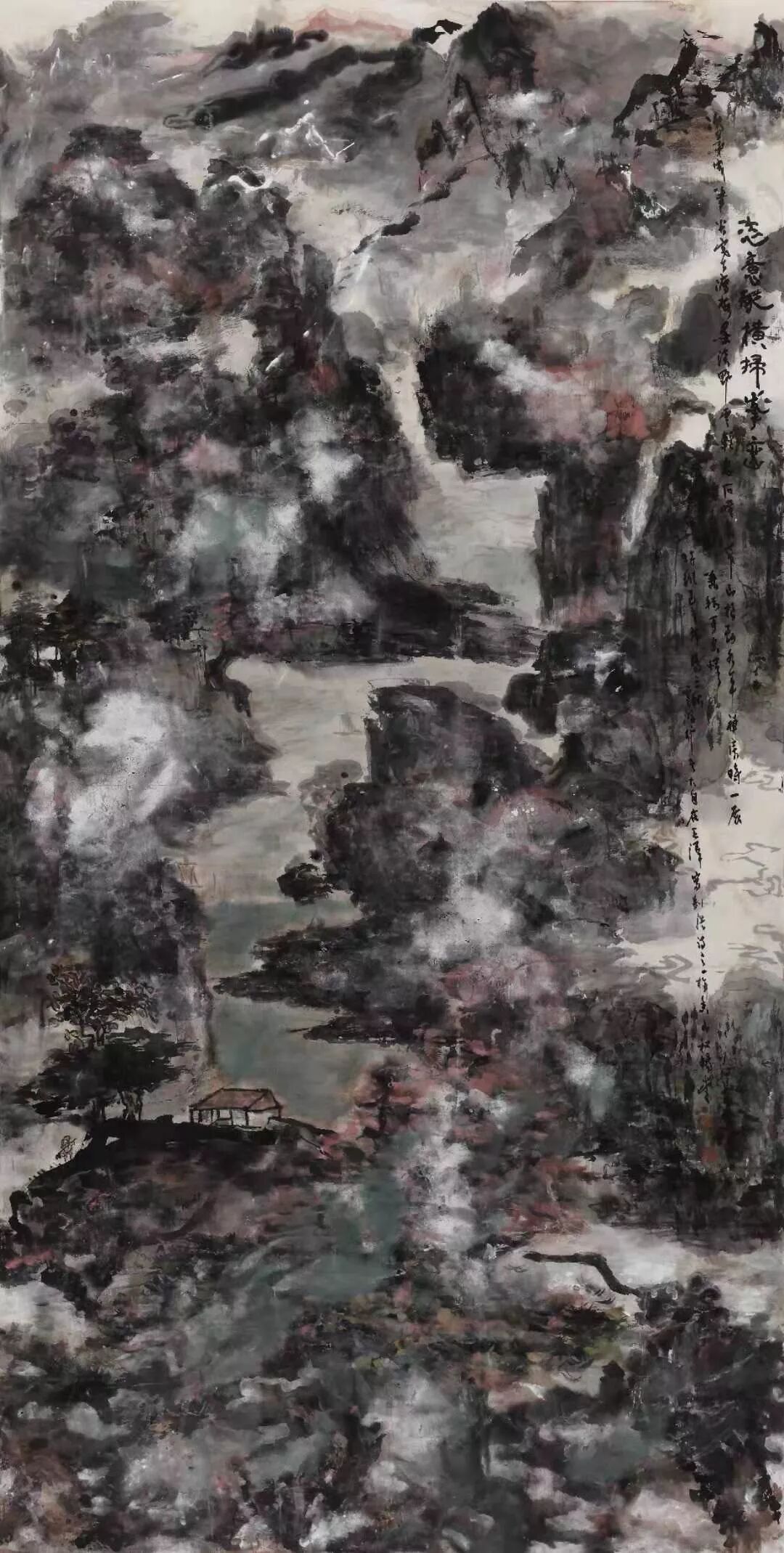
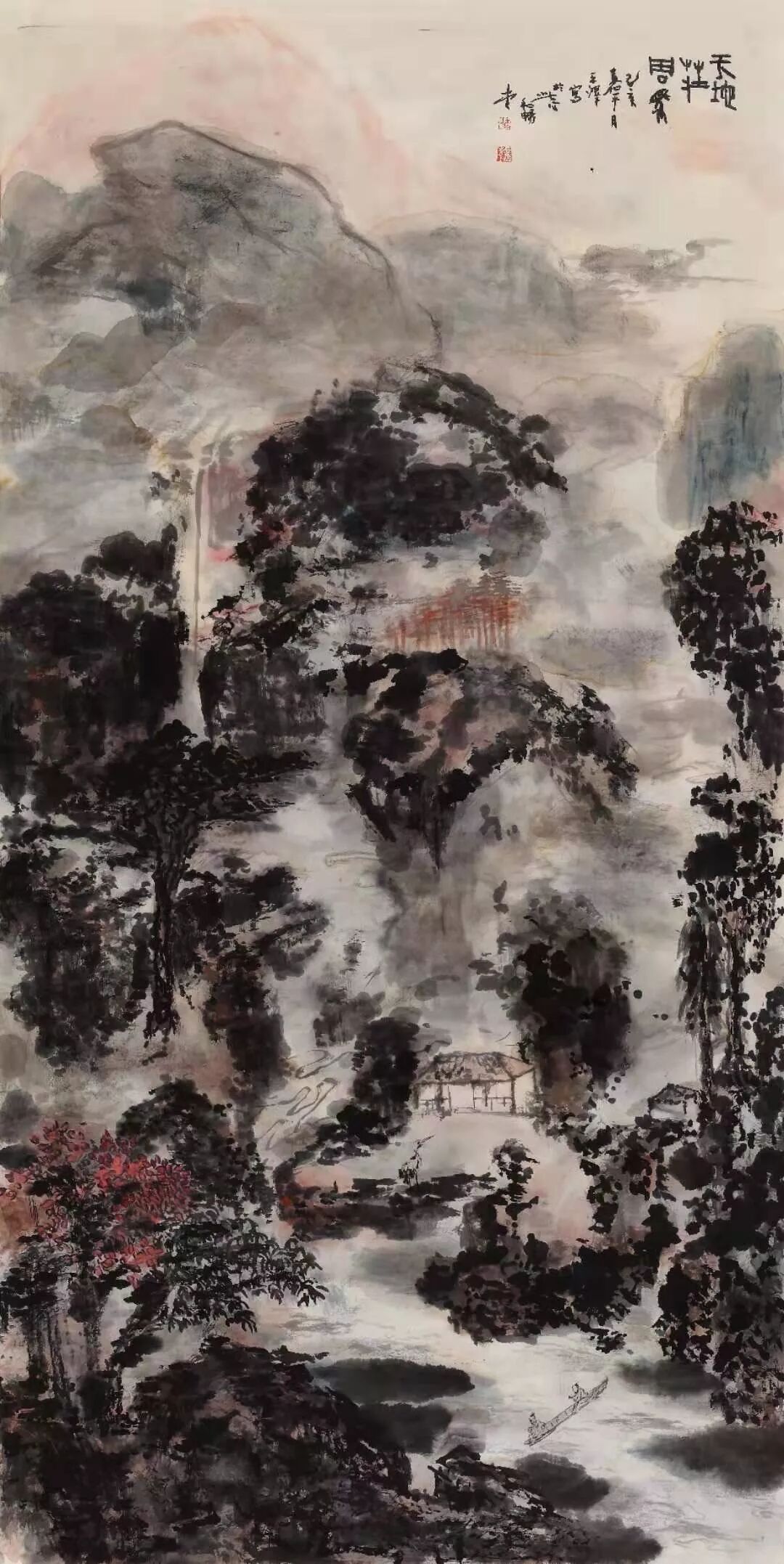
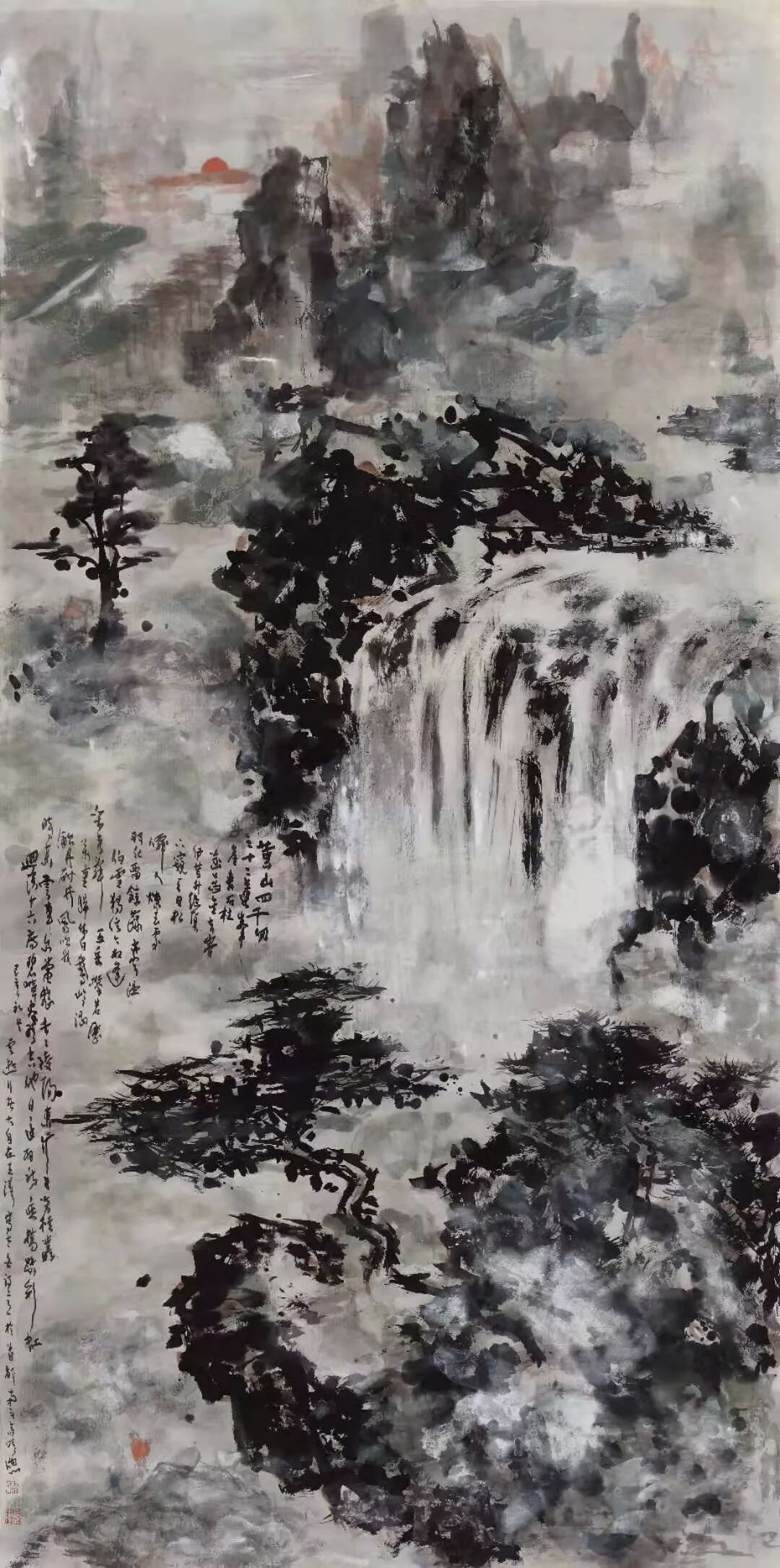
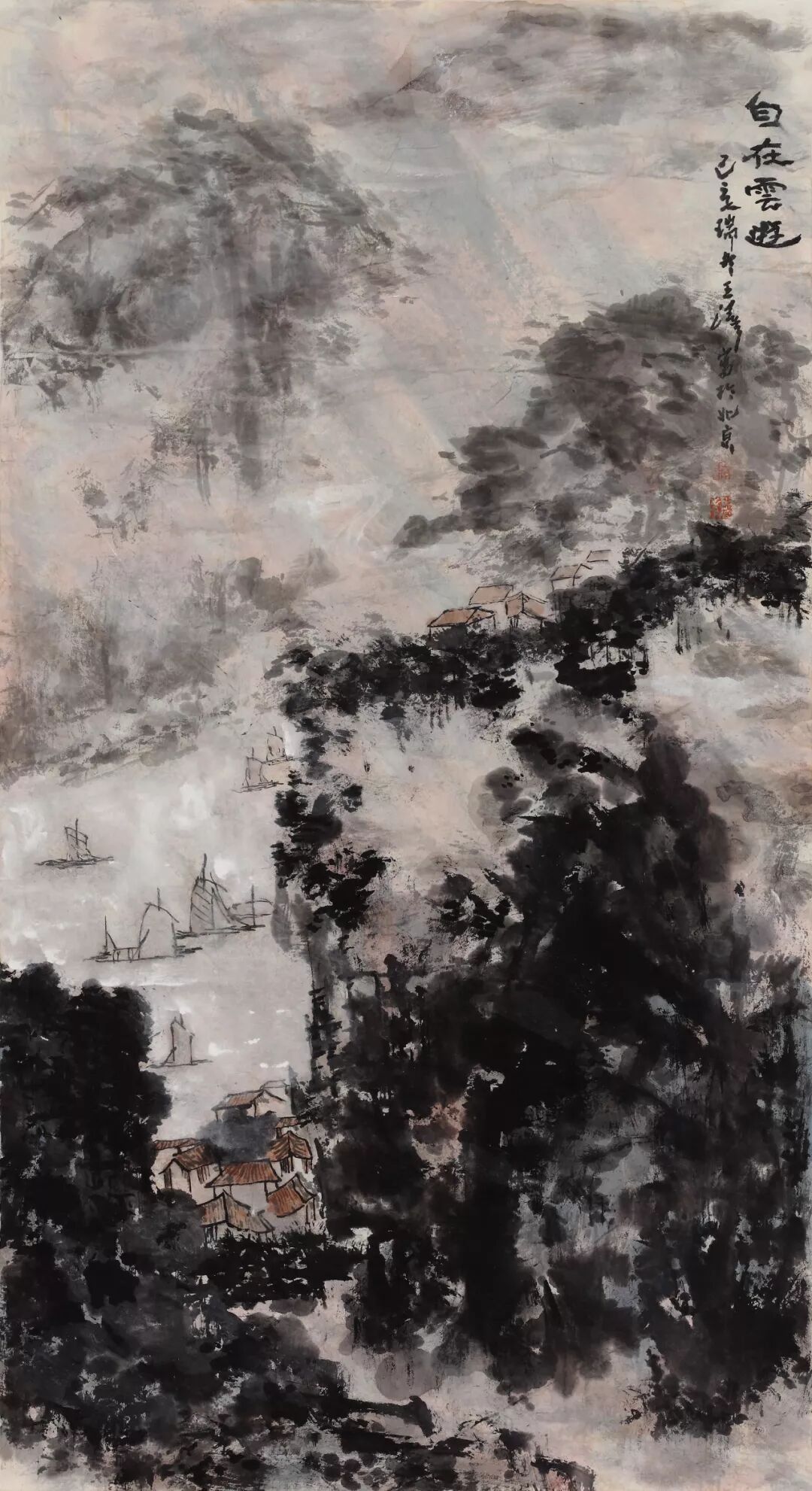
His works emphasise the great freehand style; compared with the refined, ink-subtle half-working-half-writing mode, they appear less exquisite, the visible brush and ink leaving clear traces on the paper. At a certain stage he might simply stop painting — such is his temperament, careless of gain and loss in the brush, wanting above all a momentum in the picture, without hesitation. Taken as a whole, his paintings do not feel raw; the untrammelled quality is measured, the fruit of years of experience. He approached art history with the attitude of “digging a well with a single needle”, never widely indiscriminate, yet climbing among a few peaks for over twenty years. His understanding of tradition was apt and powerful, for the canonical works of all ages are perceived only by those of exceptional insight and devotion; each generation has some who are willing to plunge in and study repeatedly, exploring and challenging something of great difficulty upon the order perceived from predecessors. Thus in his own time few could see why such work was good; few knew what a good work was, still less where exactly its goodness lay. Only after the era has passed, as a new generation builds on the previous generation’s understanding, does some of that goodness become clear.
The understanding of art is like “Jingwei filling the sea”. Wang Ze was naturally one who recognised this “good”. I do not understand why brush and ink held such powerful sway over him, but seeing the vital energy of brush and ink he generated by fusing his mind and nature, I grasp something of it. In those works — the undulation of a single line, the seep of a wash, the feathers on a bird — one sees his authentic temperament, merged into the forms and transformed into trace through spiritual encounter with mountains and rivers. He walked an exceedingly perilous yet promising path, only to perish midway. I remember him telling me of his ideal: after a few cups of baijiu, over plain food and wine, the two of us content in a “small state with few people” contentment, he spoke of his road, half laughing, half mock-annoyed.
Sometimes I think he was after all different from the post-50s and post-60s artists; in today’s consumer environment where it grows ever harder to tell achievement from fashion, art has become plural and random, yet comparatively his path should have been walked more thoroughly. Had he truly reached fifty, the prospects would have been boundless, and perhaps the mock-annoyance and the ordinary baijiu would have diminished, and his life would have improved. As a friend I genuinely hoped his life would get better, but those hopes left with him. Looking back over these years, we did not meet often, not daily companions, though we were friends for more than six years. When we were both poor, I liked cheap domestic cigars; handing him one then, we were utterly content. A meal costing a hundred-odd yuan felt a joy of life. With the right friend, form and desire fade in importance. And in such memories, my one regret is that I never managed to persuade him to drink less. Artists love to drink; under the Dionysian spirit the state often carries sexual impulse and release, and as the Dionysian swells, the subject gradually melts into a self-forgetting oneness. Li Bai loved to drink: “Since olden times the sages and worthies have been lonely; only the drinker leaves a name behind.” Wang Ze was surely so too — not to say wine was his life, but the injustice of reality and the inward distress of reaching for the distant would have needed the Dionysian’s comfort. I recall Nietzsche seeing “drunkenness” as the mysterious self-abandon born of the dissolution of the “principle of individuation”, a state in which the individual merges with the world-will. This explains the source of Wang Ze’s untrammelled freedom. Yet the tale of his life — made by wine, ended by wine — today brings no small sorrow. I do not know his final thoughts, nor have I met his family; when I learned the news, nearly half a year had already passed. Helpless, such was our parting; the tears of then, as of yesterday, yet unavoidably it is the year of his death.
Wang Ze has got off the bus of this life; we others continue westward on the bus called the sahā world, seeing some board and some alight, watching the scenery shift and the constellations turn, awaiting the bus’s arrival at its terminus. Each has his own terminus, like a task set before him. Only facing the departure of an old friend, I know not what I can do, anxious and uneasy, fearing he might regret his task. So I wish that, if there is another world, his life there may improve, that he may make peace with himself and continue his artistic ideals. I know not the use of words; I take them only as a commemorative wish, that he may be known to more of the living. Finishing the pen in a daze, I know not what I have said.
Afternoon, 13 August 2022
Daxiong, at Xu–Song West Street
(Author: Daxiong, art critic)
Selected freehand ink paintings by Wang Ze from different periods
订阅艺术评论
订阅即赠《2024中国当代艺术关键词》内部思考笔记 PDF
每周免费获取最新当代艺术批评与研究